

Chicken, broilers or fryers, dark meat, thigh, meat only, raw
Whole food · Poultry Products

Photo: Wikipedia
This is the lean, protein-packed thigh meat from young chickens, prized for its rich, savory flavor and tender, juicy texture that holds up beautifully to high-heat cooking. With nearly 20 grams of protein and minimal fat per 100g, it's a powerhouse cut that delivers deep chicken taste without the dryness often associated with breast meat.
Calorie split: 68% protein · 0% carbs · 32% fat
↓ Full nutrition💚 Why it's loved
People adore chicken thighs for their forgiving nature—they stay moist and flavorful even when slightly overcooked, making them a weeknight hero. The meat has a more pronounced, savory 'chicken' flavor that many find more satisfying than the milder breast.
⚠️ Watch-outs & how to enjoy it better
The higher fat content (though still lean) makes it less ideal for extremely low-fat diets. For those monitoring sodium intake, be cautious with pre-marinated or processed thigh products. To keep it healthy, use dry spice rubs instead of salt-heavy marinades, and pair with fiber-rich vegetables to balance the meal.
Key benefits
- Excellent source of complete protein for muscle maintenance
- Rich in iron and zinc compared to breast meat
- Contains B vitamins, especially niacin and B6
- Lower in fat than other dark meat cuts like drumsticks
- Versatile for both quick and slow cooking methods
🍽️ Popular dishes
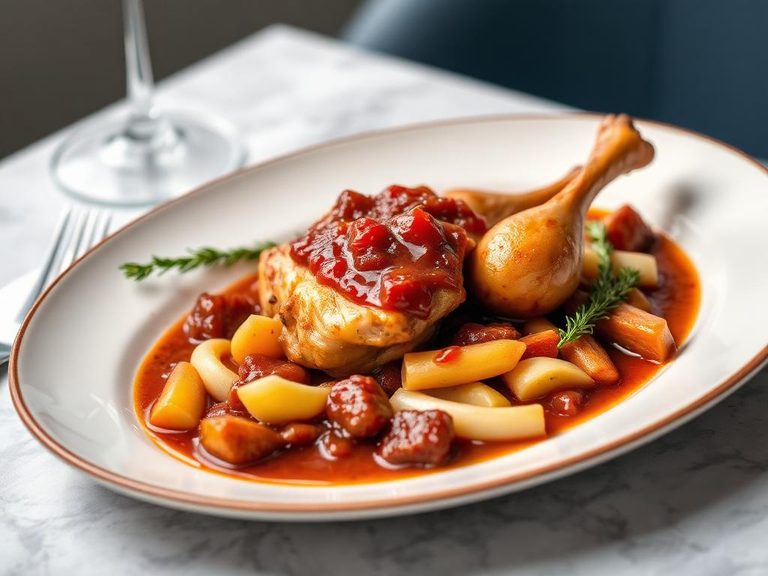
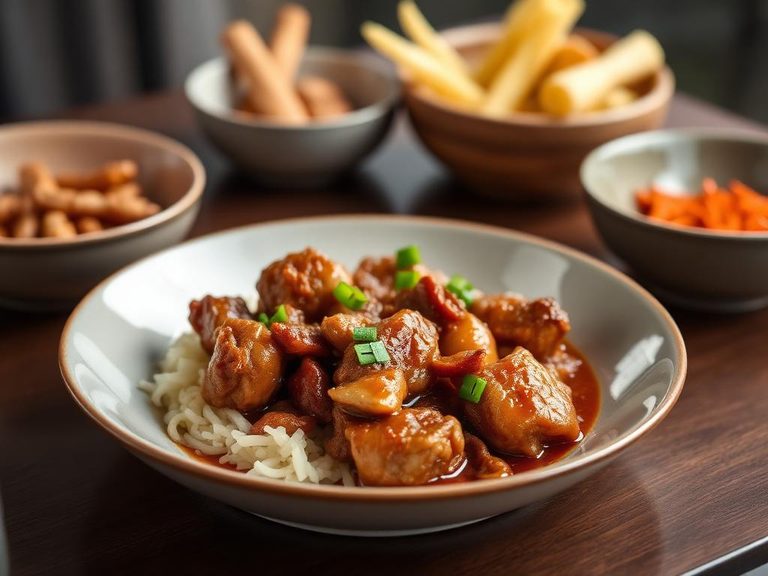
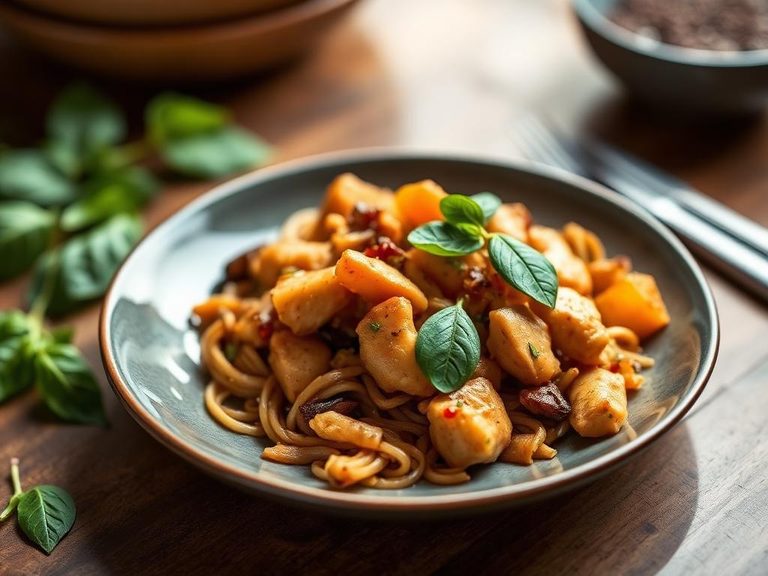
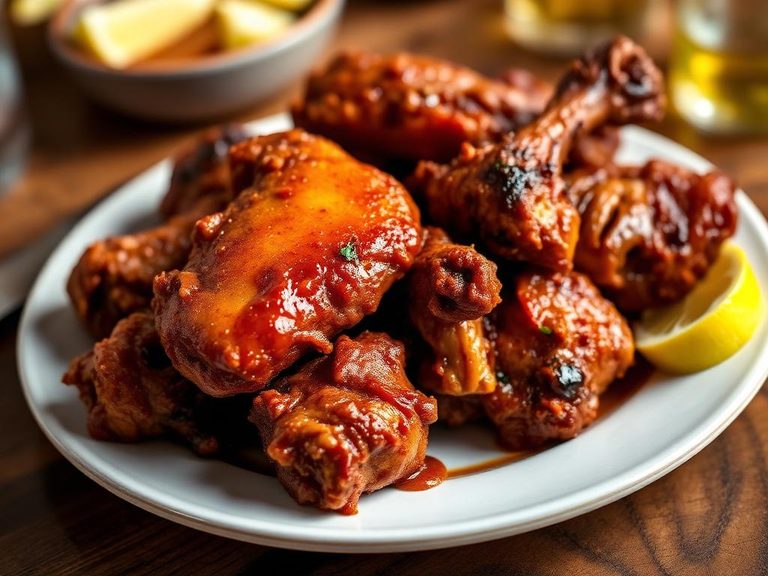
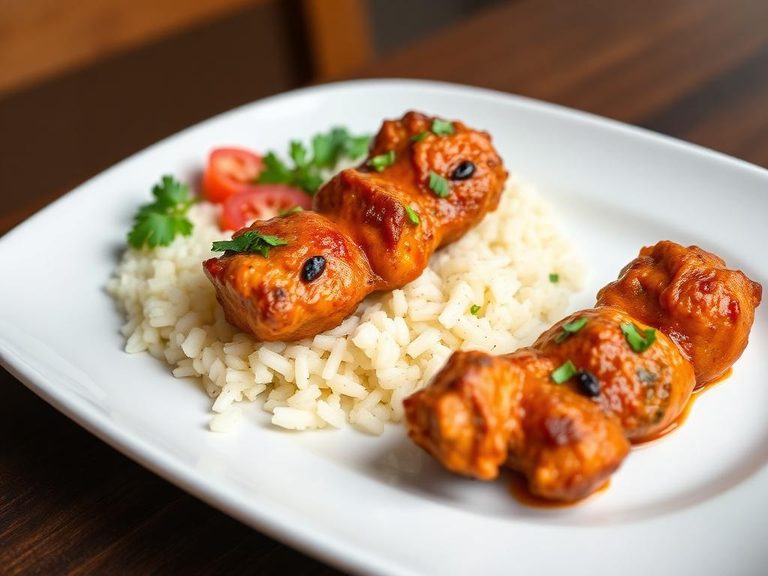
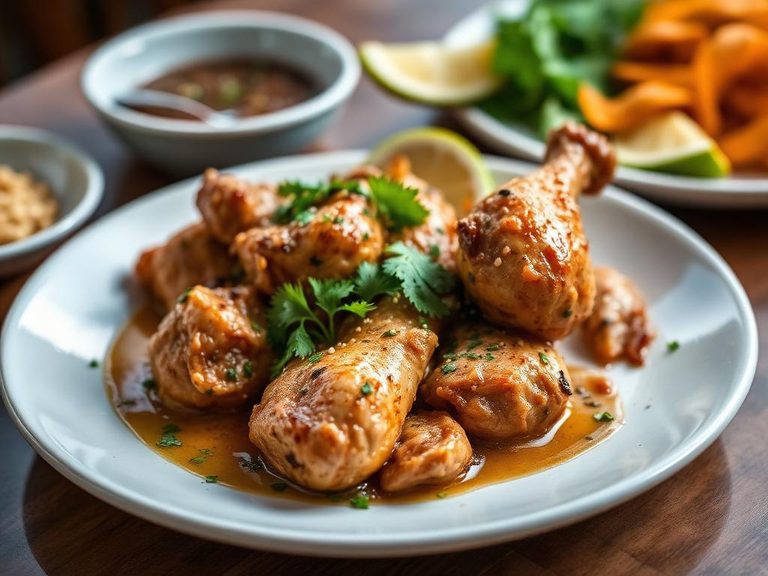
🌍 Where it's eaten
💡 Did you know?
Chicken thighs contain more myoglobin than breast meat, which is the protein that gives them their darker color and helps them store oxygen—this is why they can be cooked to a safe internal temperature of 165°F (74°C) but remain juicy, while breast meat at the same temperature can turn dry.
Full nutrition (USDA data · scales with serving)
| Water | 76.2 g |
| Energy | 121 kcal |
| Energy | 507 kj |
| Protein | 19.7 g |
| Total lipid (fat) | 4.1 g |
| Ash | 0.95 g |
| Carbohydrate, by difference | 0.00 g |
| Fiber, total dietary | 0.00 g |
| Total Sugars | 0.00 g |
| Calcium, Ca | 7.0 mg |
| Iron, Fe | 0.81 mg |
| Magnesium, Mg | 23.0 mg |
| Phosphorus, P | 185 mg |
| Potassium, K | 242 mg |
| Sodium, Na | 95.0 mg |
| Zinc, Zn | 1.6 mg |
| Copper, Cu | 0.06 mg |
| Manganese, Mn | 0.01 mg |
| Selenium, Se | 22.9 ug |
| Vitamin C, total ascorbic acid | 0.00 mg |
| Thiamin | 0.09 mg |
| Riboflavin | 0.20 mg |
| Niacin | 5.6 mg |
| Vitamin B-6 | 0.45 mg |
| Folate, total | 4.0 ug |
| Folic acid | 0.00 ug |
| Folate, food | 4.0 ug |
| Folate, DFE | 4.0 ug |
| Choline, total | 53.6 mg |
| Betaine | 10.5 mg |
| Vitamin B-12 | 0.61 ug |
| Vitamin B-12, added | 0.00 ug |
| Vitamin A, RAE | 7.0 ug |
| Retinol | 7.0 ug |
| Carotene, beta | 0.00 ug |
| Carotene, alpha | 0.00 ug |
| Cryptoxanthin, beta | 0.00 ug |
| Vitamin A, IU | 24.0 iu |
| Lycopene | 0.00 ug |
| Lutein + zeaxanthin | 110 ug |
| Vitamin E (alpha-tocopherol) | 0.18 mg |
| Vitamin E, added | 0.00 mg |
| Tocopherol, beta | 0.00 mg |
| Tocopherol, gamma | 0.07 mg |
| Tocopherol, delta | 0.00 mg |
| Tocotrienol, alpha | 0.01 mg |
| Tocotrienol, beta | 0.03 mg |
| Tocotrienol, gamma | 0.03 mg |
| Tocotrienol, delta | 0.00 mg |
| Vitamin D (D2 + D3), International Units | 1.0 iu |
| Vitamin D (D2 + D3) | 0.00 ug |
| Vitamin D3 (cholecalciferol) | 0.00 ug |
| Vitamin K (phylloquinone) | 2.9 ug |
| Alcohol, ethyl | 0.00 g |
| Caffeine | 0.00 mg |
| Theobromine | 0.00 mg |
Fat & fatty acid profile (per 100g)
| Fatty acids, total saturated | 1.1 g |
| SFA 4:0 | 0.00 g |
| SFA 6:0 | 0.00 g |
| SFA 8:0 | 0.00 g |
| SFA 10:0 | 0.00 g |
| SFA 12:0 | 0.00 g |
| SFA 14:0 | 0.02 g |
| SFA 15:0 | 0.00 g |
| SFA 16:0 | 0.80 g |
| SFA 17:0 | 0.00 g |
| SFA 18:0 | 0.25 g |
| SFA 20:0 | 0.00 g |
| SFA 22:0 | 0.01 g |
| SFA 24:0 | 0.00 g |
| Fatty acids, total monounsaturated | 1.5 g |
| MUFA 14:1 | 0.01 g |
| MUFA 15:1 | 0.00 g |
| MUFA 16:1 | 0.21 g |
| MUFA 16:1 c | 0.21 g |
| MUFA 17:1 | 0.00 g |
| MUFA 18:1 | 1.3 g |
| MUFA 18:1 c | 1.2 g |
| MUFA 20:1 | 0.02 g |
| MUFA 22:1 | 0.00 g |
| MUFA 22:1 c | 0.00 g |
| MUFA 24:1 c | 0.00 g |
| Fatty acids, total polyunsaturated | 0.94 g |
| PUFA 18:2 | 0.75 g |
| PUFA 18:2 n-6 c,c | 0.74 g |
| PUFA 18:2 CLAs | 0.01 g |
| PUFA 18:3 | 0.04 g |
| PUFA 18:3 n-3 c,c,c (ALA) | 0.03 g |
| PUFA 18:3 n-6 c,c,c | 0.01 g |
| PUFA 18:4 | 0.00 g |
| PUFA 20:2 n-6 c,c | 0.01 g |
| PUFA 20:3 | 0.02 g |
| PUFA 20:3 n-3 | 0.00 g |
| PUFA 20:3 n-6 | 0.02 g |
| PUFA 20:4 | 0.09 g |
| PUFA 20:5 n-3 (EPA) | 0.00 g |
| PUFA 22:4 | 0.02 g |
| PUFA 22:5 n-3 (DPA) | 0.01 g |
| PUFA 22:6 n-3 (DHA) | 0.01 g |
| Fatty acids, total trans | 0.02 g |
| Fatty acids, total trans-monoenoic | 0.01 g |
| TFA 16:1 t | 0.00 g |
| TFA 18:1 t | 0.01 g |
| TFA 22:1 t | 0.00 g |
| TFA 18:2 t not further defined | 0.01 g |
| Fatty acids, total trans-polyenoic | 0.01 g |
| Cholesterol | 94.0 mg |
Amino acid profile (per 100g)
| Tryptophan | 0.22 g |
| Threonine | 0.93 g |
| Isoleucine | 0.94 g |
| Leucine | 1.7 g |
| Lysine | 1.9 g |
| Methionine | 0.56 g |
| Cystine | 0.23 g |
| Phenylalanine | 0.79 g |
| Tyrosine | 0.74 g |
| Valine | 0.96 g |
| Arginine | 1.4 g |
| Histidine | 0.59 g |
| Alanine | 1.2 g |
| Aspartic acid | 1.9 g |
| Glutamic acid | 3.2 g |
| Glycine | 0.90 g |
| Proline | 0.79 g |
| Serine | 0.82 g |
FAQ
Is chicken thigh meat as healthy as breast meat?
It's slightly higher in fat and calories but also richer in certain minerals like iron and zinc. Both are excellent protein sources; choose based on your dietary needs and taste preference.
How do I get crispy skin on bone-in thighs?
Pat the skin completely dry, season generously, and start cooking skin-side down in a cold pan over medium heat. Render the fat slowly for 8-10 minutes before flipping.
Can I substitute thighs for breast in recipes?
Yes, but adjust cooking time—thighs can often cook a bit longer without drying out. For slow-cooked dishes, they're actually preferred. For quick stir-fries, they work well if sliced thin.
Nutrient density (calculated · NRF9.3)
Nutrient Rich Foods index: beneficial nutrients (protein, fiber, vitamins, minerals) minus saturated fat, added sugar & sodium, per 100 kcal.
NRF9.3 index — Fulgoni, Keast & Drewnowski, 2009. Computed from USDA nutrients.
Weight-loss friendliness (composite index)
Energy density 1.21 kcal/g · 65% calories from protein · 0.0 g fiber · 0.0 g sugar per 100 g.
Composite of energy density (Rolls et al., 1999), protein & fiber satiety, minus sugar. A calculated heuristic — ranks satiety-per-calorie, not a clinical measure.
Dietary load (calculated from USDA values)
Potential renal acid load. Positive = acid-forming, negative = alkaline-forming.
Sodium-to-potassium ratio: 0.39 (lower is better — aim for ≤ 1)
Sodium:potassium per WHO potassium guidance. Computed from USDA nutrients.