

Turkey, all classes, heart, raw
Whole food · Poultry Products
Turkey heart is a dense, iron-rich organ meat with a firm, slightly chewy texture and a mild, subtly gamey flavor reminiscent of dark meat poultry. It's a nutritional powerhouse, delivering an exceptional amount of protein (16.7g) and a notable dose of iron and B vitamins for very few calories (140 kcal per 100g).
Calorie split: 49% protein · 1% carbs · 49% fat
↓ Full nutrition💚 Why it's loved
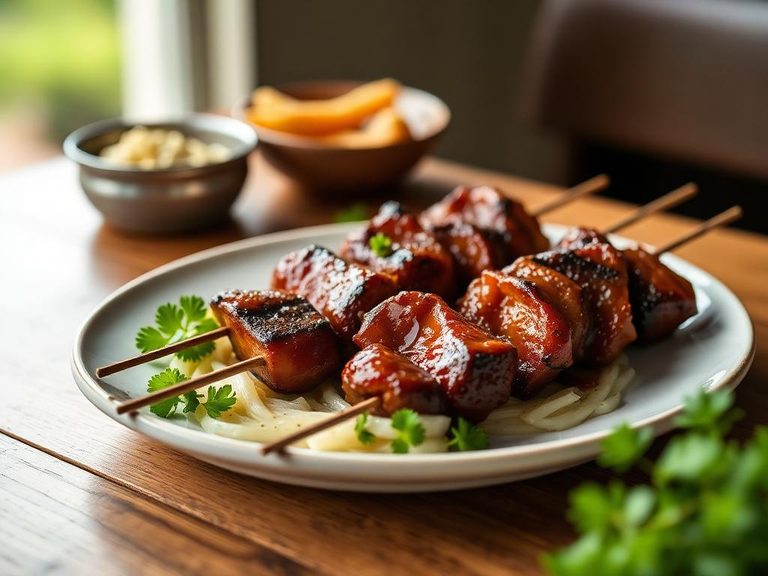
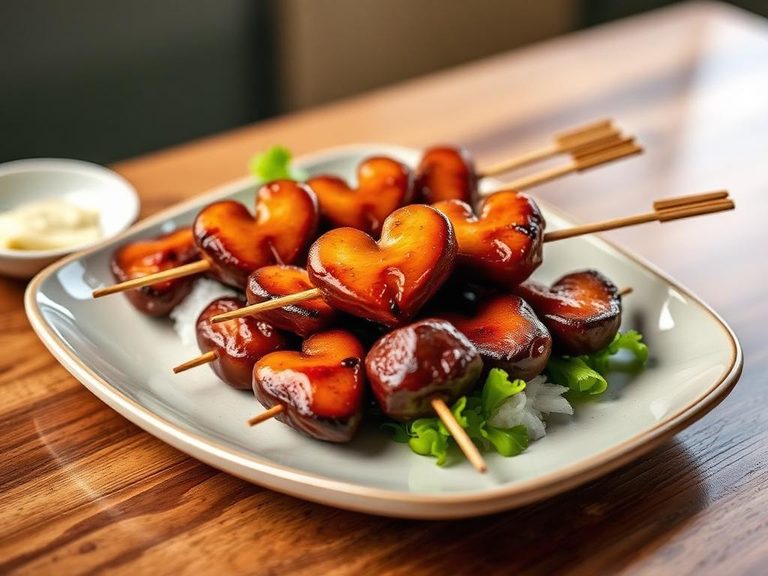
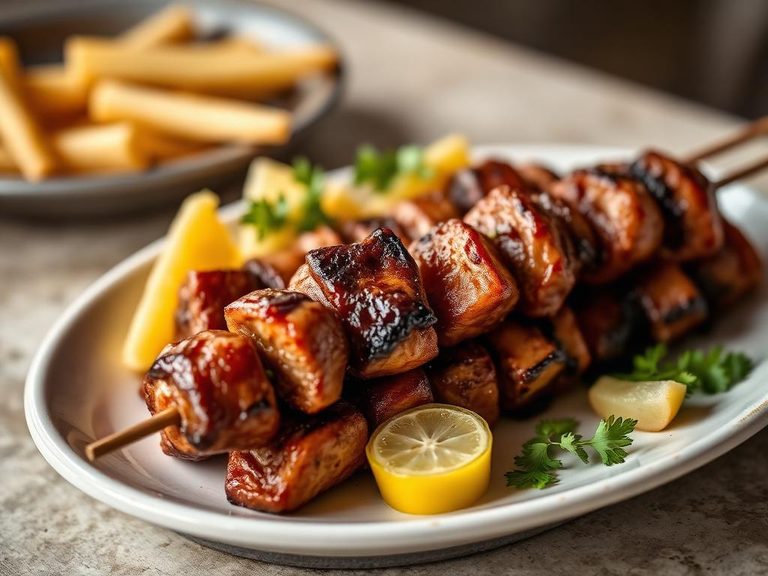
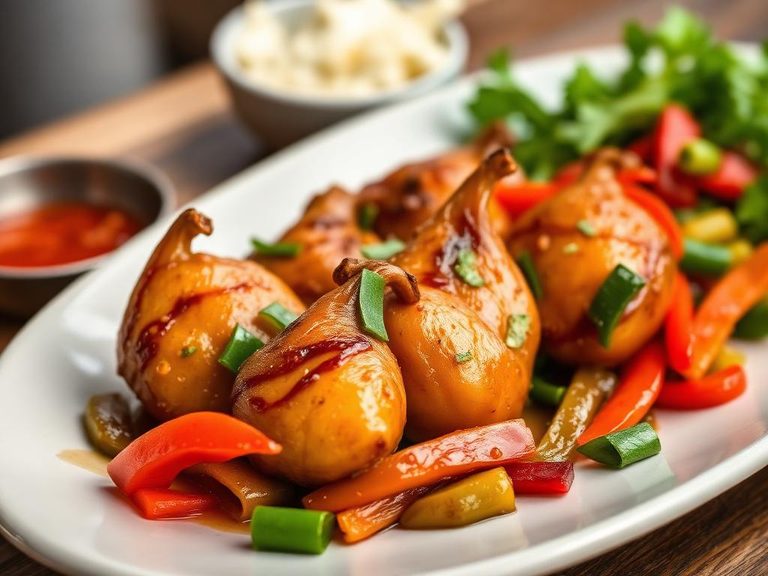
Cooks and adventurous eaters love turkey heart for its incredible depth of flavor and meaty texture when prepared correctly. It's prized for its versatility in grilling, stir-frying, and as a key ingredient in traditional dishes across many cultures.
⚠️ Watch-outs & how to enjoy it better
The primary downside is its strong, iron-rich taste and firmer texture, which can be off-putting to those unaccustomed to organ meats. To counteract this, marinate it in acidic ingredients like citrus or vinegar to tenderize, cook it quickly over high heat to avoid toughness, or start by mixing small, finely chopped pieces into ground meat dishes.
Key benefits
- Excellent source of high-quality, complete protein
- Rich in iron, particularly heme iron which is easily absorbed
- Provides significant B vitamins, especially B12 and niacin
- Low in carbohydrates and sugar
- A nutrient-dense, whole-food organ meat
🍽️ Popular dishes
🌍 Where it's eaten
💡 Did you know?
Turkey hearts are anatomically very similar to chicken hearts but are about twice the size, making them a popular and more manageable choice for grilling whole on skewers.
Full nutrition (USDA data · scales with serving)
| Water | 74.5 g |
| Energy | 140 kcal |
| Energy | 586 kj |
| Protein | 16.7 g |
| Total lipid (fat) | 7.4 g |
| Ash | 0.99 g |
| Carbohydrate, by difference | 0.40 g |
| Fiber, total dietary | 0.00 g |
| Total Sugars | 0.00 g |
| Calcium, Ca | 18.0 mg |
| Iron, Fe | 3.7 mg |
| Magnesium, Mg | 21.0 mg |
| Phosphorus, P | 183 mg |
| Potassium, K | 179 mg |
| Sodium, Na | 129 mg |
| Zinc, Zn | 3.2 mg |
| Copper, Cu | 0.49 mg |
| Manganese, Mn | 0.10 mg |
| Selenium, Se | 35.4 ug |
| Vitamin C, total ascorbic acid | 3.0 mg |
| Thiamin | 0.17 mg |
| Riboflavin | 1.1 mg |
| Niacin | 6.4 mg |
| Pantothenic acid | 3.1 mg |
| Vitamin B-6 | 0.48 mg |
| Folic acid | 0.00 ug |
| Choline, total | 127 mg |
| Betaine | 3.3 mg |
| Vitamin B-12 | 13.3 ug |
| Vitamin A, RAE | 82.0 ug |
| Retinol | 80.0 ug |
| Carotene, beta | 23.0 ug |
| Carotene, alpha | 0.00 ug |
| Cryptoxanthin, beta | 0.00 ug |
| Vitamin A, IU | 305 iu |
| Lycopene | 21.0 ug |
| Lutein + zeaxanthin | 0.00 ug |
| Vitamin E (alpha-tocopherol) | 0.31 mg |
| Tocopherol, beta | 0.02 mg |
| Tocopherol, gamma | 0.27 mg |
| Tocopherol, delta | 0.00 mg |
| Tocotrienol, alpha | 0.00 mg |
| Tocotrienol, beta | 0.00 mg |
| Tocotrienol, gamma | 0.00 mg |
| Tocotrienol, delta | 0.00 mg |
| Vitamin D (D2 + D3), International Units | 17.0 iu |
| Vitamin D (D2 + D3) | 0.40 ug |
| Vitamin D3 (cholecalciferol) | 0.40 ug |
| Vitamin K (phylloquinone) | 0.00 ug |
| Alcohol, ethyl | 0.00 g |
| Caffeine | 0.00 mg |
| Theobromine | 0.00 mg |
Fat & fatty acid profile (per 100g)
| Fatty acids, total saturated | 1.9 g |
| SFA 4:0 | 0.00 g |
| SFA 6:0 | 0.00 g |
| SFA 8:0 | 0.00 g |
| SFA 10:0 | 0.00 g |
| SFA 12:0 | 0.02 g |
| SFA 14:0 | 0.06 g |
| SFA 15:0 | 0.01 g |
| SFA 16:0 | 1.2 g |
| SFA 17:0 | 0.02 g |
| SFA 18:0 | 0.58 g |
| SFA 20:0 | 0.01 g |
| SFA 22:0 | 0.01 g |
| SFA 24:0 | 0.01 g |
| Fatty acids, total monounsaturated | 2.0 g |
| MUFA 14:1 | 0.01 g |
| MUFA 15:1 | 0.00 g |
| MUFA 16:1 | 0.14 g |
| MUFA 16:1 c | 0.14 g |
| MUFA 17:1 | 0.01 g |
| MUFA 18:1 | 1.9 g |
| MUFA 18:1 c | 1.8 g |
| MUFA 20:1 | 0.03 g |
| MUFA 22:1 | 0.00 g |
| MUFA 22:1 c | 0.00 g |
| MUFA 24:1 c | 0.00 g |
| Fatty acids, total polyunsaturated | 2.2 g |
| PUFA 18:2 | 1.8 g |
| PUFA 18:2 n-6 c,c | 1.8 g |
| PUFA 18:2 CLAs | 0.01 g |
| PUFA 18:3 | 0.10 g |
| PUFA 18:3 n-3 c,c,c (ALA) | 0.09 g |
| PUFA 18:3 n-6 c,c,c | 0.00 g |
| PUFA 18:4 | 0.00 g |
| PUFA 20:2 n-6 c,c | 0.01 g |
| PUFA 20:3 | 0.01 g |
| PUFA 20:3 n-3 | 0.00 g |
| PUFA 20:3 n-6 | 0.01 g |
| PUFA 20:4 | 0.20 g |
| PUFA 20:5 n-3 (EPA) | 0.00 g |
| PUFA 22:4 | 0.02 g |
| PUFA 22:5 n-3 (DPA) | 0.01 g |
| PUFA 22:6 n-3 (DHA) | 0.01 g |
| Fatty acids, total trans | 0.08 g |
| Fatty acids, total trans-monoenoic | 0.06 g |
| TFA 16:1 t | 0.01 g |
| TFA 18:1 t | 0.06 g |
| TFA 22:1 t | 0.00 g |
| TFA 18:2 t not further defined | 0.02 g |
| Fatty acids, total trans-polyenoic | 0.02 g |
| Cholesterol | 225 mg |
Amino acid profile (per 100g)
| Tryptophan | 0.18 g |
| Threonine | 0.60 g |
| Isoleucine | 0.47 g |
| Leucine | 1.2 g |
| Lysine | 1.3 g |
| Methionine | 0.42 g |
| Cystine | 0.19 g |
| Phenylalanine | 0.61 g |
| Tyrosine | 0.53 g |
| Valine | 0.59 g |
| Arginine | 0.98 g |
| Histidine | 0.36 g |
| Alanine | 0.92 g |
| Aspartic acid | 1.3 g |
| Glutamic acid | 2.2 g |
| Glycine | 0.90 g |
| Proline | 1.0 g |
| Serine | 0.72 g |
| Hydroxyproline | 0.09 g |
FAQ
How do you clean and prepare a turkey heart before cooking?
Trim off any excess fat and the tough arteries attached to the top. Rinse it under cold water and pat it completely dry. For a milder flavor, you can soak it in milk or water for 1-2 hours before cooking.
What's the best way to cook turkey heart to avoid it becoming rubbery?
The key is high heat and short cooking time. Grill, broil, or stir-fry the hearts quickly until just browned on the outside but still slightly pink inside (about 2-3 minutes per side). Overcooking makes them tough and chewy.
Is turkey heart a common allergen?
No, turkey heart is not a common allergen. However, individuals with a specific allergy to poultry or turkey should avoid it. As with any new food, introduce it in small amounts if you have a sensitive digestive system.
Nutrient density (calculated · NRF9.3)
Nutrient Rich Foods index: beneficial nutrients (protein, fiber, vitamins, minerals) minus saturated fat, added sugar & sodium, per 100 kcal.
NRF9.3 index — Fulgoni, Keast & Drewnowski, 2009. Computed from USDA nutrients.
Weight-loss friendliness (composite index)
Energy density 1.40 kcal/g · 48% calories from protein · 0.0 g fiber · 0.0 g sugar per 100 g.
Composite of energy density (Rolls et al., 1999), protein & fiber satiety, minus sugar. A calculated heuristic — ranks satiety-per-calorie, not a clinical measure.
Dietary load (calculated from USDA values)
Potential renal acid load. Positive = acid-forming, negative = alkaline-forming.
Sodium-to-potassium ratio: 0.72 (lower is better — aim for ≤ 1)
Sodium:potassium per WHO potassium guidance. Computed from USDA nutrients.