Milk, reduced fat, fluid, 2% milkfat, with added vitamin A and vitamin D
Whole food · Dairy and Egg Products
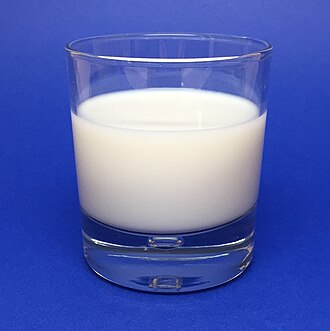
Photo: Wikipedia
This is 2% reduced-fat milk, a staple dairy beverage with a clean, slightly creamy taste and a smooth, pourable texture. It strikes a balance between the richness of whole milk and the lightness of skim, offering a moderate 50 calories per 100g. Fortified with vitamins A and D, it's a practical, everyday source of protein and calcium.
💚 Why it's loved
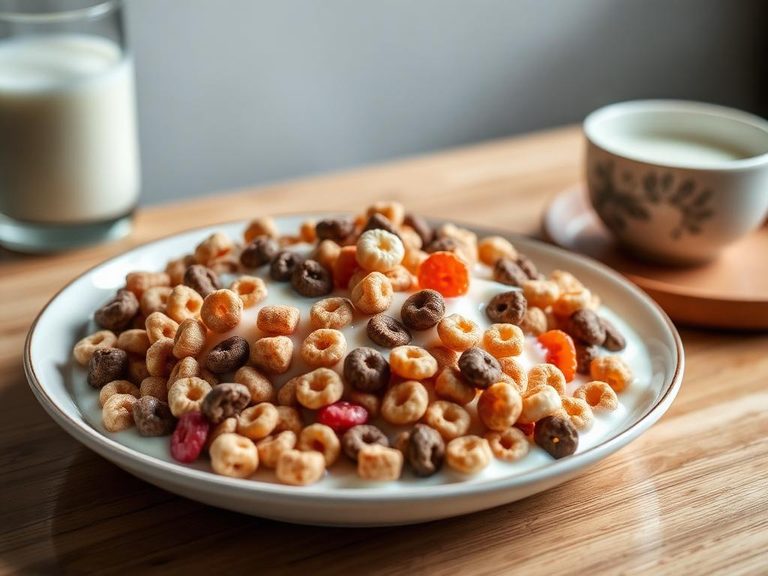
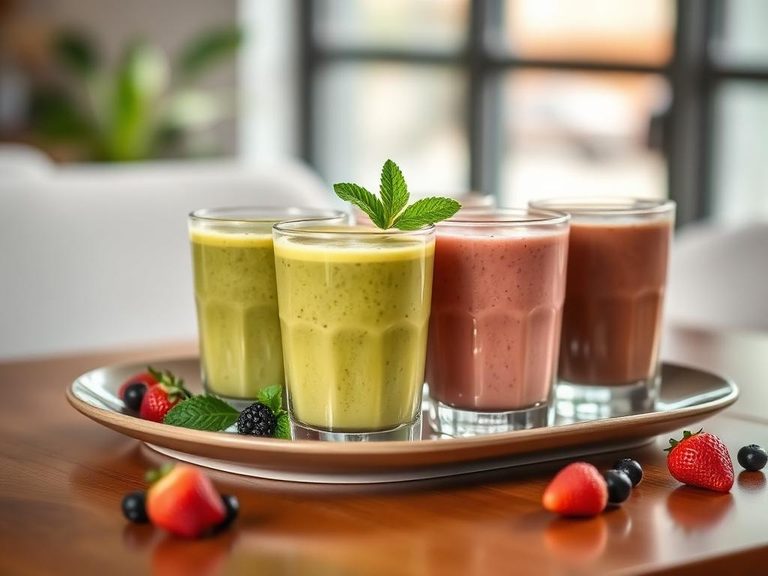
People love it for its familiar, mild dairy sweetness and creamy mouthfeel that isn't heavy. It's incredibly versatile, serving as a base for everything from morning cereal and coffee to smoothies and baked goods.
⚠️ Watch-outs & how to enjoy it better
As a dairy product, it's a common allergen for those with lactose intolerance or milk protein allergies, which can cause digestive upset. Its natural milk sugar (lactose) can also cause blood sugar spikes in sensitive individuals. To mitigate, pair it with high-fiber foods like oats or nuts, or consider lactose-free versions.
Key benefits
- Good source of high-quality protein for muscle maintenance
- Naturally rich in calcium for bone health
- Fortified with Vitamin D to aid calcium absorption
- Lower in saturated fat than whole milk
- Provides essential nutrients like potassium and B12
🍽️ Popular dishes



🌍 Where it's eaten
💡 Did you know?
The '2%' on the label refers to the milkfat by weight, not that it's 2% fat by calories—which is actually closer to 35% of its calories from fat.
Full nutrition (scales with serving)
| Water | 89.2 g |
| Energy | 50.0 kcal |
| Energy | 210 kj |
| Protein | 3.3 g |
| Total lipid (fat) | 2.0 g |
| Ash | 0.71 g |
| Carbohydrate, by difference | 4.8 g |
| Fiber, total dietary | 0.00 g |
| Total Sugars | 5.1 g |
| Sucrose | 0.01 g |
| Glucose | 0.01 g |
| Fructose | 0.01 g |
| Lactose | 5.0 g |
| Maltose | 0.01 g |
| Galactose | 0.02 g |
| Calcium, Ca | 120 mg |
| Iron, Fe | 0.02 mg |
| Magnesium, Mg | 11.0 mg |
| Phosphorus, P | 92.0 mg |
| Potassium, K | 140 mg |
| Sodium, Na | 47.0 mg |
| Zinc, Zn | 0.48 mg |
| Copper, Cu | 0.01 mg |
| Manganese, Mn | 0.01 mg |
| Selenium, Se | 2.5 ug |
| Fluoride, F | 3.4 ug |
| Vitamin C, total ascorbic acid | 0.20 mg |
| Thiamin | 0.04 mg |
| Riboflavin | 0.18 mg |
| Niacin | 0.09 mg |
| Pantothenic acid | 0.36 mg |
| Vitamin B-6 | 0.04 mg |
| Folate, total | 5.0 ug |
| Folic acid | 0.00 ug |
| Folate, food | 5.0 ug |
| Folate, DFE | 5.0 ug |
| Choline, total | 16.4 mg |
| Betaine | 0.90 mg |
| Vitamin B-12 | 0.53 ug |
| Vitamin B-12, added | 0.00 ug |
| Vitamin A, RAE | 55.0 ug |
| Retinol | 55.0 ug |
| Carotene, beta | 4.0 ug |
| Carotene, alpha | 0.00 ug |
| Cryptoxanthin, beta | 0.00 ug |
| Vitamin A, IU | 190 iu |
| Lycopene | 0.00 ug |
| Lutein + zeaxanthin | 0.00 ug |
| Vitamin E (alpha-tocopherol) | 0.03 mg |
| Vitamin E, added | 0.00 mg |
| Tocopherol, beta | 0.00 mg |
| Tocopherol, gamma | 0.00 mg |
| Tocopherol, delta | 0.00 mg |
| Tocotrienol, alpha | 0.00 mg |
| Tocotrienol, beta | 0.00 mg |
| Tocotrienol, gamma | 0.00 mg |
| Tocotrienol, delta | 0.00 mg |
| Vitamin D (D2 + D3), International Units | 49.0 iu |
| Vitamin D (D2 + D3) | 1.2 ug |
| Vitamin D3 (cholecalciferol) | 1.2 ug |
| Vitamin K (phylloquinone) | 0.20 ug |
| Vitamin K (Dihydrophylloquinone) | 0.00 ug |
| Fatty acids, total saturated | 1.3 g |
| SFA 4:0 | 0.08 g |
| SFA 6:0 | 0.04 g |
| SFA 8:0 | 0.02 g |
| SFA 10:0 | 0.05 g |
| SFA 12:0 | 0.06 g |
| SFA 13:0 | 0.00 g |
| SFA 14:0 | 0.17 g |
| SFA 15:0 | 0.02 g |
| SFA 16:0 | 0.56 g |
| SFA 17:0 | 0.01 g |
| SFA 18:0 | 0.24 g |
| SFA 20:0 | 0.00 g |
| SFA 22:0 | 0.00 g |
| Fatty acids, total monounsaturated | 0.56 g |
| MUFA 14:1 | 0.01 g |
| MUFA 15:1 | 0.00 g |
| MUFA 16:1 | 0.03 g |
| MUFA 16:1 c | 0.03 g |
| MUFA 17:1 | 0.01 g |
| MUFA 18:1 | 0.51 g |
| MUFA 18:1 c | 0.43 g |
| MUFA 20:1 | 0.00 g |
| MUFA 22:1 | 0.00 g |
| Fatty acids, total polyunsaturated | 0.07 g |
| PUFA 18:2 | 0.06 g |
| PUFA 18:2 n-6 c,c | 0.06 g |
| PUFA 18:2 i | 0.01 g |
| PUFA 18:3 | 0.01 g |
| PUFA 18:3 n-3 c,c,c (ALA) | 0.01 g |
| PUFA 18:4 | 0.00 g |
| PUFA 20:3 | 0.00 g |
| PUFA 20:4 | 0.00 g |
| PUFA 20:5 n-3 (EPA) | 0.00 g |
| PUFA 22:5 n-3 (DPA) | 0.00 g |
| PUFA 22:6 n-3 (DHA) | 0.00 g |
| Fatty acids, total trans | 0.09 g |
| Fatty acids, total trans-monoenoic | 0.08 g |
| TFA 18:1 t | 0.08 g |
| Fatty acids, total trans-polyenoic | 0.01 g |
| Cholesterol | 8.0 mg |
| Stigmasterol | 0.00 mg |
| Campesterol | 0.00 mg |
| Beta-sitosterol | 0.00 mg |
| Tryptophan | 0.04 g |
| Threonine | 0.14 g |
| Isoleucine | 0.17 g |
| Leucine | 0.31 g |
| Lysine | 0.28 g |
| Methionine | 0.09 g |
| Cystine | 0.02 g |
| Phenylalanine | 0.17 g |
| Tyrosine | 0.17 g |
| Valine | 0.22 g |
| Arginine | 0.09 g |
| Histidine | 0.10 g |
| Alanine | 0.11 g |
| Aspartic acid | 0.28 g |
| Glutamic acid | 0.74 g |
| Glycine | 0.07 g |
| Proline | 0.33 g |
| Serine | 0.20 g |
| Hydroxyproline | 0.00 g |
| Alcohol, ethyl | 0.00 g |
| Caffeine | 0.00 mg |
| Theobromine | 0.00 mg |
FAQ
How does 2% milk differ from whole and skim milk?
Whole milk has about 3.25% milkfat, 2% milk has 2% milkfat by weight, and skim (fat-free) milk has less than 0.5% milkfat. This means 2% has less fat and calories than whole milk but more than skim, while retaining a creamier taste than skim.
Is the added Vitamin A and D important?
Yes. Vitamin D is crucial for calcium absorption and bone health, while Vitamin A supports vision and immune function. Since the fat removal process can strip away natural fat-soluble vitamins, fortification ensures the milk remains a nutrient-dense choice.
Can I use 2% milk for baking and cooking?
Absolutely. It's a very common all-purpose milk for recipes like cakes, muffins, and creamy sauces. It provides moisture and richness without the heavier fat content of whole milk, though it may yield a slightly less tender result in some delicate baked goods.