

Fast Foods, Fried Chicken, Thigh, meat only, skin and breading removed
Whole food · Fast Foods

Photo: Wikipedia
This is the lean, juicy interior of a fried chicken thigh, a protein powerhouse with a tender, slightly chewy texture and a rich, savory flavor that's less fatty than the skin-on version. With nearly 23 grams of protein and minimal carbs per 100g, it's a staple for those seeking a satisfying, low-carb meal without the added crunch and calories of breading and skin.
Calorie split: 52% protein · 1% carbs · 47% fat
↓ Full nutrition💚 Why it's loved
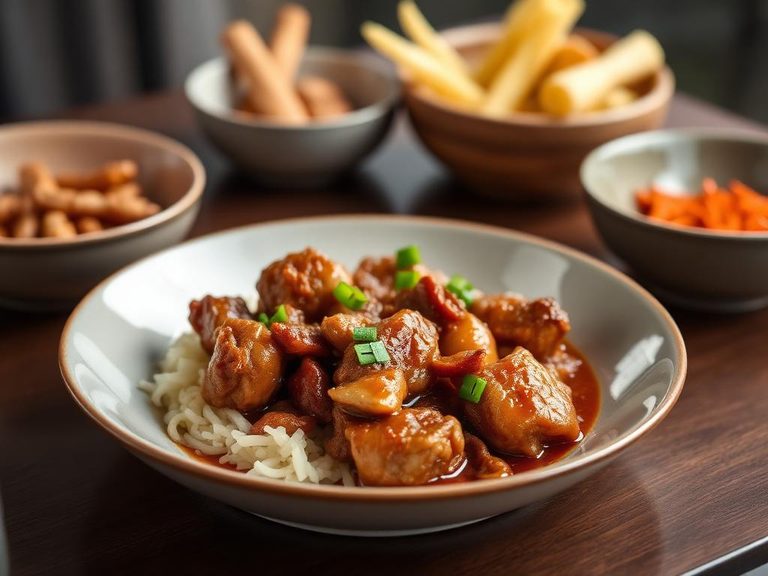
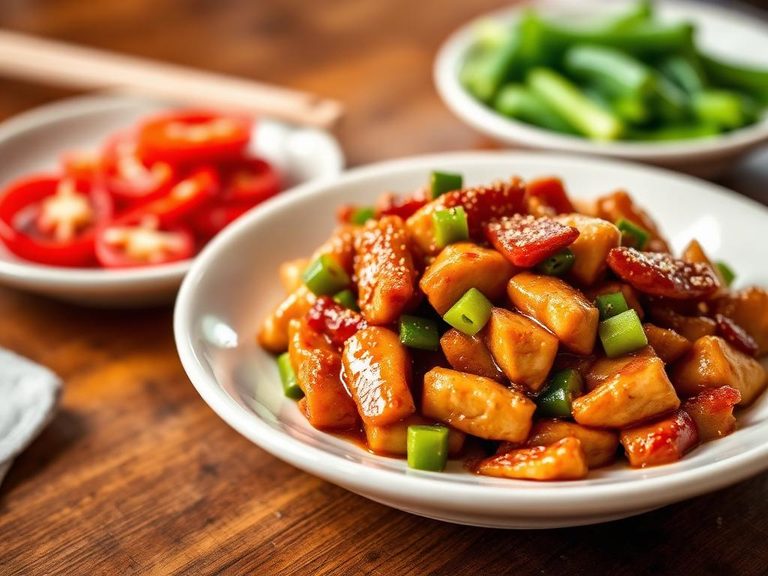
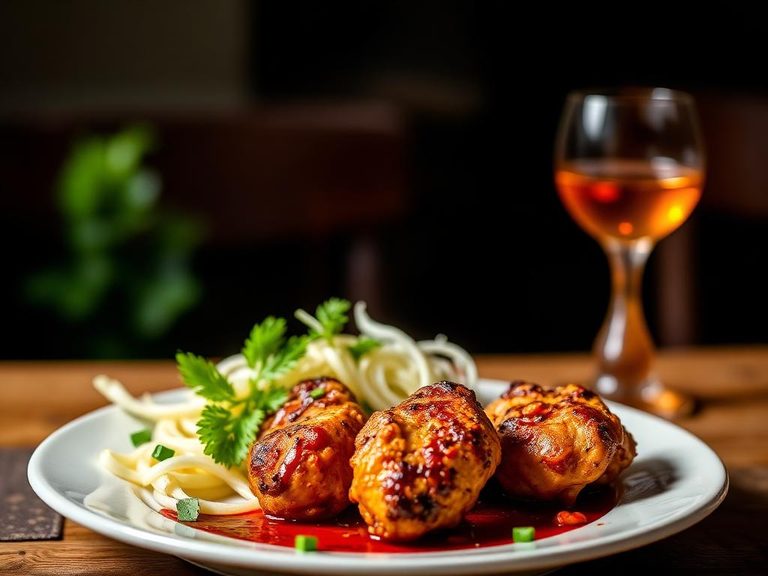
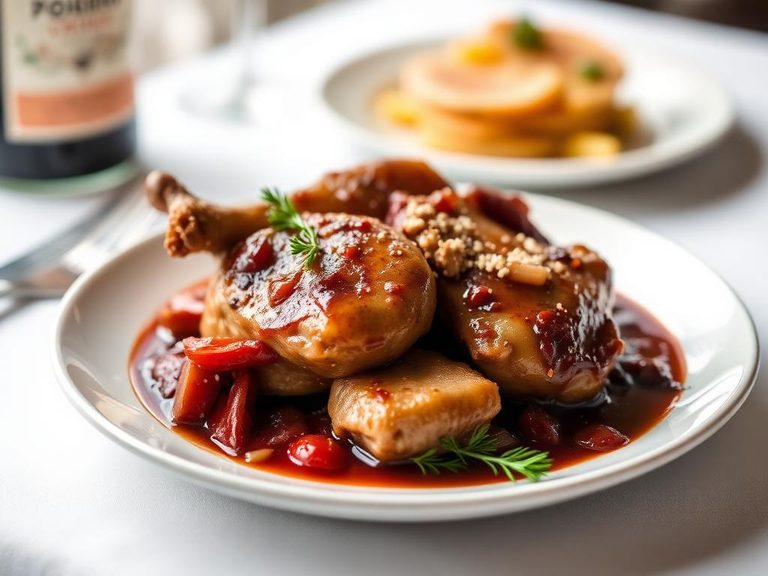
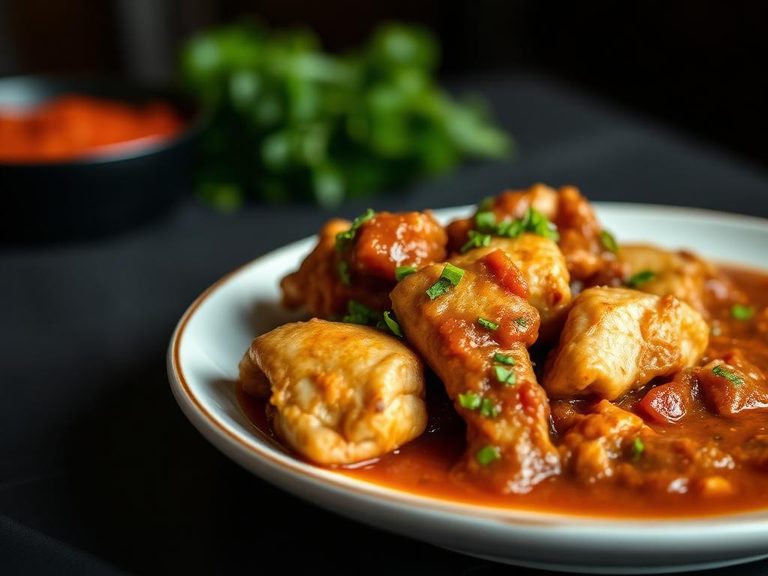
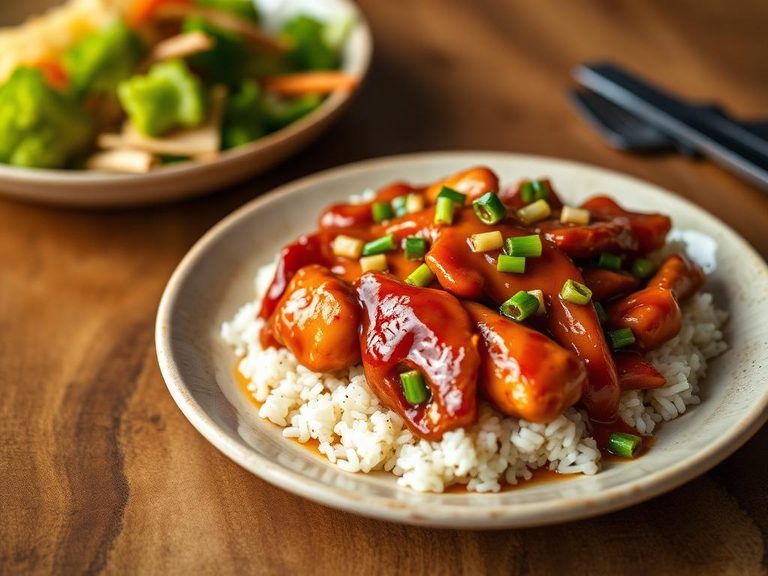
People adore it for its perfect balance of deep, savory flavor and tender, juicy texture that's more flavorful than breast meat. It's a culinary chameleon, equally at home in a spicy Korean stir-fry, a comforting American pot pie, or a simple grilled skewer.
⚠️ Watch-outs & how to enjoy it better
Without the skin and breading, it can sometimes be perceived as less flavorful or slightly drier if overcooked. Those monitoring sodium intake should be cautious, as restaurant or pre-cooked versions are often heavily seasoned. To counteract dryness, try marinating in acidic ingredients like buttermilk or yogurt, or using moist-heat cooking methods like braising. For sodium, choose unseasoned meat and flavor it yourself with herbs and spices.
Key benefits
- Excellent source of complete protein for muscle maintenance and satiety.
- Very low in carbohydrates, suitable for low-carb and ketogenic diets.
- Provides essential nutrients like iron, zinc, and B vitamins (especially niacin and B6).
- Offers a rich, savory flavor that can make healthy eating more enjoyable.
- Versatile base for countless global cuisines and meal-prep options.
🍽️ Popular dishes
🌍 Where it's eaten
💡 Did you know?
The thigh meat's slightly higher fat content compared to breast meat isn't just for flavor—it helps the meat stay moist and tender during high-heat cooking methods like frying, which is why it's often the preferred cut for dishes like Korean fried chicken.
Full nutrition (USDA data · scales with serving)
| Water | 65.0 g |
| Energy | 178 kcal |
| Energy | 747 kj |
| Protein | 23.2 g |
| Total lipid (fat) | 9.4 g |
| Ash | 2.2 g |
| Carbohydrate, by difference | 0.24 g |
| Fiber, total dietary | 0.00 g |
| Total Sugars | 0.00 g |
| Calcium, Ca | 24.0 mg |
| Iron, Fe | 0.91 mg |
| Magnesium, Mg | 21.0 mg |
| Phosphorus, P | 206 mg |
| Potassium, K | 248 mg |
| Sodium, Na | 577 mg |
| Zinc, Zn | 1.9 mg |
| Copper, Cu | 0.09 mg |
| Manganese, Mn | 0.05 mg |
| Selenium, Se | 30.2 ug |
| Vitamin C, total ascorbic acid | 0.00 mg |
| Thiamin | 0.10 mg |
| Riboflavin | 0.34 mg |
| Niacin | 5.7 mg |
| Pantothenic acid | 1.2 mg |
| Vitamin B-6 | 0.20 mg |
| Folate, total | 12.0 ug |
| Folic acid | 0.00 ug |
| Folate, food | 12.0 ug |
| Folate, DFE | 12.0 ug |
| Choline, total | 117 mg |
| Betaine | 12.7 mg |
| Vitamin B-12 | 0.50 ug |
| Vitamin B-12, added | 0.00 ug |
| Vitamin A, RAE | 12.0 ug |
| Retinol | 12.0 ug |
| Carotene, beta | 0.00 ug |
| Carotene, alpha | 0.00 ug |
| Cryptoxanthin, beta | 0.00 ug |
| Vitamin A, IU | 40.0 iu |
| Lycopene | 0.00 ug |
| Lutein + zeaxanthin | 0.00 ug |
| Vitamin E (alpha-tocopherol) | 0.37 mg |
| Vitamin E, added | 0.00 mg |
| Tocopherol, beta | 0.00 mg |
| Tocopherol, gamma | 0.17 mg |
| Tocopherol, delta | 0.00 mg |
| Tocotrienol, alpha | 0.00 mg |
| Tocotrienol, beta | 0.02 mg |
| Tocotrienol, gamma | 0.00 mg |
| Tocotrienol, delta | 0.00 mg |
| Vitamin D (D2 + D3), International Units | 8.0 iu |
| Vitamin D (D2 + D3) | 0.20 ug |
| Vitamin K (phylloquinone) | 0.00 ug |
| Alcohol, ethyl | 0.00 g |
| Caffeine | 0.00 mg |
| Theobromine | 0.00 mg |
Fat & fatty acid profile (per 100g)
| Fatty acids, total saturated | 2.5 g |
| SFA 4:0 | 0.00 g |
| SFA 6:0 | 0.00 g |
| SFA 8:0 | 0.00 g |
| SFA 10:0 | 0.00 g |
| SFA 12:0 | 0.00 g |
| SFA 14:0 | 0.05 g |
| SFA 15:0 | 0.01 g |
| SFA 16:0 | 1.8 g |
| SFA 17:0 | 0.01 g |
| SFA 18:0 | 0.56 g |
| SFA 20:0 | 0.01 g |
| SFA 22:0 | 0.01 g |
| SFA 24:0 | 0.00 g |
| Fatty acids, total monounsaturated | 3.9 g |
| MUFA 14:1 | 0.02 g |
| MUFA 15:1 | 0.00 g |
| MUFA 16:1 | 0.49 g |
| MUFA 16:1 c | 0.48 g |
| MUFA 17:1 | 0.01 g |
| MUFA 18:1 | 3.3 g |
| MUFA 18:1 c | 3.3 g |
| MUFA 20:1 | 0.06 g |
| MUFA 22:1 | 0.00 g |
| MUFA 22:1 c | 0.00 g |
| MUFA 24:1 c | 0.01 g |
| Fatty acids, total polyunsaturated | 1.5 g |
| PUFA 18:2 | 1.3 g |
| PUFA 18:2 n-6 c,c | 1.3 g |
| PUFA 18:2 CLAs | 0.01 g |
| PUFA 18:3 | 0.10 g |
| PUFA 18:3 n-3 c,c,c (ALA) | 0.09 g |
| PUFA 18:3 n-6 c,c,c | 0.00 g |
| PUFA 18:3i | 0.00 g |
| PUFA 18:4 | 0.00 g |
| PUFA 20:2 n-6 c,c | 0.01 g |
| PUFA 20:3 | 0.02 g |
| PUFA 20:3 n-3 | 0.00 g |
| PUFA 20:3 n-6 | 0.02 g |
| PUFA 20:4 | 0.07 g |
| PUFA 20:5 n-3 (EPA) | 0.00 g |
| PUFA 22:4 | 0.02 g |
| PUFA 22:5 n-3 (DPA) | 0.01 g |
| PUFA 22:6 n-3 (DHA) | 0.00 g |
| Fatty acids, total trans | 0.06 g |
| Fatty acids, total trans-monoenoic | 0.05 g |
| TFA 16:1 t | 0.00 g |
| TFA 18:1 t | 0.04 g |
| TFA 22:1 t | 0.00 g |
| TFA 18:2 t not further defined | 0.01 g |
| Fatty acids, total trans-polyenoic | 0.01 g |
| Cholesterol | 125 mg |
Amino acid profile (per 100g)
Estimated from Fast foods, english muffin, with egg, cheese, and sausage — USDA does not publish this profile for Fast Foods.
| Tryptophan | 0.16 g |
| Threonine | 0.52 g |
| Isoleucine | 0.54 g |
| Leucine | 0.98 g |
| Lysine | 0.75 g |
| Methionine | 0.29 g |
| Cystine | 0.20 g |
| Phenylalanine | 0.59 g |
| Tyrosine | 0.41 g |
| Valine | 0.65 g |
| Arginine | 0.65 g |
| Histidine | 0.33 g |
| Alanine | 0.60 g |
| Aspartic acid | 1.1 g |
| Glutamic acid | 2.5 g |
| Glycine | 0.54 g |
| Proline | 0.90 g |
| Serine | 0.70 g |
FAQ
Is fried chicken thigh meat healthy without the skin?
Yes, removing the skin and breading significantly reduces the fat and calorie content, making it a lean, high-protein option. The meat itself is a good source of nutrients like iron and B vitamins.
How do I keep boneless, skinless chicken thigh meat from getting dry?
Avoid overcooking! Thigh meat is forgiving but can dry out. Marinating, brining, or using a meat thermometer (target 165°F/74°C) helps. It's also excellent when braised or stewed, where moisture is added.
What's the difference between thigh meat and breast meat nutritionally?
Thigh meat has slightly more fat and calories but also more iron and zinc. It's often considered more flavorful and moist. Breast meat is leaner with a bit more protein per gram.
Nutrient density (calculated · NRF9.3)
Nutrient Rich Foods index: beneficial nutrients (protein, fiber, vitamins, minerals) minus saturated fat, added sugar & sodium, per 100 kcal.
NRF9.3 index — Fulgoni, Keast & Drewnowski, 2009. Computed from USDA nutrients.
Weight-loss friendliness (composite index)
Energy density 1.78 kcal/g · 52% calories from protein · 0.0 g fiber · 0.0 g sugar per 100 g.
Composite of energy density (Rolls et al., 1999), protein & fiber satiety, minus sugar. A calculated heuristic — ranks satiety-per-calorie, not a clinical measure.
Dietary load (calculated from USDA values)
Potential renal acid load. Positive = acid-forming, negative = alkaline-forming.
Sodium-to-potassium ratio: 2.33 (lower is better — aim for ≤ 1)
Sodium:potassium per WHO potassium guidance. Computed from USDA nutrients.