

Salad dressing, coleslaw
Whole food · Fats and Oils

Photo: Wikipedia
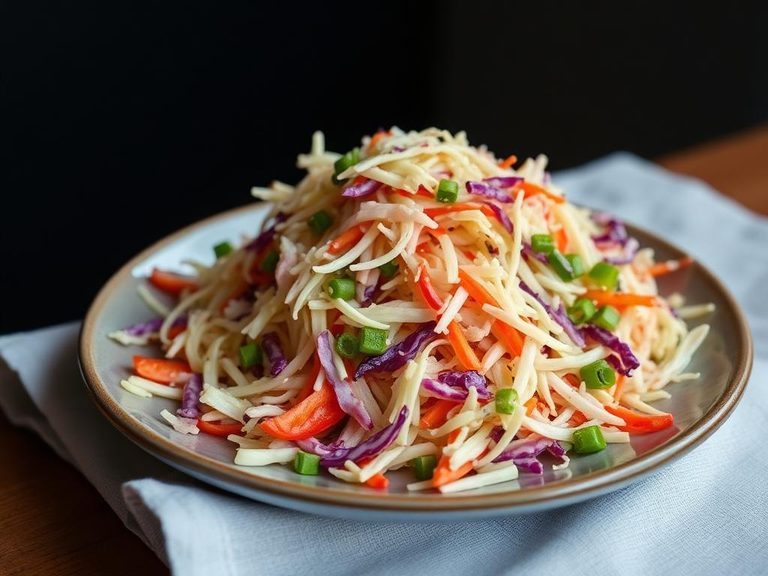
Coleslaw dressing is the creamy, tangy backbone of classic coleslaw, typically a rich emulsion of mayonnaise, vinegar, and sugar. It delivers a smooth, velvety texture with a sweet-and-sour punch that coats shredded cabbage and carrots. Nutritionally, it's a high-fat, high-sugar condiment, with nearly all its calories coming from fat and added sugar.
Calorie split: 1% protein · 22% carbs · 77% fat
↓ Full nutrition💚 Why it's loved
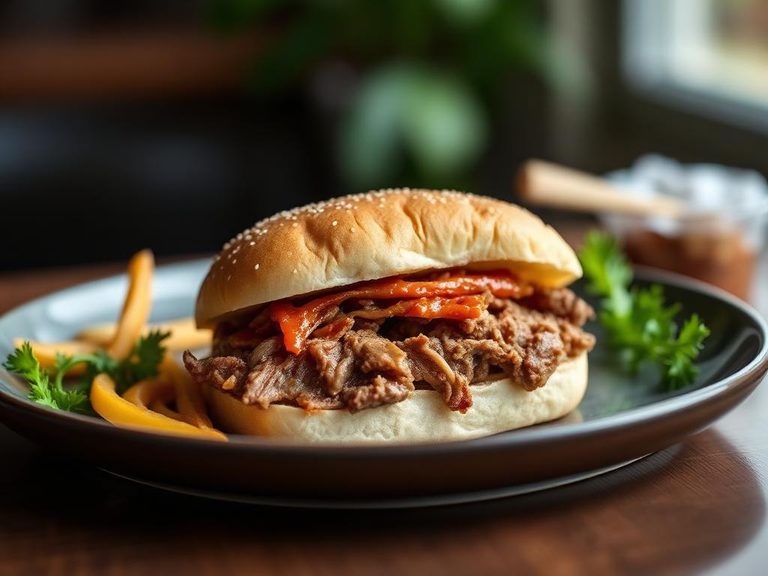
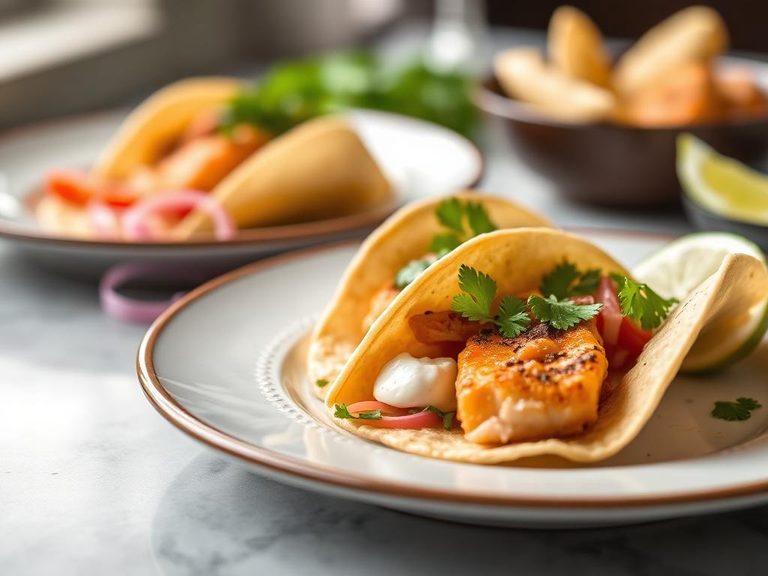
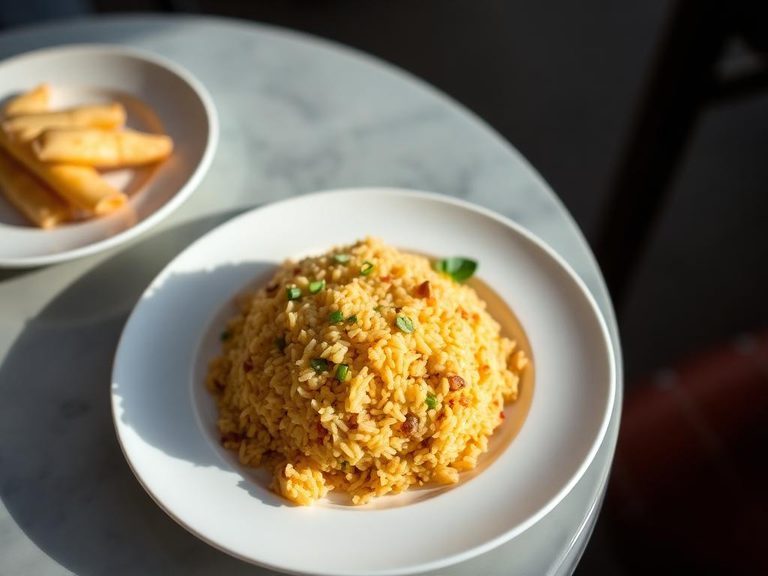
People adore it for its perfect balance of creamy richness and sharp tang, which transforms simple raw cabbage into a craveable side. Its versatility makes it a beloved companion to everything from fried chicken and pulled pork sandwiches to fish tacos and barbecue platters.
⚠️ Watch-outs & how to enjoy it better
Its high fat and sugar content can contribute to blood-sugar spikes and excess calorie intake if used liberally. To counteract this, practice strict portion control (1-2 tablespoons per serving), pair it with lean protein or fiber-rich foods to slow sugar absorption, or look for reduced-sugar or vinegar-based versions.
Key benefits
- Provides quick energy from carbohydrates
- Contains fat-soluble vitamins (like vitamin K from mayonnaise)
- Enhances the palatability of fiber-rich vegetables
- A small amount can make a large vegetable salad more satisfying
🍽️ Popular dishes

🌍 Where it's eaten
💡 Did you know?
The word 'coleslaw' comes from the Dutch 'koolsla,' meaning 'cabbage salad,' and early versions were often dressed with just vinegar and oil, not the mayonnaise-based creaminess we know today.
Full nutrition (USDA data · scales with serving)
| Water | 39.9 g |
| Energy | 404 kcal |
| Energy | 1689 kj |
| Protein | 0.85 g |
| Total lipid (fat) | 34.5 g |
| Ash | 2.4 g |
| Carbohydrate, by difference | 22.4 g |
| Fiber, total dietary | 0.00 g |
| Total Sugars | 21.2 g |
| Sucrose | 10.3 g |
| Glucose | 5.6 g |
| Fructose | 5.2 g |
| Lactose | 0.00 g |
| Maltose | 0.22 g |
| Galactose | 0.00 g |
| Starch | 1.1 g |
| Calcium, Ca | 9.0 mg |
| Iron, Fe | 0.33 mg |
| Magnesium, Mg | 3.0 mg |
| Phosphorus, P | 42.0 mg |
| Potassium, K | 35.0 mg |
| Sodium, Na | 850 mg |
| Zinc, Zn | 0.16 mg |
| Copper, Cu | 0.02 mg |
| Manganese, Mn | 0.02 mg |
| Selenium, Se | 4.8 ug |
| Vitamin C, total ascorbic acid | 0.60 mg |
| Thiamin | 0.03 mg |
| Riboflavin | 0.06 mg |
| Niacin | 0.06 mg |
| Pantothenic acid | 0.12 mg |
| Vitamin B-6 | 0.01 mg |
| Folate, total | 4.0 ug |
| Folic acid | 0.00 ug |
| Folate, food | 4.0 ug |
| Folate, DFE | 4.0 ug |
| Choline, total | 14.6 mg |
| Vitamin B-12 | 0.09 ug |
| Vitamin B-12, added | 0.00 ug |
| Vitamin A, RAE | 17.0 ug |
| Retinol | 16.0 ug |
| Carotene, beta | 4.0 ug |
| Carotene, alpha | 2.0 ug |
| Cryptoxanthin, beta | 1.0 ug |
| Vitamin A, IU | 63.0 iu |
| Lycopene | 0.00 ug |
| Lutein + zeaxanthin | 48.0 ug |
| Vitamin E (alpha-tocopherol) | 3.1 mg |
| Vitamin E, added | 0.00 mg |
| Vitamin D (D2 + D3), International Units | 0.00 iu |
| Vitamin D (D2 + D3) | 0.00 ug |
| Vitamin K (phylloquinone) | 66.1 ug |
| Vitamin K (Dihydrophylloquinone) | 0.00 ug |
| Vitamin K (Menaquinone-4) | 0.00 ug |
| Alcohol, ethyl | 0.00 g |
| Caffeine | 0.00 mg |
| Theobromine | 0.00 mg |
Fat & fatty acid profile (per 100g)
| Fatty acids, total saturated | 5.3 g |
| SFA 4:0 | 0.01 g |
| SFA 6:0 | 0.00 g |
| SFA 8:0 | 0.03 g |
| SFA 10:0 | 0.01 g |
| SFA 12:0 | 0.01 g |
| SFA 14:0 | 0.03 g |
| SFA 15:0 | 0.01 g |
| SFA 16:0 | 3.6 g |
| SFA 17:0 | 0.03 g |
| SFA 18:0 | 1.4 g |
| SFA 20:0 | 0.10 g |
| SFA 22:0 | 0.10 g |
| SFA 24:0 | 0.04 g |
| Fatty acids, total monounsaturated | 7.4 g |
| MUFA 14:1 | 0.00 g |
| MUFA 15:1 | 0.00 g |
| MUFA 16:1 | 0.04 g |
| MUFA 16:1 c | 0.04 g |
| MUFA 17:1 | 0.02 g |
| MUFA 18:1 | 7.1 g |
| MUFA 18:1 c | 7.1 g |
| MUFA 20:1 | 0.18 g |
| MUFA 22:1 | 0.07 g |
| MUFA 22:1 c | 0.06 g |
| MUFA 24:1 c | 0.00 g |
| Fatty acids, total polyunsaturated | 19.4 g |
| PUFA 18:2 | 16.8 g |
| PUFA 18:2 n-6 c,c | 16.7 g |
| PUFA 18:2 CLAs | 0.01 g |
| PUFA 18:3 | 2.6 g |
| PUFA 18:3 n-3 c,c,c (ALA) | 2.5 g |
| PUFA 18:3 n-6 c,c,c | 0.09 g |
| PUFA 18:3i | 0.00 g |
| PUFA 18:4 | 0.00 g |
| PUFA 20:2 n-6 c,c | 0.01 g |
| PUFA 20:3 | 0.00 g |
| PUFA 20:3 n-3 | 0.00 g |
| PUFA 20:3 n-6 | 0.00 g |
| PUFA 20:4 | 0.02 g |
| PUFA 20:5 n-3 (EPA) | 0.00 g |
| PUFA 22:4 | 0.00 g |
| PUFA 22:5 n-3 (DPA) | 0.00 g |
| PUFA 22:6 n-3 (DHA) | 0.01 g |
| Fatty acids, total trans | 0.09 g |
| Fatty acids, total trans-monoenoic | 0.03 g |
| TFA 16:1 t | 0.00 g |
| TFA 18:1 t | 0.02 g |
| TFA 22:1 t | 0.01 g |
| TFA 18:2 t not further defined | 0.06 g |
| Fatty acids, total trans-polyenoic | 0.06 g |
| Cholesterol | 41.0 mg |
Amino acid profile (per 100g)
Estimated from Salad dressing, sesame seed dressing, regular — USDA does not publish this profile for Salad dressing.
| Tryptophan | 0.05 g |
| Threonine | 0.05 g |
| Isoleucine | 0.05 g |
| Leucine | 0.08 g |
| Lysine | 0.14 g |
| Methionine | 0.03 g |
| Cystine | 0.00 g |
| Phenylalanine | 0.09 g |
| Tyrosine | 0.10 g |
| Valine | 0.07 g |
| Arginine | 0.40 g |
| Histidine | 0.03 g |
| Alanine | 0.00 g |
| Aspartic acid | 0.00 g |
| Glutamic acid | 0.46 g |
| Glycine | 0.00 g |
| Proline | 0.00 g |
| Serine | 0.00 g |
FAQ
Is coleslaw dressing the same as mayonnaise?
No. Coleslaw dressing is a prepared sauce that uses mayonnaise as a base, but it's thinned and flavored with vinegar, sugar, and often mustard or celery seed.
Can I make a healthier version at home?
Yes. You can use Greek yogurt or a mix of yogurt and light mayo as the base, reduce the sugar, and use apple cider vinegar for a tangy kick with fewer calories.
Why does my coleslaw get watery?
The salt in the dressing draws moisture from the cabbage. To prevent this, salt and drain the shredded cabbage for 30 minutes before mixing, or dress the slaw just before serving.
Nutrient density (calculated · NRF9.3)
Nutrient Rich Foods index: beneficial nutrients (protein, fiber, vitamins, minerals) minus saturated fat, added sugar & sodium, per 100 kcal.
NRF9.3 index — Fulgoni, Keast & Drewnowski, 2009. Computed from USDA nutrients.
Weight-loss friendliness (composite index)
Energy density 4.04 kcal/g · 1% calories from protein · 0.0 g fiber · 21.2 g sugar per 100 g.
Composite of energy density (Rolls et al., 1999), protein & fiber satiety, minus sugar. A calculated heuristic — ranks satiety-per-calorie, not a clinical measure.
Dietary load (calculated from USDA values)
Potential renal acid load. Positive = acid-forming, negative = alkaline-forming.
Sodium-to-potassium ratio: 24.29 (lower is better — aim for ≤ 1)
Sodium:potassium per WHO potassium guidance. Computed from USDA nutrients.