

Pasta, cooked, enriched, without added salt
Whole food · Cereal Grains and Pasta
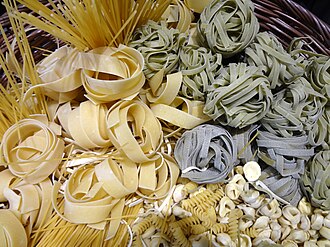
Photo: Wikipedia
Cooked enriched pasta is a tender, neutral-flavored staple made from wheat flour, water, and often egg, with a smooth, slightly chewy texture that serves as a perfect canvas for sauces and seasonings. Nutritionally, it's a solid source of carbohydrates for energy, providing about 31g of carbs and nearly 6g of protein per 100g, with minimal fat. Its enrichment process adds back B vitamins and iron, making it a more nutrient-dense choice than its unenriched counterpart.
Calorie split: 15% protein · 80% carbs · 5% fat
↓ Full nutrition💚 Why it's loved
People adore cooked pasta for its incredible versatility and comforting, neutral taste that absorbs flavors from any sauce, from rich ragù to simple olive oil and garlic. It's a cultural cornerstone, especially in Italian cuisine, and evokes feelings of home, family, and shared meals.
⚠️ Watch-outs & how to enjoy it better
As a refined carbohydrate, it can cause blood sugar spikes, especially for those with insulin resistance or diabetes, and is a common gluten allergen. To counteract this, pair it with protein (like chicken or beans) and healthy fats (like olive oil or nuts) to slow digestion, and choose portion sizes around 1 cup cooked (about 150g). For those with gluten sensitivity, opt for certified gluten-free pasta made from rice, corn, or legumes.
Key benefits
- Provides quick, sustained energy from complex carbohydrates.
- Enriched with B vitamins (like thiamin, niacin, folic acid) and iron to support metabolism and prevent deficiencies.
- Low in fat and naturally cholesterol-free.
- Versatile base for balanced meals when paired with protein and vegetables.
- Contains some dietary fiber (1.8g per 100g) to aid digestion.
🍽️ Popular dishes
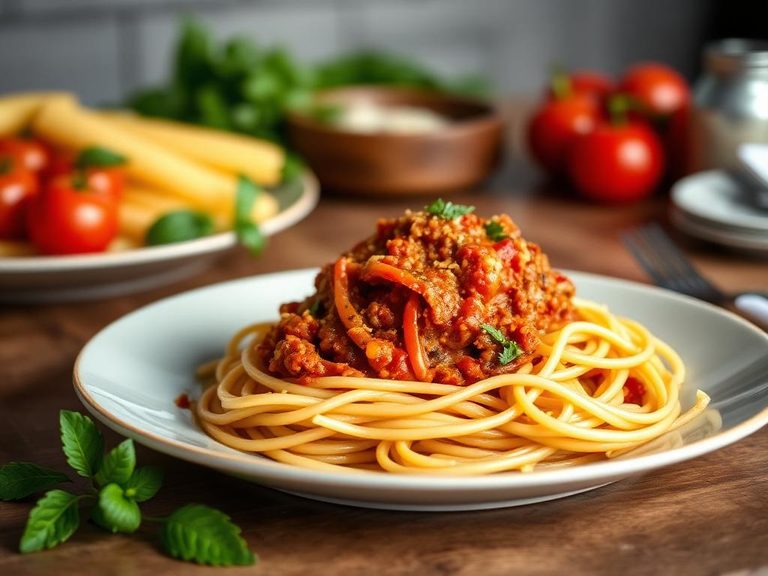
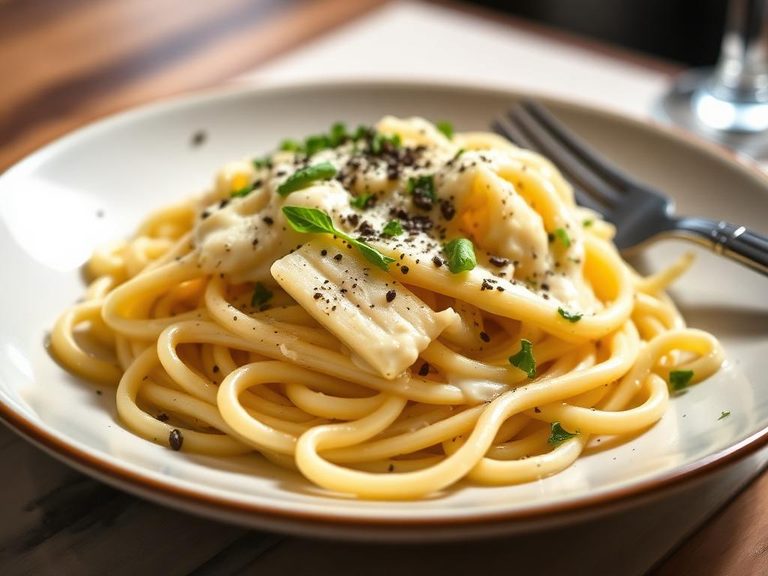
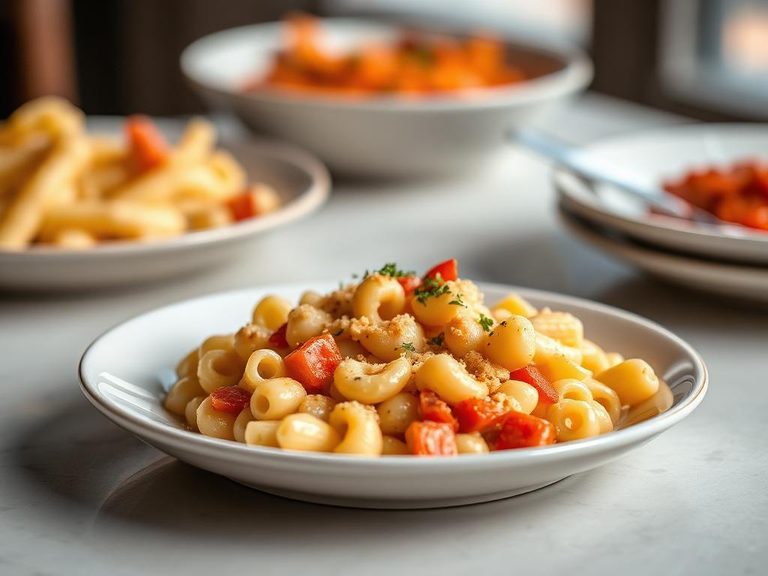
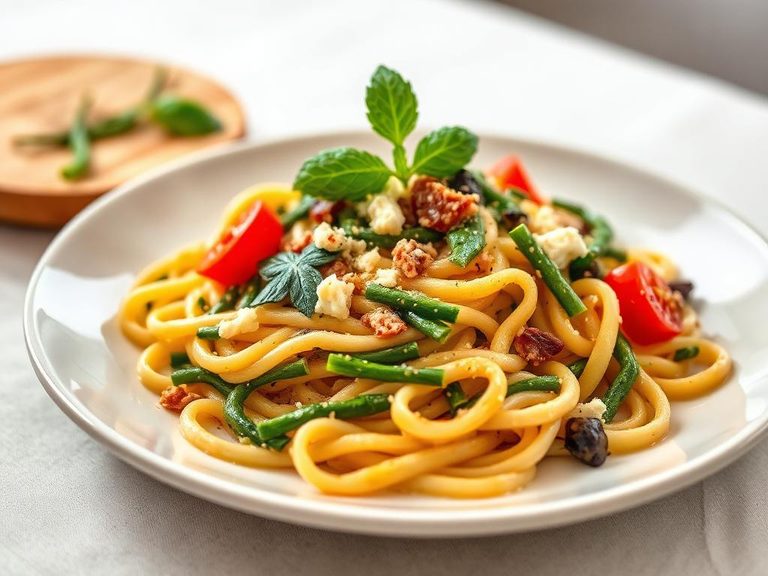
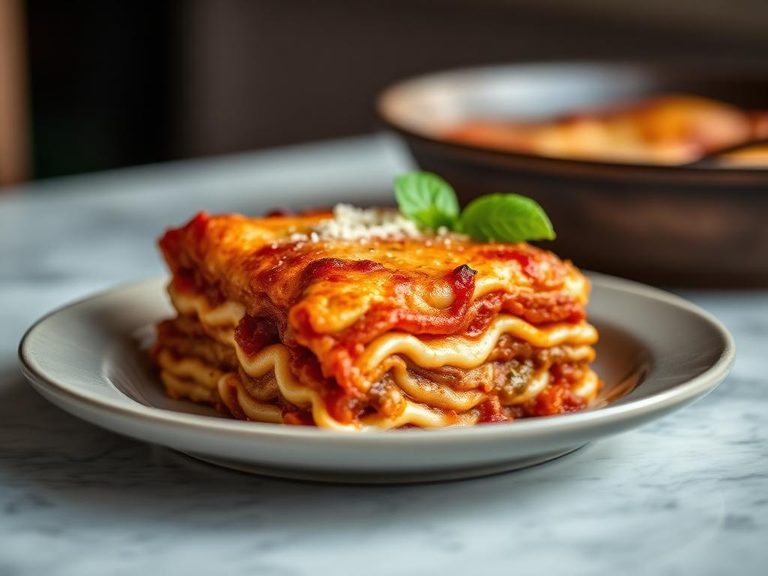
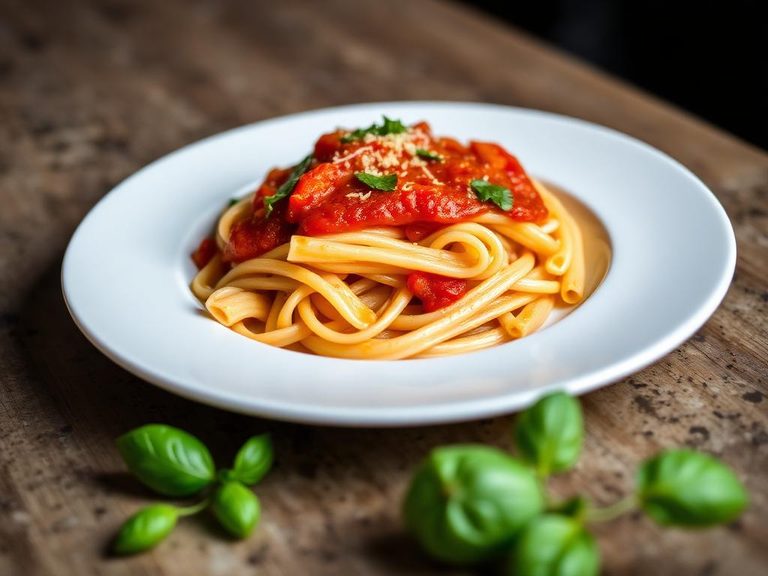
🌍 Where it's eaten
💡 Did you know?
The word 'pasta' comes from the Italian word for 'dough,' and the first known pasta-like food was actually a hard, dry sheet that required boiling, invented in China around 2000 BCE—centuries before it became an Italian icon.
Full nutrition (USDA data · scales with serving)
| Water | 62.1 g |
| Energy | 158 kcal |
| Energy | 660 kj |
| Protein | 5.8 g |
| Total lipid (fat) | 0.93 g |
| Ash | 0.27 g |
| Carbohydrate, by difference | 30.9 g |
| Fiber, total dietary | 1.8 g |
| Total Sugars | 0.56 g |
| Sucrose | 0.09 g |
| Glucose | 0.04 g |
| Fructose | 0.03 g |
| Lactose | 0.00 g |
| Maltose | 0.40 g |
| Galactose | 0.00 g |
| Starch | 26.0 g |
| Calcium, Ca | 7.0 mg |
| Iron, Fe | 1.3 mg |
| Magnesium, Mg | 18.0 mg |
| Phosphorus, P | 58.0 mg |
| Potassium, K | 44.0 mg |
| Sodium, Na | 1.0 mg |
| Zinc, Zn | 0.51 mg |
| Copper, Cu | 0.10 mg |
| Manganese, Mn | 0.32 mg |
| Selenium, Se | 26.4 ug |
| Fluoride, F | 7.0 ug |
| Vitamin C, total ascorbic acid | 0.00 mg |
| Thiamin | 0.27 mg |
| Riboflavin | 0.14 mg |
| Niacin | 1.7 mg |
| Pantothenic acid | 0.11 mg |
| Vitamin B-6 | 0.05 mg |
| Folate, total | 73.0 ug |
| Folic acid | 66.0 ug |
| Folate, food | 7.0 ug |
| Folate, DFE | 119 ug |
| Choline, total | 6.4 mg |
| Betaine | 68.0 mg |
| Vitamin B-12 | 0.00 ug |
| Vitamin B-12, added | 0.00 ug |
| Vitamin A, RAE | 0.00 ug |
| Retinol | 0.00 ug |
| Carotene, beta | 0.00 ug |
| Carotene, alpha | 0.00 ug |
| Cryptoxanthin, beta | 0.00 ug |
| Vitamin A, IU | 0.00 iu |
| Lycopene | 0.00 ug |
| Lutein + zeaxanthin | 7.0 ug |
| Vitamin E (alpha-tocopherol) | 0.06 mg |
| Vitamin E, added | 0.00 mg |
| Tocopherol, beta | 0.03 mg |
| Tocopherol, gamma | 0.50 mg |
| Tocopherol, delta | 0.00 mg |
| Tocotrienol, alpha | 0.05 mg |
| Tocotrienol, beta | 0.00 mg |
| Tocotrienol, gamma | 0.00 mg |
| Tocotrienol, delta | 0.00 mg |
| Vitamin D (D2 + D3), International Units | 0.00 iu |
| Vitamin D (D2 + D3) | 0.00 ug |
| Vitamin K (phylloquinone) | 0.00 ug |
| Vitamin K (Dihydrophylloquinone) | 0.50 ug |
| Alcohol, ethyl | 0.00 g |
| Caffeine | 0.00 mg |
| Theobromine | 0.00 mg |
Fat & fatty acid profile (per 100g)
| Fatty acids, total saturated | 0.18 g |
| SFA 4:0 | 0.00 g |
| SFA 6:0 | 0.00 g |
| SFA 8:0 | 0.00 g |
| SFA 10:0 | 0.00 g |
| SFA 12:0 | 0.01 g |
| SFA 13:0 | 0.00 g |
| SFA 14:0 | 0.01 g |
| SFA 15:0 | 0.00 g |
| SFA 16:0 | 0.15 g |
| SFA 17:0 | 0.00 g |
| SFA 18:0 | 0.01 g |
| SFA 20:0 | 0.00 g |
| SFA 22:0 | 0.00 g |
| SFA 24:0 | 0.00 g |
| Fatty acids, total monounsaturated | 0.13 g |
| MUFA 14:1 | 0.00 g |
| MUFA 15:1 | 0.00 g |
| MUFA 16:1 | 0.00 g |
| MUFA 17:1 | 0.00 g |
| MUFA 18:1 | 0.13 g |
| MUFA 18:1 c | 0.13 g |
| MUFA 20:1 | 0.00 g |
| MUFA 22:1 | 0.00 g |
| MUFA 24:1 c | 0.00 g |
| Fatty acids, total polyunsaturated | 0.33 g |
| PUFA 18:2 | 0.29 g |
| PUFA 18:3 | 0.02 g |
| PUFA 18:3 n-3 c,c,c (ALA) | 0.02 g |
| PUFA 18:3 n-6 c,c,c | 0.00 g |
| PUFA 18:4 | 0.00 g |
| PUFA 20:2 n-6 c,c | 0.00 g |
| PUFA 20:3 | 0.00 g |
| PUFA 20:4 | 0.00 g |
| PUFA 20:5 n-3 (EPA) | 0.00 g |
| PUFA 22:5 n-3 (DPA) | 0.00 g |
| PUFA 22:6 n-3 (DHA) | 0.00 g |
| Fatty acids, total trans | 0.00 g |
| Fatty acids, total trans-monoenoic | 0.00 g |
| TFA 18:1 t | 0.00 g |
| Cholesterol | 0.00 mg |
Amino acid profile (per 100g)
| Tryptophan | 0.08 g |
| Threonine | 0.20 g |
| Isoleucine | 0.22 g |
| Leucine | 0.43 g |
| Lysine | 0.13 g |
| Methionine | 0.06 g |
| Cystine | 0.11 g |
| Phenylalanine | 0.29 g |
| Tyrosine | 0.11 g |
| Valine | 0.26 g |
| Arginine | 0.21 g |
| Histidine | 0.13 g |
| Alanine | 0.19 g |
| Aspartic acid | 0.27 g |
| Glutamic acid | 2.0 g |
| Glycine | 0.19 g |
| Proline | 0.69 g |
| Serine | 0.27 g |
| Hydroxyproline | 0.00 g |
FAQ
What is the difference between enriched and unenriched pasta?
Enriched pasta has added B vitamins (thiamin, riboflavin, niacin, folic acid) and iron, which are often lost during the milling of wheat. Unenriched pasta lacks these added nutrients but may retain more natural fiber if made from whole wheat.
Is cooked pasta a good source of protein?
It provides a moderate amount of protein (about 5.8g per 100g), but it's not a complete protein on its own. Pairing it with a protein source like meat, beans, or cheese makes it a more balanced meal.
How does cooking affect the nutrition of pasta?
Boiling pasta can leach some water-soluble vitamins (like B vitamins) into the cooking water. To retain nutrients, cook pasta al dente and use the starchy cooking water for sauces, which also helps thicken them.
Nutrient density (calculated · NRF9.3)
Nutrient Rich Foods index: beneficial nutrients (protein, fiber, vitamins, minerals) minus saturated fat, added sugar & sodium, per 100 kcal.
NRF9.3 index — Fulgoni, Keast & Drewnowski, 2009. Computed from USDA nutrients.
Weight-loss friendliness (composite index)
Energy density 1.58 kcal/g · 15% calories from protein · 1.8 g fiber · 0.6 g sugar per 100 g.
Composite of energy density (Rolls et al., 1999), protein & fiber satiety, minus sugar. A calculated heuristic — ranks satiety-per-calorie, not a clinical measure.
Dietary load (calculated from USDA values)
Potential renal acid load. Positive = acid-forming, negative = alkaline-forming.
Sodium-to-potassium ratio: 0.02 (lower is better — aim for ≤ 1)
Sodium:potassium per WHO potassium guidance. Computed from USDA nutrients.