

Rice, white, long grain, unenriched, raw
Whole food · Cereal Grains and Pasta
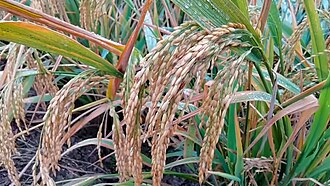
Photo: Wikipedia
Long-grain white rice is a pantry staple, prized for its clean, neutral flavor and light, fluffy texture where each grain remains distinct after cooking. Nutritionally, it is a dense source of quick energy, packing over 80 grams of carbohydrates per 100 grams, making it a powerful fuel source for active lifestyles. Its mild profile acts as a perfect canvas, absorbing the flavors of sauces, spices, and broths in countless cuisines worldwide.
Calorie split: 8% protein · 90% carbs · 3% fat
↓ Full nutrition💚 Why it's loved
People love it for its incredible versatility and ability to complement any dish, from spicy curries to simple stir-fries. Its comforting, starchy quality and cultural significance in family meals and celebrations make it a beloved staple across the globe.
⚠️ Watch-outs & how to enjoy it better
It has a high glycemic index, which can cause rapid blood-sugar spikes if eaten alone, especially for those managing diabetes. To counteract this, pair it with protein (like chicken or beans), healthy fats (like avocado or olive oil), and fiber-rich vegetables to slow digestion and stabilize blood sugar.
Key benefits
- High in complex carbohydrates for sustained energy
- Naturally gluten-free, suitable for celiac diets
- Low in fat and cholesterol-free
- Versatile base for balanced meals with protein and vegetables
- Long shelf life when stored properly
🍽️ Popular dishes
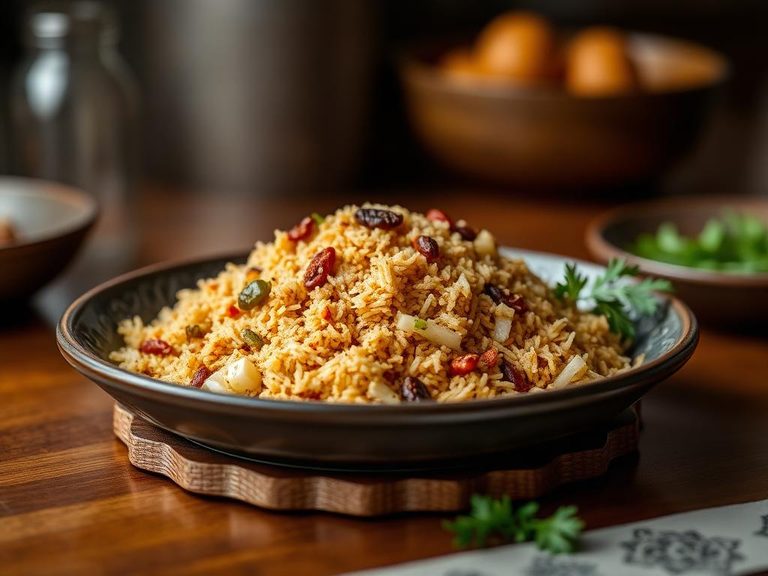
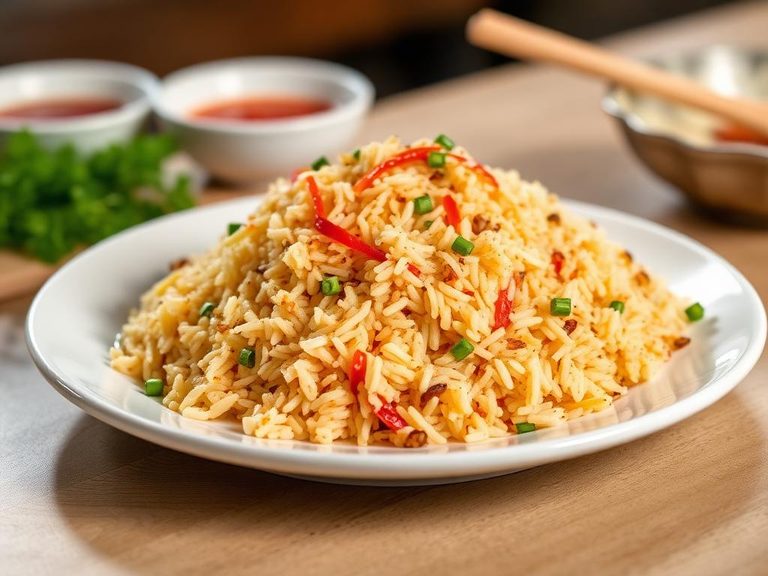
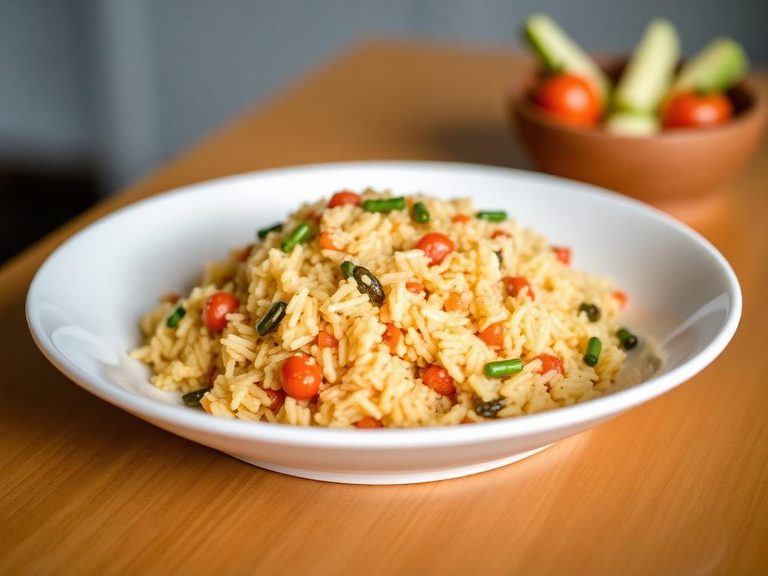
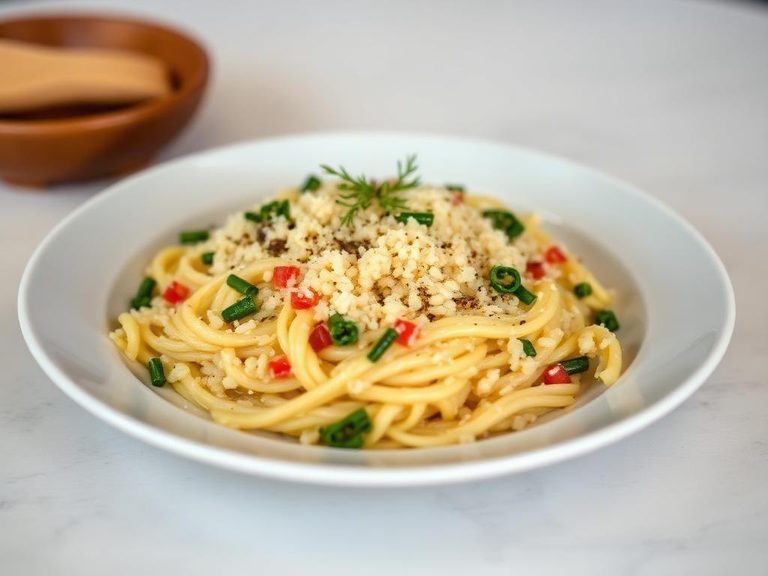
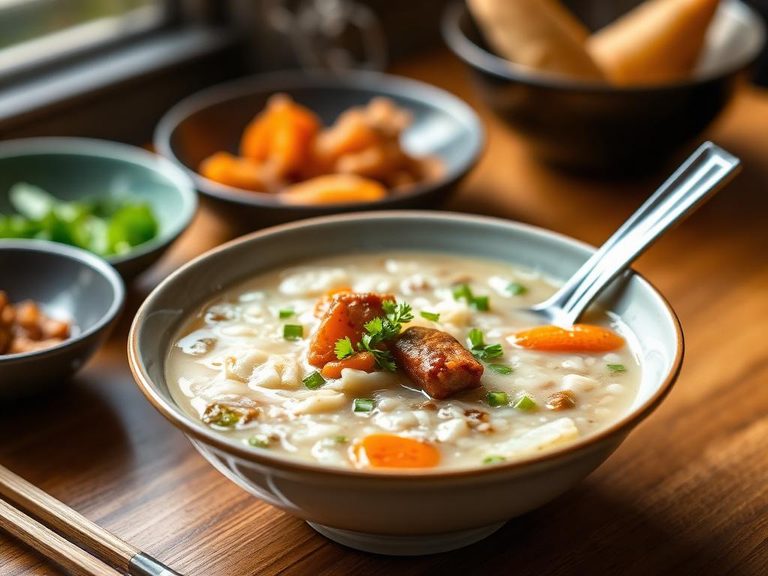
🌍 Where it's eaten
💡 Did you know?
The 'fluffiness' of long-grain white rice is due to its higher amylose starch content compared to short-grain varieties, which prevents the grains from sticking together.
Full nutrition (USDA data · scales with serving)
| Water | 11.2 g |
| Energy (Atwater General Factors) | 359 kcal |
| Energy (Atwater Specific Factors) | 370 kcal |
| Nitrogen | 1.2 g |
| Protein | 7.0 g |
| Total lipid (fat) | 1.0 g |
| Ash | 0.42 g |
| Carbohydrate, by difference | 80.3 g |
| Fiber, total dietary | 0.15 g |
| Total dietary fiber (AOAC 2011.25) | 2.8 g |
| High Molecular Weight Dietary Fiber (HMWDF) | 1.9 g |
| Low Molecular Weight Dietary Fiber (LMWDF) | 0.30 g |
| Starch | 74.4 g |
| Calcium, Ca | 4.5 mg |
| Iron, Fe | 0.14 mg |
| Magnesium, Mg | 26.5 mg |
| Phosphorus, P | 108 mg |
| Potassium, K | 82.3 mg |
| Sodium, Na | 0.46 mg |
| Zinc, Zn | 1.4 mg |
| Copper, Cu | 0.21 mg |
| Manganese, Mn | 0.98 mg |
| Selenium, Se | 6.6 ug |
| Molybdenum, Mo | 64.2 ug |
| Thiamin | 0.07 mg |
| Riboflavin | 0.08 mg |
| Niacin | 1.4 mg |
| Vitamin B-6 | 0.06 mg |
| Biotin | 0.00 ug |
Fat & fatty acid profile (per 100g)
Estimated from Rice, brown, medium-grain, cooked (Includes foods for USDA's Food Distribution Program) — USDA does not publish this profile for Rice.
| Fatty acids, total saturated | 0.17 g |
| SFA 12:0 | 0.00 g |
| SFA 14:0 | 0.00 g |
| SFA 16:0 | 0.14 g |
| SFA 18:0 | 0.01 g |
| Fatty acids, total monounsaturated | 0.30 g |
| MUFA 16:1 | 0.00 g |
| MUFA 18:1 | 0.30 g |
| Fatty acids, total polyunsaturated | 0.30 g |
| PUFA 18:2 | 0.28 g |
| PUFA 18:3 | 0.01 g |
| Cholesterol | 0.00 mg |
Amino acid profile (per 100g)
Estimated from Rice, brown, medium-grain, cooked (Includes foods for USDA's Food Distribution Program) — USDA does not publish this profile for Rice.
| Tryptophan | 0.03 g |
| Threonine | 0.09 g |
| Isoleucine | 0.10 g |
| Leucine | 0.19 g |
| Lysine | 0.09 g |
| Methionine | 0.05 g |
| Cystine | 0.03 g |
| Phenylalanine | 0.12 g |
| Tyrosine | 0.09 g |
| Valine | 0.14 g |
| Arginine | 0.17 g |
| Histidine | 0.06 g |
| Alanine | 0.14 g |
| Aspartic acid | 0.22 g |
| Glutamic acid | 0.47 g |
| Glycine | 0.11 g |
| Proline | 0.11 g |
| Serine | 0.12 g |
FAQ
What's the difference between long-grain and short-grain white rice?
Long-grain rice (like Basmati or Jasmine) has more amylose starch, making it fluffy and separate. Short-grain rice (like Arborio or sushi rice) has more amylopectin, making it sticky and clumpy.
Is white rice unhealthy compared to brown rice?
White rice is refined, losing some fiber and nutrients, but it's still a healthy energy source. Brown rice retains more fiber and nutrients. The best choice depends on your dietary needs and preferences.
How do I prevent my rice from getting mushy?
Use the correct water-to-rice ratio (typically 1.5:1 for long-grain), rinse the rice to remove excess starch, and avoid stirring it while cooking. Let it rest covered after cooking.
Nutrient density (calculated · NRF9.3)
Nutrient Rich Foods index: beneficial nutrients (protein, fiber, vitamins, minerals) minus saturated fat, added sugar & sodium, per 100 kcal.
NRF9.3 index — Fulgoni, Keast & Drewnowski, 2009. Computed from USDA nutrients.
Weight-loss friendliness (composite index)
Energy density 3.59 kcal/g · 8% calories from protein · 0.1 g fiber · 0.0 g sugar per 100 g.
Composite of energy density (Rolls et al., 1999), protein & fiber satiety, minus sugar. A calculated heuristic — ranks satiety-per-calorie, not a clinical measure.
Dietary load (calculated from USDA values)
Potential renal acid load. Positive = acid-forming, negative = alkaline-forming.
Sodium-to-potassium ratio: 0.01 (lower is better — aim for ≤ 1)
Sodium:potassium per WHO potassium guidance. Computed from USDA nutrients.