

Pasta Primavera
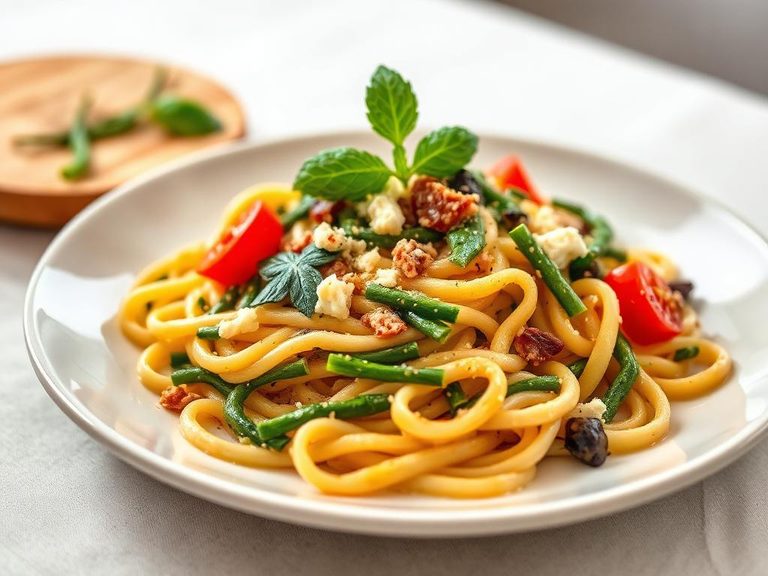
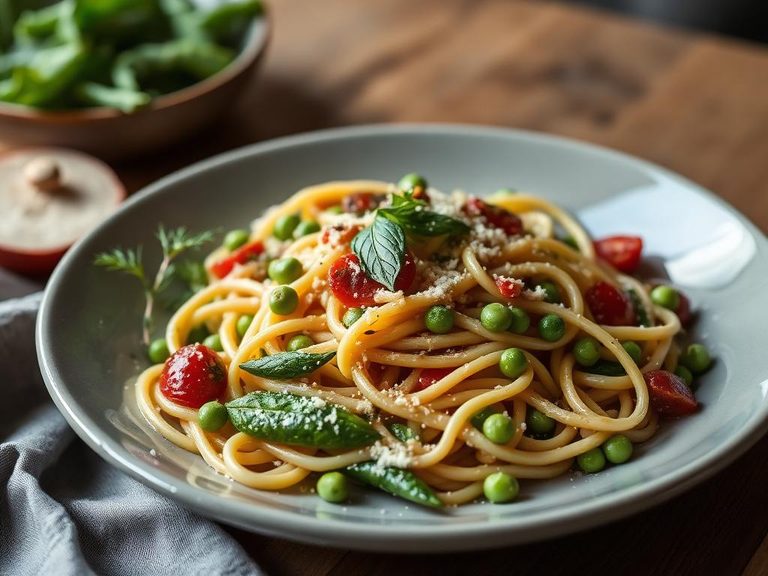
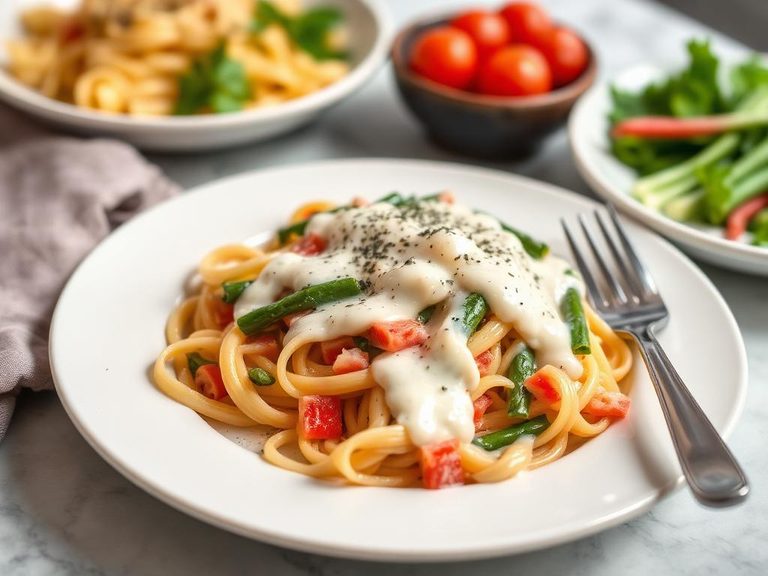
Pasta Primavera is a vibrant dish that combines pasta with a colorful medley of fresh, crisp spring vegetables. Typically featuring ingredients like broccoli, carrots, bell peppers, zucchini, and peas, it's often tossed in a light olive oil or butter-based sauce. The dish originated in the United States in the 1970s, becoming a symbol of the farm-to-table and fresh vegetable movement.
🍳 View the full Pasta Primavera recipe →
🍽️ Nutrition at a glance
This dish is generally high in carbohydrates from the pasta, but it's also a good source of dietary fiber and essential vitamins from the abundant vegetables. A typical serving can range from 400 to 600 calories, depending on the portion size and the amount of oil or cheese used.
Nutrition breakdown
| Calories | 280 kcal |
| Protein | 9 g |
| Carbs | 42 g |
| Fat | 9 g |
| Fiber | 6 g |
| Sugar | 5 g |
| Sodium | 480 mg |
| Potassium | 350 mg |
| Vitamin A | 120 mcg RAE |
| Vitamin C | 25 mg |
| Vitamin K | 40 mcg |
| Folate | 80 mcg DFE |
| Iron | 2.5 mg |
| Magnesium | 45 mg |
| Calcium | 60 mg |
Per 1 cup (240 g) · estimated, varies by recipe
💡 What's interesting
Culturally, Pasta Primavera is fascinating as a modern American invention that celebrated the availability of fresh produce year-round. Nutritionally, it's a great example of how a simple base like pasta can be transformed into a balanced meal by loading it with a variety of colorful vegetables, each contributing different micronutrients.
🍽️ Related dishes
AI estimate may be inaccurate · Terms