

Pasta, cooked, unenriched, with added salt
Whole food · Cereal Grains and Pasta
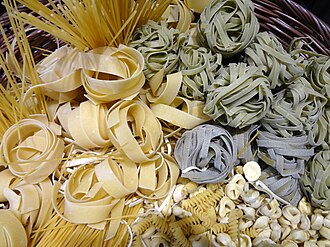
Photo: Wikipedia
This is the classic, unadorned foundation of countless meals: tender, starchy pasta strands or shapes cooked in salted water until al dente or soft. It offers a mild, comforting wheat flavor and a satisfying chew, serving as a blank canvas for sauces. Nutritionally, it's a dense source of quick-release carbohydrates for energy, with a modest amount of plant-based protein.
Calorie split: 15% protein · 79% carbs · 5% fat
↓ Full nutrition💚 Why it's loved
People adore it for its incredible versatility and comforting, neutral taste that perfectly carries everything from simple olive oil and garlic to rich ragùs. It's a global symbol of home cooking, celebration, and satisfying, affordable sustenance.
⚠️ Watch-outs & how to enjoy it better
Its high glycemic index can cause rapid blood-sugar spikes, and the added salt increases sodium intake, which may be a concern for some. It is also a common gluten-containing allergen. To mitigate, pair it with protein (like beans or lean meat), healthy fats (olive oil, nuts), and plenty of vegetables to slow digestion and balance the meal. Choose whole-wheat versions for more fiber.
Key benefits
- Provides quick, accessible energy from complex carbohydrates.
- Offers a small but complete plant-based protein source.
- Low in fat and cholesterol-free.
- A versatile, shelf-stable pantry staple.
- Fiber content aids in digestive health.
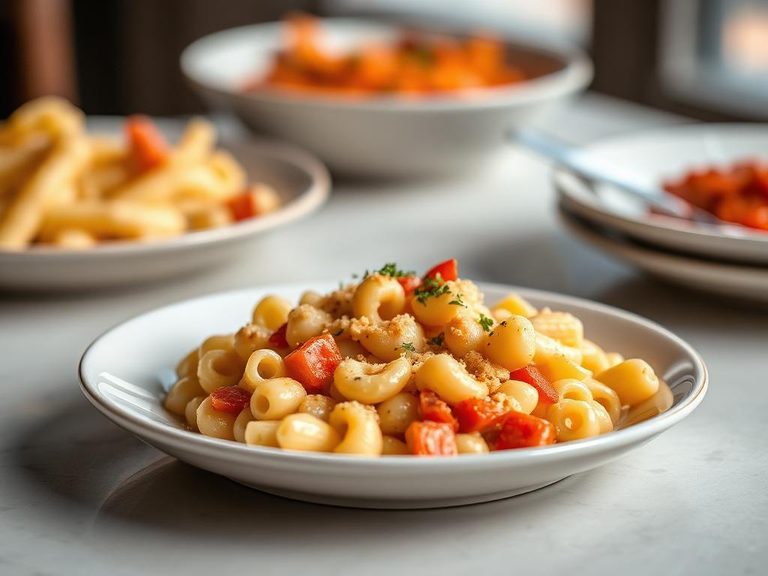
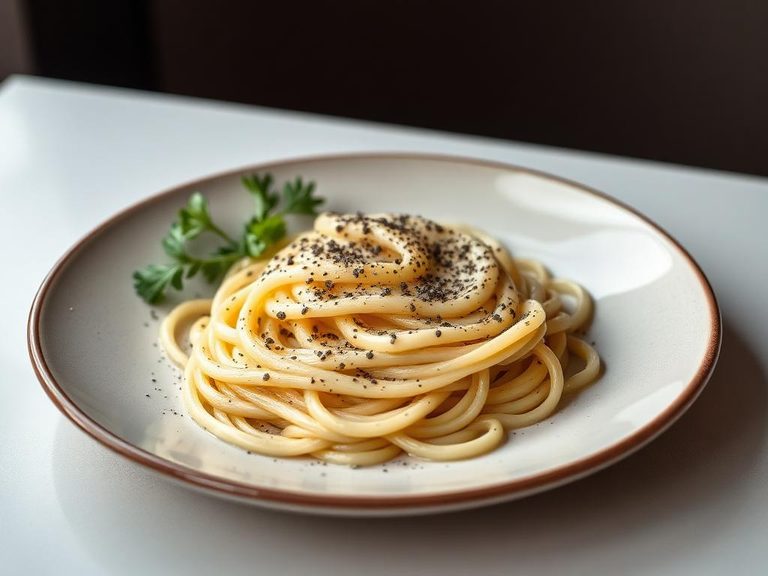
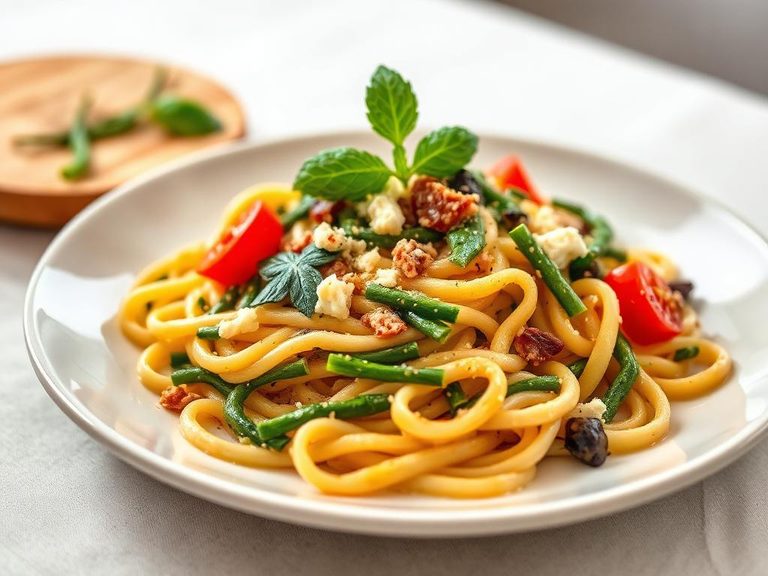
🍽️ Popular dishes
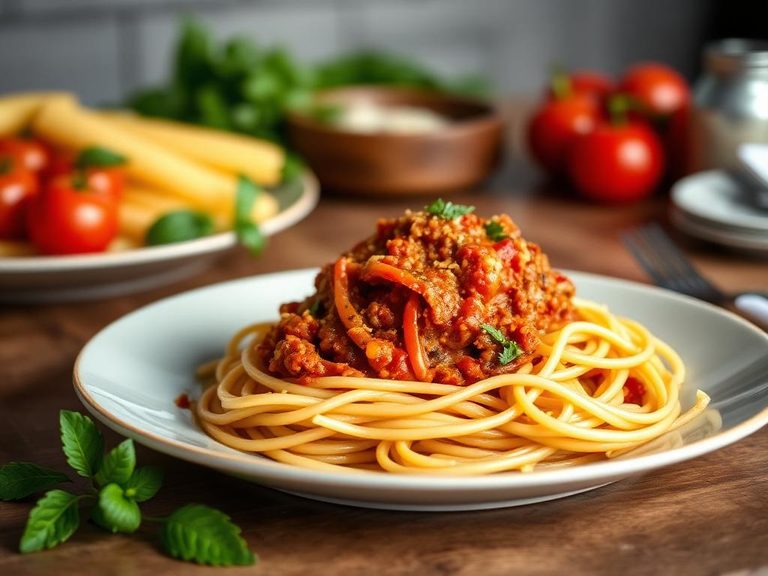
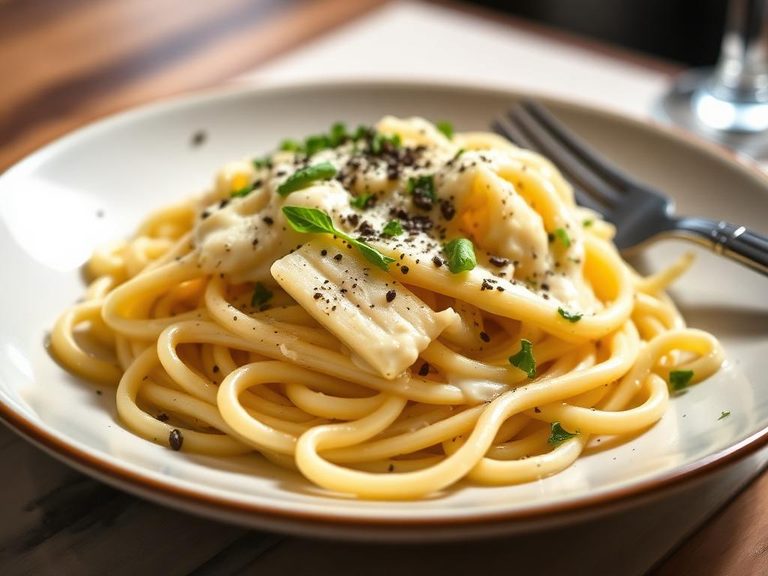
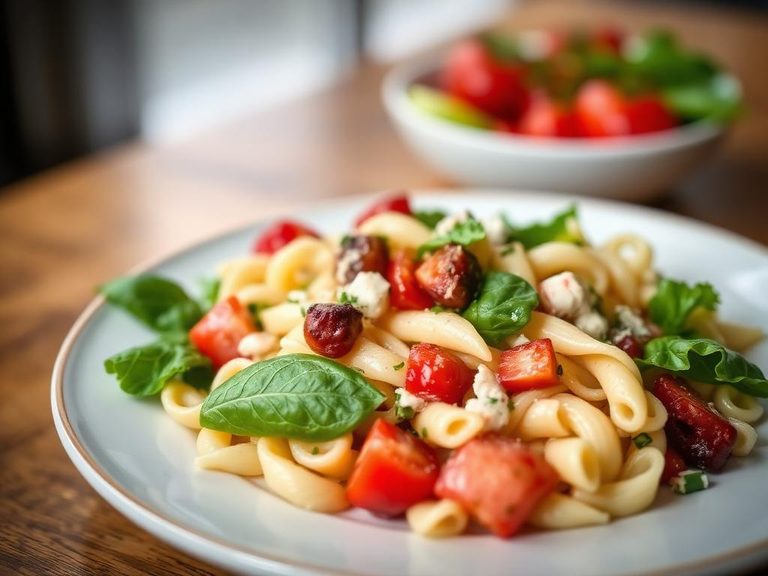
🌍 Where it's eaten
💡 Did you know?
The word 'pasta' comes from the Italian word for 'paste' or 'dough,' but the first known written record of pasta being boiled comes from a 5th-century Arab cookbook.
Full nutrition (USDA data · scales with serving)
| Water | 62.1 g |
| Energy | 157 kcal |
| Energy | 655 kj |
| Protein | 5.8 g |
| Total lipid (fat) | 0.93 g |
| Ash | 0.55 g |
| Carbohydrate, by difference | 30.6 g |
| Fiber, total dietary | 1.8 g |
| Total Sugars | 0.56 g |
| Sucrose | 0.09 g |
| Glucose | 0.04 g |
| Fructose | 0.03 g |
| Lactose | 0.00 g |
| Maltose | 0.40 g |
| Galactose | 0.00 g |
| Starch | 26.0 g |
| Calcium, Ca | 7.0 mg |
| Iron, Fe | 0.50 mg |
| Magnesium, Mg | 18.0 mg |
| Phosphorus, P | 58.0 mg |
| Potassium, K | 44.0 mg |
| Sodium, Na | 131 mg |
| Zinc, Zn | 0.51 mg |
| Copper, Cu | 0.10 mg |
| Manganese, Mn | 0.32 mg |
| Selenium, Se | 26.4 ug |
| Vitamin C, total ascorbic acid | 0.00 mg |
| Thiamin | 0.02 mg |
| Riboflavin | 0.02 mg |
| Niacin | 0.40 mg |
| Pantothenic acid | 0.11 mg |
| Vitamin B-6 | 0.05 mg |
| Folate, total | 7.0 ug |
| Folic acid | 0.00 ug |
| Folate, food | 7.0 ug |
| Folate, DFE | 7.0 ug |
| Vitamin B-12 | 0.00 ug |
| Vitamin E (alpha-tocopherol) | 0.06 mg |
| Tocopherol, beta | 0.03 mg |
| Tocopherol, gamma | 0.50 mg |
| Tocopherol, delta | 0.00 mg |
| Tocotrienol, alpha | 0.05 mg |
| Tocotrienol, beta | 0.00 mg |
| Tocotrienol, gamma | 0.00 mg |
| Tocotrienol, delta | 0.00 mg |
| Vitamin D (D2 + D3), International Units | 0.00 iu |
| Vitamin D (D2 + D3) | 0.00 ug |
| Vitamin K (phylloquinone) | 0.00 ug |
| Vitamin K (Dihydrophylloquinone) | 0.50 ug |
Fat & fatty acid profile (per 100g)
| Fatty acids, total saturated | 0.18 g |
| SFA 4:0 | 0.00 g |
| SFA 6:0 | 0.00 g |
| SFA 8:0 | 0.00 g |
| SFA 10:0 | 0.00 g |
| SFA 12:0 | 0.01 g |
| SFA 13:0 | 0.00 g |
| SFA 14:0 | 0.01 g |
| SFA 15:0 | 0.00 g |
| SFA 16:0 | 0.15 g |
| SFA 17:0 | 0.00 g |
| SFA 18:0 | 0.01 g |
| SFA 20:0 | 0.00 g |
| SFA 22:0 | 0.00 g |
| SFA 24:0 | 0.00 g |
| Fatty acids, total monounsaturated | 0.35 g |
| MUFA 14:1 | 0.00 g |
| MUFA 15:1 | 0.00 g |
| MUFA 16:1 | 0.00 g |
| MUFA 17:1 | 0.00 g |
| MUFA 18:1 | 0.13 g |
| MUFA 18:1 c | 0.15 g |
| MUFA 20:1 | 0.00 g |
| MUFA 22:1 | 0.00 g |
| MUFA 24:1 c | 0.00 g |
| Fatty acids, total polyunsaturated | 0.32 g |
| PUFA 18:2 | 0.29 g |
| PUFA 18:3 | 0.02 g |
| PUFA 18:3 n-3 c,c,c (ALA) | 0.03 g |
| PUFA 18:3 n-6 c,c,c | 0.00 g |
| PUFA 18:4 | 0.00 g |
| PUFA 20:2 n-6 c,c | 0.00 g |
| PUFA 20:3 | 0.00 g |
| PUFA 20:4 | 0.00 g |
| PUFA 20:5 n-3 (EPA) | 0.00 g |
| PUFA 22:5 n-3 (DPA) | 0.00 g |
| PUFA 22:6 n-3 (DHA) | 0.00 g |
| Fatty acids, total trans | 0.00 g |
| Fatty acids, total trans-monoenoic | 0.00 g |
| TFA 18:1 t | 0.00 g |
| Cholesterol | 0.00 mg |
Amino acid profile (per 100g)
| Tryptophan | 0.08 g |
| Threonine | 0.21 g |
| Isoleucine | 0.23 g |
| Leucine | 0.44 g |
| Lysine | 0.13 g |
| Methionine | 0.07 g |
| Cystine | 0.11 g |
| Phenylalanine | 0.30 g |
| Tyrosine | 0.11 g |
| Valine | 0.26 g |
| Arginine | 0.21 g |
| Histidine | 0.13 g |
| Alanine | 0.20 g |
| Aspartic acid | 0.28 g |
| Glutamic acid | 2.0 g |
| Glycine | 0.20 g |
| Proline | 0.70 g |
| Serine | 0.28 g |
| Hydroxyproline | 0.00 g |
FAQ
What's the difference between this and enriched pasta?
Enriched pasta has nutrients like iron and B vitamins (thiamin, riboflavin, niacin, folic acid) added back after processing, which are lost when the bran and germ are removed from the wheat. Unenriched pasta retains only what's naturally present in the refined flour.
Why is salt added during cooking?
Cooking pasta in well-salted water is the primary way to season it throughout, not just on the surface. It enhances the wheat's natural flavor, making it taste less bland and starchy.
How does the nutrition change if I cook it longer or shorter?
The calorie and macronutrient content per 100g remains essentially the same. However, overcooking can make pasta mushy and increase its glycemic impact as the starches break down further, while al dente pasta may have a slightly lower glycemic response.
Nutrient density (calculated · NRF9.3)
Nutrient Rich Foods index: beneficial nutrients (protein, fiber, vitamins, minerals) minus saturated fat, added sugar & sodium, per 100 kcal.
NRF9.3 index — Fulgoni, Keast & Drewnowski, 2009. Computed from USDA nutrients.
Weight-loss friendliness (composite index)
Energy density 1.57 kcal/g · 15% calories from protein · 1.8 g fiber · 0.6 g sugar per 100 g.
Composite of energy density (Rolls et al., 1999), protein & fiber satiety, minus sugar. A calculated heuristic — ranks satiety-per-calorie, not a clinical measure.
Dietary load (calculated from USDA values)
Potential renal acid load. Positive = acid-forming, negative = alkaline-forming.
Sodium-to-potassium ratio: 2.98 (lower is better — aim for ≤ 1)
Sodium:potassium per WHO potassium guidance. Computed from USDA nutrients.