

Peas, green, cooked, boiled, drained, without salt
Whole food · Vegetables and Vegetable Products
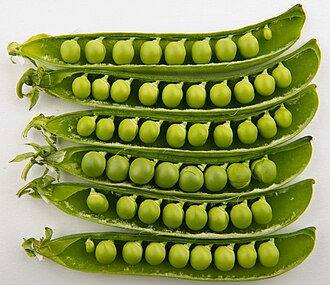
Photo: Wikipedia
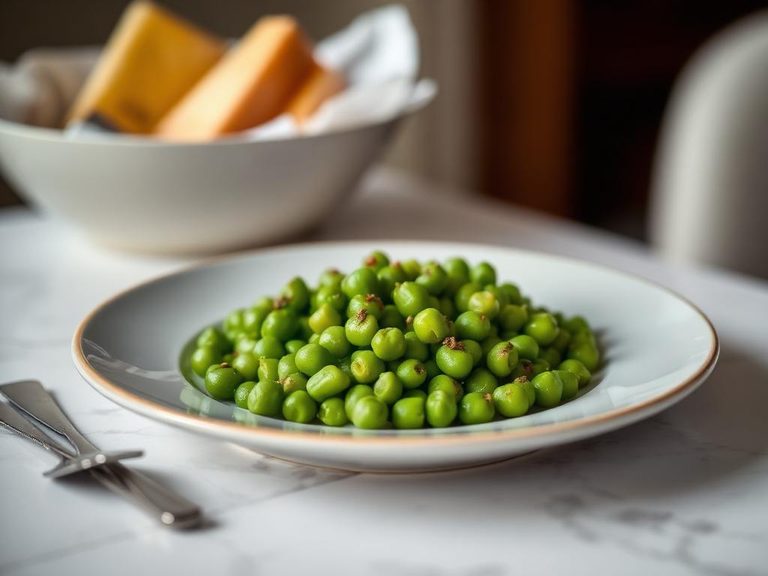
These are the vibrant, sweet kernels of the Pisum sativum plant, boiled until tender yet still offering a satisfying, gentle pop. Their flavor is fresh, grassy, and subtly sweet, making them a beloved staple. Nutritionally, they are a low-calorie powerhouse, delivering an impressive amount of plant-based protein and fiber for their size.
Calorie split: 25% protein · 73% carbs · 2% fat
↓ Full nutrition💚 Why it's loved
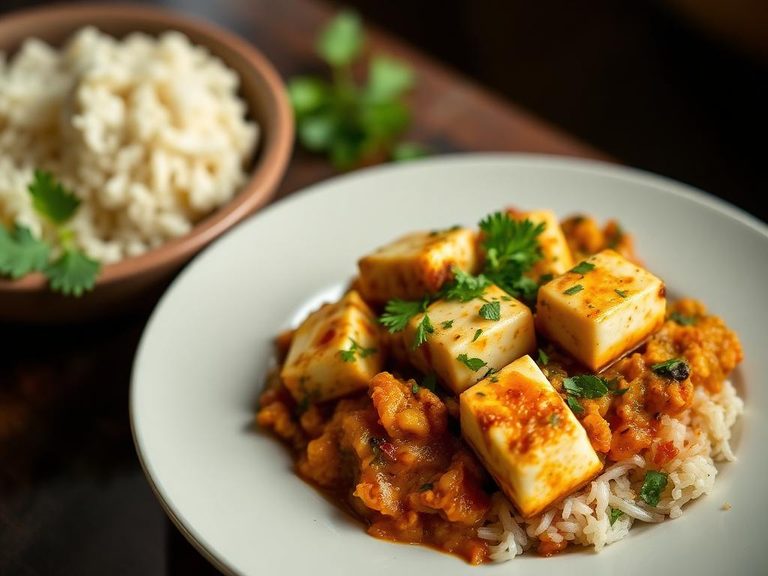
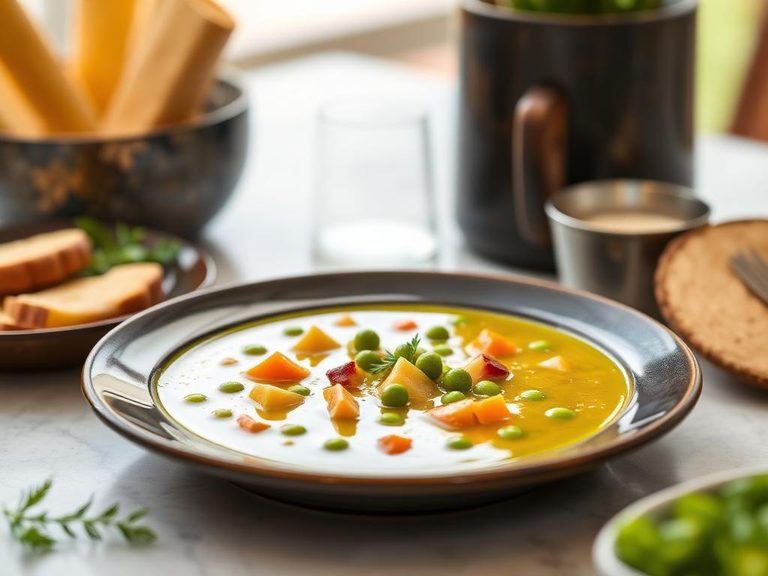
People adore peas for their cheerful color, naturally sweet taste, and incredible versatility—they can be a side dish, a main ingredient, or a hidden boost in sauces and soups. They carry a comforting, nostalgic quality in many cuisines, from British minted peas to Indian matar paneer.
⚠️ Watch-outs & how to enjoy it better
Some find the texture of canned or overcooked peas to be mushy or mealy. For those monitoring carbohydrate intake, like some diabetics, the natural sugars and carbs can cause a blood sugar spike if eaten in large portions alone. Counter this by pairing peas with a protein (like chicken or paneer) and a healthy fat (like olive oil or butter) to slow digestion and stabilize blood sugar response.
Key benefits
- Excellent source of plant-based protein for muscle maintenance.
- High in dietary fiber to support digestion and promote fullness.
- Rich in vitamins like K1 and C, and minerals like manganese.
- Low in fat and calories, making them ideal for weight management.
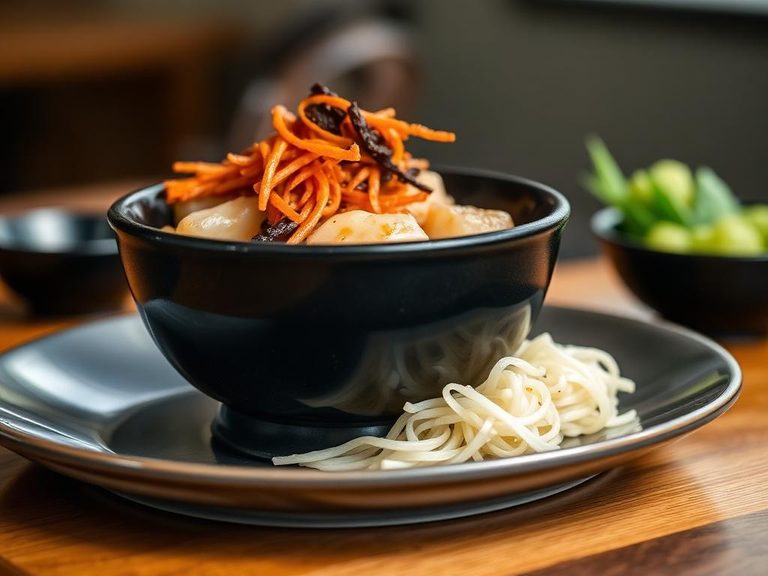
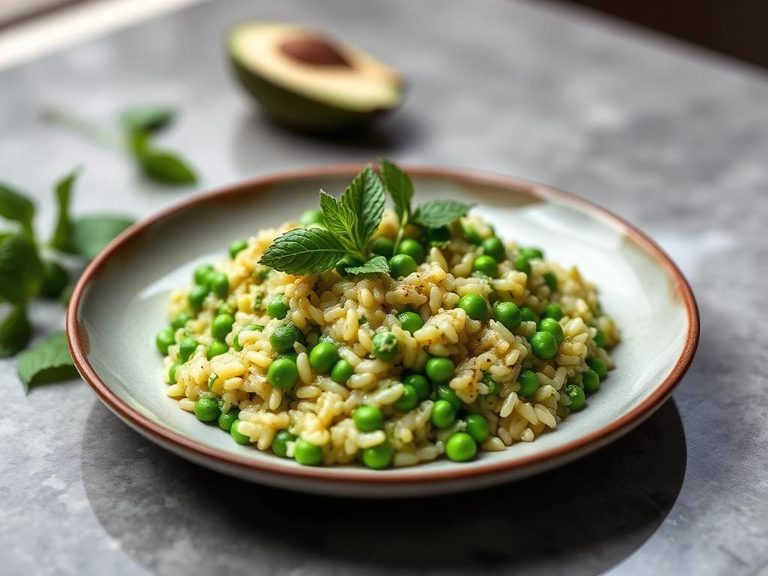
🍽️ Popular dishes
🌍 Where it's eaten
💡 Did you know?
The world record for the longest pea pod ever found is 22.5 cm (8.86 inches), discovered in the UK in 2020.
Full nutrition (USDA data · scales with serving)
| Water | 77.9 g |
| Energy | 84.0 kcal |
| Energy | 352 kj |
| Protein | 5.4 g |
| Total lipid (fat) | 0.22 g |
| Ash | 0.92 g |
| Carbohydrate, by difference | 15.6 g |
| Fiber, total dietary | 5.5 g |
| Total Sugars | 5.9 g |
| Sucrose | 5.2 g |
| Glucose | 0.13 g |
| Fructose | 0.41 g |
| Lactose | 0.00 g |
| Maltose | 0.18 g |
| Galactose | 0.00 g |
| Calcium, Ca | 27.0 mg |
| Iron, Fe | 1.5 mg |
| Magnesium, Mg | 39.0 mg |
| Phosphorus, P | 117 mg |
| Potassium, K | 271 mg |
| Sodium, Na | 3.0 mg |
| Zinc, Zn | 1.2 mg |
| Copper, Cu | 0.17 mg |
| Manganese, Mn | 0.53 mg |
| Selenium, Se | 1.9 ug |
| Vitamin C, total ascorbic acid | 14.2 mg |
| Thiamin | 0.26 mg |
| Riboflavin | 0.15 mg |
| Niacin | 2.0 mg |
| Pantothenic acid | 0.15 mg |
| Vitamin B-6 | 0.22 mg |
| Folate, total | 63.0 ug |
| Folic acid | 0.00 ug |
| Folate, food | 63.0 ug |
| Folate, DFE | 63.0 ug |
| Choline, total | 29.7 mg |
| Betaine | 0.20 mg |
| Vitamin B-12 | 0.00 ug |
| Vitamin B-12, added | 0.00 ug |
| Vitamin A, RAE | 40.0 ug |
| Retinol | 0.00 ug |
| Carotene, beta | 470 ug |
| Carotene, alpha | 22.0 ug |
| Cryptoxanthin, beta | 0.00 ug |
| Vitamin A, IU | 801 iu |
| Lycopene | 0.00 ug |
| Lutein + zeaxanthin | 2593 ug |
| Vitamin E (alpha-tocopherol) | 0.14 mg |
| Vitamin E, added | 0.00 mg |
| Tocopherol, beta | 0.00 mg |
| Tocopherol, gamma | 0.99 mg |
| Tocopherol, delta | 0.02 mg |
| Vitamin D (D2 + D3), International Units | 0.00 iu |
| Vitamin D (D2 + D3) | 0.00 ug |
| Vitamin K (phylloquinone) | 25.9 ug |
| Alcohol, ethyl | 0.00 g |
| Caffeine | 0.00 mg |
| Theobromine | 0.00 mg |
Fat & fatty acid profile (per 100g)
| Fatty acids, total saturated | 0.04 g |
| SFA 4:0 | 0.00 g |
| SFA 6:0 | 0.00 g |
| SFA 8:0 | 0.00 g |
| SFA 10:0 | 0.00 g |
| SFA 12:0 | 0.00 g |
| SFA 14:0 | 0.00 g |
| SFA 16:0 | 0.04 g |
| SFA 18:0 | 0.00 g |
| Fatty acids, total monounsaturated | 0.02 g |
| MUFA 16:1 | 0.00 g |
| MUFA 18:1 | 0.02 g |
| MUFA 20:1 | 0.00 g |
| MUFA 22:1 | 0.00 g |
| Fatty acids, total polyunsaturated | 0.10 g |
| PUFA 18:2 | 0.08 g |
| PUFA 18:3 | 0.02 g |
| PUFA 18:4 | 0.00 g |
| PUFA 20:4 | 0.00 g |
| PUFA 20:5 n-3 (EPA) | 0.00 g |
| PUFA 22:5 n-3 (DPA) | 0.00 g |
| PUFA 22:6 n-3 (DHA) | 0.00 g |
| Fatty acids, total trans | 0.00 g |
| Cholesterol | 0.00 mg |
Amino acid profile (per 100g)
| Tryptophan | 0.04 g |
| Threonine | 0.20 g |
| Isoleucine | 0.19 g |
| Leucine | 0.32 g |
| Lysine | 0.31 g |
| Methionine | 0.08 g |
| Cystine | 0.03 g |
| Phenylalanine | 0.20 g |
| Tyrosine | 0.11 g |
| Valine | 0.23 g |
| Arginine | 0.42 g |
| Histidine | 0.10 g |
| Alanine | 0.24 g |
| Aspartic acid | 0.49 g |
| Glutamic acid | 0.73 g |
| Glycine | 0.18 g |
| Proline | 0.17 g |
| Serine | 0.18 g |
FAQ
Are frozen peas as nutritious as fresh?
Often more so. Frozen peas are typically blanched and frozen within hours of harvest, locking in nutrients. Fresh peas lose sugars and vitamins quickly after picking.
Why do my boiled peas sometimes taste bland?
Over-boiling leaches out their natural sugars and vibrant flavor. For best taste, boil briefly (2-3 minutes) until just tender, or steam them. A pinch of salt added after cooking enhances their inherent sweetness.
Can I eat the pods of garden peas?
The pods of standard garden peas (shelling peas) are tough and fibrous. Only the tender pods of snow peas or sugar snap peas are meant to be eaten whole.
Nutrient density (calculated · NRF9.3)
Nutrient Rich Foods index: beneficial nutrients (protein, fiber, vitamins, minerals) minus saturated fat, added sugar & sodium, per 100 kcal.
NRF9.3 index — Fulgoni, Keast & Drewnowski, 2009. Computed from USDA nutrients.
Weight-loss friendliness (composite index)
Energy density 0.84 kcal/g · 26% calories from protein · 5.5 g fiber · 5.9 g sugar per 100 g.
Composite of energy density (Rolls et al., 1999), protein & fiber satiety, minus sugar. A calculated heuristic — ranks satiety-per-calorie, not a clinical measure.
Dietary load (calculated from USDA values)
Potential renal acid load. Positive = acid-forming, negative = alkaline-forming.
Sodium-to-potassium ratio: 0.01 (lower is better — aim for ≤ 1)
Sodium:potassium per WHO potassium guidance. Computed from USDA nutrients.