Light Pasta Primavera
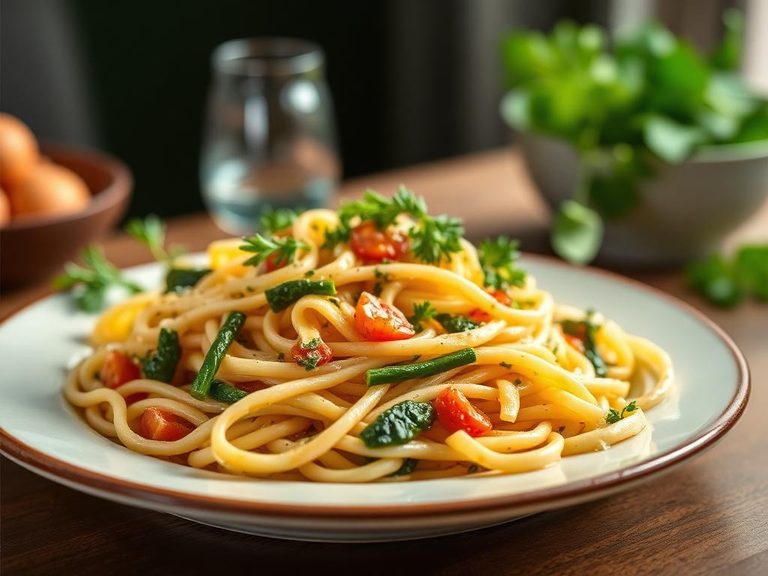
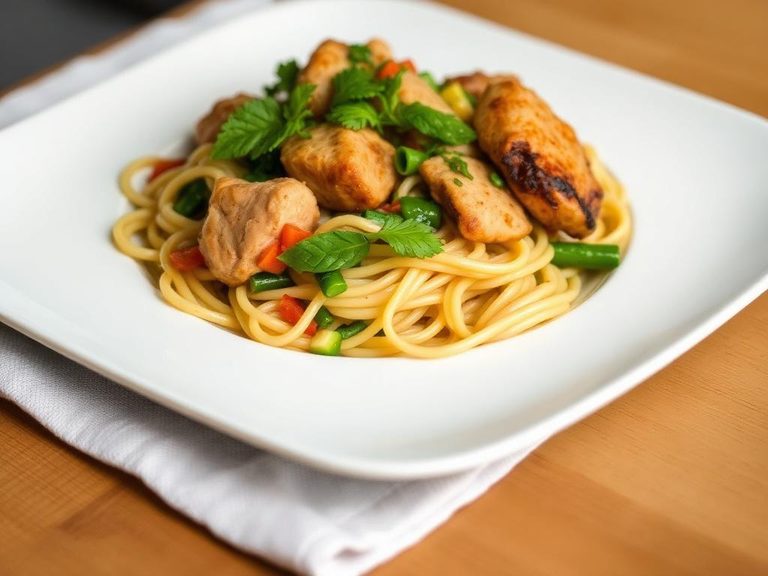
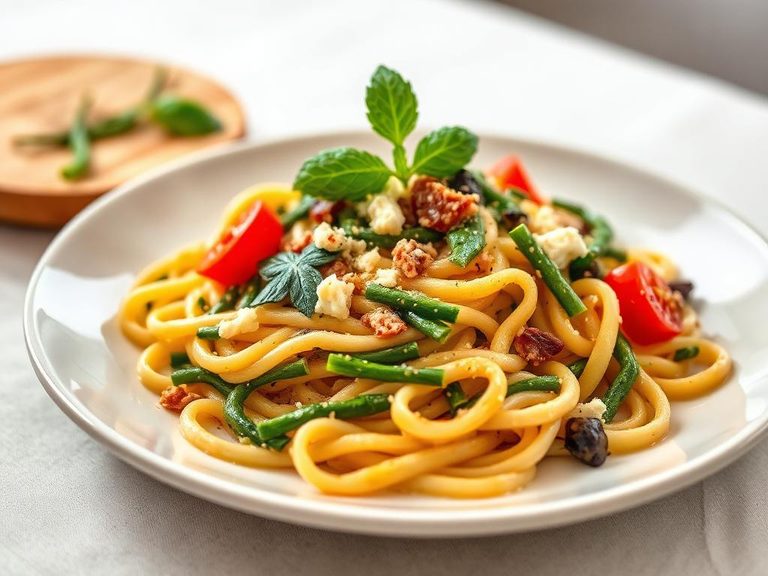
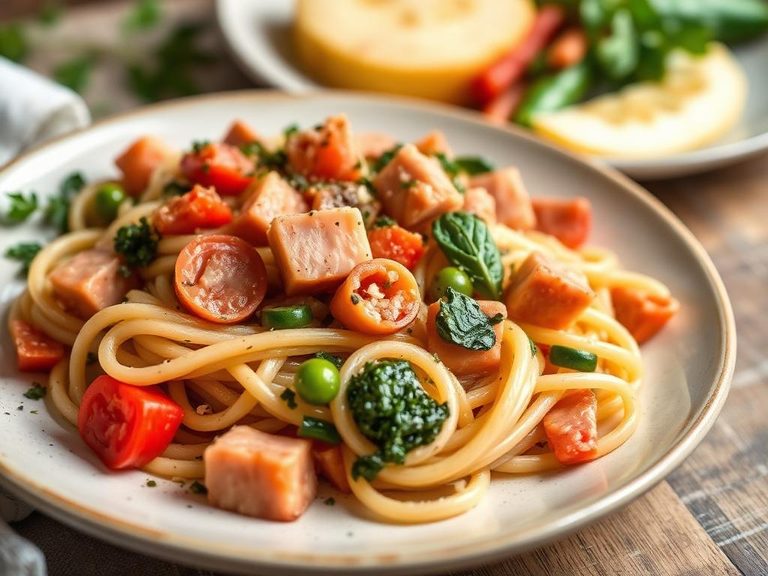
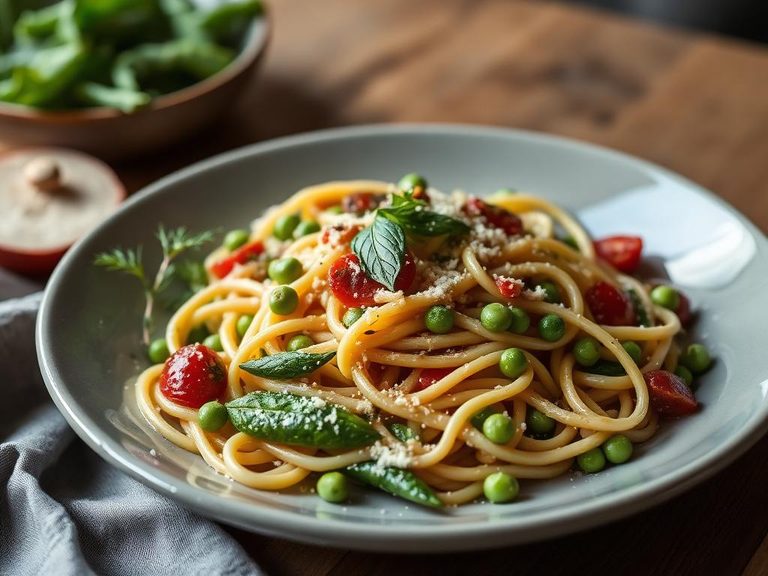
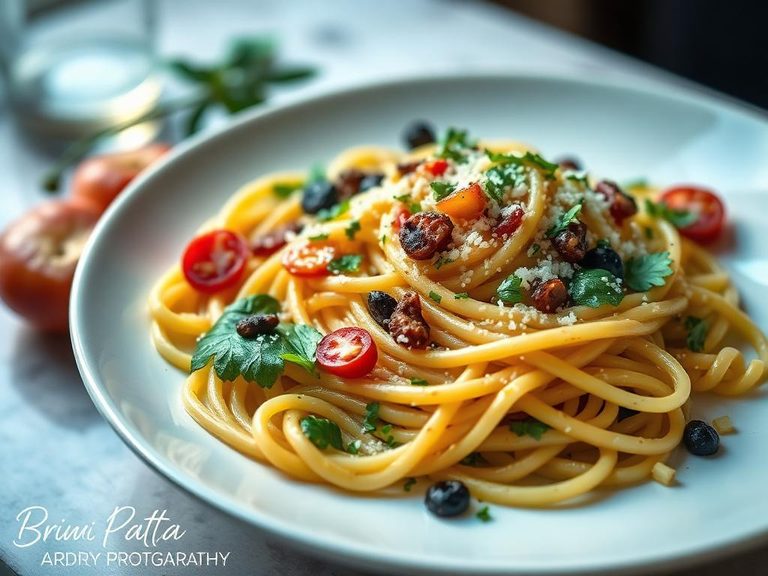
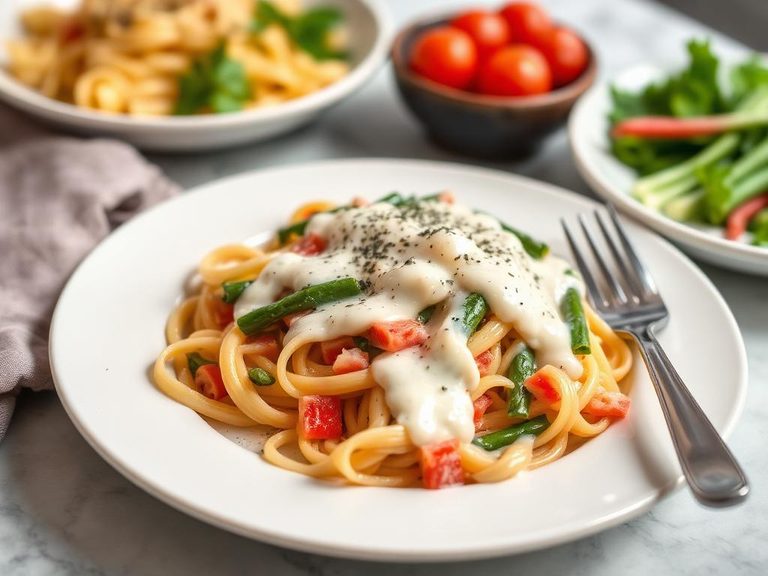
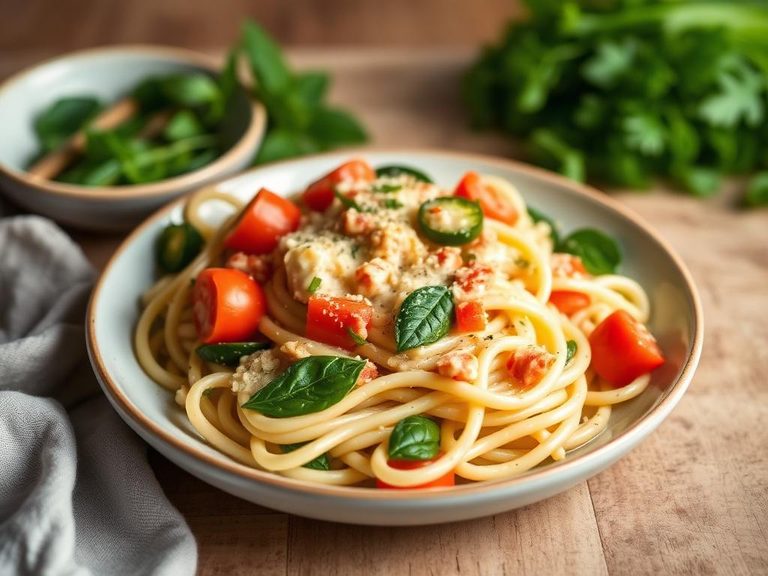
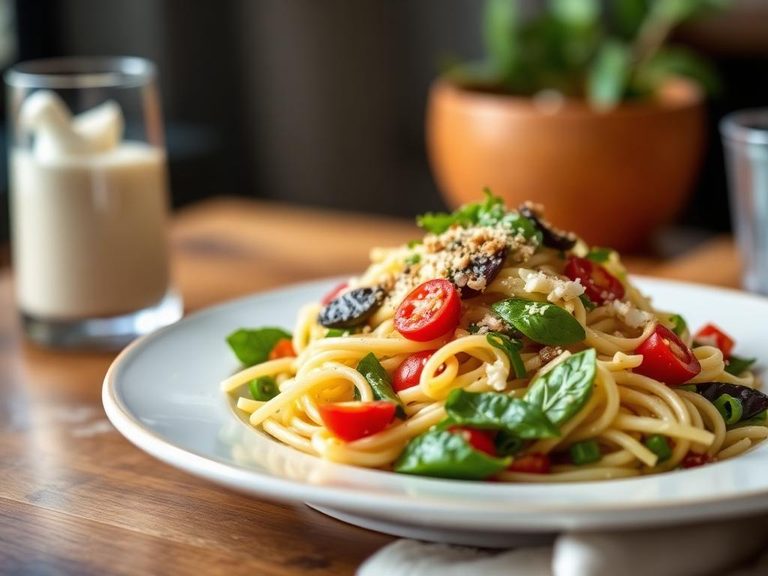
Light Pasta Primavera is a vibrant Italian-American dish that celebrates fresh, seasonal vegetables tossed with pasta in a light, often oil- or broth-based sauce. It typically features a colorful medley like bell peppers, zucchini, carrots, and peas, making it a staple of spring and summer cuisine. The dish emphasizes simplicity and the natural flavors of the produce, rather than heavy creams or cheeses.
🍽️ Nutrition at a glance
This dish is generally balanced, offering a good source of complex carbohydrates from the pasta and dietary fiber, vitamins, and minerals from the abundant vegetables. A typical serving, prepared with olive oil and lean protein like chicken or beans, usually falls in the range of 350-500 calories, making it a lighter pasta option.
Nutrition breakdown
| Calories | 280 kcal |
| Protein | 10 g |
| Carbs | 42 g |
| Fat | 8 g |
| Fiber | 5 g |
| Sugar | 6 g |
| Sodium | 450 mg |
| Vitamin A | 250 mcg RAE |
| Vitamin C | 30 mg |
| Vitamin K | 40 mcg |
| Folate | 80 mcg DFE |
| Potassium | 350 mg |
| Magnesium | 40 mg |
| Iron | 2 mg |
| Calcium | 80 mg |
Per 1 cup (240 g) · estimated, varies by recipe
💡 What's interesting
Culturally, Pasta Primavera is a classic example of mid-20th century Italian-American innovation, reportedly created in New York in the 1970s to showcase fresh produce. Nutritionally, its 'light' preparation method—sautéing or blanching vegetables rather than frying—helps preserve their nutrient content and vibrant colors.