

Ham, sliced, pre-packaged, deli meat (96%fat free, water added)
Whole food · Sausages and Luncheon Meats

Photo: Wikipedia
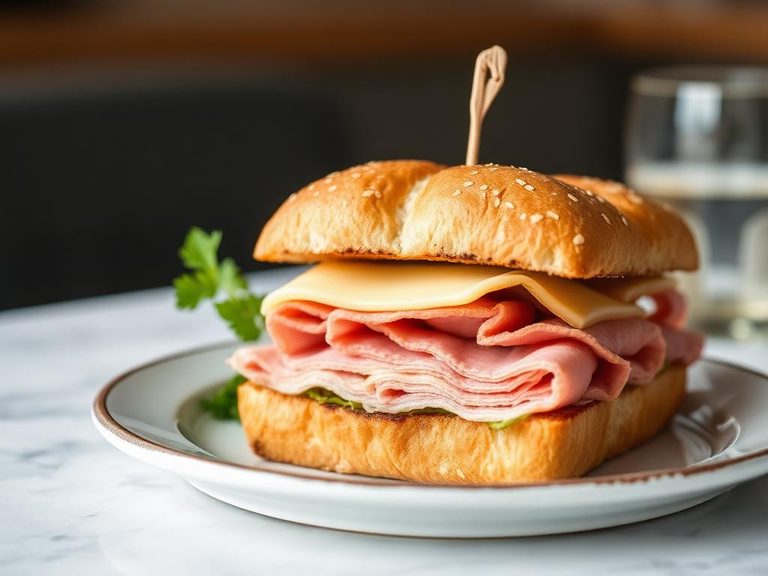
This is lean, water-added deli ham, sliced thin for sandwiches and salads. It offers a mild, slightly salty, smoky flavor with a soft, tender texture that's less fibrous than whole-muscle cuts. Nutritionally, it's a high-protein, very low-carb option with minimal fat.
Calorie split: 63% protein · 3% carbs · 34% fat
↓ Full nutrition💚 Why it's loved
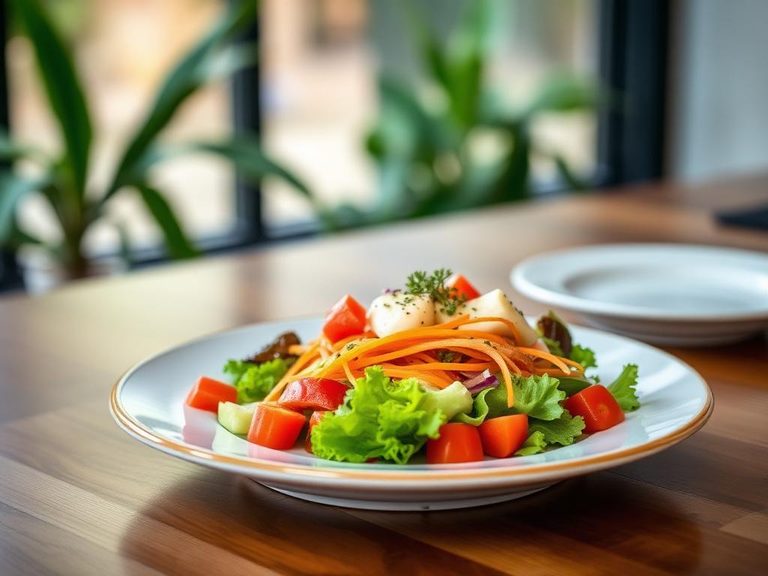
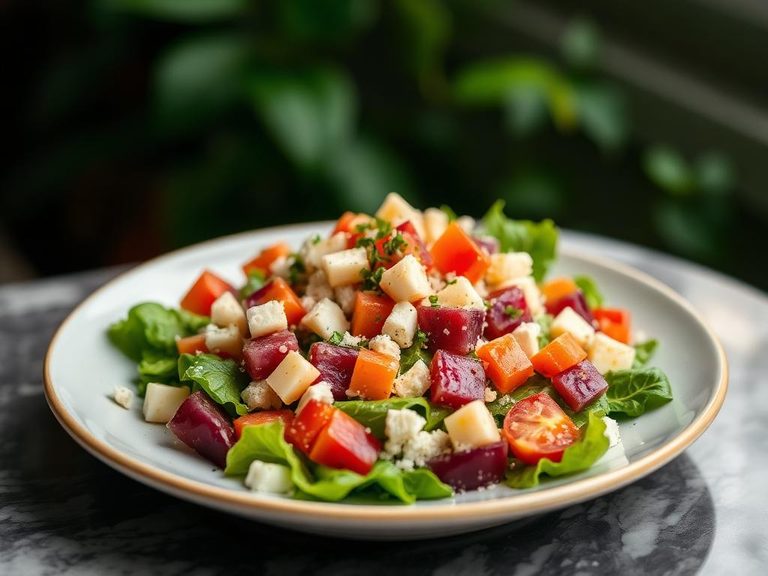
People love its savory, smoky flavor and incredible versatility—it's the classic foundation for a quick sandwich, a protein-packed salad topper, or a simple snack. Its mild taste makes it a crowd-pleaser for both kids and adults.
⚠️ Watch-outs & how to enjoy it better
Pre-packaged deli ham is often high in sodium, which can be a concern for those monitoring blood pressure or fluid retention. To counteract this, rinse slices briefly under water before use, or pair it with potassium-rich foods like avocado or leafy greens. Also, check labels for added sugars or phosphates if you're sensitive.
Key benefits
- Excellent source of lean protein (16.85g per 100g)
- Very low in carbohydrates and sugar
- Low in fat, especially saturated fat
- Convenient, ready-to-eat protein source
- Supports muscle maintenance and satiety
🍽️ Popular dishes

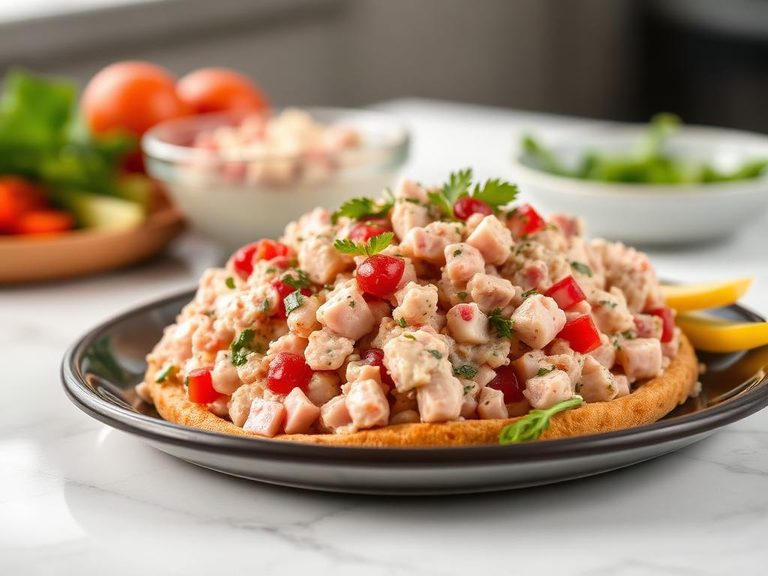
🌍 Where it's eaten
💡 Did you know?
The 'water added' in this ham isn't just for weight; it's part of a brining process that helps the meat retain moisture during cooking, preventing the lean muscle from drying out and becoming tough.
Full nutrition (USDA data · scales with serving)
| Water | 74.8 g |
| Energy | 107 kcal |
| Energy | 446 kj |
| Protein | 16.9 g |
| Total lipid (fat) | 4.0 g |
| Ash | 3.6 g |
| Carbohydrate, by difference | 0.70 g |
| Fiber, total dietary | 0.00 g |
| Total Sugars | 0.00 g |
| Calcium, Ca | 5.0 mg |
| Iron, Fe | 0.59 mg |
| Magnesium, Mg | 19.0 mg |
| Phosphorus, P | 252 mg |
| Potassium, K | 463 mg |
| Sodium, Na | 945 mg |
| Zinc, Zn | 1.5 mg |
| Copper, Cu | 0.05 mg |
| Manganese, Mn | 0.01 mg |
| Selenium, Se | 31.6 ug |
| Vitamin C, total ascorbic acid | 0.00 mg |
| Thiamin | 0.34 mg |
| Riboflavin | 0.27 mg |
| Niacin | 5.7 mg |
| Pantothenic acid | 0.70 mg |
| Vitamin B-6 | 0.39 mg |
| Folate, total | 0.00 ug |
| Folic acid | 0.00 ug |
| Folate, food | 0.00 ug |
| Folate, DFE | 0.00 ug |
| Choline, total | 62.4 mg |
| Betaine | 2.8 mg |
| Vitamin B-12 | 0.36 ug |
| Vitamin B-12, added | 0.00 ug |
| Vitamin A, RAE | 0.00 ug |
| Retinol | 0.00 ug |
| Carotene, beta | 0.00 ug |
| Carotene, alpha | 0.00 ug |
| Cryptoxanthin, beta | 0.00 ug |
| Vitamin A, IU | 0.00 iu |
| Lycopene | 0.00 ug |
| Lutein + zeaxanthin | 0.00 ug |
| Vitamin E (alpha-tocopherol) | 0.29 mg |
| Vitamin E, added | 0.00 mg |
| Vitamin D (D2 + D3), International Units | 25.0 iu |
| Vitamin D (D2 + D3) | 0.60 ug |
| Vitamin K (phylloquinone) | 0.00 ug |
| Vitamin K (Dihydrophylloquinone) | 0.00 ug |
| Vitamin K (Menaquinone-4) | 4.4 ug |
| Alcohol, ethyl | 0.00 g |
| Caffeine | 0.00 mg |
| Theobromine | 0.00 mg |
Fat & fatty acid profile (per 100g)
| Fatty acids, total saturated | 1.2 g |
| SFA 4:0 | 0.00 g |
| SFA 6:0 | 0.00 g |
| SFA 8:0 | 0.00 g |
| SFA 10:0 | 0.00 g |
| SFA 12:0 | 0.00 g |
| SFA 14:0 | 0.05 g |
| SFA 15:0 | 0.00 g |
| SFA 16:0 | 0.78 g |
| SFA 17:0 | 0.01 g |
| SFA 18:0 | 0.38 g |
| SFA 20:0 | 0.01 g |
| SFA 22:0 | 0.00 g |
| SFA 24:0 | 0.00 g |
| Fatty acids, total monounsaturated | 1.6 g |
| MUFA 14:1 | 0.00 g |
| MUFA 15:1 | 0.00 g |
| MUFA 16:1 | 0.10 g |
| MUFA 16:1 c | 0.10 g |
| MUFA 17:1 | 0.01 g |
| MUFA 18:1 | 1.5 g |
| MUFA 18:1 c | 1.5 g |
| MUFA 20:1 | 0.03 g |
| MUFA 22:1 | 0.00 g |
| MUFA 22:1 c | 0.00 g |
| MUFA 24:1 c | 0.00 g |
| Fatty acids, total polyunsaturated | 0.63 g |
| PUFA 18:2 | 0.51 g |
| PUFA 18:2 n-6 c,c | 0.50 g |
| PUFA 18:2 CLAs | 0.00 g |
| PUFA 18:3 | 0.02 g |
| PUFA 18:3 n-3 c,c,c (ALA) | 0.01 g |
| PUFA 18:3 n-6 c,c,c | 0.00 g |
| PUFA 18:3i | 0.00 g |
| PUFA 18:4 | 0.00 g |
| PUFA 20:2 n-6 c,c | 0.02 g |
| PUFA 20:3 | 0.01 g |
| PUFA 20:3 n-3 | 0.00 g |
| PUFA 20:3 n-6 | 0.01 g |
| PUFA 20:4 | 0.05 g |
| PUFA 20:5 n-3 (EPA) | 0.00 g |
| PUFA 22:4 | 0.01 g |
| PUFA 22:5 n-3 (DPA) | 0.01 g |
| PUFA 22:6 n-3 (DHA) | 0.00 g |
| Fatty acids, total trans | 0.01 g |
| Fatty acids, total trans-monoenoic | 0.01 g |
| TFA 16:1 t | 0.00 g |
| TFA 18:1 t | 0.01 g |
| TFA 22:1 t | 0.00 g |
| TFA 18:2 t not further defined | 0.00 g |
| Fatty acids, total trans-polyenoic | 0.00 g |
| Cholesterol | 41.0 mg |
Amino acid profile (per 100g)
Estimated from Ham, chopped, canned — USDA does not publish this profile for Ham.
| Tryptophan | 0.18 g |
| Threonine | 0.72 g |
| Isoleucine | 0.69 g |
| Leucine | 1.2 g |
| Lysine | 1.4 g |
| Methionine | 0.42 g |
| Cystine | 0.19 g |
| Phenylalanine | 0.62 g |
| Tyrosine | 0.53 g |
| Valine | 0.72 g |
| Arginine | 1.00 g |
| Histidine | 0.64 g |
| Alanine | 0.92 g |
| Aspartic acid | 1.5 g |
| Glutamic acid | 2.4 g |
| Glycine | 0.79 g |
| Proline | 0.68 g |
| Serine | 0.63 g |
FAQ
Is this ham considered processed meat?
Yes, pre-packaged deli ham is a processed meat product. It has been cured, smoked, or cooked, and may contain preservatives like sodium nitrite. Enjoying it as part of a varied diet is generally fine for most people.
How does '96% fat free' affect the taste and texture?
The very low fat content means the ham is lean and can be slightly drier than fattier cuts. The 'water added' helps compensate, keeping it tender. It has a cleaner, more protein-forward taste without the richness of marbled fat.
Can I freeze sliced deli ham?
Yes, you can freeze it for 1-2 months. Separate slices with parchment paper to prevent sticking, and thaw in the refrigerator before using. The texture may become slightly more crumbly after freezing, making it better for cooked dishes than for sandwiches.
Nutrient density (calculated · NRF9.3)
Nutrient Rich Foods index: beneficial nutrients (protein, fiber, vitamins, minerals) minus saturated fat, added sugar & sodium, per 100 kcal.
NRF9.3 index — Fulgoni, Keast & Drewnowski, 2009. Computed from USDA nutrients.
Weight-loss friendliness (composite index)
Energy density 1.07 kcal/g · 63% calories from protein · 0.0 g fiber · 0.0 g sugar per 100 g.
Composite of energy density (Rolls et al., 1999), protein & fiber satiety, minus sugar. A calculated heuristic — ranks satiety-per-calorie, not a clinical measure.
Dietary load (calculated from USDA values)
Potential renal acid load. Positive = acid-forming, negative = alkaline-forming.
Sodium-to-potassium ratio: 2.04 (lower is better — aim for ≤ 1)
Sodium:potassium per WHO potassium guidance. Computed from USDA nutrients.