

Cherimoya, raw
Whole food · Fruits and Fruit Juices

Photo: Wikipedia
The cherimoya, often called the 'custard apple,' is a heart-shaped tropical fruit with a creamy, pale-green flesh that melts in your mouth like a sweet, fragrant custard. Its flavor is a complex, aromatic blend of banana, pineapple, and strawberry with a hint of bubblegum. Nutritionally, it's a low-calorie, high-fiber treat that provides a notable amount of vitamin C and potassium.
Calorie split: 8% protein · 85% carbs · 7% fat
↓ Full nutrition💚 Why it's loved
People adore the cherimoya for its uniquely luxurious, spoonable texture and its intensely sweet, perfume-like flavor that Mark Twain once called 'the most delicious fruit known to men.' It's a beloved seasonal delicacy in many cultures, enjoyed fresh as a simple, elegant dessert.
⚠️ Watch-outs & how to enjoy it better
Its high natural sugar content (nearly 13g per 100g) can cause a rapid blood-sugar spike, so individuals managing diabetes should practice portion control. The large, hard, inedible black seeds are toxic if crushed and ingested, so they must be carefully removed and discarded. To mitigate the sugar impact, pair a small serving with a handful of nuts or a dollop of Greek yogurt for protein and healthy fats.
Key benefits
- Excellent source of dietary fiber for digestive health.
- Rich in vitamin C, an antioxidant that supports immune function.
- Good source of potassium, which helps regulate blood pressure.
- Contains natural sugars for a quick energy boost.
- Low in fat and calories, making it a nutrient-dense snack.
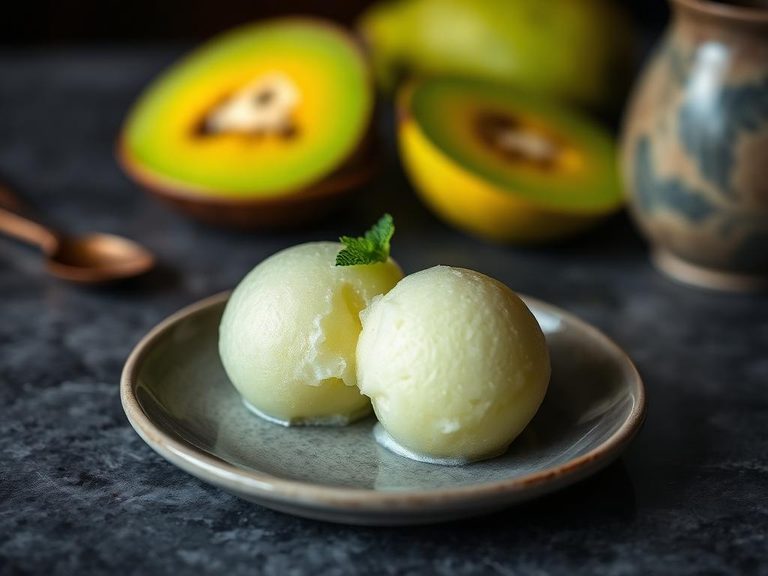
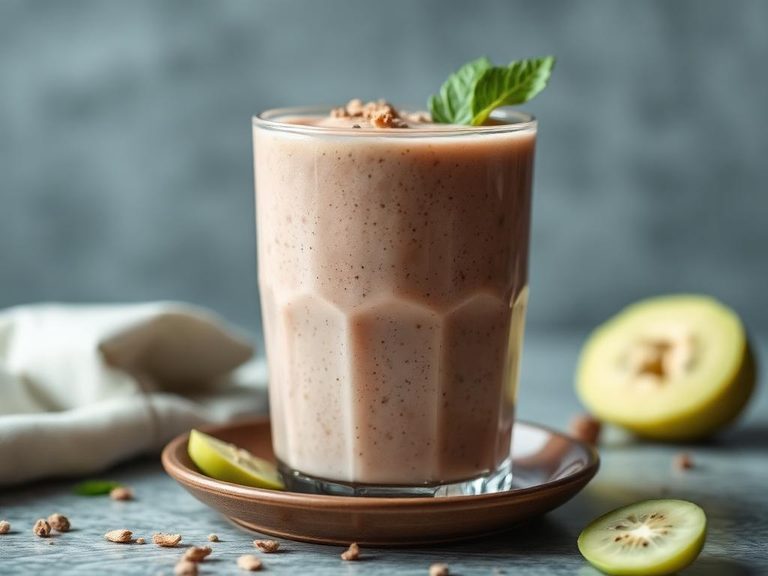
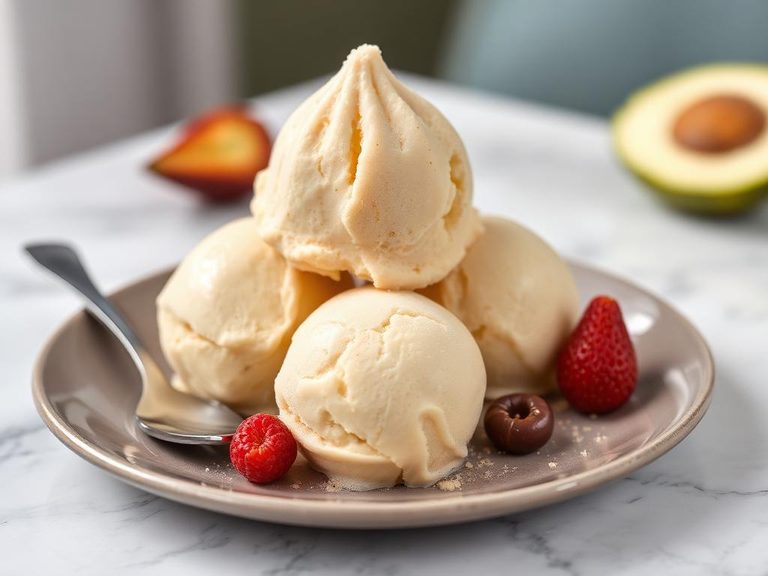
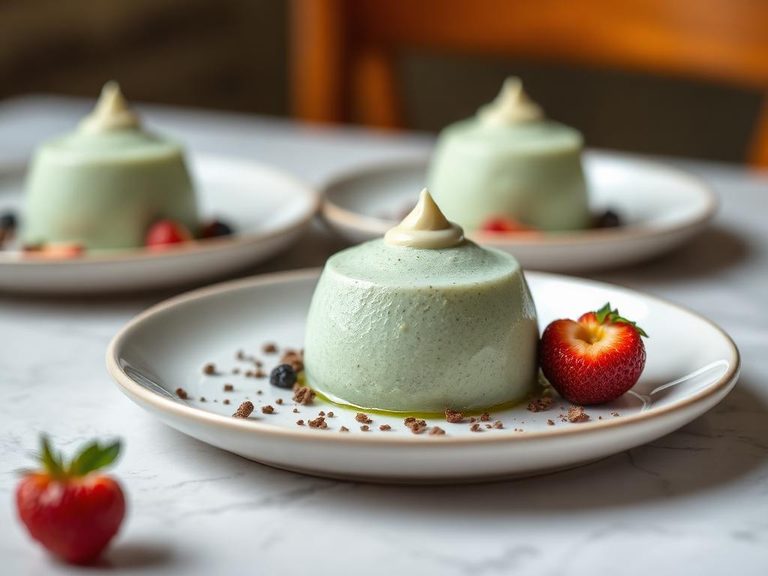
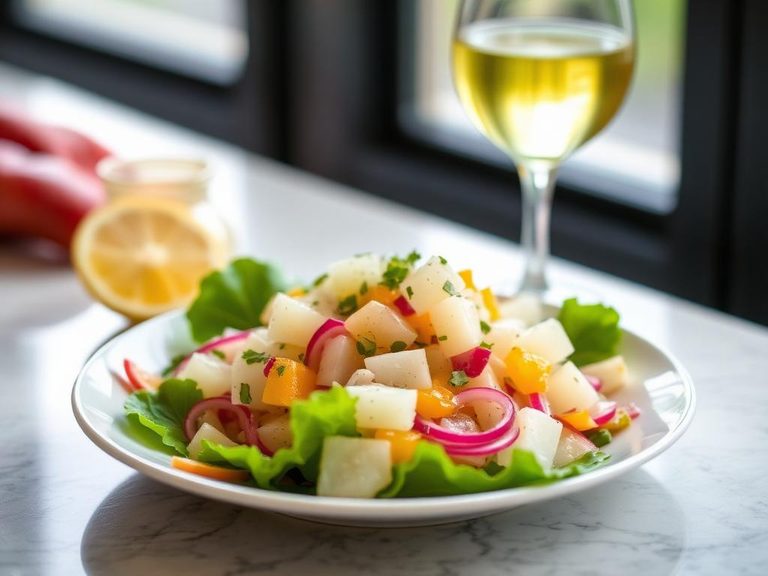
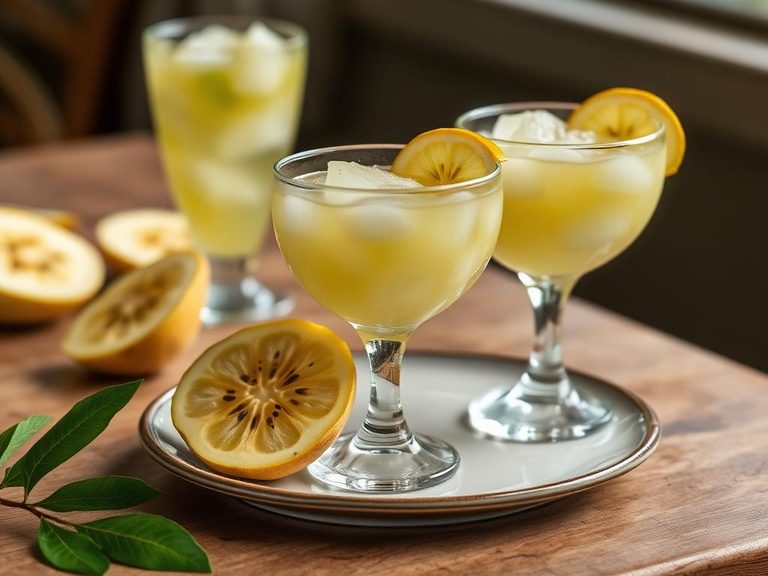
🍽️ Popular dishes
🌍 Where it's eaten
💡 Did you know?
The cherimoya is the national fruit of Peru, and its name comes from the Quechua word 'chirimuya,' meaning 'cold seeds,' as the fruit grows best in high-altitude, cooler climates.
Full nutrition (USDA data · scales with serving)
| Water | 79.4 g |
| Energy | 75.0 kcal |
| Energy | 313 kj |
| Protein | 1.6 g |
| Total lipid (fat) | 0.68 g |
| Ash | 0.65 g |
| Carbohydrate, by difference | 17.7 g |
| Fiber, total dietary | 3.0 g |
| Total Sugars | 12.9 g |
| Sucrose | 0.66 g |
| Glucose | 5.9 g |
| Fructose | 6.3 g |
| Lactose | 0.00 g |
| Maltose | 0.00 g |
| Galactose | 0.00 g |
| Starch | 0.00 g |
| Calcium, Ca | 10.0 mg |
| Iron, Fe | 0.27 mg |
| Magnesium, Mg | 17.0 mg |
| Phosphorus, P | 26.0 mg |
| Potassium, K | 287 mg |
| Sodium, Na | 7.0 mg |
| Zinc, Zn | 0.16 mg |
| Copper, Cu | 0.07 mg |
| Manganese, Mn | 0.09 mg |
| Vitamin C, total ascorbic acid | 12.6 mg |
| Thiamin | 0.10 mg |
| Riboflavin | 0.13 mg |
| Niacin | 0.64 mg |
| Pantothenic acid | 0.34 mg |
| Vitamin B-6 | 0.26 mg |
| Folate, total | 23.0 ug |
| Folic acid | 0.00 ug |
| Folate, food | 23.0 ug |
| Folate, DFE | 23.0 ug |
| Vitamin B-12 | 0.00 ug |
| Vitamin A, RAE | 0.00 ug |
| Retinol | 0.00 ug |
| Carotene, beta | 2.0 ug |
| Carotene, alpha | 0.00 ug |
| Cryptoxanthin, beta | 1.0 ug |
| Vitamin A, IU | 5.0 iu |
| Lycopene | 0.00 ug |
| Lutein + zeaxanthin | 6.0 ug |
| Vitamin E (alpha-tocopherol) | 0.27 mg |
| Tocopherol, beta | 0.00 mg |
| Tocopherol, gamma | 0.01 mg |
| Tocopherol, delta | 0.00 mg |
| Tocotrienol, alpha | 0.00 mg |
| Tocotrienol, beta | 0.01 mg |
| Tocotrienol, gamma | 0.03 mg |
| Tocotrienol, delta | 0.05 mg |
Fat & fatty acid profile (per 100g)
| Fatty acids, total saturated | 0.23 g |
| SFA 8:0 | 0.00 g |
| SFA 10:0 | 0.04 g |
| SFA 12:0 | 0.01 g |
| SFA 14:0 | 0.01 g |
| SFA 15:0 | 0.00 g |
| SFA 16:0 | 0.10 g |
| SFA 17:0 | 0.01 g |
| SFA 18:0 | 0.05 g |
| SFA 20:0 | 0.01 g |
| SFA 22:0 | 0.00 g |
| SFA 24:0 | 0.01 g |
| Fatty acids, total monounsaturated | 0.06 g |
| MUFA 14:1 | 0.01 g |
| MUFA 15:1 | 0.00 g |
| MUFA 16:1 | 0.03 g |
| MUFA 16:1 c | 0.03 g |
| MUFA 17:1 | 0.00 g |
| MUFA 18:1 | 0.02 g |
| MUFA 18:1 c | 0.02 g |
| MUFA 20:1 | 0.00 g |
| MUFA 22:1 | 0.00 g |
| MUFA 22:1 c | 0.00 g |
| MUFA 24:1 c | 0.00 g |
| Fatty acids, total polyunsaturated | 0.19 g |
| PUFA 18:2 | 0.03 g |
| PUFA 18:2 n-6 c,c | 0.03 g |
| PUFA 18:2 CLAs | 0.00 g |
| PUFA 18:3 | 0.16 g |
| PUFA 18:3 n-3 c,c,c (ALA) | 0.16 g |
| PUFA 18:3 n-6 c,c,c | 0.00 g |
| PUFA 18:4 | 0.00 g |
| PUFA 20:2 n-6 c,c | 0.00 g |
| PUFA 20:3 | 0.00 g |
| PUFA 20:3 n-3 | 0.00 g |
| PUFA 20:3 n-6 | 0.00 g |
| PUFA 20:4 | 0.00 g |
| PUFA 20:5 n-3 (EPA) | 0.00 g |
| PUFA 22:4 | 0.00 g |
| PUFA 22:5 n-3 (DPA) | 0.00 g |
| PUFA 22:6 n-3 (DHA) | 0.00 g |
| Fatty acids, total trans | 0.00 g |
| Fatty acids, total trans-monoenoic | 0.00 g |
| TFA 16:1 t | 0.00 g |
| TFA 18:1 t | 0.00 g |
| TFA 22:1 t | 0.00 g |
| TFA 18:2 t not further defined | 0.00 g |
| Fatty acids, total trans-polyenoic | 0.00 g |
| Cholesterol | 0.00 mg |
Amino acid profile (per 100g)
| Tryptophan | 0.03 g |
| Threonine | 0.05 g |
| Isoleucine | 0.04 g |
| Leucine | 0.06 g |
| Lysine | 0.04 g |
| Methionine | 0.02 g |
| Cystine | 0.01 g |
| Phenylalanine | 0.04 g |
| Tyrosine | 0.03 g |
| Valine | 0.06 g |
| Arginine | 0.03 g |
| Histidine | 0.02 g |
| Alanine | 0.06 g |
| Aspartic acid | 0.10 g |
| Glutamic acid | 0.20 g |
| Glycine | 0.05 g |
| Proline | 0.16 g |
| Serine | 0.06 g |
FAQ
How do you know when a cherimoya is ripe?
It's ripe when the skin gives slightly to gentle pressure, similar to an avocado. The skin may also turn from green to a yellowish-brown and feel slightly rough.
Can you eat the skin of a cherimoya?
No, the skin is tough, bitter, and unpleasant to eat. It should be peeled away to access the edible flesh inside.
What's the best way to eat a cherimoya?
Simply cut it in half lengthwise, use a spoon to scoop out the creamy flesh, and be sure to spit out the large, hard black seeds as you go.
Nutrient density (calculated · NRF9.3)
Nutrient Rich Foods index: beneficial nutrients (protein, fiber, vitamins, minerals) minus saturated fat, added sugar & sodium, per 100 kcal.
NRF9.3 index — Fulgoni, Keast & Drewnowski, 2009. Computed from USDA nutrients.
Weight-loss friendliness (composite index)
Energy density 0.75 kcal/g · 8% calories from protein · 3.0 g fiber · 12.9 g sugar per 100 g.
Composite of energy density (Rolls et al., 1999), protein & fiber satiety, minus sugar. A calculated heuristic — ranks satiety-per-calorie, not a clinical measure.
Dietary load (calculated from USDA values)
Potential renal acid load. Positive = acid-forming, negative = alkaline-forming.
Sodium-to-potassium ratio: 0.02 (lower is better — aim for ≤ 1)
Sodium:potassium per WHO potassium guidance. Computed from USDA nutrients.