

Tortilla chips, yellow, plain, salted
Whole food · Snacks
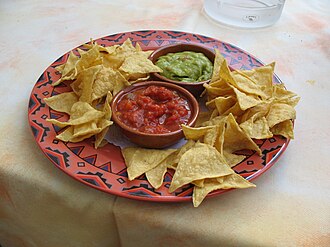
Photo: Wikipedia
Golden, triangular slices of corn tortilla, fried or baked until shatteringly crisp with a satisfying, salty crunch. Each 100g provides a substantial 497 kcal, primarily from 67.38g of carbohydrates, making it an energy-dense snack. The simple composition of corn, oil, and salt delivers a straightforward, savory flavor profile.
Calorie split: 5% protein · 54% carbs · 40% fat
↓ Full nutrition💚 Why it's loved
People love them for their addictive, salty crunch and neutral corn flavor that perfectly complements bold dips like salsa, guacamole, or cheese. They are a cultural staple for casual gatherings, movie nights, and as the essential vehicle for nachos.
⚠️ Watch-outs & how to enjoy it better
The high carbohydrate and calorie content can lead to blood sugar spikes, and the 1.21g of sodium per 100g (from added salt) may be a concern for those monitoring intake. To mitigate, pair with protein and healthy fats (like beans, meat, or avocado) to slow digestion, practice strict portion control (e.g., a single 28g serving), and choose low-sodium versions when available.
Key benefits
- Quick source of energy from carbohydrates
- Contains dietary fiber (4.7g per 100g)
- Provides a small amount of plant-based protein
- Gluten-free when made from 100% corn
- A versatile base for dips and toppings
🍽️ Popular dishes
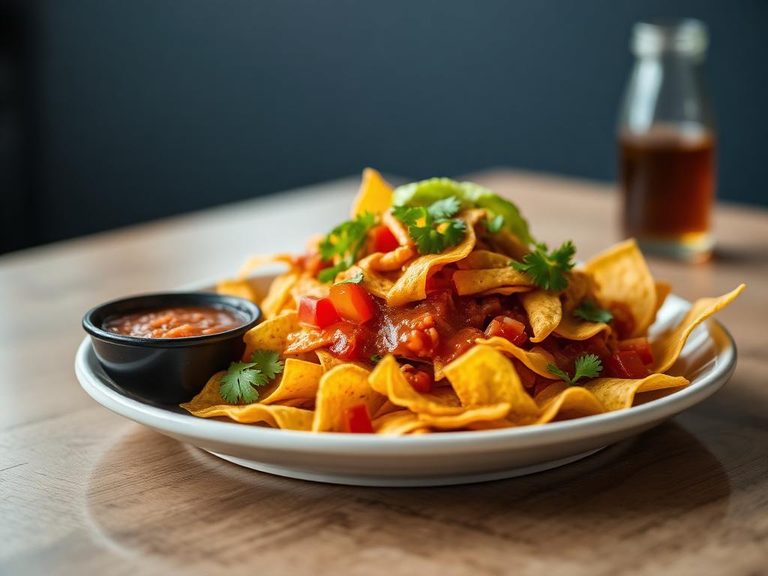
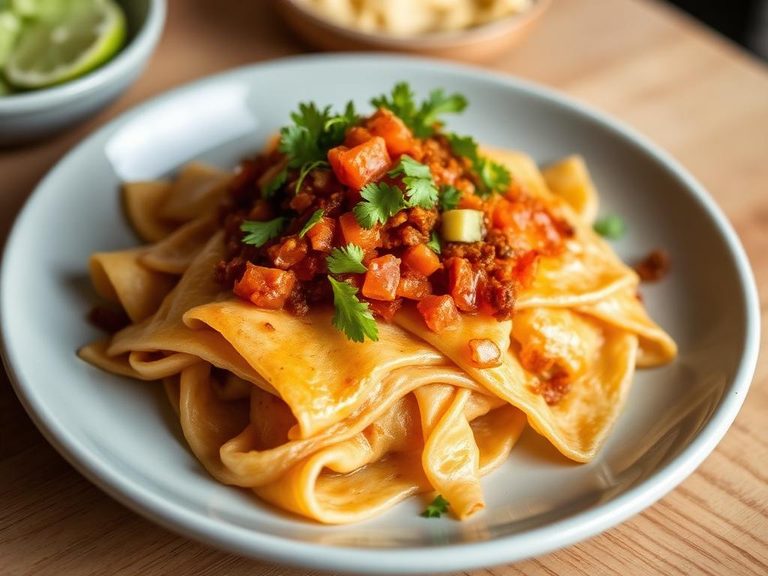
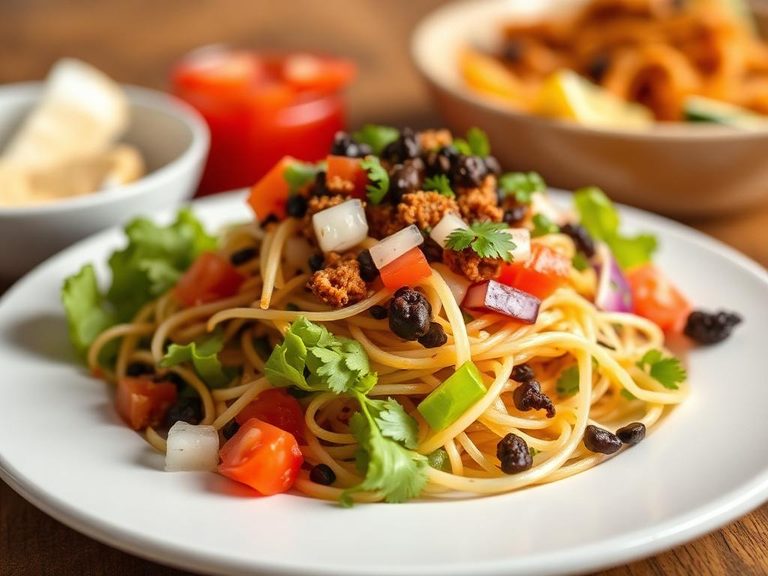
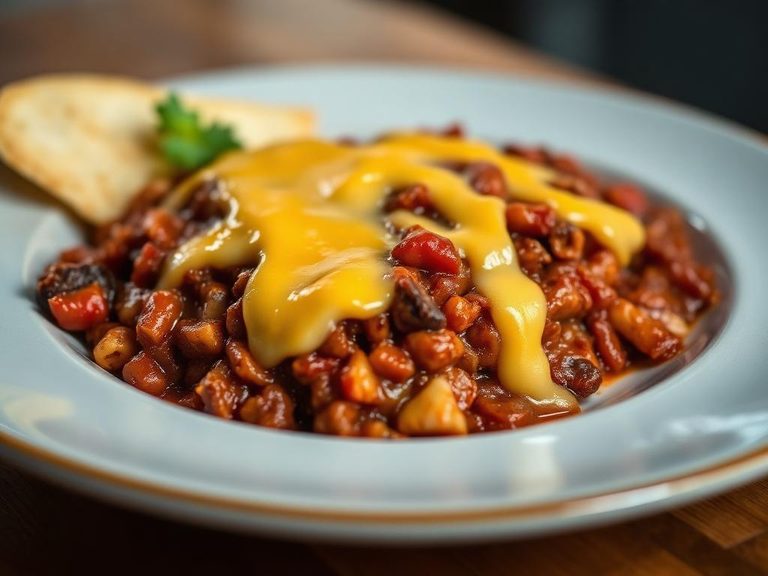
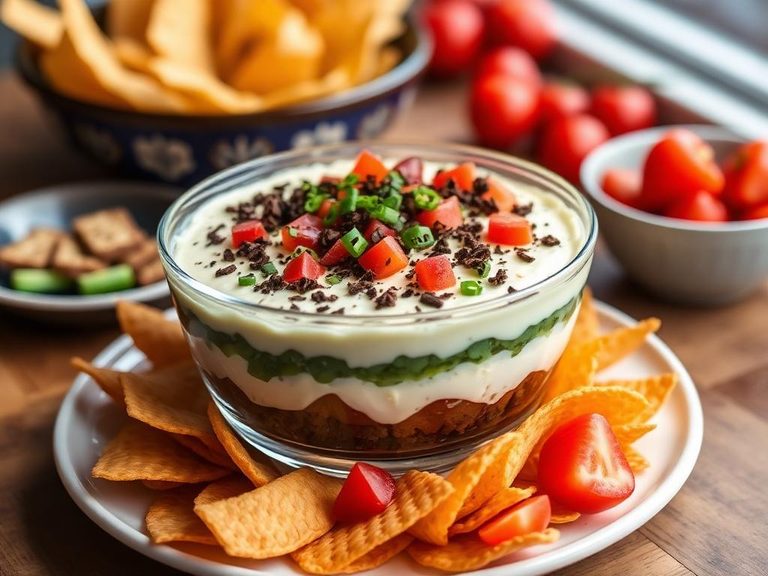
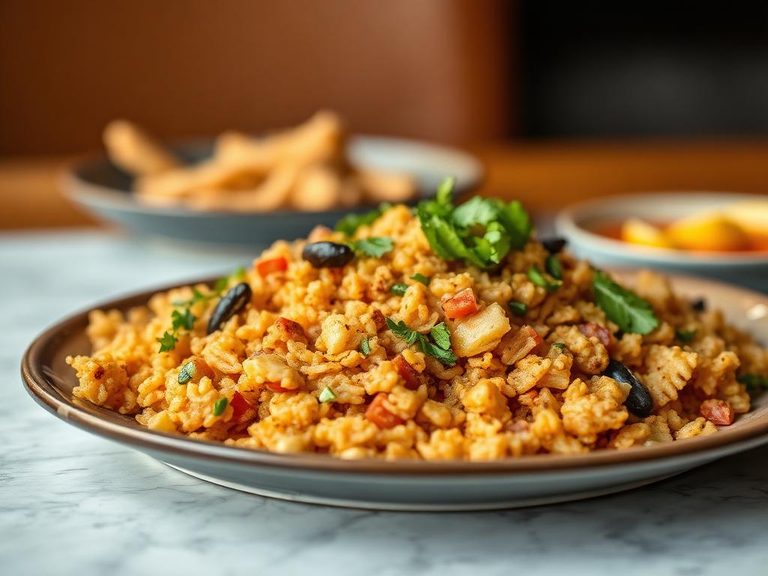
🌍 Where it's eaten
💡 Did you know?
The modern tortilla chip was popularized in the 1940s by Rebecca Webb Carranza, who had the idea to cut and fry rejected tortillas from her factory's automated line.
Full nutrition (USDA data · scales with serving)
| Water | 1.9 g |
| Energy | 497 kcal |
| Energy | 2080 kj |
| Protein | 6.6 g |
| Total lipid (fat) | 22.3 g |
| Ash | 1.7 g |
| Carbohydrate, by difference | 67.4 g |
| Fiber, total dietary | 4.7 g |
| Total Sugars | 1.2 g |
| Sucrose | 0.89 g |
| Glucose | 0.16 g |
| Fructose | 0.16 g |
| Lactose | 0.00 g |
| Maltose | 0.00 g |
| Galactose | 0.00 g |
| Starch | 60.5 g |
| Calcium, Ca | 104 mg |
| Iron, Fe | 1.3 mg |
| Magnesium, Mg | 84.0 mg |
| Phosphorus, P | 234 mg |
| Potassium, K | 206 mg |
| Sodium, Na | 310 mg |
| Zinc, Zn | 1.5 mg |
| Copper, Cu | 0.10 mg |
| Manganese, Mn | 0.36 mg |
| Selenium, Se | 8.4 ug |
| Fluoride, F | 0.00 ug |
| Vitamin C, total ascorbic acid | 0.00 mg |
| Thiamin | 0.13 mg |
| Riboflavin | 0.04 mg |
| Niacin | 1.5 mg |
| Pantothenic acid | 0.41 mg |
| Vitamin B-6 | 0.20 mg |
| Folate, total | 22.0 ug |
| Folic acid | 0.00 ug |
| Folate, food | 22.0 ug |
| Folate, DFE | 22.0 ug |
| Choline, total | 19.1 mg |
| Betaine | 0.00 mg |
| Vitamin B-12 | 0.00 ug |
| Vitamin B-12, added | 0.00 ug |
| Vitamin A, RAE | 8.0 ug |
| Retinol | 0.00 ug |
| Carotene, beta | 39.0 ug |
| Carotene, alpha | 56.0 ug |
| Cryptoxanthin, beta | 57.0 ug |
| Vitamin A, IU | 158 iu |
| Lycopene | 0.00 ug |
| Lutein + zeaxanthin | 1198 ug |
| Vitamin E (alpha-tocopherol) | 3.0 mg |
| Vitamin E, added | 0.00 mg |
| Vitamin D (D2 + D3), International Units | 0.00 iu |
| Vitamin D (D2 + D3) | 0.00 ug |
| Vitamin K (phylloquinone) | 0.60 ug |
| Alcohol, ethyl | 0.00 g |
| Caffeine | 0.00 mg |
| Theobromine | 0.00 mg |
Fat & fatty acid profile (per 100g)
| Fatty acids, total saturated | 2.8 g |
| SFA 4:0 | 0.01 g |
| SFA 6:0 | 0.00 g |
| SFA 8:0 | 0.01 g |
| SFA 10:0 | 0.02 g |
| SFA 12:0 | 0.00 g |
| SFA 14:0 | 0.02 g |
| SFA 15:0 | 0.00 g |
| SFA 16:0 | 2.1 g |
| SFA 17:0 | 0.01 g |
| SFA 18:0 | 0.47 g |
| SFA 20:0 | 0.06 g |
| SFA 22:0 | 0.02 g |
| SFA 24:0 | 0.03 g |
| Fatty acids, total monounsaturated | 8.6 g |
| MUFA 14:1 | 0.00 g |
| MUFA 15:1 | 0.00 g |
| MUFA 16:1 | 0.03 g |
| MUFA 16:1 c | 0.03 g |
| MUFA 17:1 | 0.01 g |
| MUFA 18:1 | 8.4 g |
| MUFA 18:1 c | 8.4 g |
| MUFA 20:1 | 0.10 g |
| MUFA 22:1 | 0.00 g |
| MUFA 22:1 c | 0.00 g |
| MUFA 24:1 c | 0.00 g |
| Fatty acids, total polyunsaturated | 9.2 g |
| PUFA 18:2 | 8.8 g |
| PUFA 18:2 n-6 c,c | 8.8 g |
| PUFA 18:2 CLAs | 0.01 g |
| PUFA 18:3 | 0.31 g |
| PUFA 18:3 n-3 c,c,c (ALA) | 0.31 g |
| PUFA 18:3 n-6 c,c,c | 0.00 g |
| PUFA 18:4 | 0.00 g |
| PUFA 20:2 n-6 c,c | 0.01 g |
| PUFA 20:3 | 0.00 g |
| PUFA 20:3 n-3 | 0.00 g |
| PUFA 20:3 n-6 | 0.00 g |
| PUFA 20:4 | 0.00 g |
| PUFA 20:5 n-3 (EPA) | 0.01 g |
| PUFA 22:4 | 0.00 g |
| PUFA 22:5 n-3 (DPA) | 0.00 g |
| PUFA 22:6 n-3 (DHA) | 0.00 g |
| Fatty acids, total trans | 0.07 g |
| Fatty acids, total trans-monoenoic | 0.02 g |
| TFA 16:1 t | 0.00 g |
| TFA 18:1 t | 0.02 g |
| TFA 22:1 t | 0.00 g |
| TFA 18:2 t not further defined | 0.05 g |
| Fatty acids, total trans-polyenoic | 0.05 g |
| Cholesterol | 0.00 mg |
Amino acid profile (per 100g)
Estimated from Snacks, tortilla chips, nacho cheese — USDA does not publish this profile for Tortilla chips.
| Tryptophan | 0.07 g |
| Threonine | 0.28 g |
| Isoleucine | 0.30 g |
| Leucine | 0.88 g |
| Lysine | 0.29 g |
| Methionine | 0.16 g |
| Cystine | 0.13 g |
| Phenylalanine | 0.37 g |
| Tyrosine | 0.32 g |
| Valine | 0.40 g |
| Arginine | 0.39 g |
| Histidine | 0.24 g |
| Alanine | 0.50 g |
| Aspartic acid | 0.54 g |
| Glutamic acid | 1.5 g |
| Glycine | 0.29 g |
| Proline | 0.68 g |
| Serine | 0.37 g |
| Hydroxyproline | 0.00 g |
FAQ
Are tortilla chips gluten-free?
Yes, traditional tortilla chips made from 100% corn masa are naturally gluten-free. However, always check labels for cross-contamination or added ingredients if you have celiac disease.
What's the difference between tortilla chips and potato chips?
Tortilla chips are made from corn tortillas, while potato chips are sliced from potatoes. Corn chips have a denser, more substantial crunch and a distinct corn flavor, whereas potato chips are typically thinner and crispier.
Can I make healthier tortilla chips at home?
Yes. You can cut corn tortillas into wedges, lightly spray them with oil, and bake or air-fry them until crisp. This significantly reduces the fat content compared to deep-fried versions.
Nutrient density (calculated · NRF9.3)
Nutrient Rich Foods index: beneficial nutrients (protein, fiber, vitamins, minerals) minus saturated fat, added sugar & sodium, per 100 kcal.
NRF9.3 index — Fulgoni, Keast & Drewnowski, 2009. Computed from USDA nutrients.
Weight-loss friendliness (composite index)
Energy density 4.97 kcal/g · 5% calories from protein · 4.7 g fiber · 1.2 g sugar per 100 g.
Composite of energy density (Rolls et al., 1999), protein & fiber satiety, minus sugar. A calculated heuristic — ranks satiety-per-calorie, not a clinical measure.
Dietary load (calculated from USDA values)
Potential renal acid load. Positive = acid-forming, negative = alkaline-forming.
Sodium-to-potassium ratio: 1.50 (lower is better — aim for ≤ 1)
Sodium:potassium per WHO potassium guidance. Computed from USDA nutrients.