

Spices, paprika
Whole food · Spices and Herbs
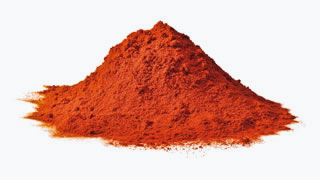
Photo: Wikipedia
Paprika is a vibrant, sun-dried spice ground from the pods of specific pepper varieties, offering a spectrum of flavors from sweet and fruity to smoky and pungent. Its deep red hue adds a warm, earthy sweetness to dishes, often with a subtle, lingering heat. Nutritionally, it's a surprising powerhouse, packed with fiber and antioxidants like capsanthin, which gives it its brilliant color.
Calorie split: 15% protein · 56% carbs · 30% fat
↓ Full nutrition💚 Why it's loved
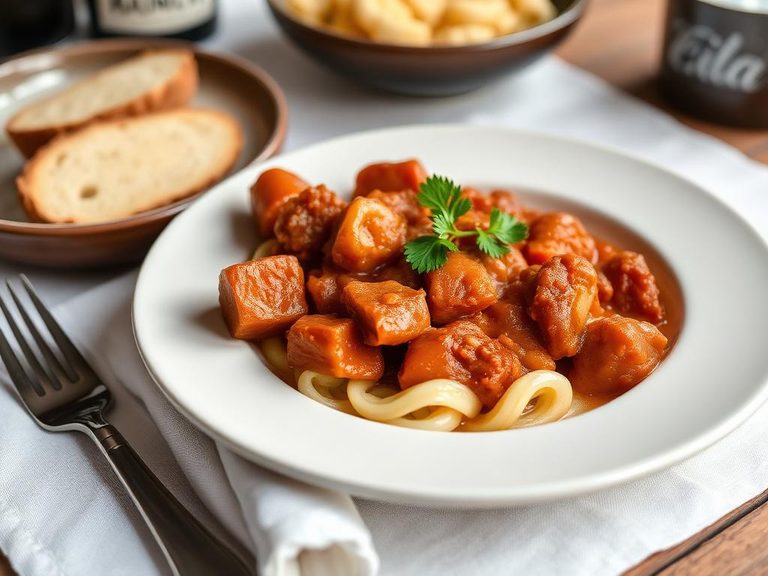
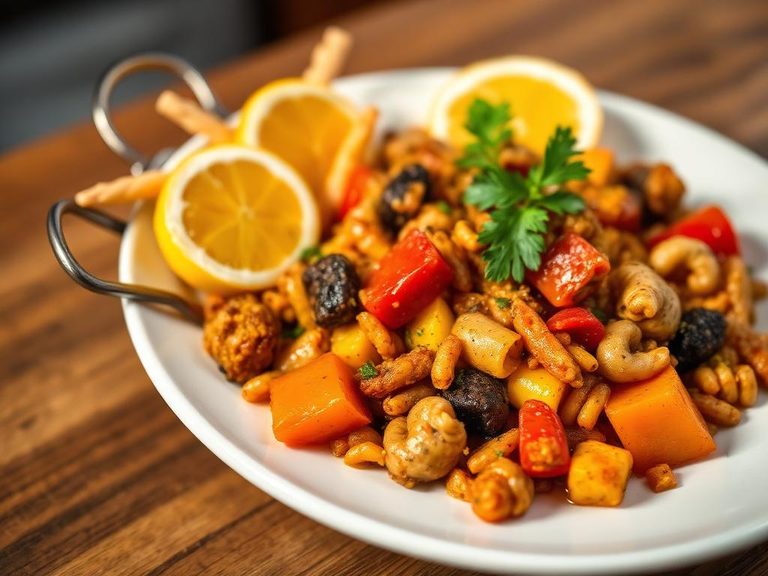
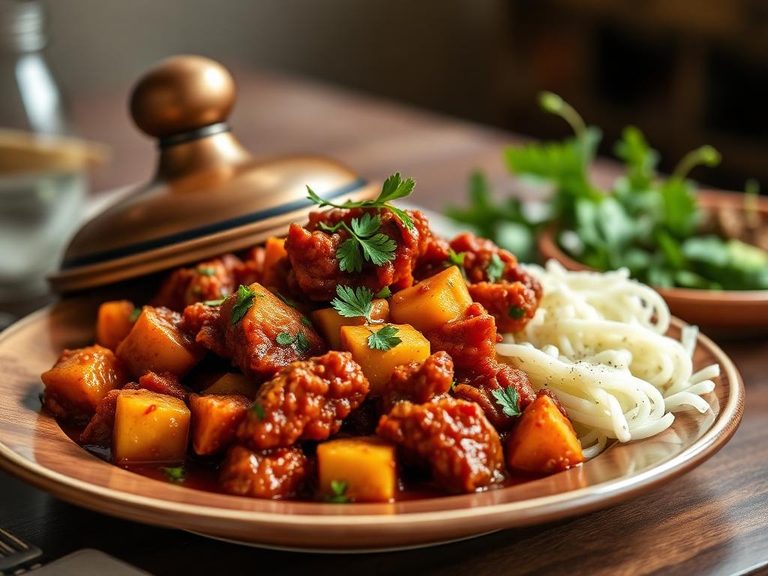
People love paprika for its incredible versatility—it can be a gentle colorant, a sweet base note, or a smoky, bold centerpiece. It's the soul of many spice blends and a cultural icon, defining the flavor profiles of cuisines from Hungarian goulash to Spanish chorizo.
⚠️ Watch-outs & how to enjoy it better
While generally mild, some varieties (like hot paprika) can cause digestive discomfort or heartburn in sensitive individuals. Its high fiber content, if consumed in large supplemental doses (not typical culinary use), could cause bloating. Tip: Use it as part of a balanced dish, not a concentrated supplement, and start with sweet or smoked varieties if you're sensitive to heat.
Key benefits
- Rich in antioxidants, particularly capsanthin and beta-carotene.
- Excellent source of dietary fiber (34.9g per 100g).
- Contains vitamins A and E, supporting eye and skin health.
- May have anti-inflammatory properties from its carotenoid content.
🍽️ Popular dishes

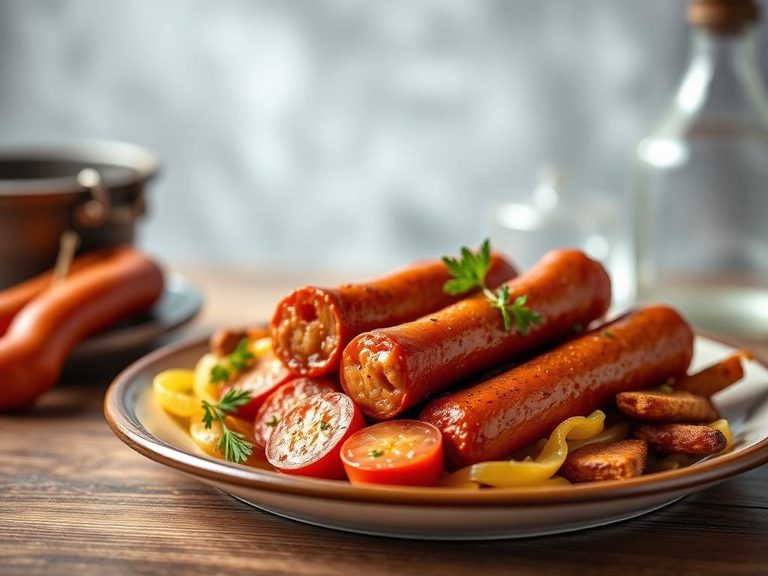
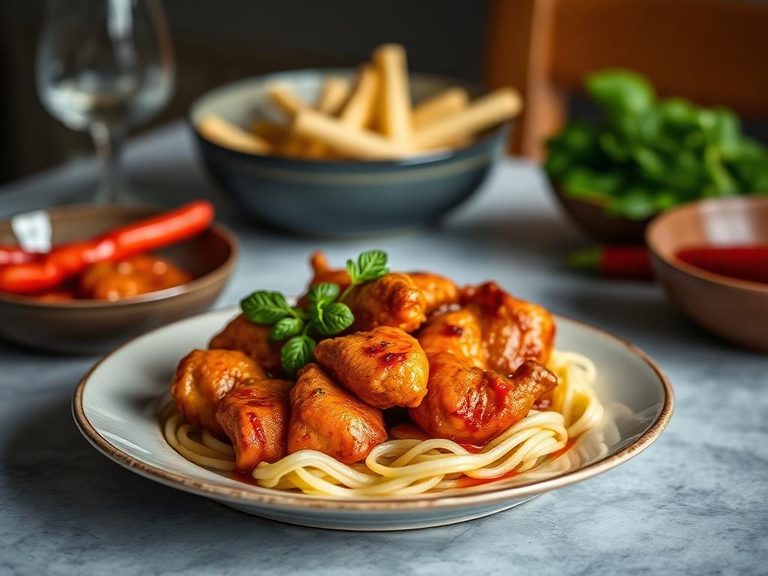
🌍 Where it's eaten
💡 Did you know?
The color of paprika is so prized that in the early 20th century, some unscrupulous producers would adulterate it with brick dust or lead oxide to enhance its redness.
Full nutrition (USDA data · scales with serving)
| Water | 11.2 g |
| Energy | 282 kcal |
| Energy | 1181 kj |
| Protein | 14.1 g |
| Total lipid (fat) | 12.9 g |
| Ash | 7.7 g |
| Carbohydrate, by difference | 54.0 g |
| Fiber, total dietary | 34.9 g |
| Total Sugars | 10.3 g |
| Sucrose | 0.81 g |
| Glucose | 2.6 g |
| Fructose | 6.7 g |
| Lactose | 0.00 g |
| Maltose | 0.00 g |
| Galactose | 0.19 g |
| Calcium, Ca | 229 mg |
| Iron, Fe | 21.1 mg |
| Magnesium, Mg | 178 mg |
| Phosphorus, P | 314 mg |
| Potassium, K | 2280 mg |
| Sodium, Na | 68.0 mg |
| Zinc, Zn | 4.3 mg |
| Copper, Cu | 0.71 mg |
| Manganese, Mn | 1.6 mg |
| Selenium, Se | 6.3 ug |
| Vitamin C, total ascorbic acid | 0.90 mg |
| Thiamin | 0.33 mg |
| Riboflavin | 1.2 mg |
| Niacin | 10.1 mg |
| Pantothenic acid | 2.5 mg |
| Vitamin B-6 | 2.1 mg |
| Folate, total | 49.0 ug |
| Folic acid | 0.00 ug |
| Folate, food | 49.0 ug |
| Folate, DFE | 49.0 ug |
| Choline, total | 51.5 mg |
| Betaine | 7.1 mg |
| Vitamin B-12 | 0.00 ug |
| Vitamin B-12, added | 0.00 ug |
| Vitamin A, RAE | 2463 ug |
| Retinol | 0.00 ug |
| Carotene, beta | 26162 ug |
| Carotene, alpha | 595 ug |
| Cryptoxanthin, beta | 6186 ug |
| Vitamin A, IU | 49254 iu |
| Lycopene | 0.00 ug |
| Lutein + zeaxanthin | 18944 ug |
| Vitamin E (alpha-tocopherol) | 29.1 mg |
| Vitamin E, added | 0.00 mg |
| Tocopherol, beta | 0.35 mg |
| Tocopherol, gamma | 3.5 mg |
| Tocopherol, delta | 0.25 mg |
| Tocotrienol, alpha | 4.0 mg |
| Tocotrienol, beta | 0.00 mg |
| Tocotrienol, gamma | 0.09 mg |
| Tocotrienol, delta | 0.00 mg |
| Vitamin D (D2 + D3), International Units | 0.00 iu |
| Vitamin D (D2 + D3) | 0.00 ug |
| Vitamin K (phylloquinone) | 80.3 ug |
| Vitamin K (Dihydrophylloquinone) | 0.00 ug |
| Alcohol, ethyl | 0.00 g |
| Caffeine | 0.00 mg |
| Theobromine | 0.00 mg |
Fat & fatty acid profile (per 100g)
| Fatty acids, total saturated | 2.1 g |
| SFA 4:0 | 0.00 g |
| SFA 6:0 | 0.00 g |
| SFA 8:0 | 0.00 g |
| SFA 10:0 | 0.00 g |
| SFA 12:0 | 0.07 g |
| SFA 13:0 | 0.00 g |
| SFA 14:0 | 0.17 g |
| SFA 15:0 | 0.00 g |
| SFA 16:0 | 1.5 g |
| SFA 17:0 | 0.00 g |
| SFA 18:0 | 0.34 g |
| SFA 20:0 | 0.05 g |
| SFA 22:0 | 0.05 g |
| SFA 24:0 | 0.00 g |
| Fatty acids, total monounsaturated | 1.7 g |
| MUFA 14:1 | 0.00 g |
| MUFA 15:1 | 0.00 g |
| MUFA 16:1 | 0.07 g |
| MUFA 17:1 | 0.00 g |
| MUFA 18:1 | 1.6 g |
| MUFA 18:1 c | 1.6 g |
| MUFA 20:1 | 0.02 g |
| MUFA 22:1 | 0.00 g |
| MUFA 24:1 c | 0.00 g |
| Fatty acids, total polyunsaturated | 7.8 g |
| PUFA 18:2 | 7.3 g |
| PUFA 18:3 | 0.45 g |
| PUFA 18:3 n-3 c,c,c (ALA) | 0.45 g |
| PUFA 18:3 n-6 c,c,c | 0.00 g |
| PUFA 18:4 | 0.00 g |
| PUFA 20:2 n-6 c,c | 0.00 g |
| PUFA 20:3 | 0.00 g |
| PUFA 20:4 | 0.00 g |
| PUFA 20:5 n-3 (EPA) | 0.00 g |
| PUFA 22:5 n-3 (DPA) | 0.00 g |
| PUFA 22:6 n-3 (DHA) | 0.00 g |
| Fatty acids, total trans | 0.00 g |
| Fatty acids, total trans-monoenoic | 0.00 g |
| TFA 18:1 t | 0.00 g |
| Cholesterol | 0.00 mg |
| Phytosterols | 175 mg |
Amino acid profile (per 100g)
| Tryptophan | 0.07 g |
| Threonine | 0.49 g |
| Isoleucine | 0.57 g |
| Leucine | 0.92 g |
| Lysine | 0.69 g |
| Methionine | 0.20 g |
| Cystine | 0.23 g |
| Phenylalanine | 0.61 g |
| Tyrosine | 0.38 g |
| Valine | 0.75 g |
| Arginine | 0.89 g |
| Histidine | 0.25 g |
| Alanine | 0.64 g |
| Aspartic acid | 2.9 g |
| Glutamic acid | 2.3 g |
| Glycine | 0.78 g |
| Proline | 2.3 g |
| Serine | 0.61 g |
| Hydroxyproline | 0.00 g |
FAQ
What's the difference between sweet, smoked, and hot paprika?
Sweet paprika is mild and fruity, smoked (Pimentón) is dried over oak fires for a deep, smoky flavor, and hot paprika is made from spicier pepper varieties, adding significant heat.
How should I store paprika to keep its flavor?
Store it in a cool, dark place in an airtight container. While it won't spoil, its flavor and color potency fade significantly after about a year.
Can paprika be used as a health supplement?
While it contains beneficial compounds, it's used as a spice in small amounts. Relying on it as a primary source of nutrients isn't practical; its value is in enhancing the flavor and nutritional profile of whole foods.
Nutrient density (calculated · NRF9.3)
Nutrient Rich Foods index: beneficial nutrients (protein, fiber, vitamins, minerals) minus saturated fat, added sugar & sodium, per 100 kcal.
NRF9.3 index — Fulgoni, Keast & Drewnowski, 2009. Computed from USDA nutrients.
Weight-loss friendliness (composite index)
Energy density 2.82 kcal/g · 20% calories from protein · 34.9 g fiber · 10.3 g sugar per 100 g.
Composite of energy density (Rolls et al., 1999), protein & fiber satiety, minus sugar. A calculated heuristic — ranks satiety-per-calorie, not a clinical measure.
Dietary load (calculated from USDA values)
Potential renal acid load. Positive = acid-forming, negative = alkaline-forming.
Sodium-to-potassium ratio: 0.03 (lower is better — aim for ≤ 1)
Sodium:potassium per WHO potassium guidance. Computed from USDA nutrients.