

Seeds, sunflower seed kernels, oil roasted, without salt
Whole food · Nut and Seed Products
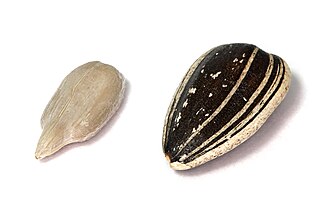
Photo: Wikipedia
Oil-roasted sunflower kernels are a deeply savory, crunchy snack with a rich, nutty flavor and a satisfying, slightly chewy texture. They are a powerhouse of energy-dense nutrition, offering a substantial 51.3 grams of healthy fats and over 20 grams of protein per 100 grams, making them a favorite for sustained fuel. Their golden-brown color and toasted aroma make them an irresistible addition to both sweet and savory dishes.
Calorie split: 13% protein · 14% carbs · 73% fat
↓ Full nutrition💚 Why it's loved
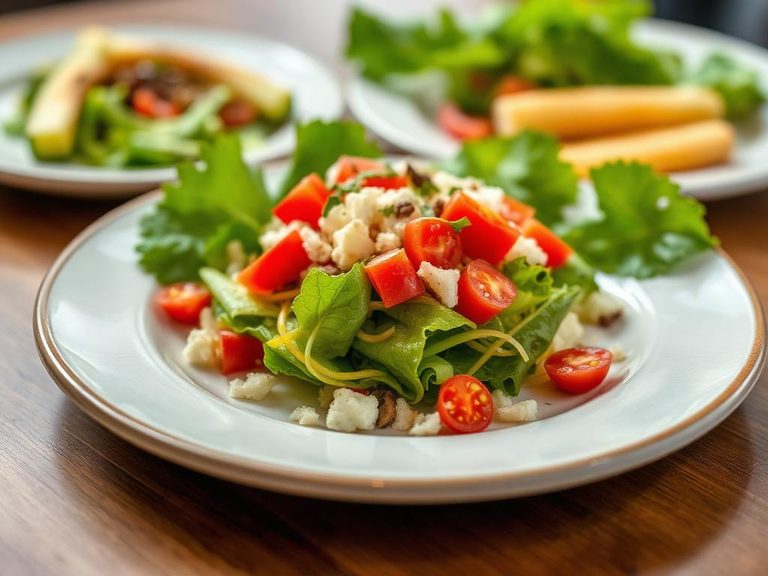
People love them for their intense, toasty flavor and addictive crunch, which elevates salads, trail mixes, and baked goods. Their versatility as a topping, snack, or ingredient makes them a staple in many cuisines, from German baking to American snacking.
⚠️ Watch-outs & how to enjoy it better
Their high fat and calorie density means portion control is key to avoid excess calorie intake. They are a common allergen, and the roasting process can sometimes add hidden sodium, so it's wise to check labels or opt for unsalted versions. To counteract, pair a small handful with a piece of fruit or yogurt to balance the fat with fiber and protein.
Key benefits
- Excellent source of vitamin E, a potent antioxidant.
- High in magnesium, supporting muscle and nerve function.
- Provides a complete protein profile with all essential amino acids.
- Rich in selenium, which supports thyroid health.
- Good source of dietary fiber for digestive health.
🍽️ Popular dishes
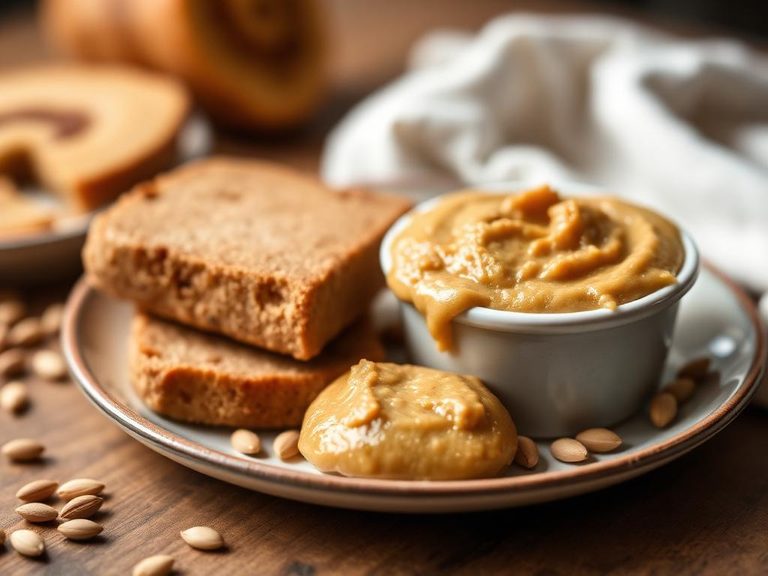
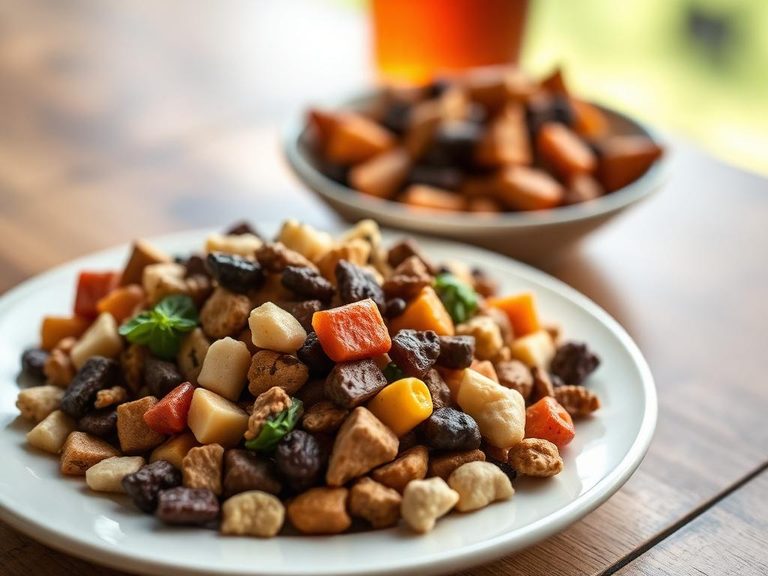
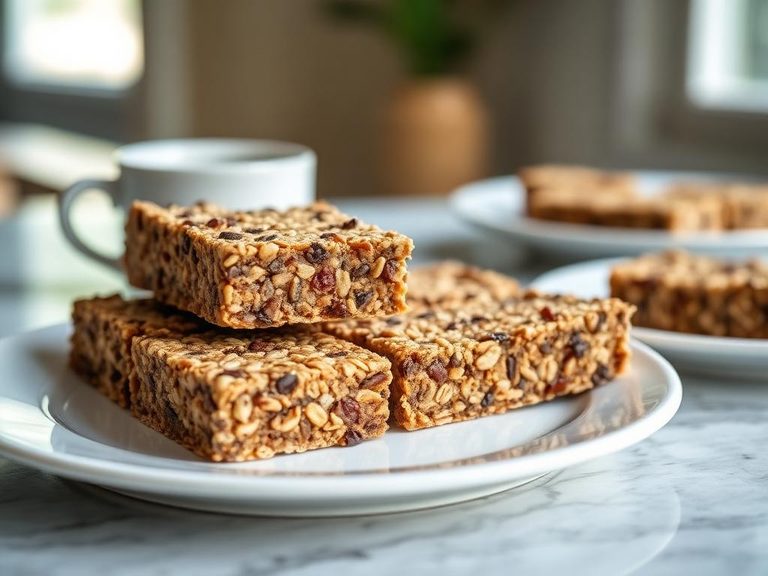

🌍 Where it's eaten
💡 Did you know?
Sunflower seeds get their name because the flower head tracks the sun across the sky during the day, a phenomenon called heliotropism.
Full nutrition (USDA data · scales with serving)
| Water | 1.5 g |
| Energy | 592 kcal |
| Energy | 2477 kj |
| Protein | 20.1 g |
| Total lipid (fat) | 51.3 g |
| Ash | 4.2 g |
| Carbohydrate, by difference | 22.9 g |
| Fiber, total dietary | 10.6 g |
| Total Sugars | 3.1 g |
| Sucrose | 2.4 g |
| Glucose | 0.74 g |
| Fructose | 0.00 g |
| Lactose | 0.00 g |
| Maltose | 0.00 g |
| Calcium, Ca | 87.0 mg |
| Iron, Fe | 4.3 mg |
| Magnesium, Mg | 127 mg |
| Phosphorus, P | 1139 mg |
| Potassium, K | 483 mg |
| Sodium, Na | 3.0 mg |
| Zinc, Zn | 5.2 mg |
| Copper, Cu | 1.8 mg |
| Manganese, Mn | 2.1 mg |
| Selenium, Se | 78.2 ug |
| Vitamin C, total ascorbic acid | 1.1 mg |
| Thiamin | 0.32 mg |
| Riboflavin | 0.28 mg |
| Niacin | 4.1 mg |
| Pantothenic acid | 6.9 mg |
| Vitamin B-6 | 0.79 mg |
| Folate, total | 234 ug |
| Folic acid | 0.00 ug |
| Folate, food | 234 ug |
| Folate, DFE | 234 ug |
| Choline, total | 55.1 mg |
| Vitamin B-12 | 0.00 ug |
| Vitamin B-12, added | 0.00 ug |
| Vitamin A, RAE | 0.00 ug |
| Retinol | 0.00 ug |
| Carotene, beta | 5.0 ug |
| Carotene, alpha | 0.00 ug |
| Cryptoxanthin, beta | 0.00 ug |
| Vitamin A, IU | 9.0 iu |
| Lycopene | 0.00 ug |
| Lutein + zeaxanthin | 0.00 ug |
| Vitamin E (alpha-tocopherol) | 36.3 mg |
| Vitamin E, added | 0.00 mg |
| Tocopherol, beta | 1.4 mg |
| Tocopherol, gamma | 0.46 mg |
| Tocopherol, delta | 0.00 mg |
| Tocotrienol, alpha | 0.00 mg |
| Tocotrienol, beta | 0.00 mg |
| Tocotrienol, gamma | 0.00 mg |
| Tocotrienol, delta | 0.00 mg |
| Vitamin D (D2 + D3), International Units | 0.00 iu |
| Vitamin D (D2 + D3) | 0.00 ug |
| Vitamin K (phylloquinone) | 3.1 ug |
| Alcohol, ethyl | 0.00 g |
| Caffeine | 0.00 mg |
| Theobromine | 0.00 mg |
Fat & fatty acid profile (per 100g)
| Fatty acids, total saturated | 7.1 g |
| SFA 4:0 | 0.00 g |
| SFA 6:0 | 0.00 g |
| SFA 8:0 | 0.00 g |
| SFA 10:0 | 0.00 g |
| SFA 12:0 | 0.00 g |
| SFA 13:0 | 0.00 g |
| SFA 14:0 | 0.09 g |
| SFA 15:0 | 0.01 g |
| SFA 16:0 | 4.2 g |
| SFA 17:0 | 0.02 g |
| SFA 18:0 | 2.1 g |
| SFA 20:0 | 0.15 g |
| SFA 22:0 | 0.38 g |
| SFA 24:0 | 0.11 g |
| Fatty acids, total monounsaturated | 8.1 g |
| MUFA 14:1 | 0.00 g |
| MUFA 15:1 | 0.00 g |
| MUFA 16:1 | 0.06 g |
| MUFA 16:1 c | 0.05 g |
| MUFA 17:1 | 0.00 g |
| MUFA 18:1 | 7.9 g |
| MUFA 18:1 c | 7.9 g |
| MUFA 20:1 | 0.08 g |
| MUFA 22:1 | 0.00 g |
| MUFA 24:1 c | 0.00 g |
| Fatty acids, total polyunsaturated | 34.3 g |
| PUFA 18:2 | 34.2 g |
| PUFA 18:2 n-6 c,c | 34.1 g |
| PUFA 18:3 | 0.08 g |
| PUFA 18:3 n-3 c,c,c (ALA) | 0.08 g |
| PUFA 18:3 n-6 c,c,c | 0.01 g |
| PUFA 18:4 | 0.00 g |
| PUFA 20:2 n-6 c,c | 0.01 g |
| PUFA 20:3 | 0.00 g |
| PUFA 20:4 | 0.00 g |
| PUFA 20:5 n-3 (EPA) | 0.00 g |
| PUFA 22:5 n-3 (DPA) | 0.00 g |
| PUFA 22:6 n-3 (DHA) | 0.00 g |
| Fatty acids, total trans | 0.16 g |
| Fatty acids, total trans-monoenoic | 0.07 g |
| TFA 16:1 t | 0.01 g |
| TFA 18:1 t | 0.07 g |
| TFA 18:2 t not further defined | 0.08 g |
| Fatty acids, total trans-polyenoic | 0.08 g |
| Cholesterol | 0.00 mg |
Amino acid profile (per 100g)
| Tryptophan | 0.31 g |
| Threonine | 0.82 g |
| Isoleucine | 1.0 g |
| Leucine | 1.5 g |
| Lysine | 0.82 g |
| Methionine | 0.43 g |
| Cystine | 0.40 g |
| Phenylalanine | 1.0 g |
| Tyrosine | 0.59 g |
| Valine | 1.2 g |
| Arginine | 2.1 g |
| Histidine | 0.56 g |
| Alanine | 0.98 g |
| Aspartic acid | 2.2 g |
| Glutamic acid | 4.9 g |
| Glycine | 1.3 g |
| Proline | 1.0 g |
| Serine | 0.95 g |
FAQ
Are sunflower seeds a good source of protein?
Yes, they are an excellent plant-based protein source, providing about 20 grams per 100 grams, which is comparable to many animal-based proteins.
What is the best way to store sunflower seeds?
Store them in an airtight container in a cool, dark place, or in the refrigerator or freezer to prevent the oils from going rancid and to maintain freshness.
Can sunflower seeds cause any health issues?
They are a common allergen. Also, their high calorie and fat content means overconsumption can lead to weight gain. The roasting process may add sodium, so choosing unsalted varieties is recommended for those monitoring salt intake.
Nutrient density (calculated · NRF9.3)
Nutrient Rich Foods index: beneficial nutrients (protein, fiber, vitamins, minerals) minus saturated fat, added sugar & sodium, per 100 kcal.
NRF9.3 index — Fulgoni, Keast & Drewnowski, 2009. Computed from USDA nutrients.
Weight-loss friendliness (composite index)
Energy density 5.92 kcal/g · 14% calories from protein · 10.6 g fiber · 3.1 g sugar per 100 g.
Composite of energy density (Rolls et al., 1999), protein & fiber satiety, minus sugar. A calculated heuristic — ranks satiety-per-calorie, not a clinical measure.
Dietary load (calculated from USDA values)
Potential renal acid load. Positive = acid-forming, negative = alkaline-forming.
Sodium-to-potassium ratio: 0.01 (lower is better — aim for ≤ 1)
Sodium:potassium per WHO potassium guidance. Computed from USDA nutrients.