

Bread and roll inclusions
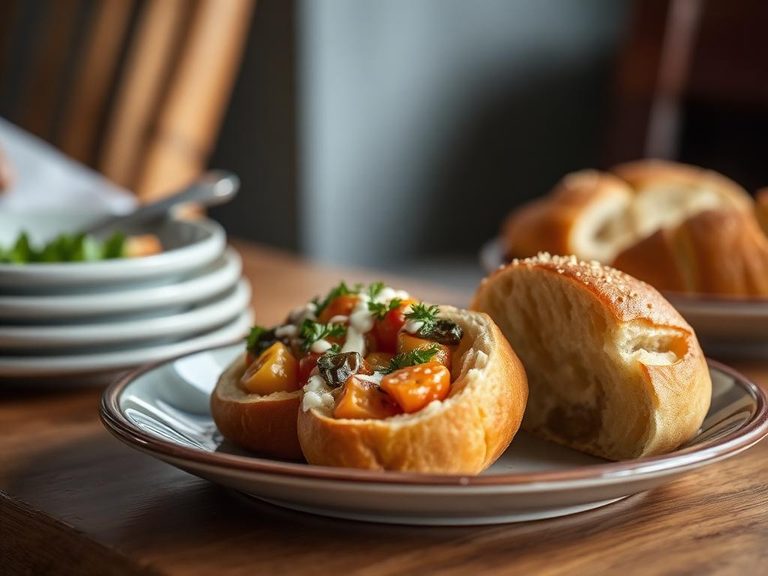
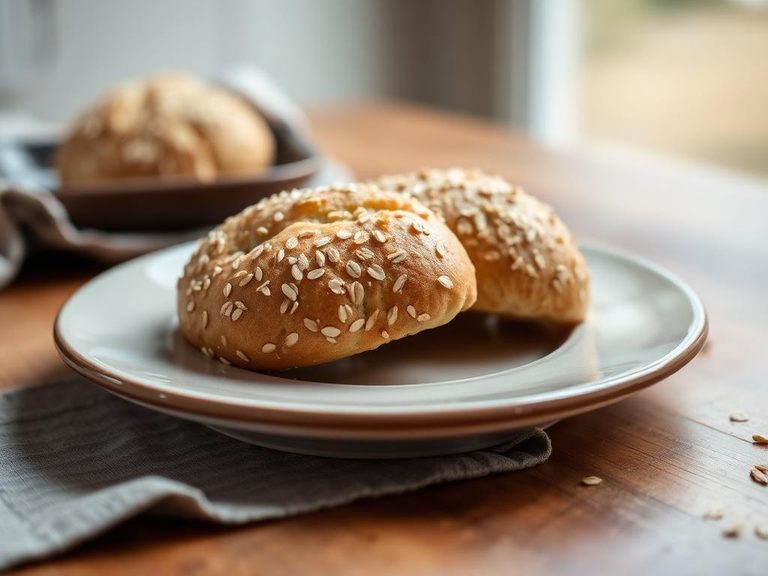
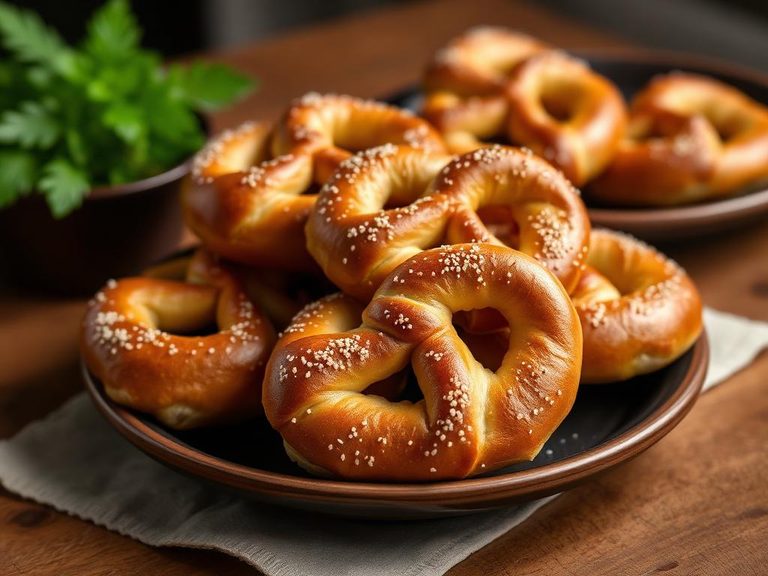
Bread and roll inclusions refer to the flavorful ingredients—like seeds, nuts, dried fruits, or savory bits—mixed into dough before baking to enhance texture and taste. Common additions include sunflower seeds, raisins, olives, or cheese, creating everything from hearty multigrain loaves to sweet cinnamon raisin rolls. This technique is a global baking tradition, with regional variations reflecting local tastes and available ingredients.
🍳 View the full Bread and roll inclusions recipe →
🍽️ Nutrition at a glance
These baked goods are typically high in carbohydrates from the flour, with varying fat and protein content depending on the inclusions (e.g., nuts add healthy fats and protein, while cheese boosts fat and protein). They provide key nutrients like fiber (from whole grains or seeds), B vitamins, and minerals such as iron and magnesium, with a rough calorie ballpark of 150-250 calories per standard serving (like a medium roll or slice).
Nutrition breakdown
| Calories | 130 kcal |
| Protein | 4.5 g |
| Carbs | 24 g |
| Fat | 2 g |
| Fiber | 1.5 g |
| Sugar | 2 g |
| Sodium | 230 mg |
| Iron | 1.5 mg |
| Thiamin (B1) | 0.2 mg |
| Niacin (B3) | 2.5 mg |
| Folate | 40 mcg |
| Calcium | 40 mg |
| Magnesium | 15 mg |
| Phosphorus | 60 mg |
| Selenium | 10 mcg |
Per 1 roll (50 g) · estimated, varies by recipe
💡 What's interesting
Culturally, inclusions often tell a story of regional identity—think of Scandinavian rye bread with caraway seeds or Italian focaccia with rosemary and sea salt. Nutritionally, they can transform a simple bread into a more balanced food by adding fiber, healthy fats, and micronutrients, making it a practical way to boost dietary diversity.
🍽️ Related dishes
AI estimate may be inaccurate · Terms