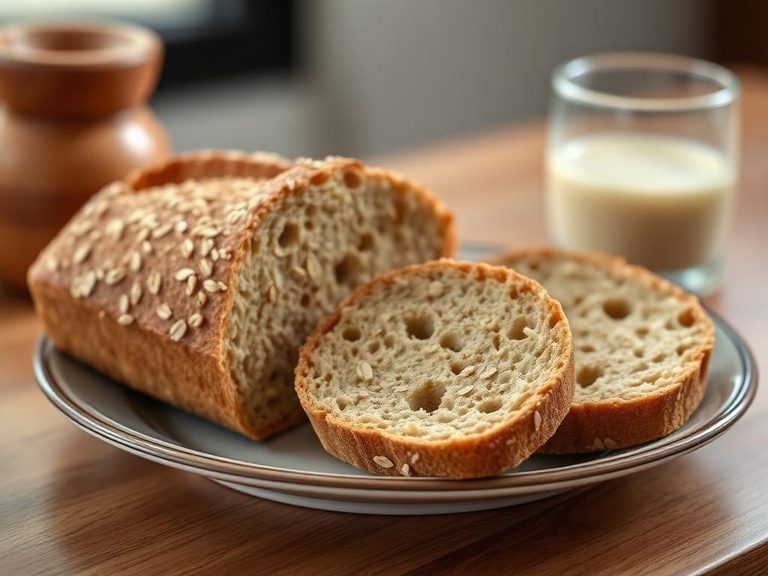
Oat-based Bread or Rolls
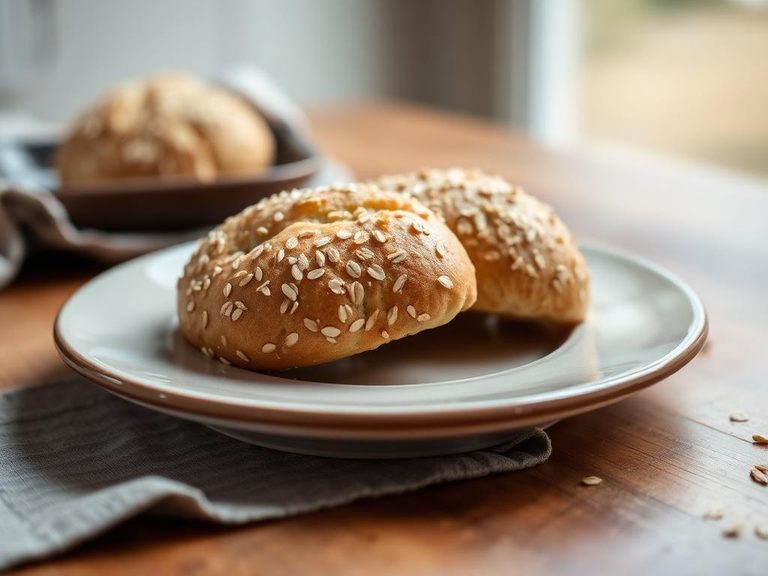
Oat-based bread or rolls are hearty baked goods made by incorporating oats—either as flour, rolled oats, or steel-cut—into the dough, often alongside wheat flour, yeast, and a touch of sweetener. They are popular in Northern European and North American home baking, where oats have long been a staple grain.
🍽️ Nutrition at a glance
These breads are a good source of complex carbohydrates and dietary fiber, particularly beta-glucan from oats, which supports heart health. A typical slice or roll provides around 120–180 calories, with modest protein and minimal fat.
Nutrition breakdown
| Calories | 160 kcal |
| Protein | 5 g |
| Carbs | 28 g |
| Fat | 3 g |
| Fiber | 4 g |
| Sugar | 3 g |
| Sodium | 250 mg |
| Iron | 2 mg |
| Magnesium | 30 mg |
| Phosphorus | 80 mg |
| Potassium | 100 mg |
| Selenium | 10 mcg |
| Thiamin (B1) | 0.2 mg |
| Folate | 30 mcg |
| Manganese | 0.8 mg |
Per 1 roll (60 g) · estimated, varies by recipe
💡 What's interesting
Oats are one of the few grains that can be grown in cooler, wetter climates like Scotland and Scandinavia, making this bread a historically resilient food. Nutritionally, the beta-glucan in oats is unique for its ability to help manage cholesterol levels.