Gluten-free pretzel bread or rolls
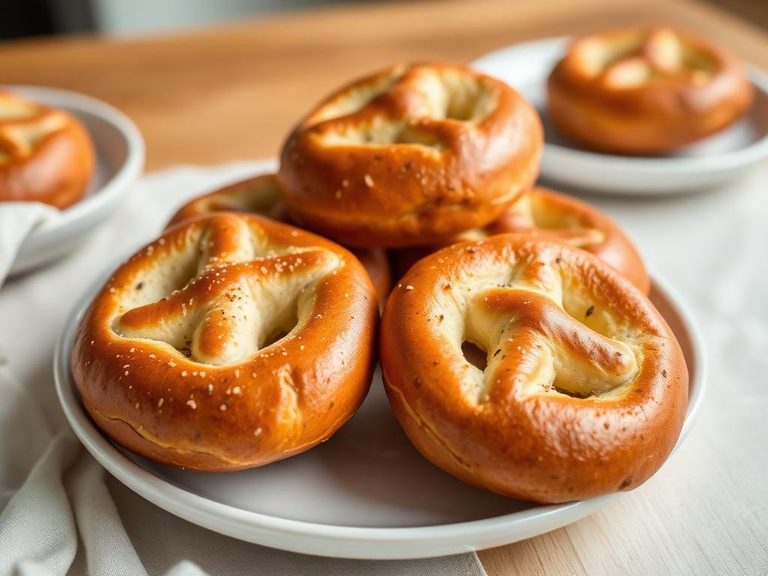
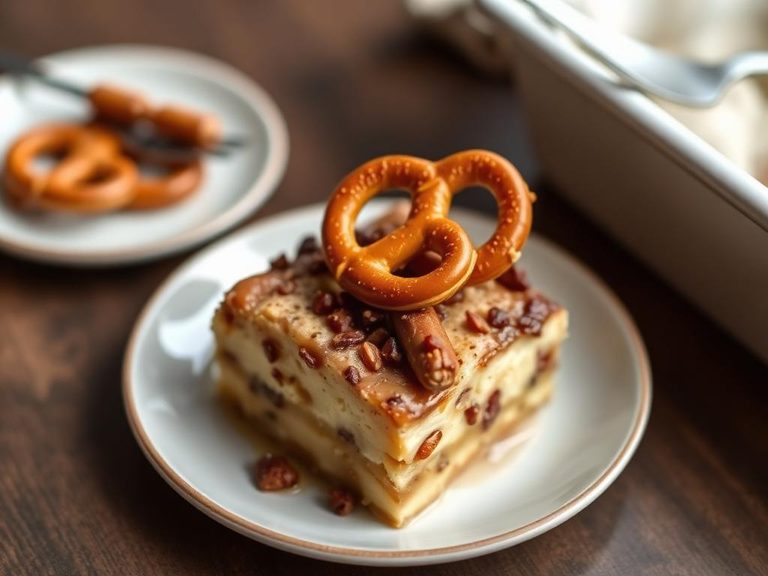
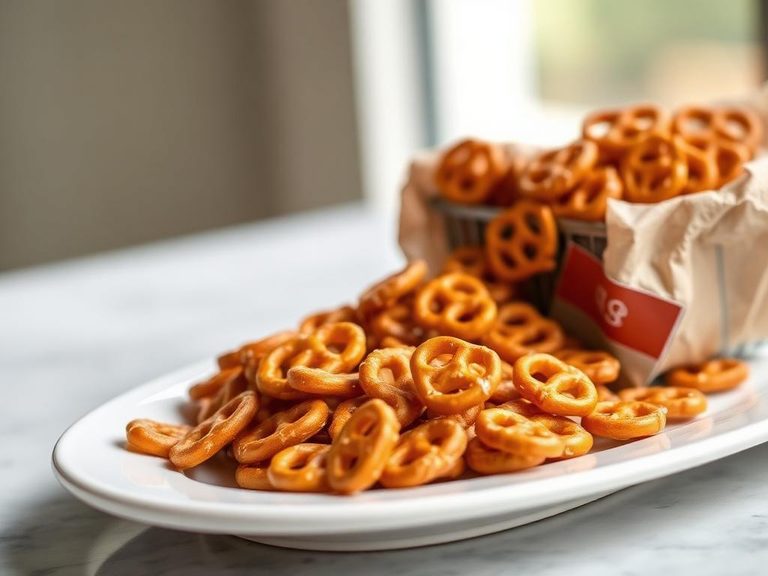
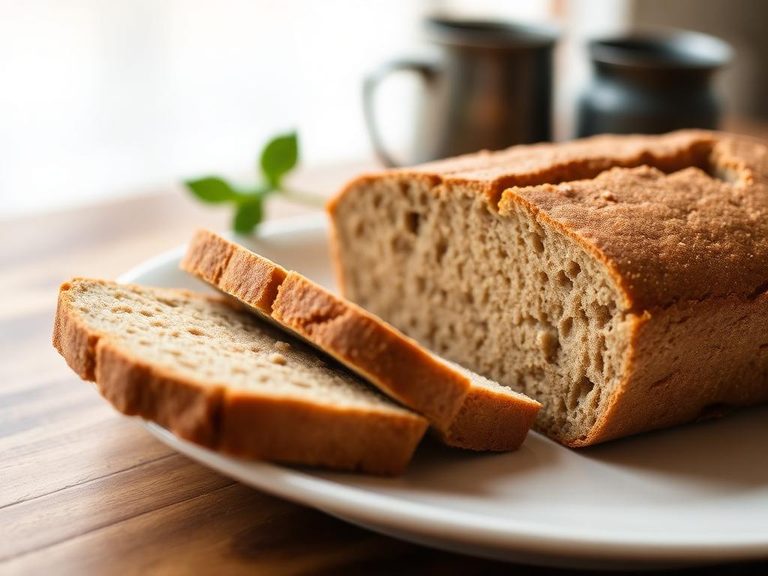
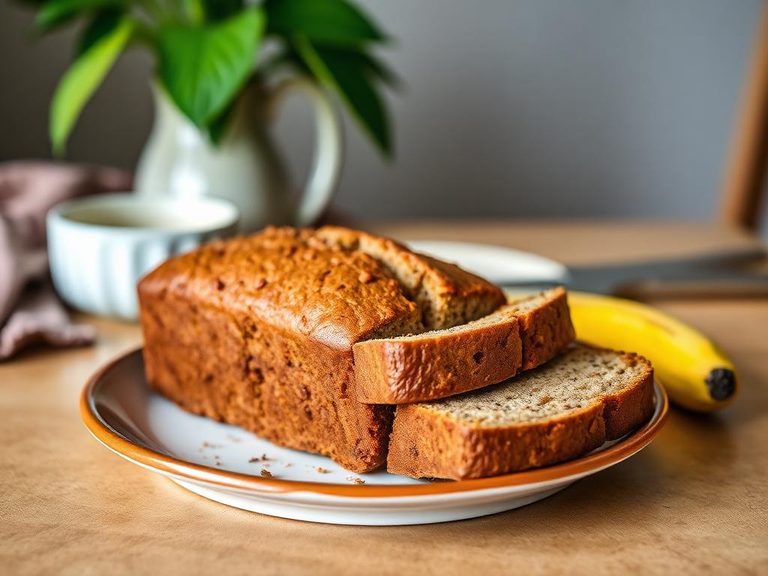
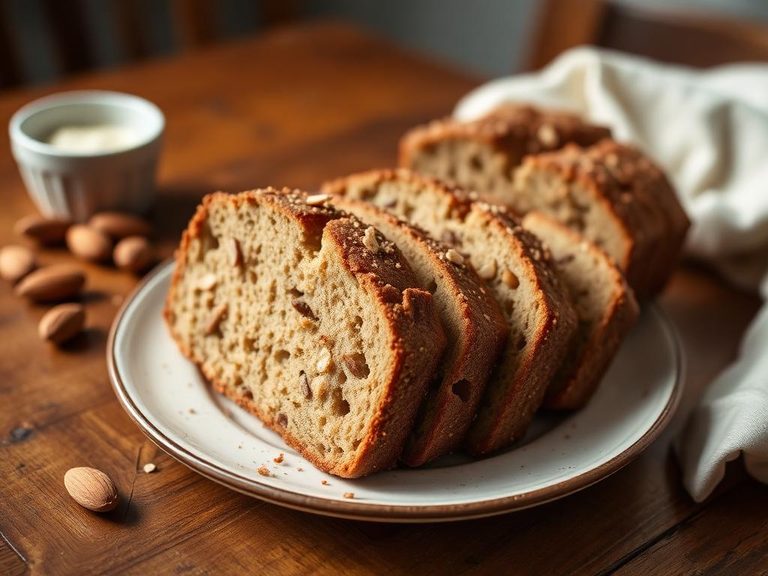
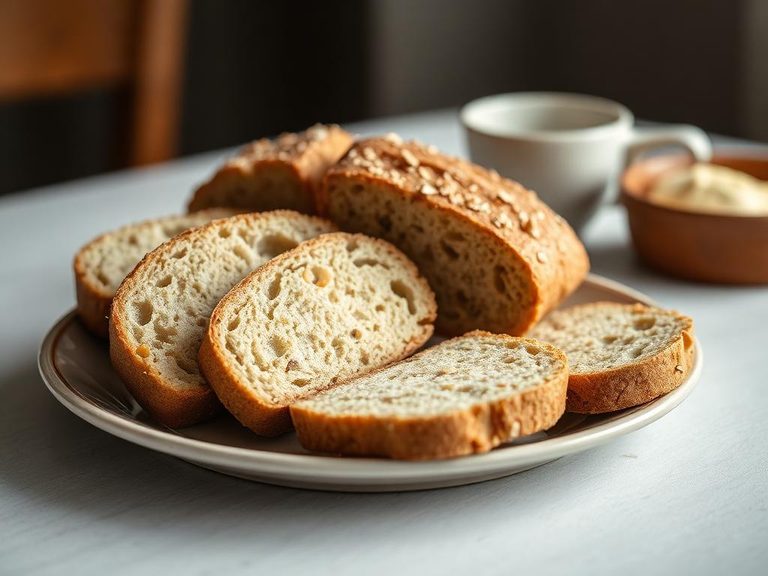
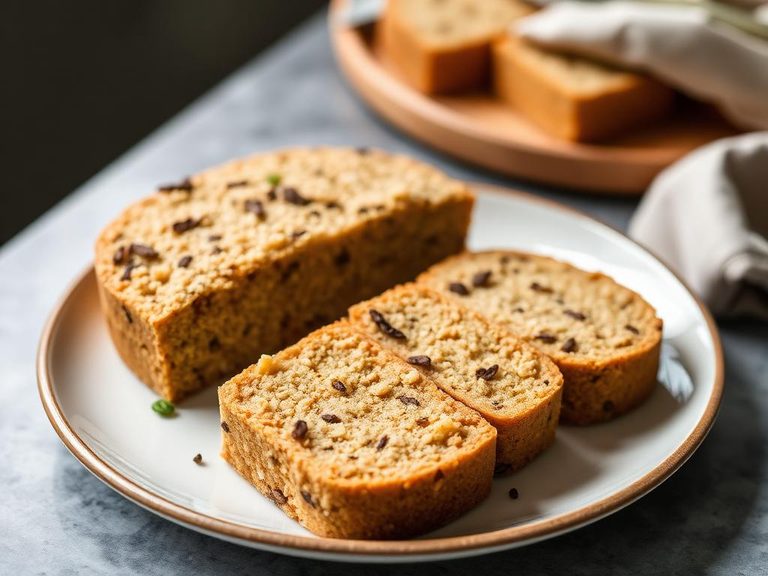
Gluten-free pretzel bread or rolls are a savory, chewy baked good designed to mimic the classic pretzel experience without wheat gluten. They are typically made from a blend of gluten-free flours (like rice, tapioca, or potato starch), bound with xanthan gum or psyllium husk, and feature the signature alkaline bath (using baking soda or lye) that creates the distinctive dark, glossy crust and pretzel flavor. This adaptation makes a beloved snack accessible to those with celiac disease or gluten sensitivities.
🍽️ Nutrition at a glance
These rolls are primarily a source of carbohydrates from their gluten-free flour base, with a moderate amount of protein often enhanced by ingredients like eggs or dairy. They provide key nutrients like iron and B vitamins (if flours are fortified) and have a rough calorie ballpark of 150-200 kcal per standard roll.
Nutrition breakdown
| Calories | 180 kcal |
| Protein | 4 g |
| Carbs | 34 g |
| Fat | 3 g |
| Fiber | 2 g |
| Sugar | 2 g |
| Sodium | 390 mg |
| Iron | 2.1 mg |
| Thiamin (B1) | 0.3 mg |
| Niacin (B3) | 2.5 mg |
| Folate | 60 mcg |
| Magnesium | 15 mg |
| Phosphorus | 65 mg |
| Selenium | 8 mcg |
| Copper | 0.1 mg |
Per 1 roll (85 g) · estimated, varies by recipe
💡 What's interesting
Culturally, they represent a significant innovation in gluten-free baking, successfully replicating the unique Maillard reaction and alkaline flavor of traditional pretzels—a technical challenge without gluten's structure. Nutritionally, the alkaline bath can slightly reduce the glycemic impact of the starches, making them a somewhat more favorable option than many plain gluten-free breads.