Gluten-free millet bread
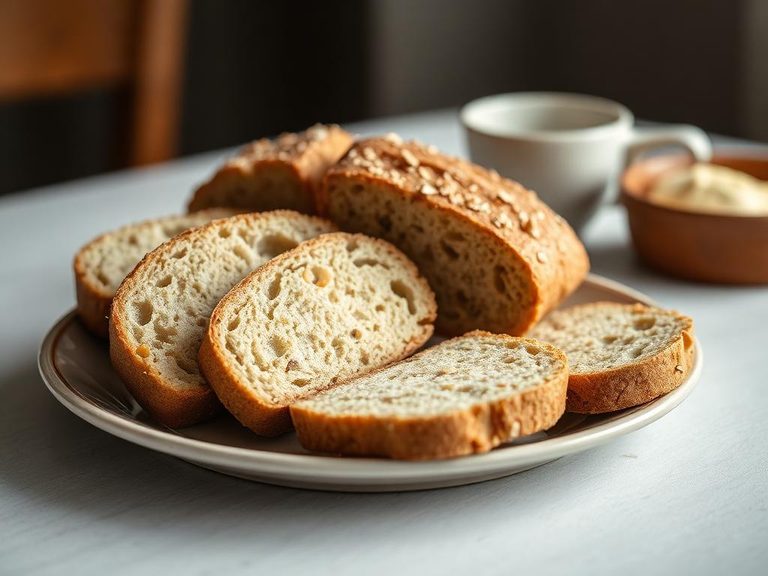
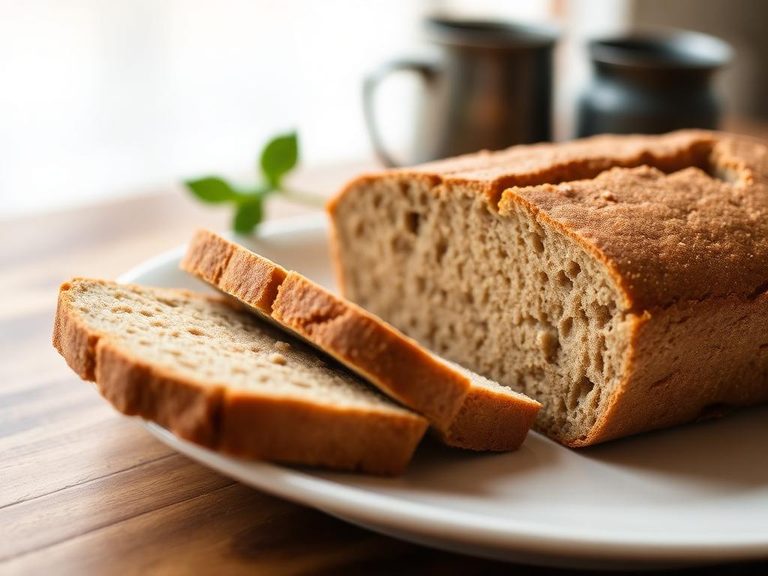
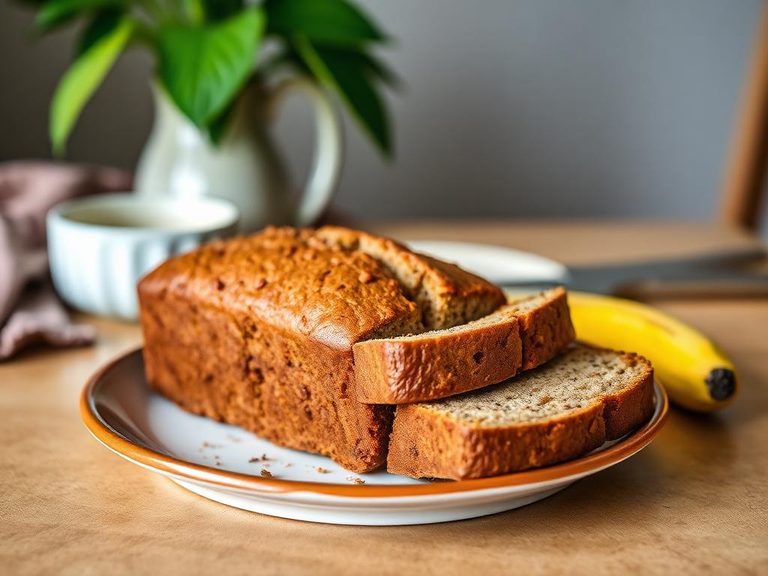
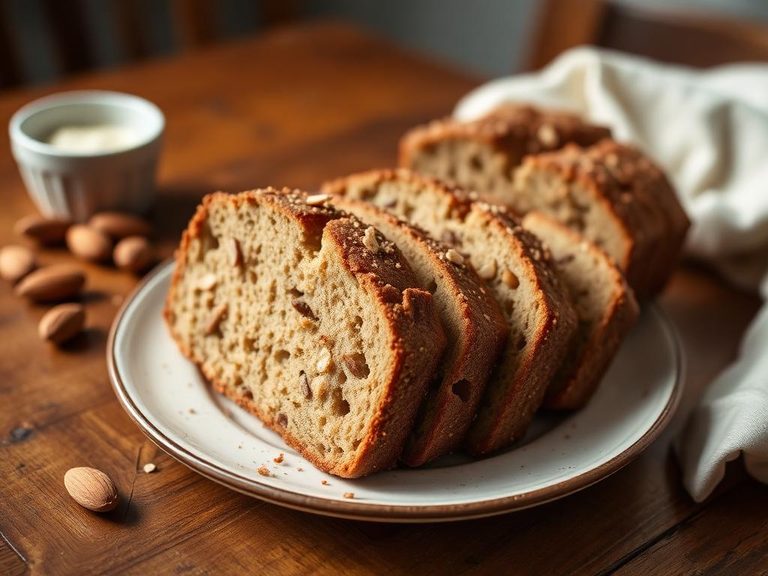
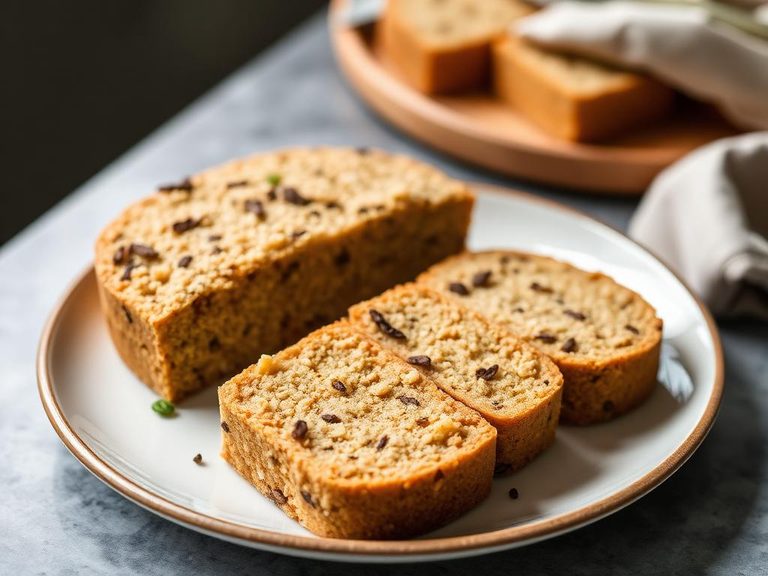
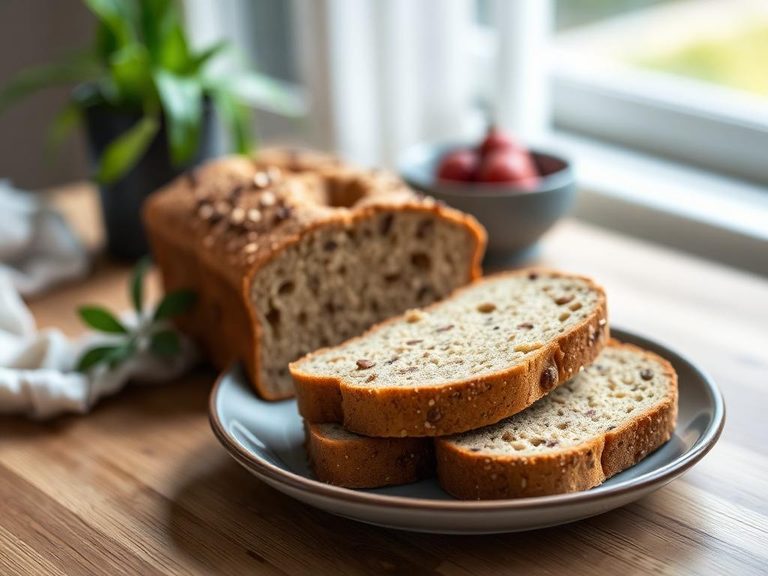
Gluten-free millet bread is a nutritious, hearty loaf made primarily from millet flour, a small-seeded grass grain cultivated for thousands of years. It often includes binding agents like eggs or xanthan gum and may incorporate other gluten-free flours or seeds for texture. This type of bread is a traditional staple in parts of Africa and Asia, and is now popular worldwide among those avoiding gluten.
🍽️ Nutrition at a glance
This bread is a good source of complex carbohydrates and dietary fiber, providing sustained energy. It is relatively low in fat and offers key minerals like magnesium and phosphorus, with a typical slice containing around 150-180 calories.
Nutrition breakdown
| Calories | 160 kcal |
| Protein | 4 g |
| Carbs | 30 g |
| Fat | 3 g |
| Fiber | 3 g |
| Sugar | 2 g |
| Sodium | 210 mg |
| Magnesium | 50 mg |
| Phosphorus | 80 mg |
| Iron | 1.5 mg |
| Thiamin (B1) | 0.1 mg |
| Niacin (B3) | 1.5 mg |
| Folate | 25 µg |
| Manganese | 0.4 mg |
| Copper | 0.1 mg |
Per 1 slice (50 g) · estimated, varies by recipe
💡 What's interesting
Millet is one of the oldest cultivated grains and is naturally gluten-free, making it a vital food security crop in arid regions due to its drought tolerance. Nutritionally, it is rich in antioxidants and has a low glycemic index, which can help manage blood sugar levels.