Gluten-free bread
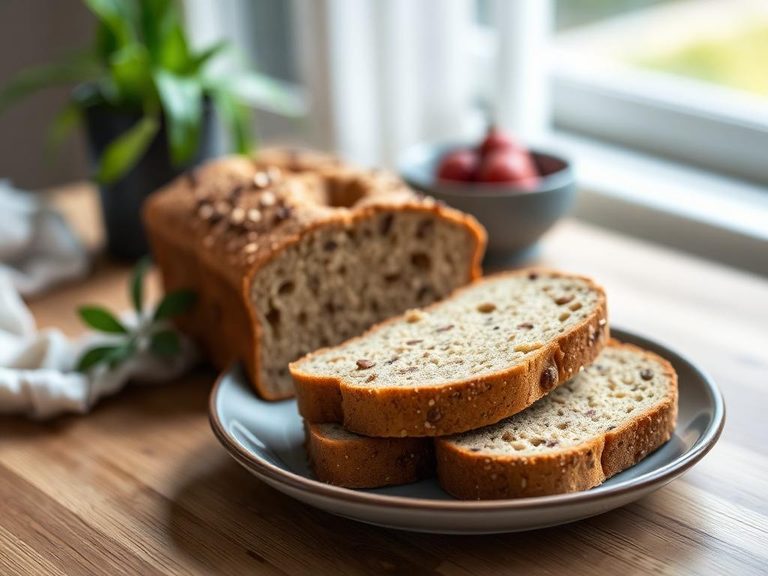
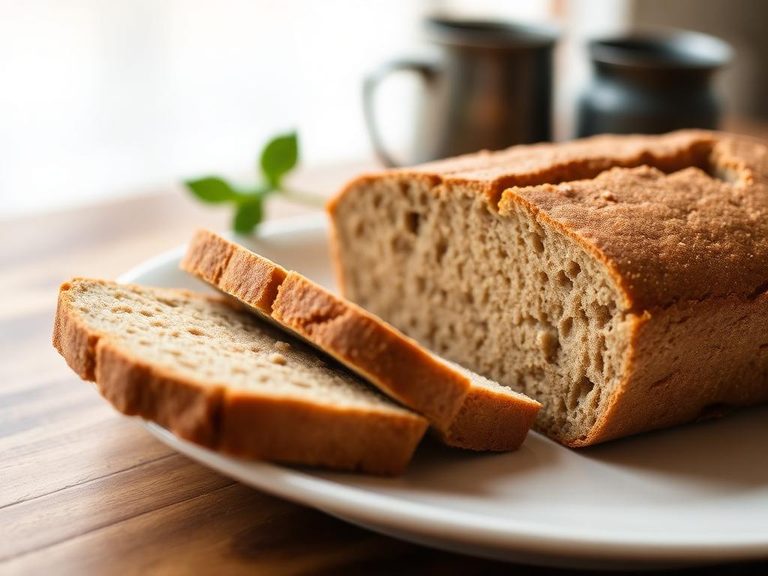
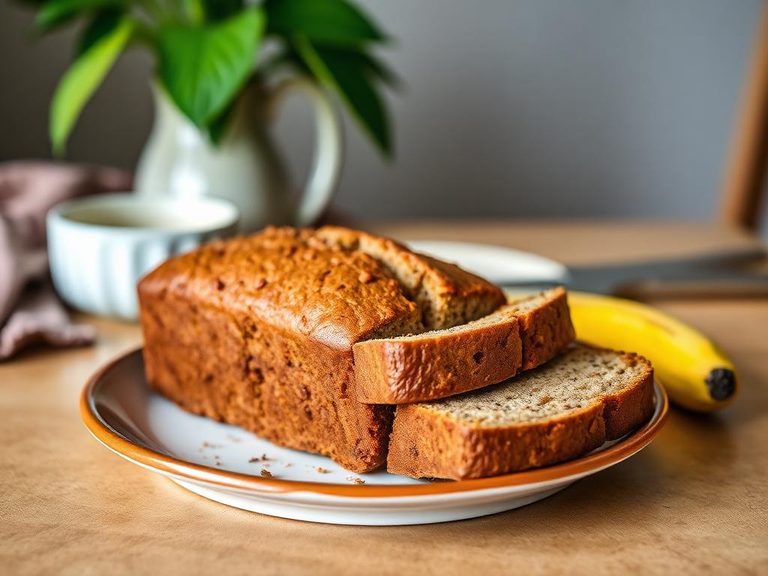
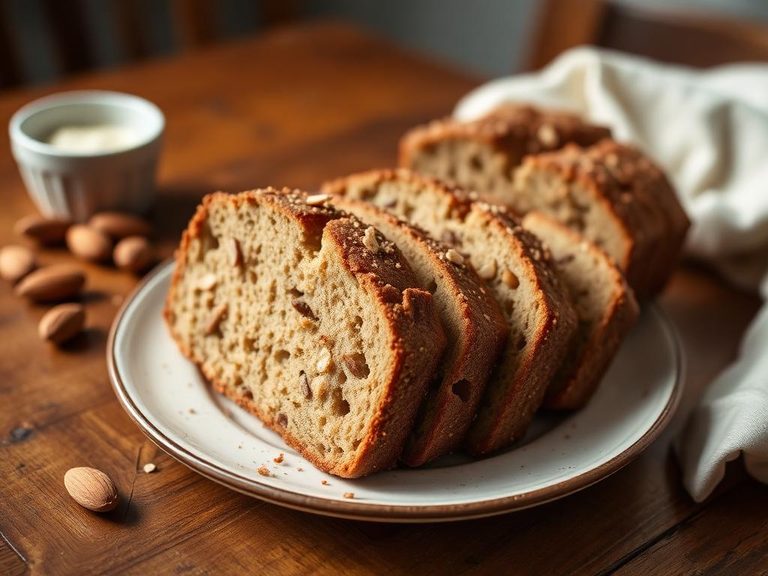
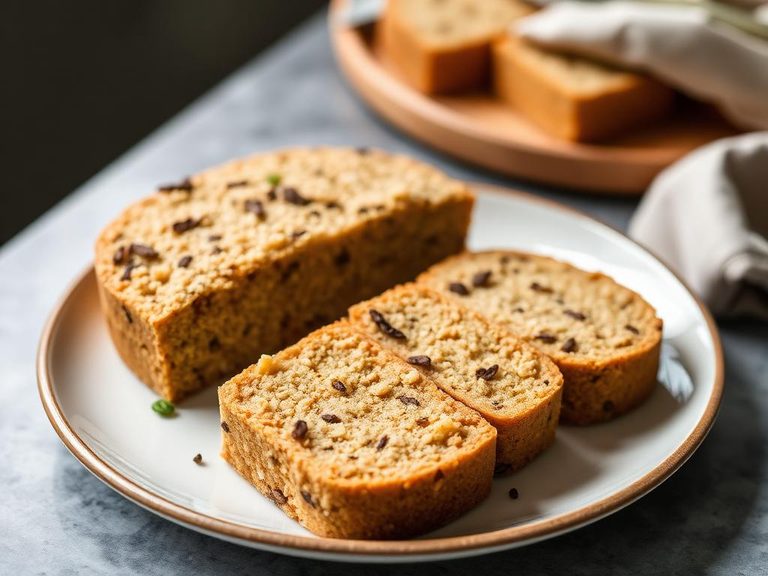
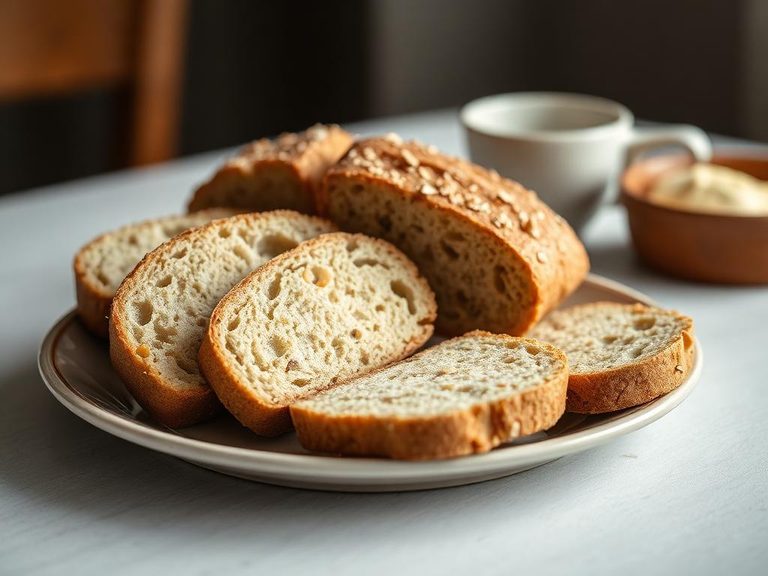
Gluten-free bread is a type of bread made without wheat, barley, or rye, using alternative flours like rice, almond, or tapioca to mimic traditional bread. It originated as a dietary necessity for those with celiac disease or gluten sensitivity but has become a popular choice for many health-conscious eaters. The texture can range from dense and hearty to light and airy, depending on the blend of ingredients.
🍽️ Nutrition at a glance
Gluten-free bread is typically moderate in carbohydrates and lower in protein compared to wheat bread, with a calorie count around 100-150 kcal per slice. It often provides added fiber and essential minerals like iron and B vitamins, though the exact nutritional profile varies widely based on the specific flour blend used.
Nutrition breakdown
| Calories | 130 kcal |
| Protein | 3 g |
| Carbs | 22 g |
| Fat | 3.5 g |
| Fiber | 2 g |
| Sugar | 3 g |
| Sodium | 220 mg |
| Iron | 1.5 mg |
| Calcium | 60 mg |
| Potassium | 80 mg |
| Magnesium | 15 mg |
| Thiamin (B1) | 0.2 mg |
| Niacin (B3) | 1.5 mg |
| Folate | 30 mcg |
| Selenium | 4 mcg |
Per 1 slice (50 g) · estimated, varies by recipe
💡 What's interesting
What's fascinating is how gluten-free baking has evolved from a medical necessity into a creative culinary field, with innovative ingredient combinations like sorghum and psyllium husk creating textures that rival traditional bread. Nutritionally, it often serves as a vehicle for introducing diverse whole grains and seeds that might not be as common in conventional bread.