

Millet, cooked
Whole food · Cereal Grains and Pasta

Photo: Wikipedia
Millet is a tiny, round, gluten-free ancient grain with a mild, slightly nutty flavor and a fluffy, couscous-like texture when cooked. It cooks quickly into a light, separate grain that absorbs flavors beautifully, making it a staple in many global cuisines. Nutritionally, it provides a solid source of complex carbohydrates and plant-based protein, with a notable 1.3g of fiber per 100g to support digestion.
Calorie split: 12% protein · 80% carbs · 8% fat
↓ Full nutrition💚 Why it's loved
People love millet for its mild, versatile flavor that pairs well with both savory and sweet dishes, and its quick cooking time makes it a convenient weeknight staple. Its fluffy, separate grains are ideal for pilafs, porridges, and salads, offering a comforting yet light texture.
⚠️ Watch-outs & how to enjoy it better
Millet can have a high glycemic index, which may cause blood-sugar spikes if eaten alone in large portions, so pairing it with protein (like beans or yogurt) and healthy fats (like nuts or olive oil) helps slow digestion. Some people find its texture bland or mushy if overcooked, so using a 1:2 grain-to-water ratio and rinsing before cooking prevents clumping and enhances flavor.
Key benefits
- Gluten-free grain, safe for celiac disease or gluten sensitivity.
- Good source of plant-based protein for muscle and tissue repair.
- Provides slow-release carbohydrates for sustained energy.
- Contains magnesium and phosphorus for bone health.
- Naturally low in fat, with only 1g per 100g serving.
🍽️ Popular dishes
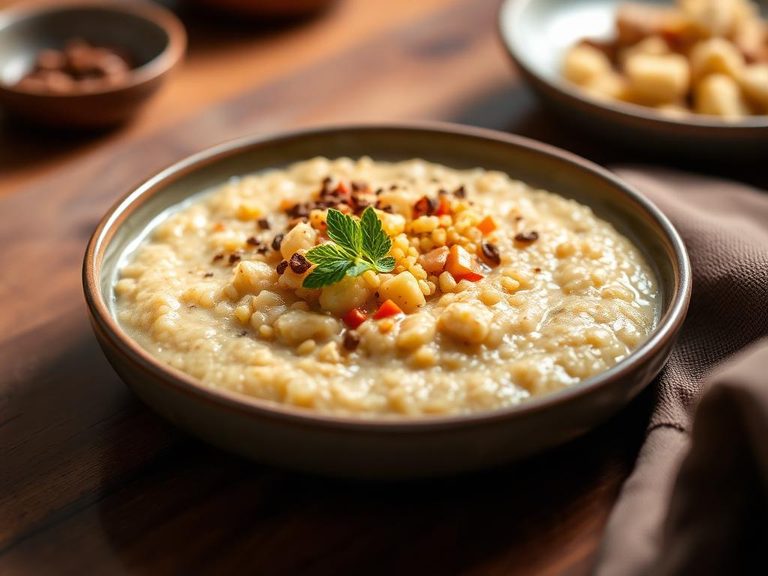 Millet Porridge (common in Indian and African breakfasts)
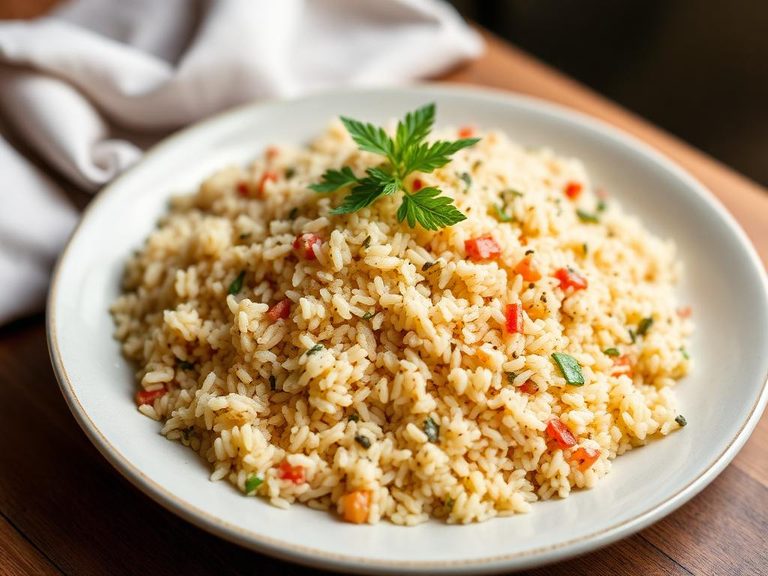 Millet Pilaf (used in Middle Eastern and Mediterranean cuisines)
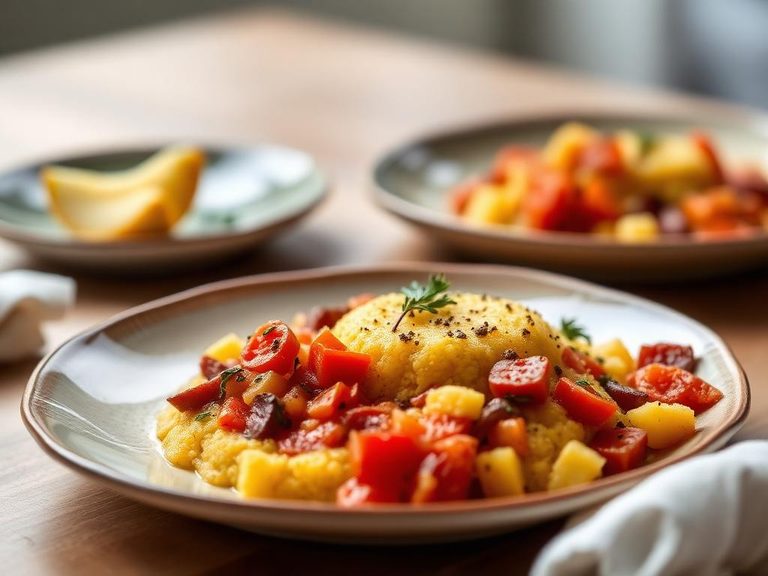 Millet Polenta (an Italian-inspired dish)
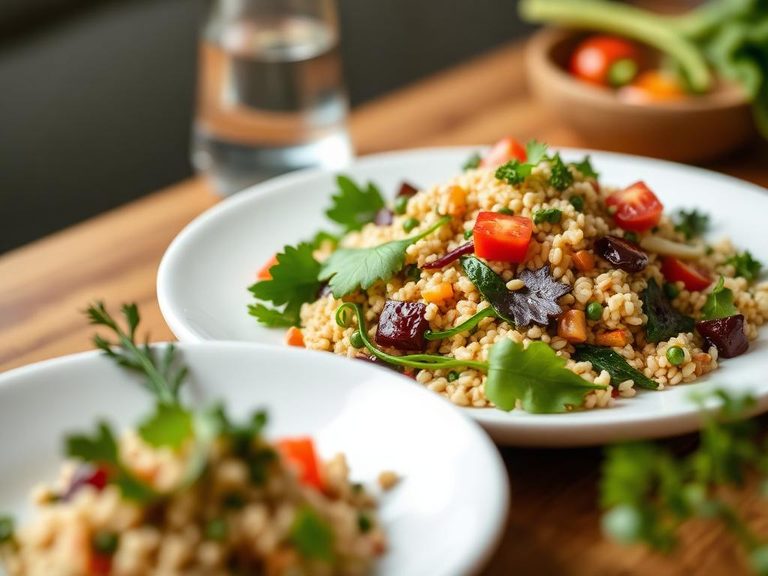 Millet Salad with Vegetables (a modern health-food staple)
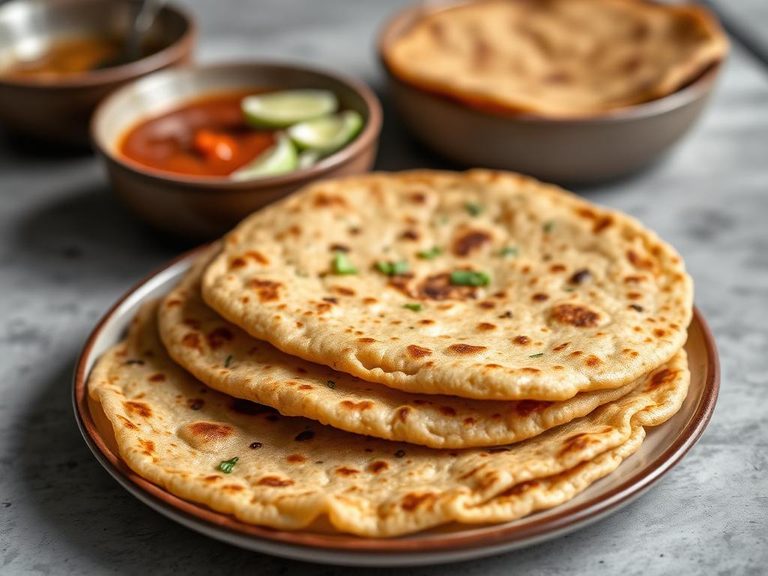 Millet Roti (a flatbread from Indian cuisine)
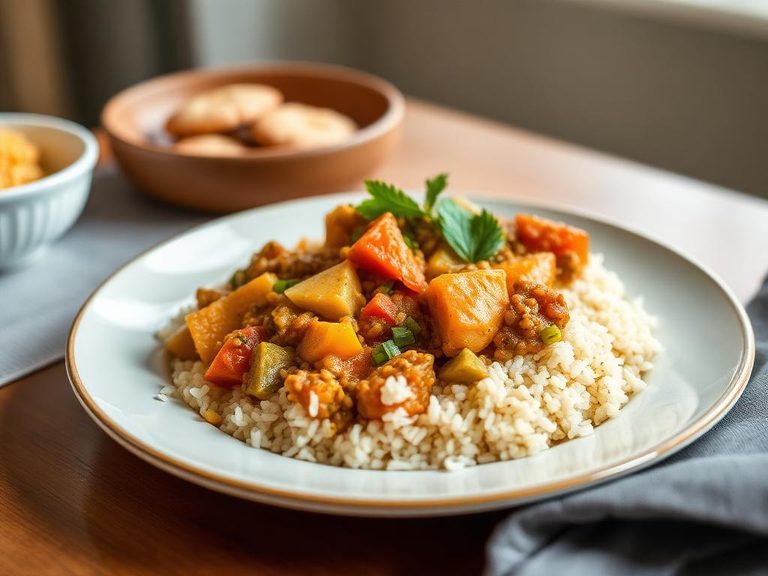 Millet and Vegetable Stew (a West African comfort dish)
🌍 Where it's eaten
💡 Did you know?
Millet was the primary grain in ancient China for thousands of years before rice became dominant, and it was used to make the first fermented alcoholic beverage in the world.
Full nutrition (USDA data · scales with serving)
| Water | 71.4 g |
| Energy | 119 kcal |
| Energy | 498 kj |
| Protein | 3.5 g |
| Total lipid (fat) | 1.0 g |
| Ash | 0.41 g |
| Carbohydrate, by difference | 23.7 g |
| Fiber, total dietary | 1.3 g |
| Total Sugars | 0.13 g |
| Calcium, Ca | 3.0 mg |
| Iron, Fe | 0.63 mg |
| Magnesium, Mg | 44.0 mg |
| Phosphorus, P | 100 mg |
| Potassium, K | 62.0 mg |
| Sodium, Na | 2.0 mg |
| Zinc, Zn | 0.91 mg |
| Copper, Cu | 0.16 mg |
| Manganese, Mn | 0.27 mg |
| Selenium, Se | 0.90 ug |
| Vitamin C, total ascorbic acid | 0.00 mg |
| Thiamin | 0.11 mg |
| Riboflavin | 0.08 mg |
| Niacin | 1.3 mg |
| Pantothenic acid | 0.17 mg |
| Vitamin B-6 | 0.11 mg |
| Folate, total | 19.0 ug |
| Folic acid | 0.00 ug |
| Folate, food | 19.0 ug |
| Folate, DFE | 19.0 ug |
| Choline, total | 11.2 mg |
| Vitamin B-12 | 0.00 ug |
| Vitamin B-12, added | 0.00 ug |
| Vitamin A, RAE | 0.00 ug |
| Retinol | 0.00 ug |
| Carotene, beta | 2.0 ug |
| Carotene, alpha | 0.00 ug |
| Cryptoxanthin, beta | 0.00 ug |
| Vitamin A, IU | 3.0 iu |
| Lycopene | 0.00 ug |
| Lutein + zeaxanthin | 70.0 ug |
| Vitamin E (alpha-tocopherol) | 0.02 mg |
| Vitamin E, added | 0.00 mg |
| Vitamin D (D2 + D3), International Units | 0.00 iu |
| Vitamin D (D2 + D3) | 0.00 ug |
| Vitamin K (phylloquinone) | 0.30 ug |
| Alcohol, ethyl | 0.00 g |
| Caffeine | 0.00 mg |
| Theobromine | 0.00 mg |
Fat & fatty acid profile (per 100g)
| Fatty acids, total saturated | 0.17 g |
| SFA 4:0 | 0.00 g |
| SFA 6:0 | 0.00 g |
| SFA 8:0 | 0.00 g |
| SFA 10:0 | 0.00 g |
| SFA 12:0 | 0.00 g |
| SFA 14:0 | 0.00 g |
| SFA 16:0 | 0.13 g |
| SFA 18:0 | 0.04 g |
| Fatty acids, total monounsaturated | 0.18 g |
| MUFA 16:1 | 0.00 g |
| MUFA 18:1 | 0.18 g |
| MUFA 20:1 | 0.01 g |
| MUFA 22:1 | 0.00 g |
| Fatty acids, total polyunsaturated | 0.51 g |
| PUFA 18:2 | 0.48 g |
| PUFA 18:3 | 0.03 g |
| PUFA 18:4 | 0.00 g |
| PUFA 20:4 | 0.00 g |
| PUFA 20:5 n-3 (EPA) | 0.00 g |
| PUFA 22:5 n-3 (DPA) | 0.00 g |
| PUFA 22:6 n-3 (DHA) | 0.00 g |
| Cholesterol | 0.00 mg |
Amino acid profile (per 100g)
| Tryptophan | 0.04 g |
| Threonine | 0.11 g |
| Isoleucine | 0.15 g |
| Leucine | 0.45 g |
| Lysine | 0.07 g |
| Methionine | 0.07 g |
| Cystine | 0.07 g |
| Phenylalanine | 0.18 g |
| Tyrosine | 0.11 g |
| Valine | 0.18 g |
| Arginine | 0.12 g |
| Histidine | 0.07 g |
| Alanine | 0.31 g |
| Aspartic acid | 0.23 g |
| Glutamic acid | 0.76 g |
| Glycine | 0.09 g |
| Proline | 0.28 g |
| Serine | 0.20 g |
FAQ
Is millet gluten-free?
Yes, millet is naturally gluten-free, making it a safe grain for people with celiac disease or gluten sensitivity.
How do I cook millet to get a fluffy texture?
Rinse the millet, then cook it with a 1:2 ratio of grain to water (or broth) in a covered pot. Bring to a boil, reduce to a simmer, and cook for 15-20 minutes until the water is absorbed. Let it rest covered for 5 minutes, then fluff with a fork.
Can millet be used in baking?
Yes, millet flour can be used in gluten-free baking for breads, pancakes, and muffins, often mixed with other flours like almond or rice flour for better texture.
Nutrient density (calculated · NRF9.3)
Nutrient Rich Foods index: beneficial nutrients (protein, fiber, vitamins, minerals) minus saturated fat, added sugar & sodium, per 100 kcal.
NRF9.3 index — Fulgoni, Keast & Drewnowski, 2009. Computed from USDA nutrients.
Weight-loss friendliness (composite index)
Energy density 1.19 kcal/g · 12% calories from protein · 1.3 g fiber · 0.1 g sugar per 100 g.
Composite of energy density (Rolls et al., 1999), protein & fiber satiety, minus sugar. A calculated heuristic — ranks satiety-per-calorie, not a clinical measure.
Dietary load (calculated from USDA values)
Potential renal acid load. Positive = acid-forming, negative = alkaline-forming.
Sodium-to-potassium ratio: 0.03 (lower is better — aim for ≤ 1)
Sodium:potassium per WHO potassium guidance. Computed from USDA nutrients.