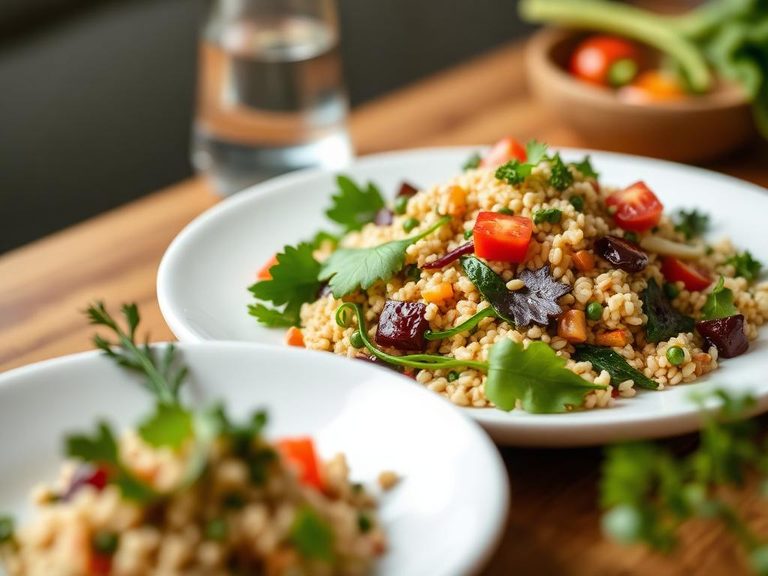
Millet Porridge
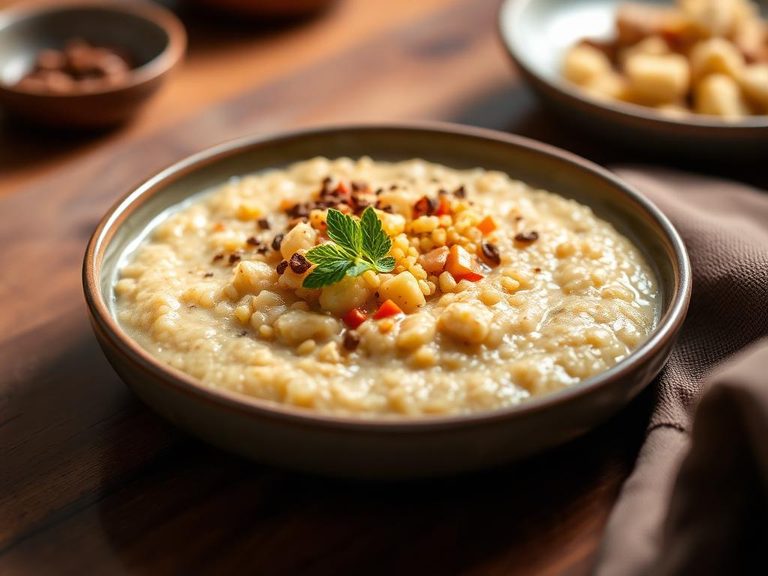
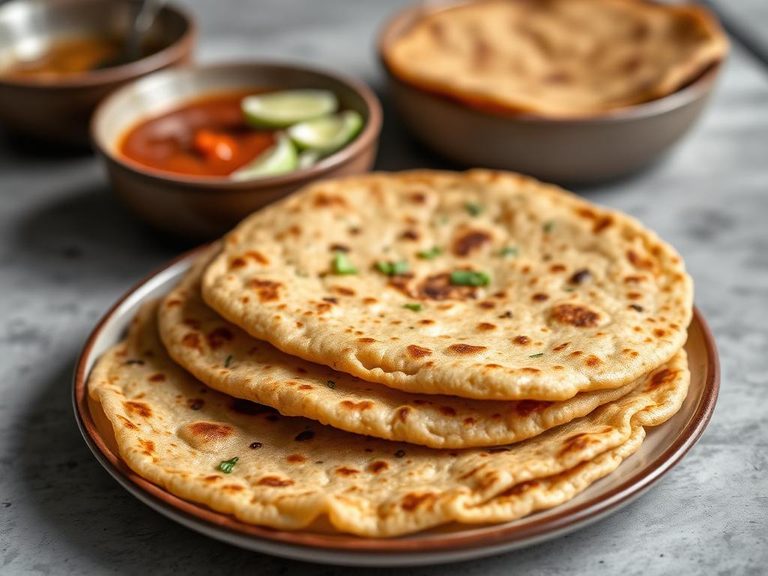
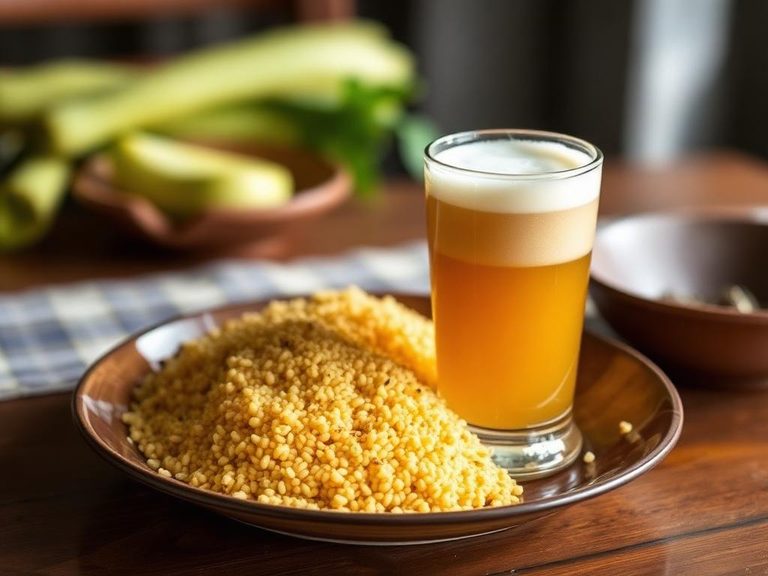
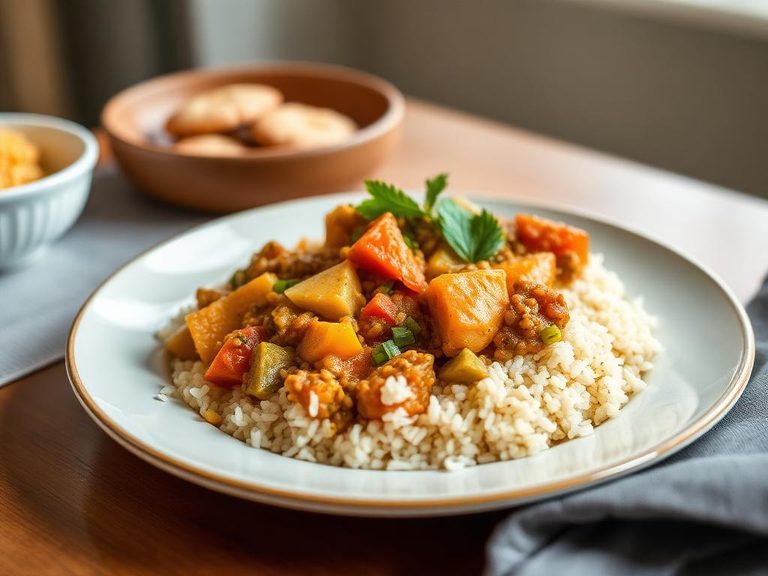
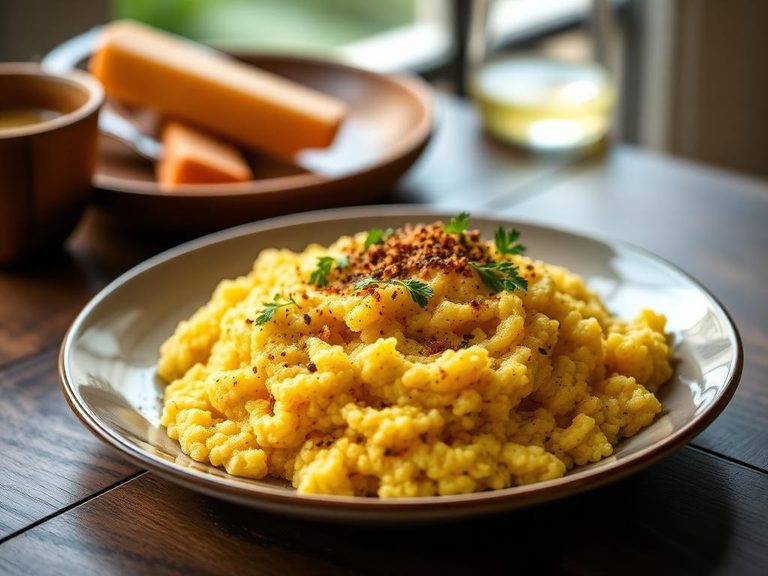
Millet porridge is a warm, comforting breakfast dish made by simmering millet grains in water or milk until creamy, often sweetened with sugar, honey, or fruit. It is a staple breakfast in many parts of India, where it is known as 'bajra khichdi' or 'kambu koozh', and across various African countries, where it is a common morning meal. The dish is simple, versatile, and deeply rooted in local agricultural traditions.
🍽️ Nutrition at a glance
Millet porridge is a good source of complex carbohydrates, providing sustained energy, and is naturally gluten-free. It offers essential nutrients like magnesium, phosphorus, and B vitamins, with a typical serving containing around 150-250 calories depending on added ingredients.
Nutrition breakdown
| Calories | 190 kcal |
| Protein | 5.5 g |
| Carbs | 38 g |
| Fat | 2.5 g |
| Fiber | 4 g |
| Sugar | 1.5 g |
| Sodium | 15 mg |
| Potassium | 195 mg |
| Magnesium | 75 mg |
| Phosphorus | 150 mg |
| Iron | 1.5 mg |
| Niacin (B3) | 2.5 mg |
| Folate | 40 mcg |
| Manganese | 0.9 mg |
| Copper | 0.3 mg |
Per 1 cup (240 g) · estimated, varies by recipe
💡 What's interesting
Millet is a highly resilient crop that grows in arid conditions, making it a crucial food security crop in many regions. Nutritionally, it has a lower glycemic index than rice, which can help in managing blood sugar levels, and its high fiber content promotes digestive health.