Millet pilaf or salad
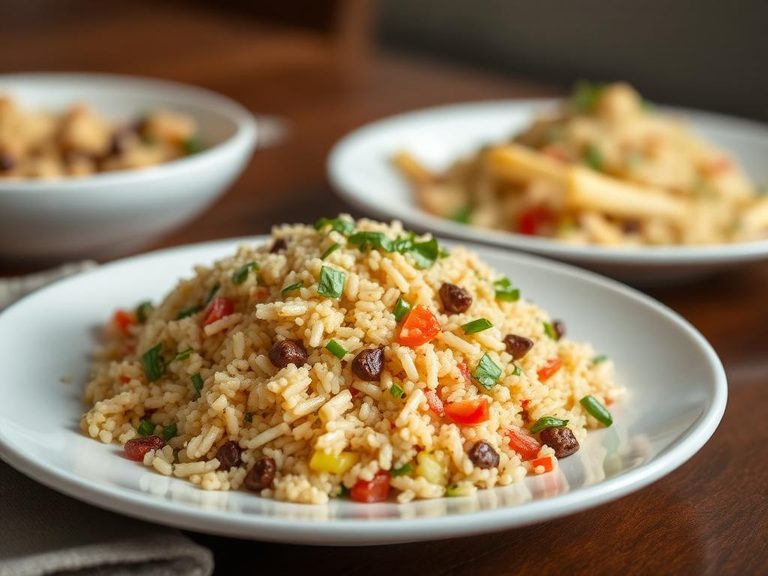
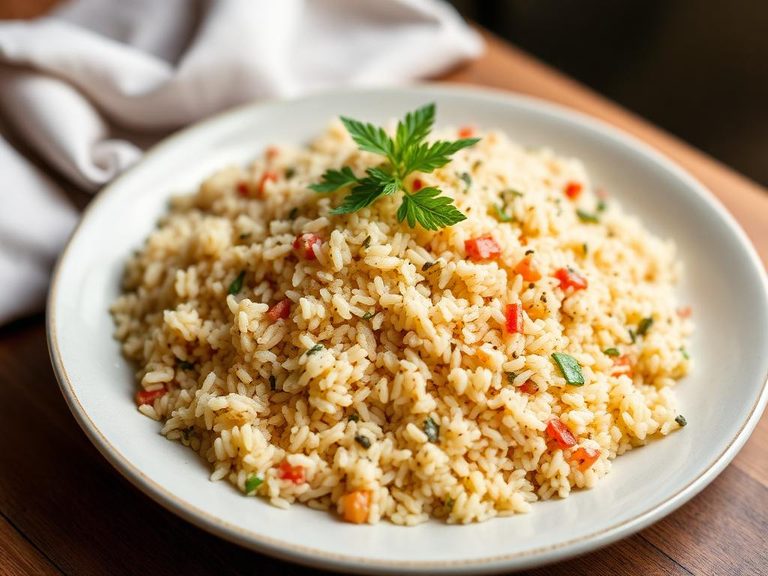
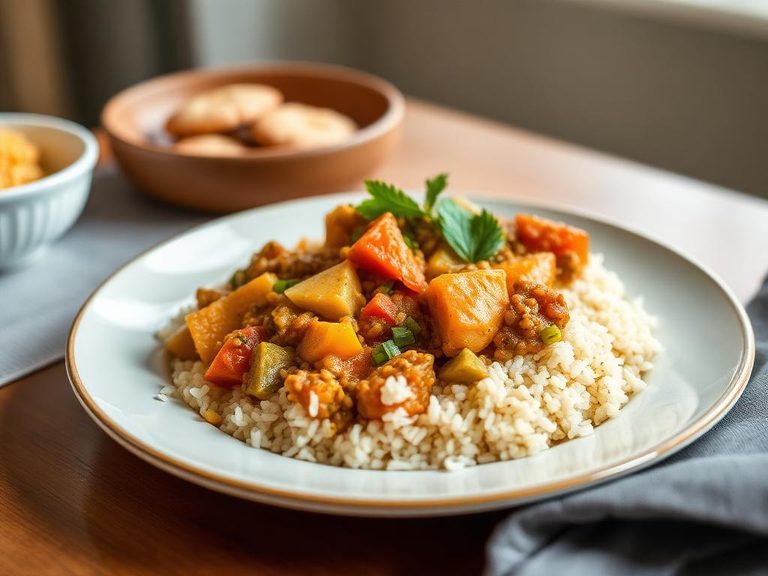
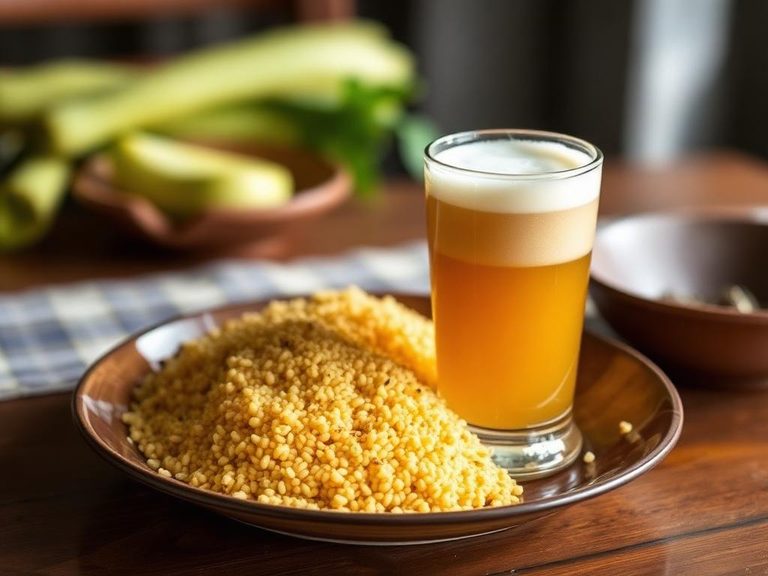
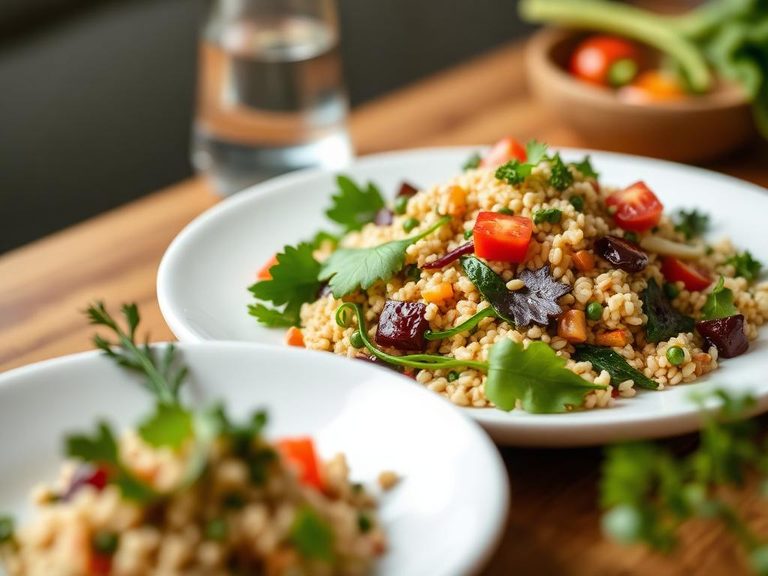
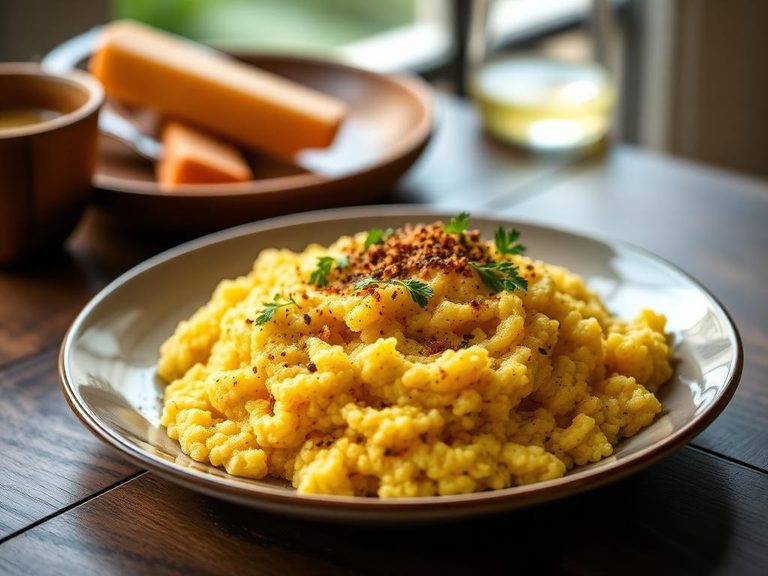
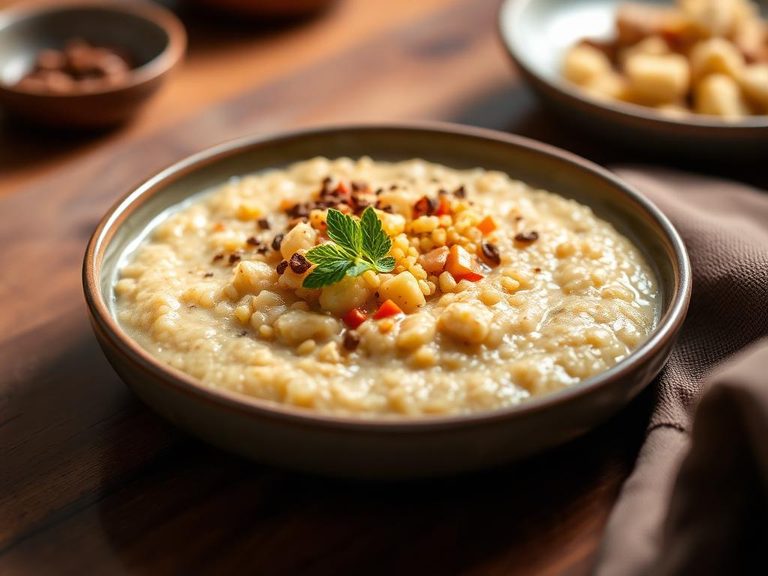
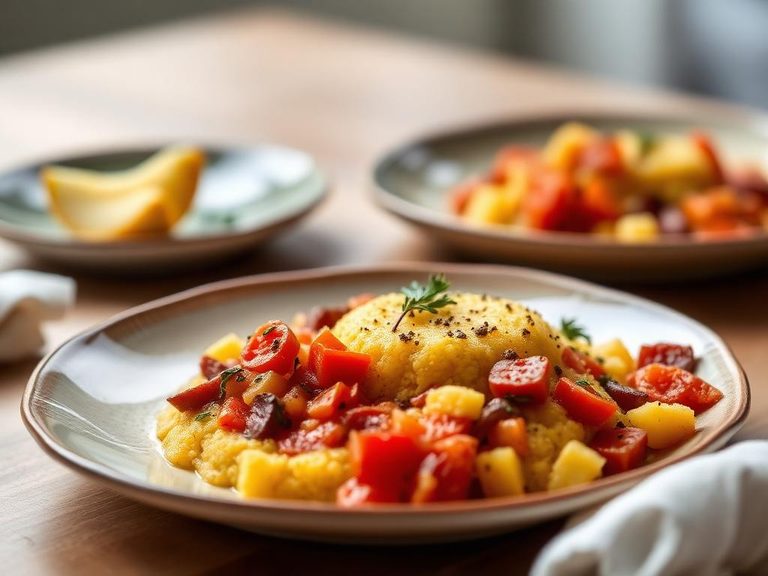
Millet pilaf, also known as millet salad, is a versatile and hearty dish made from cooked millet grains often mixed with vegetables, herbs, and sometimes nuts or dried fruits. It is a staple in many cuisines, particularly in parts of Africa, Asia, and Eastern Europe, where millet is a traditional grain. The dish can be served warm as a pilaf or chilled as a salad, making it adaptable to different meals and seasons.
🍽️ Nutrition at a glance
Millet pilaf is generally high in carbohydrates, providing a good source of energy, and is also rich in fiber, magnesium, and B vitamins. A typical serving (about 1 cup) contains roughly 200-250 calories, with low fat and moderate protein content depending on added ingredients like vegetables or legumes.
Nutrition breakdown
| Calories | 250 kcal |
| Protein | 6 g |
| Carbs | 48 g |
| Fat | 5 g |
| Fiber | 4 g |
| Sugar | 3 g |
| Sodium | 300 mg |
| Potassium | 280 mg |
| Magnesium | 80 mg |
| Phosphorus | 150 mg |
| Iron | 2.5 mg |
| Zinc | 1.8 mg |
| Niacin (B3) | 3.0 mg |
| Folate | 40 µg |
| Manganese | 0.9 mg |
Per 1 cup (200 g) · estimated, varies by recipe
💡 What's interesting
Culturally, millet is one of the oldest cultivated grains and is often associated with resilience, as it grows well in arid conditions, making it a vital food source in many regions. Nutritionally, millet is naturally gluten-free and has a low glycemic index, which can help in managing blood sugar levels.