Millet Cake or Bread
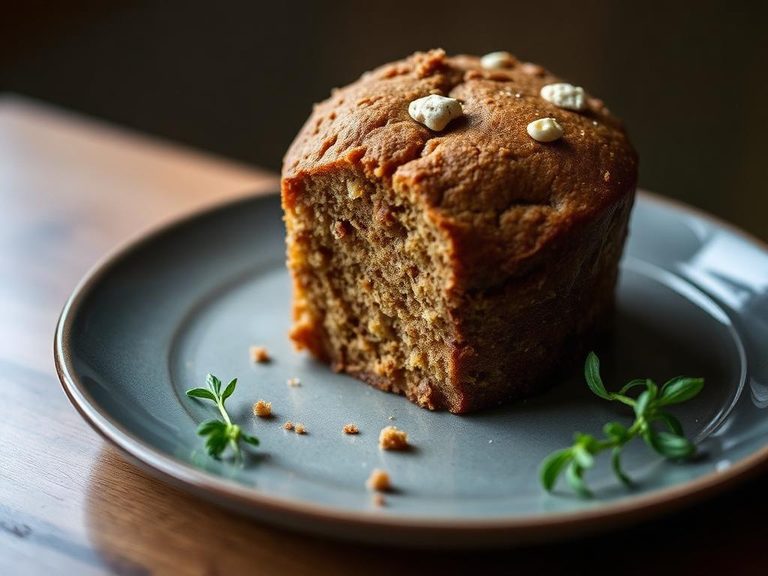
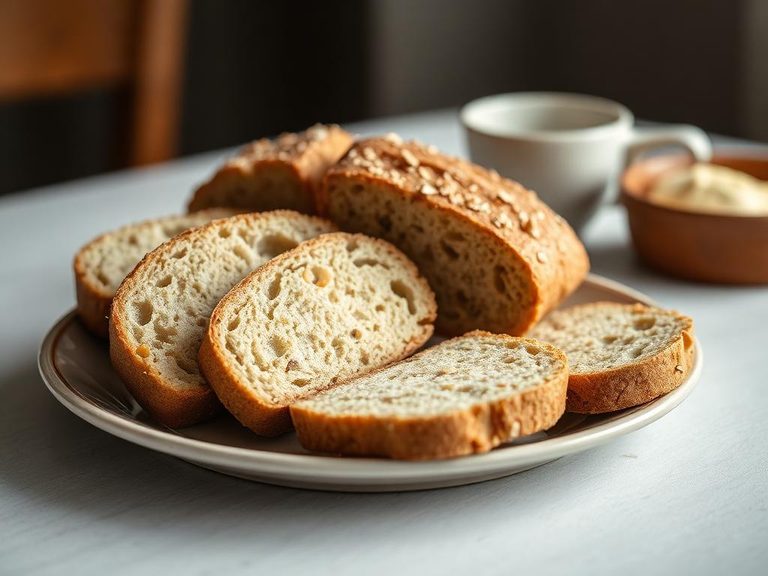
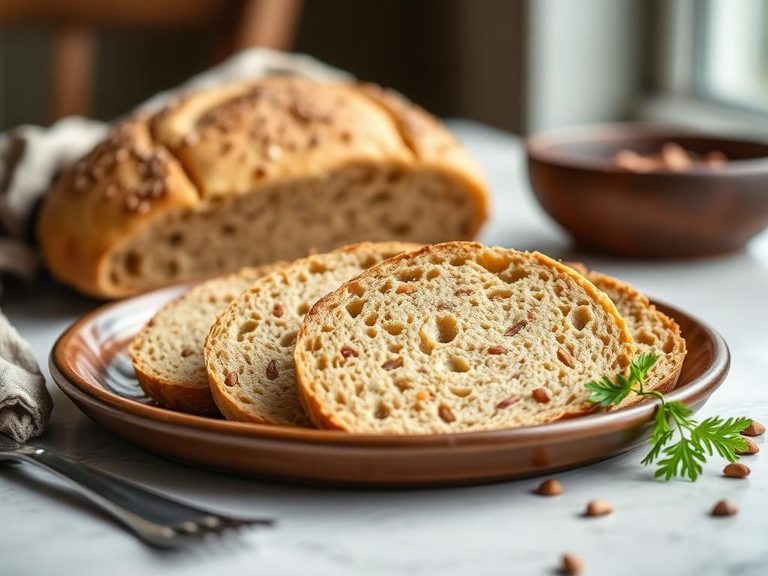
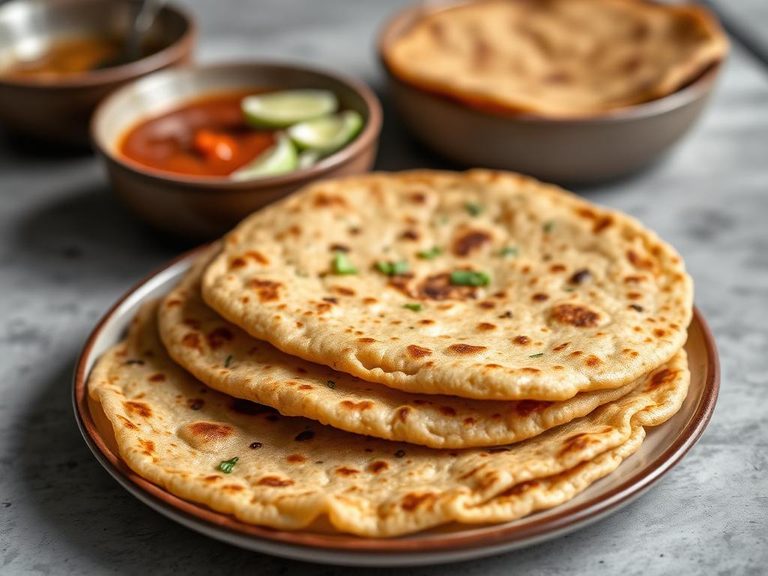
Millet cake or bread is a dense, nutritious baked good made primarily from millet flour, often combined with other whole grains, seeds, or sweeteners like honey. It is a traditional staple in many parts of Africa, Asia, and Eastern Europe, valued for its hearty texture and long shelf life.
🍽️ Nutrition at a glance
It is typically high in complex carbohydrates and dietary fiber, with moderate protein content and minimal fat. Key nutrients include magnesium, phosphorus, and B vitamins, with a rough calorie range of 150-250 per 100g serving depending on specific ingredients.
Nutrition breakdown
| Calories | 310 kcal |
| Protein | 7.5 g |
| Carbs | 62 g |
| Fat | 4.5 g |
| Fiber | 5 g |
| Sugar | 3 g |
| Sodium | 350 mg |
| Iron | 3.5 mg |
| Magnesium | 120 mg |
| Phosphorus | 220 mg |
| Potassium | 250 mg |
| Zinc | 2.0 mg |
| Niacin (B3) | 3.5 mg |
| Folate | 85 mcg |
| Manganese | 1.0 mg |
Per 1 piece (100 g) · estimated, varies by recipe
💡 What's interesting
Millet is a drought-resistant ancient grain that has sustained communities for millennia, making this bread a symbol of resilience and food security. Nutritionally, it is naturally gluten-free, making it an important alternative for those with gluten sensitivities.