Millet Bread
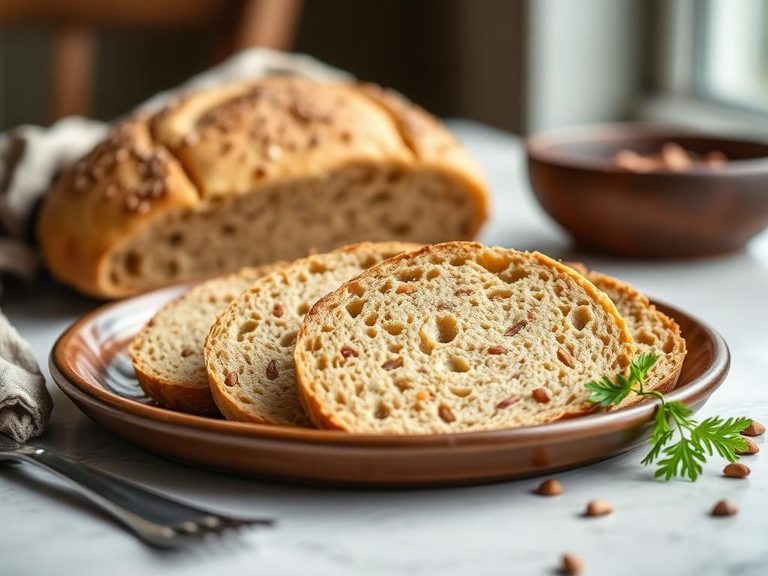
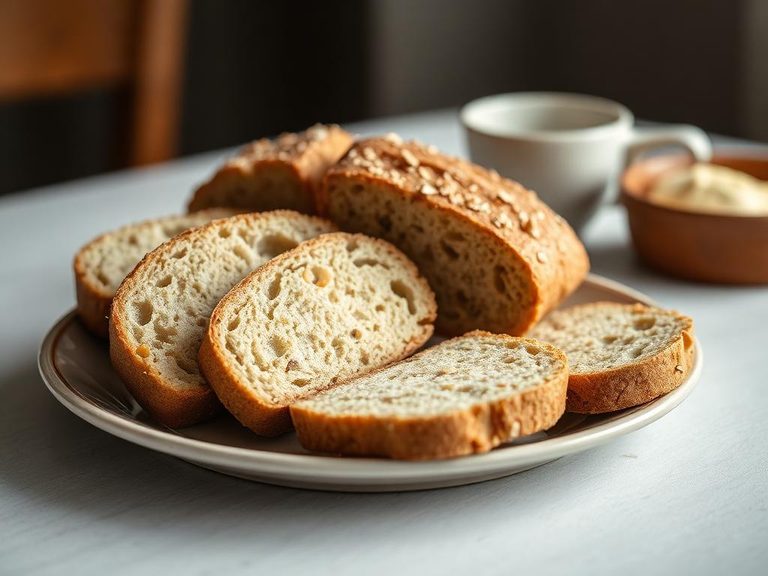
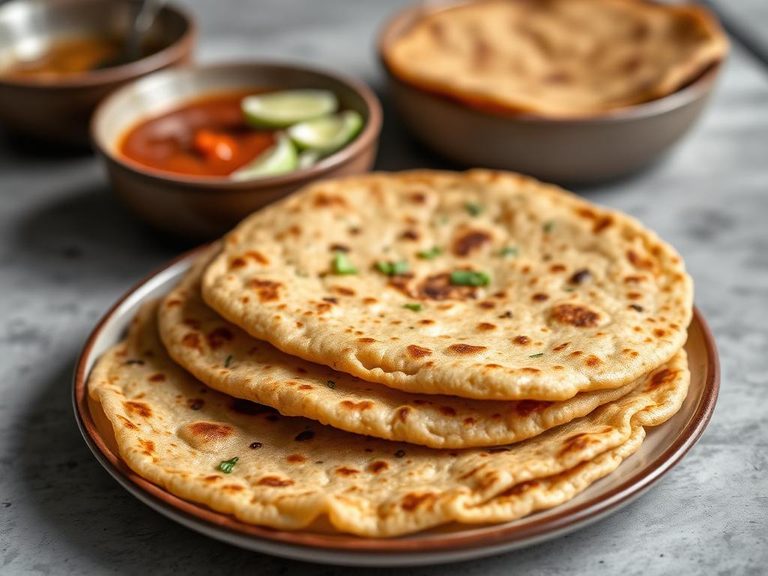
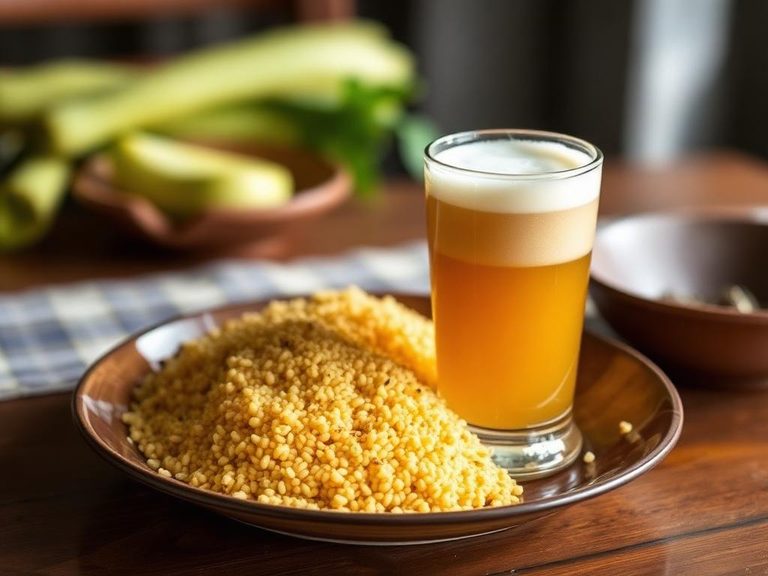
Millet bread is a dense, gluten-free bread made primarily from millet flour, often combined with other grains or seeds. Originating in regions like Africa and parts of Asia where millet is a staple, it has a slightly nutty flavor and a hearty texture. It's a traditional alternative to wheat bread, valued for its resilience in arid climates.
🍽️ Nutrition at a glance
This bread is a good source of complex carbohydrates and provides moderate protein, with a lower glycemic index than many wheat breads. A typical serving offers key minerals like magnesium and phosphorus, with a calorie range of approximately 180-220 kcal.
Nutrition breakdown
| Calories | 190 kcal |
| Protein | 5 g |
| Carbs | 38 g |
| Fat | 2 g |
| Fiber | 4 g |
| Sugar | 1 g |
| Sodium | 320 mg |
| Magnesium | 60 mg |
| Phosphorus | 120 mg |
| Iron | 1.8 mg |
| Niacin (B3) | 2.5 mg |
| Manganese | 0.9 mg |
| Copper | 0.2 mg |
| Zinc | 1.1 mg |
| Selenium | 10 mcg |
Per 1 slice (50 g) · estimated, varies by recipe
💡 What's interesting
Millet is one of the oldest cultivated grains, and its bread is a cornerstone of food security in semi-arid regions due to the plant's drought tolerance. Nutritionally, it's naturally gluten-free and rich in antioxidants, making it a popular choice for those with celiac disease or seeking diverse whole grains.