

Yeast
Common food

Photo: Wikipedia
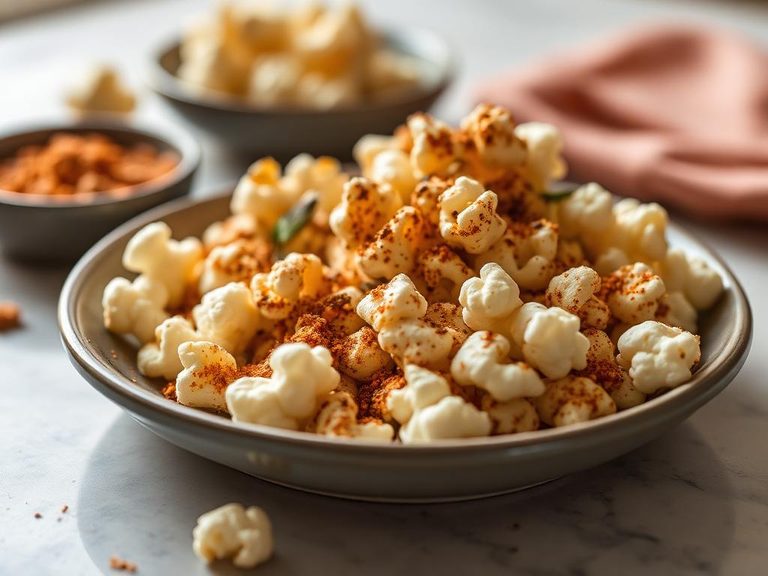
Yeast, specifically nutritional yeast, is a deactivated form of the fungus Saccharomyces cerevisiae, sold as golden flakes or powder with a distinct savory, cheesy, and nutty flavor. Its texture is light and flaky, dissolving easily into sauces or clinging to foods like popcorn. Nutritionally, it's a powerhouse, delivering an impressive 40 grams of protein per 100g and being exceptionally rich in B-vitamins, often fortified with B12.
Calorie split: 41% protein · 42% carbs · 17% fat
↓ Full nutrition💚 Why it's loved
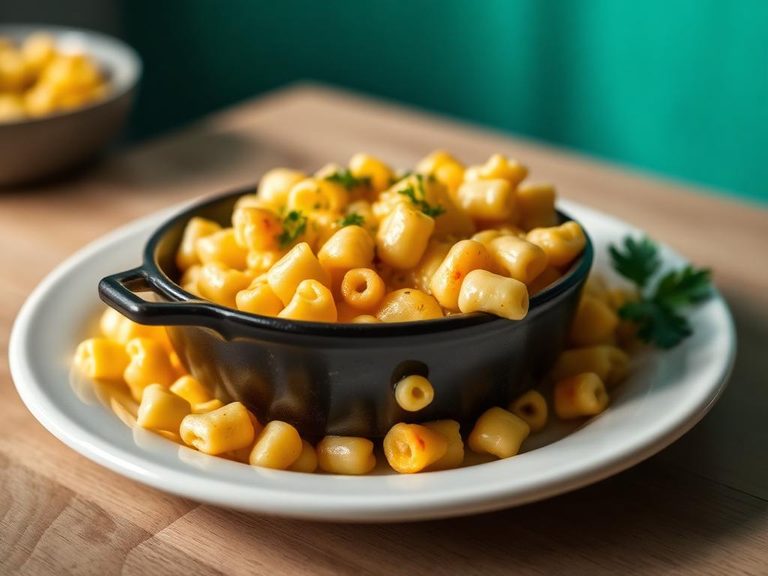
People love it for its ability to mimic cheese and add a deep, savory umami punch to vegan dishes, from sprinkling on pasta to making creamy sauces. It's a beloved staple in plant-based cooking for its unique flavor and nutritional boost.
⚠️ Watch-outs & how to enjoy it better
Some may find its strong, cheesy flavor overpowering or an acquired taste. Those with Crohn's disease or yeast sensitivities should exercise caution. To counteract, start with small amounts (1-2 teaspoons) mixed into other foods like soups or grains to acclimate to the flavor.
Key benefits
- Complete protein source containing all nine essential amino acids
- Excellent source of B-vitamins, including B12 for vegans/vegetarians
- High in dietary fiber, supporting digestive health
- Adds umami flavor without added fat or sodium
- Naturally low in sugar and fat
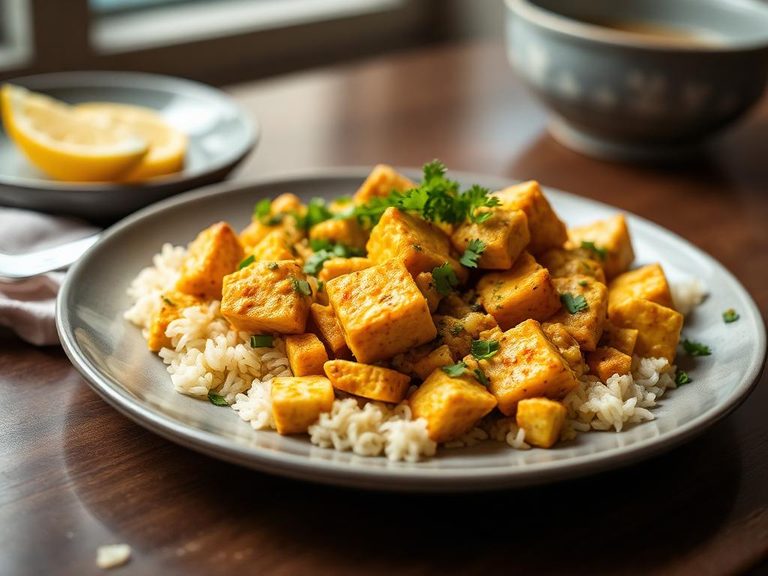
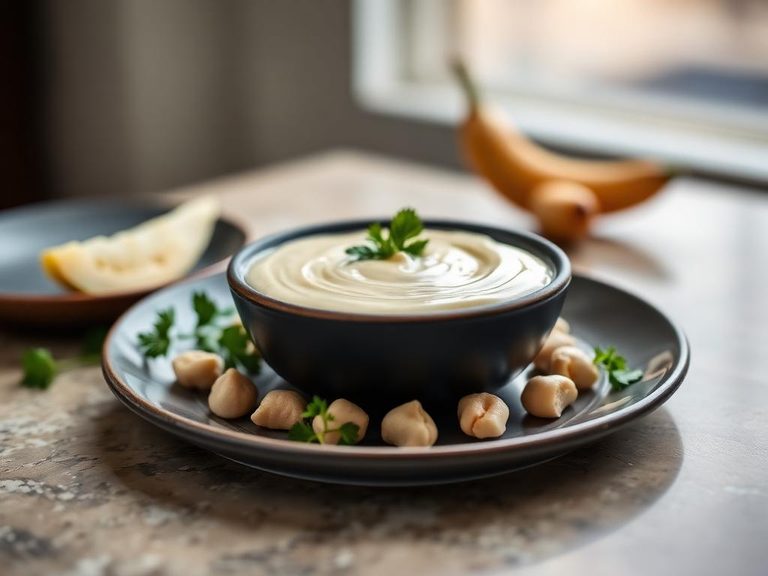
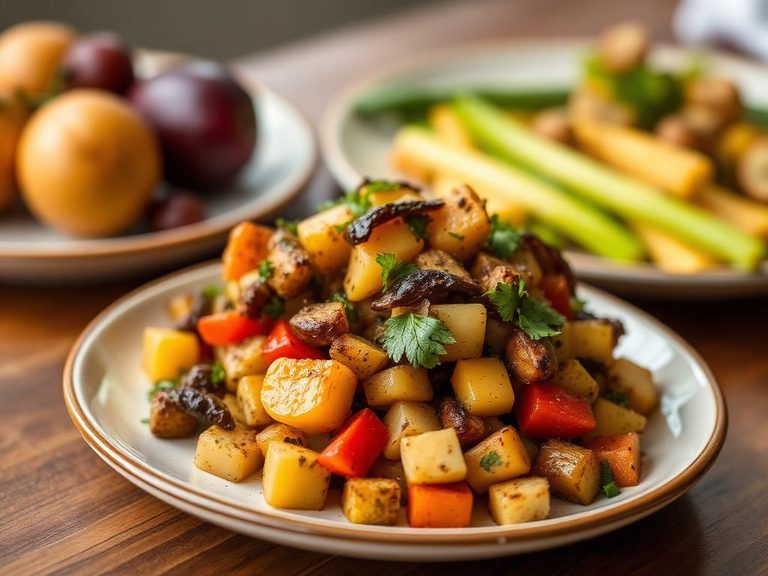
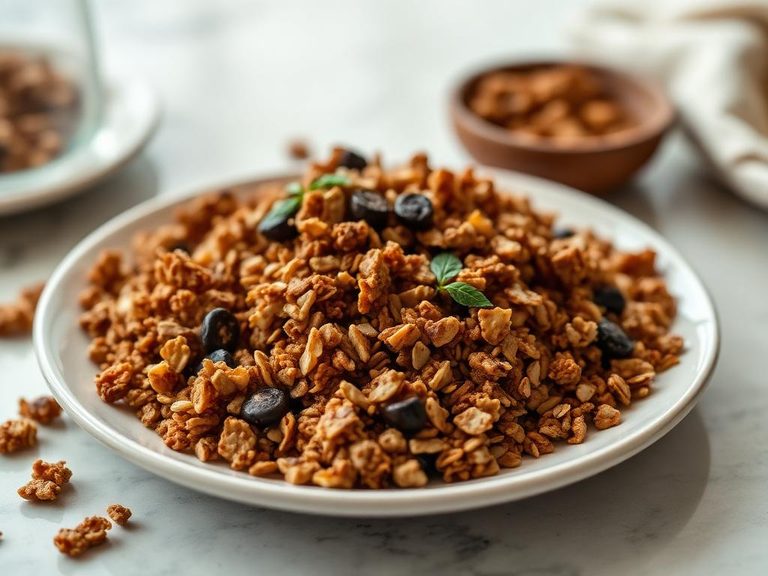
🍽️ Popular dishes
🌍 Where it's eaten
💡 Did you know?
Nutritional yeast gets its distinct yellow color from the natural carotenoid pigments produced during the fermentation process, not from artificial dyes.
Full nutrition (USDA data · scales with serving)
| Water | 5.1 g |
| Energy | 325 kcal |
| Protein | 40.4 g |
| Total lipid (fat) | 7.6 g |
| Carbohydrate, by difference | 41.2 g |
| Fiber, total dietary | 26.9 g |
| Total Sugars | 0.00 g |
| Calcium, Ca | 30.0 mg |
| Iron, Fe | 2.2 mg |
| Magnesium, Mg | 54.0 mg |
| Phosphorus, P | 637 mg |
| Potassium, K | 955 mg |
| Sodium, Na | 51.0 mg |
| Zinc, Zn | 7.9 mg |
| Copper, Cu | 0.44 mg |
| Selenium, Se | 7.9 ug |
| Vitamin C, total ascorbic acid | 0.30 mg |
| Thiamin | 11.0 mg |
| Riboflavin | 4.0 mg |
| Niacin | 40.2 mg |
| Vitamin B-6 | 1.5 mg |
| Folate, total | 2340 ug |
| Folic acid | 0.00 ug |
| Folate, food | 2340 ug |
| Folate, DFE | 2340 ug |
| Choline, total | 32.0 mg |
| Vitamin B-12 | 0.07 ug |
| Vitamin B-12, added | 0.00 ug |
| Vitamin A, RAE | 0.00 ug |
| Retinol | 0.00 ug |
| Carotene, beta | 0.00 ug |
| Carotene, alpha | 0.00 ug |
| Cryptoxanthin, beta | 0.00 ug |
| Lycopene | 0.00 ug |
| Lutein + zeaxanthin | 0.00 ug |
| Vitamin E (alpha-tocopherol) | 0.00 mg |
| Vitamin E, added | 0.00 mg |
| Vitamin D (D2 + D3) | 0.00 ug |
| Vitamin K (phylloquinone) | 0.40 ug |
| Alcohol, ethyl | 0.00 g |
| Caffeine | 0.00 mg |
| Theobromine | 0.00 mg |
Fat & fatty acid profile (per 100g)
| Fatty acids, total saturated | 1.0 g |
| SFA 4:0 | 0.00 g |
| SFA 6:0 | 0.00 g |
| SFA 8:0 | 0.00 g |
| SFA 10:0 | 0.00 g |
| SFA 12:0 | 0.05 g |
| SFA 14:0 | 0.00 g |
| SFA 16:0 | 0.71 g |
| SFA 18:0 | 0.25 g |
| Fatty acids, total monounsaturated | 4.3 g |
| MUFA 16:1 | 2.3 g |
| MUFA 18:1 | 2.0 g |
| MUFA 20:1 | 0.00 g |
| MUFA 22:1 | 0.00 g |
| Fatty acids, total polyunsaturated | 0.02 g |
| PUFA 18:2 | 0.02 g |
| PUFA 18:3 | 0.00 g |
| PUFA 18:4 | 0.00 g |
| PUFA 20:4 | 0.00 g |
| PUFA 20:5 n-3 (EPA) | 0.00 g |
| PUFA 22:5 n-3 (DPA) | 0.00 g |
| PUFA 22:6 n-3 (DHA) | 0.00 g |
| Cholesterol | 0.00 mg |
Amino acid profile (per 100g)
Estimated from Restaurant, Latino, bunuelos (fried yeast bread) — USDA does not publish this profile for Yeast.
| Tryptophan | 0.09 g |
| Threonine | 0.25 g |
| Isoleucine | 0.31 g |
| Leucine | 0.63 g |
| Lysine | 0.33 g |
| Methionine | 0.16 g |
| Cystine | 0.12 g |
| Phenylalanine | 0.38 g |
| Tyrosine | 0.22 g |
| Valine | 0.39 g |
| Arginine | 0.30 g |
| Histidine | 0.19 g |
| Alanine | 0.25 g |
| Aspartic acid | 0.45 g |
| Glutamic acid | 2.3 g |
| Glycine | 0.22 g |
| Proline | 0.82 g |
| Serine | 0.42 g |
FAQ
Is nutritional yeast the same as baker's yeast or brewer's yeast?
No. While all come from the same species of yeast (Saccharomyces cerevisiae), they are processed differently. Nutritional yeast is grown on molasses, then harvested, washed, and dried, deactivating it. It's specifically for nutrition and flavor, not for leavening bread.
Does it really taste like cheese?
It has a strong umami, savory, and nutty flavor that many compare to parmesan or cheddar. It doesn't melt like cheese but provides a similar savory depth, making it a popular cheese substitute in vegan cooking.
How should I store it?
Store it in a cool, dark place in its original airtight container. For longer shelf life (up to a year), keep it in the refrigerator or freezer, which helps preserve its B-vitamin content.
Nutrient density (calculated · NRF9.3)
Nutrient Rich Foods index: beneficial nutrients (protein, fiber, vitamins, minerals) minus saturated fat, added sugar & sodium, per 100 kcal.
NRF9.3 index — Fulgoni, Keast & Drewnowski, 2009. Computed from USDA nutrients.
Weight-loss friendliness (composite index)
Energy density 3.25 kcal/g · 50% calories from protein · 26.9 g fiber · 0.0 g sugar per 100 g.
Composite of energy density (Rolls et al., 1999), protein & fiber satiety, minus sugar. A calculated heuristic — ranks satiety-per-calorie, not a clinical measure.
Dietary load (calculated from USDA values)
Potential renal acid load. Positive = acid-forming, negative = alkaline-forming.
Sodium-to-potassium ratio: 0.05 (lower is better — aim for ≤ 1)
Sodium:potassium per WHO potassium guidance. Computed from USDA nutrients.