

Halva
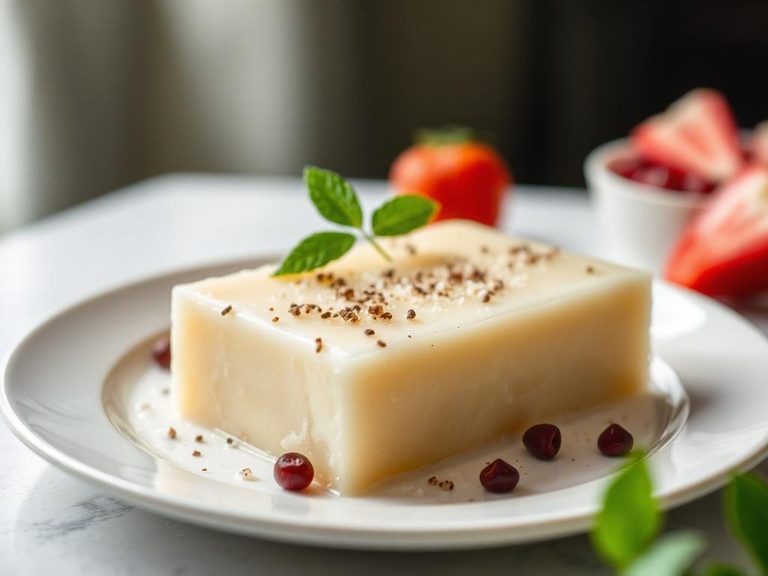
Halva is a dense, sweet confection with a crumbly or fudgy texture, typically made from a base of flour (like semolina) or nuts (like sesame paste/tahini) combined with sugar syrup. It's a beloved treat across a vast region, from the Middle East and the Mediterranean to the Balkans, Central Asia, and the Indian subcontinent, with countless regional variations.
🍳 View the full Halva recipe →
🍽️ Nutrition at a glance
Halva is very energy-dense, being high in both carbohydrates (from sugar) and fats (from tahini, nuts, or oil). A typical serving provides a quick burst of energy, along with minerals like iron and magnesium from sesame, but should be enjoyed in moderation due to its high calorie content.
Nutrition breakdown
| Calories | 410 kcal |
| Protein | 8 g |
| Carbs | 45 g |
| Fat | 24 g |
| Fiber | 3 g |
| Sugar | 30 g |
| Sodium | 45 mg |
| Calcium | 120 mg |
| Iron | 3.5 mg |
| Magnesium | 80 mg |
| Phosphorus | 160 mg |
| Potassium | 250 mg |
| Zinc | 2.0 mg |
| Copper | 0.5 mg |
| Manganese | 1.8 mg |
Per 1 piece (85 g) · estimated, varies by recipe
💡 What's interesting
What's fascinating is its incredible diversity; the same name refers to completely different foods, from the flour-based, gelatinous halva of Greece to the flaky, nutty halva of Turkey and the sweet, brittle-like halva of India. Nutritionally, the tahini-based versions offer a surprising plant-based protein and healthy fat profile amidst the sweetness.
🍽️ Related dishes
AI estimate may be inaccurate · Terms