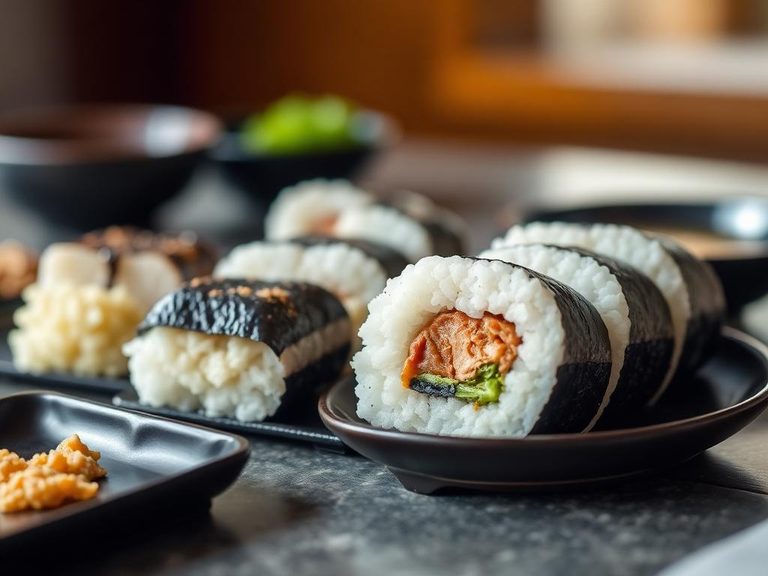
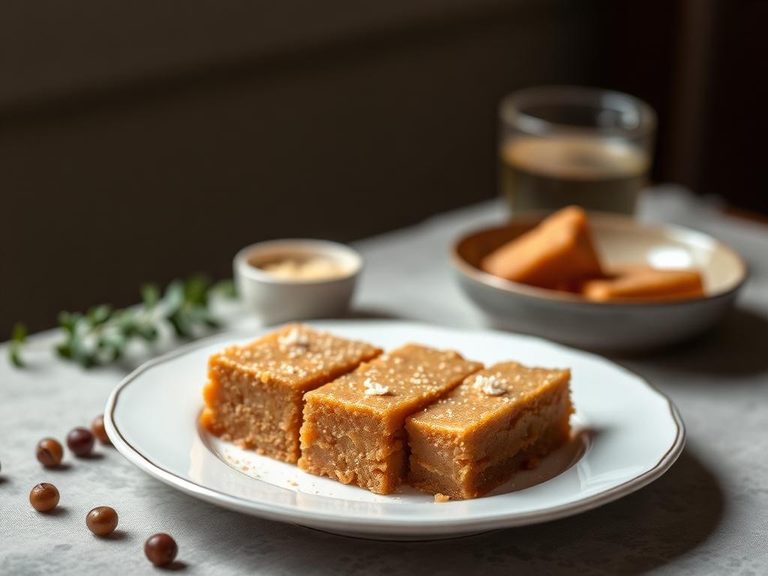
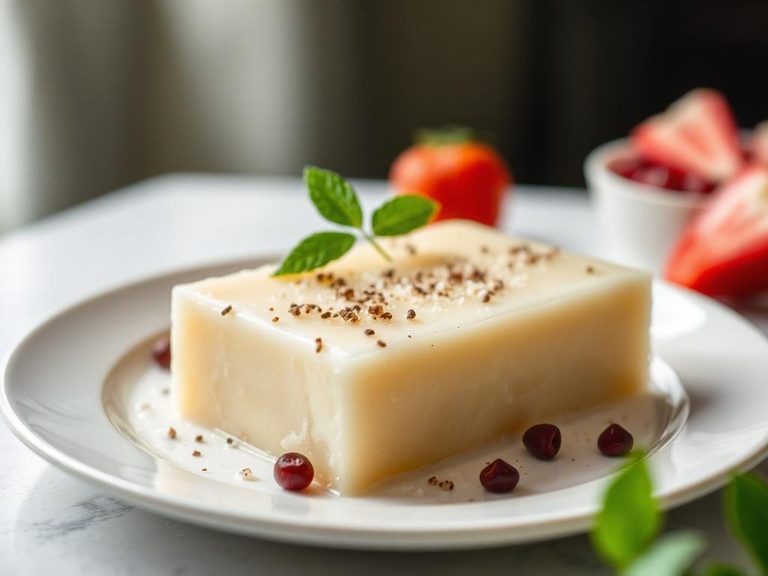
Used in some types of halva
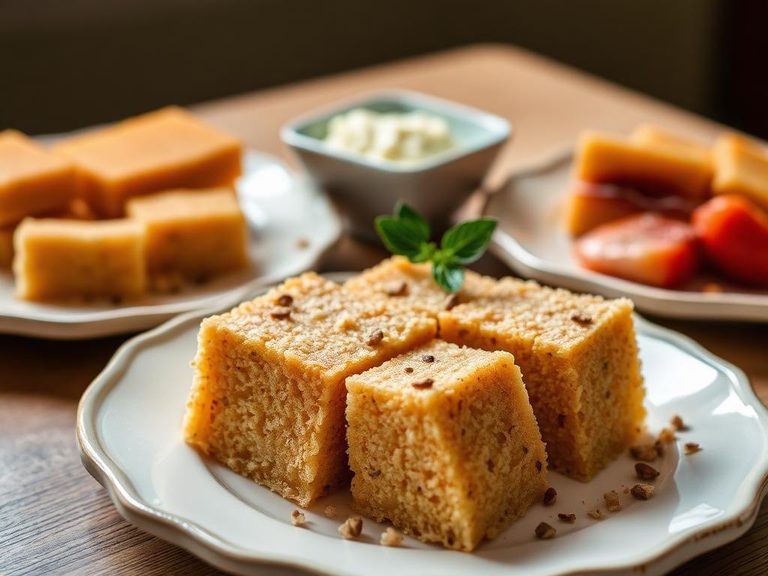
Halva is a dense, sweet confection originating from the Middle East, South Asia, and the Mediterranean. It is typically made from a base of flour, nuts, or seeds (like sesame or sunflower) combined with sugar or syrup, and often includes flavorings like rosewater, cardamom, or cocoa.
🍽️ Nutrition at a glance
Halva is very high in carbohydrates and fat, with minimal protein. A typical serving provides a significant calorie boost, along with some iron and magnesium from its seed or nut base.
Nutrition breakdown
| Calories | 270 kcal |
| Protein | 4 g |
| Carbs | 30 g |
| Fat | 16 g |
| Fiber | 2 g |
| Sugar | 22 g |
| Sodium | 30 mg |
| Iron | 2 mg |
| Magnesium | 40 mg |
| Phosphorus | 80 mg |
| Zinc | 1 mg |
| Copper | 0.3 mg |
| Manganese | 0.5 mg |
| Thiamin (B1) | 0.1 mg |
| Calcium | 80 mg |
Per 1 piece (56 g) · estimated, varies by recipe
💡 What's interesting
Halva has a unique, crumbly-yet-melting texture that is achieved by cooking the sugar syrup to a specific stage before combining it with the flour or nut paste. Nutritionally, sesame-based halva is a notable plant-based source of calcium.