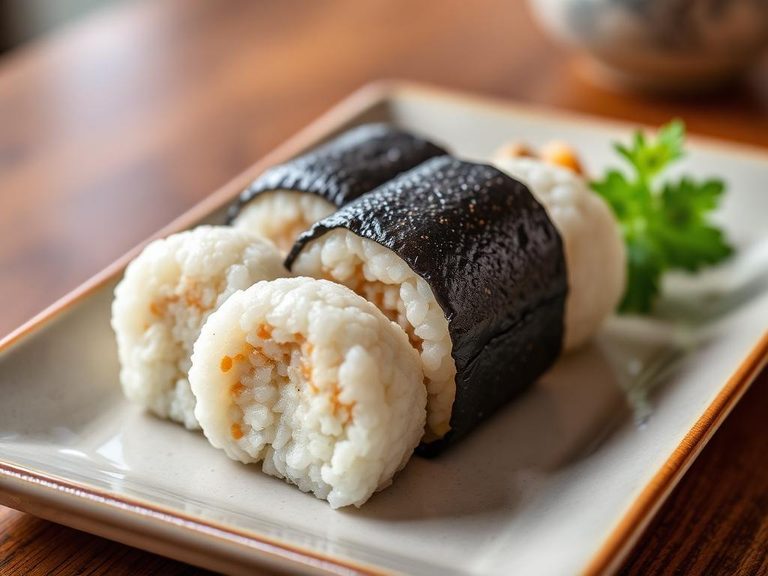
Ingredient in some types of Onigiri
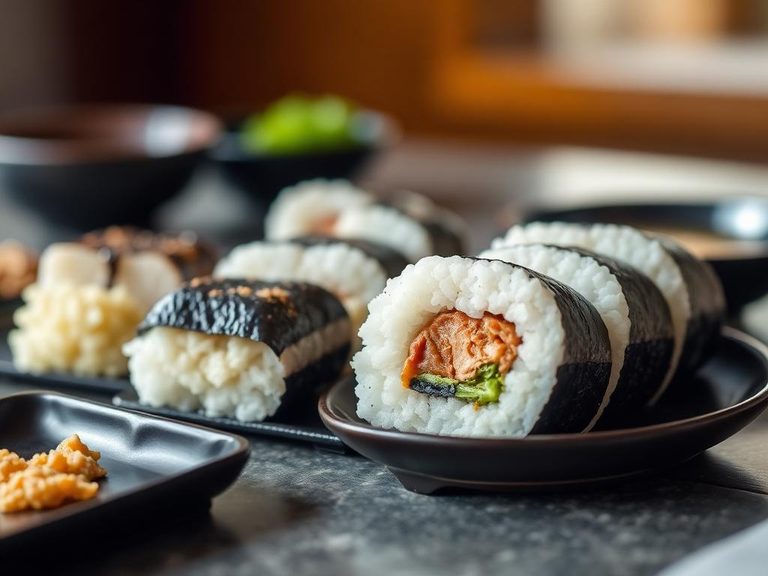
Umeboshi are salt-pickled Japanese plums, a tangy and intensely sour ingredient often found inside onigiri (rice balls). They are made from unripe plums (ume) that are preserved with salt, and sometimes shiso leaves for color and flavor. This traditional preserve is a staple in Japanese cuisine, known for its long shelf life and distinctive taste.
🍽️ Nutrition at a glance
Umeboshi is very low in calories and contains virtually no fat or protein, but it is extremely high in sodium due to the pickling process. It provides small amounts of potassium and antioxidants, but its primary nutritional role is as a flavor enhancer and preservative rather than a major nutrient source.
Nutrition breakdown
| Calories | 3 kcal |
| Protein | 0.1 g |
| Carbs | 0.5 g |
| Fat | 0 g |
| Fiber | 0.2 g |
| Sugar | 0.3 g |
| Sodium | 300 mg |
| Potassium | 20 mg |
| Vitamin A | 5 µg |
| Iron | 0.1 mg |
| Manganese | 0.02 mg |
Per 1 medium umeboshi plum (about 10 g) · estimated, varies by recipe
💡 What's interesting
Culturally, umeboshi is a symbol of summer and resilience in Japan, often included in bento boxes for its believed antibacterial properties and ability to prevent food spoilage. Its intense sourness is said to stimulate appetite and combat fatigue, making it a traditional remedy for mild nausea.