Ingredient in some herbal tonic drinks
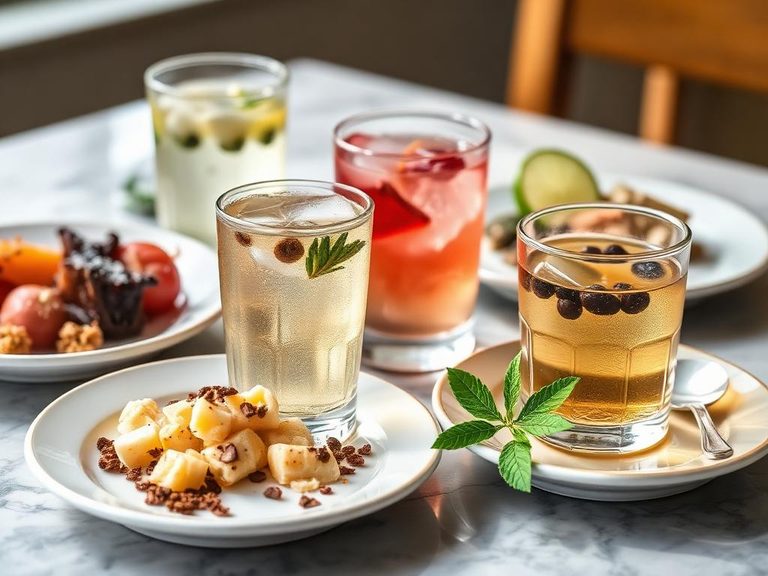
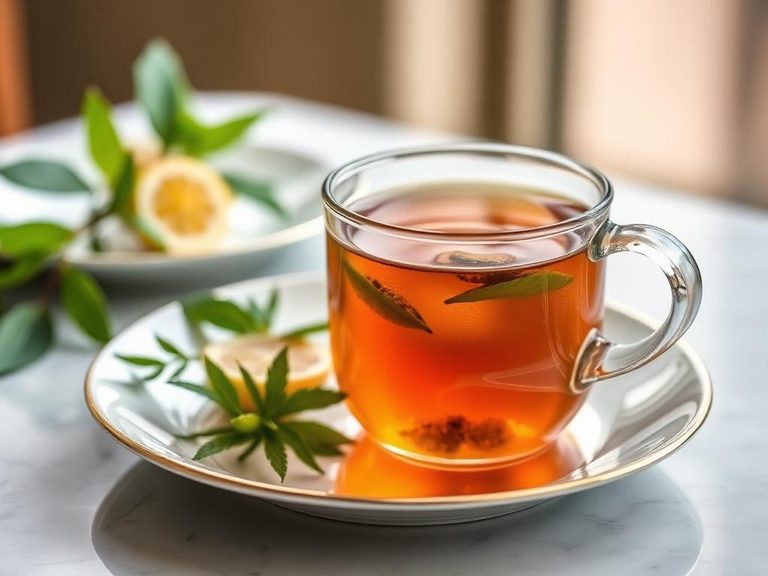
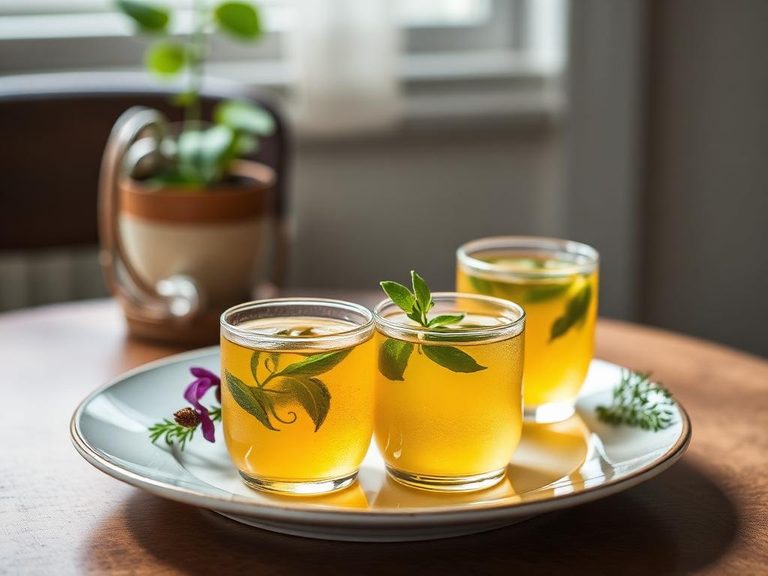
This is a traditional herbal tonic drink, often referred to as 'herbal tea' or 'medicinal soup' in Chinese culture. It typically combines a variety of dried herbs, roots, flowers, and sometimes fruits or sweeteners like rock sugar, simmered to extract their flavors and purported benefits. It originates from Chinese culinary and wellness traditions, particularly associated with Cantonese and broader East Asian cuisines.
🍽️ Nutrition at a glance
This drink is generally very low in calories, carbohydrates, fat, and protein, as it is primarily water infused with herbal essences. Its key nutritional contribution comes from trace minerals and phytonutrients from the herbs, with a typical serving containing roughly 10-50 calories depending on sweetness.
Nutrition breakdown
| Calories | 30 kcal |
| Protein | 0.5 g |
| Carbs | 7 g |
| Fat | 0 g |
| Fiber | 0 g |
| Sugar | 6 g |
| Sodium | 10 mg |
| Potassium | 50 mg |
| Magnesium | 10 mg |
| Calcium | 15 mg |
| Iron | 0.5 mg |
| Manganese | 0.3 mg |
| Zinc | 0.2 mg |
| Vitamin C | 2 mg |
| Phosphorus | 10 mg |
Per 1 cup (240 ml) · estimated, varies by recipe
💡 What's interesting
Culturally, these tonics are deeply embedded in the concept of 'food as medicine' in Chinese tradition, where specific combinations are believed to balance the body's 'qi' or address seasonal needs. Nutritionally, they are unique for providing hydration along with a complex array of plant compounds without significant macronutrients.