

Tea, hot, leaf, black
Common food
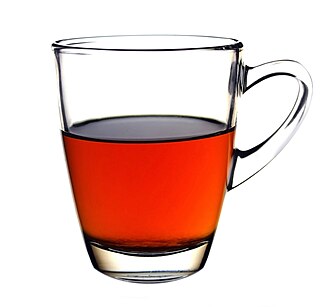
Photo: Wikipedia
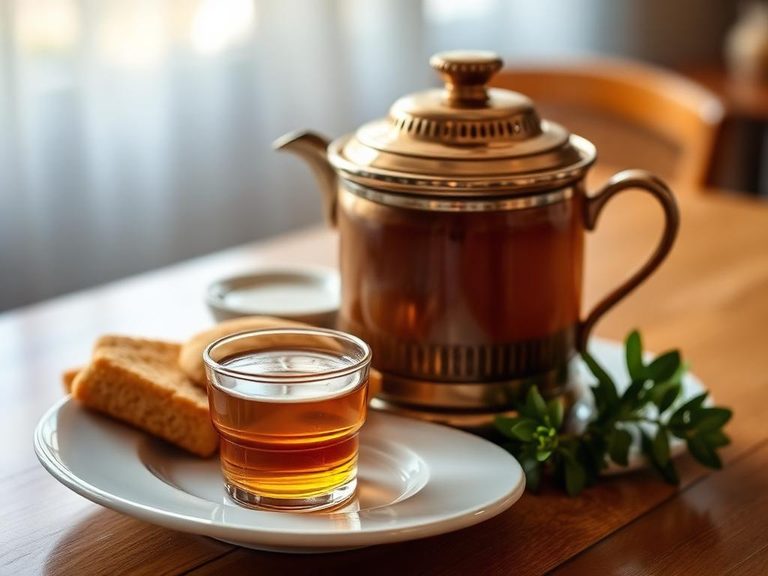
Hot black tea is a deeply aromatic, amber-hued infusion brewed from the fully oxidized leaves of the Camellia sinensis plant. It delivers a robust, brisk flavor with notes ranging from malty and sweet to smoky or astringent, depending on the variety. Nutritionally, it is virtually calorie-free, providing a comforting, zero-sugar beverage.
Calorie split: 0% protein · 100% carbs · 0% fat
↓ Full nutrition💚 Why it's loved
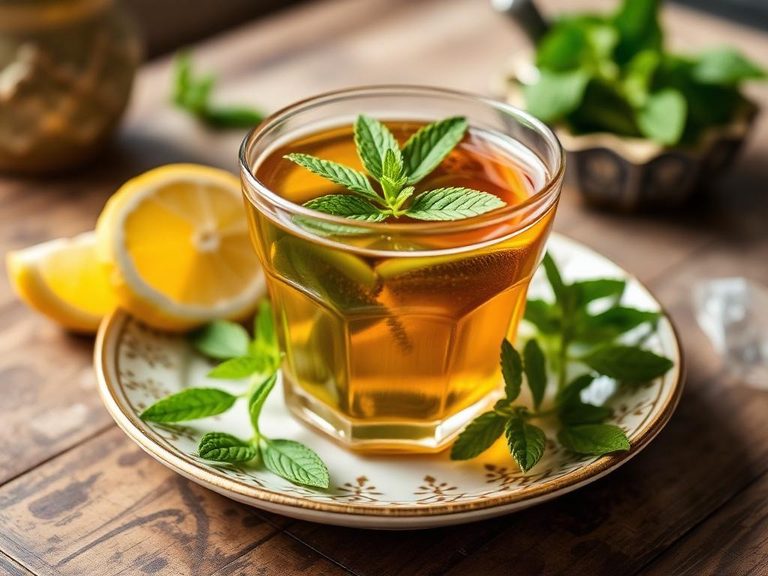
People love it for its bold, complex flavor profile that can be enjoyed plain or customized with milk, sugar, or lemon. It's a cornerstone of daily rituals and social customs worldwide, from the British afternoon tea to the Moroccan mint tea ceremony.
⚠️ Watch-outs & how to enjoy it better
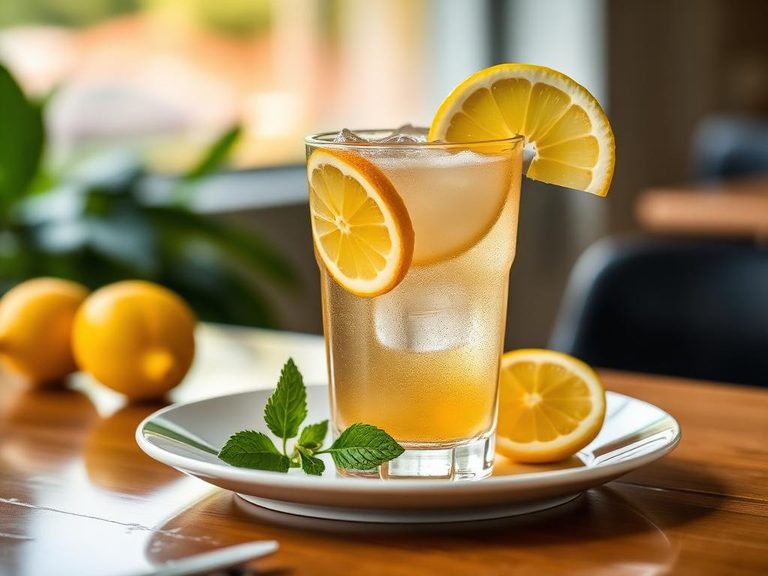
The tannins in black tea can inhibit iron absorption from plant-based foods, so it's best enjoyed between meals rather than with iron-rich dishes. The caffeine content (40-70mg per cup) may affect sensitive individuals; opt for a shorter brew time or decaf version to reduce intake. To counteract tannins, pair tea with a source of vitamin C (like lemon) or wait an hour after eating iron-rich foods.
Key benefits
- Rich in antioxidants like theaflavins and thearubigins
- May support heart health and healthy cholesterol levels
- Contains L-theanine, which promotes calm alertness
- Hydrating with zero calories, sugar, or fat
🍽️ Popular dishes
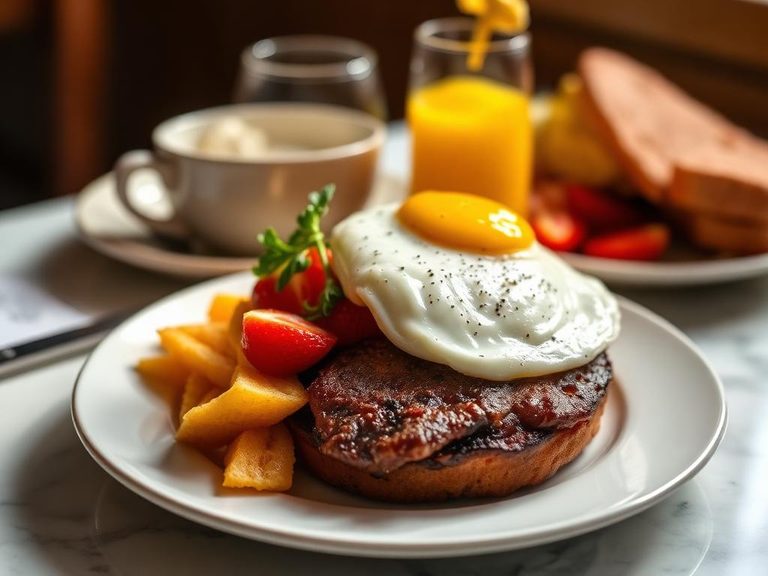
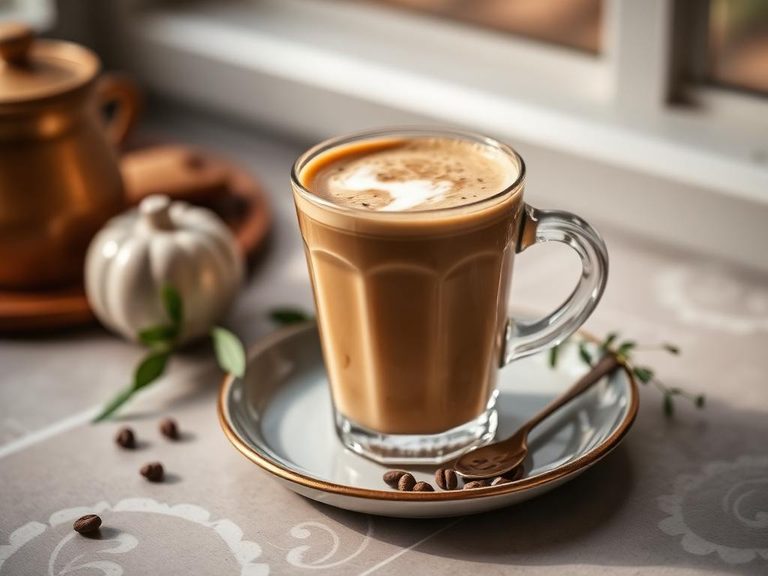
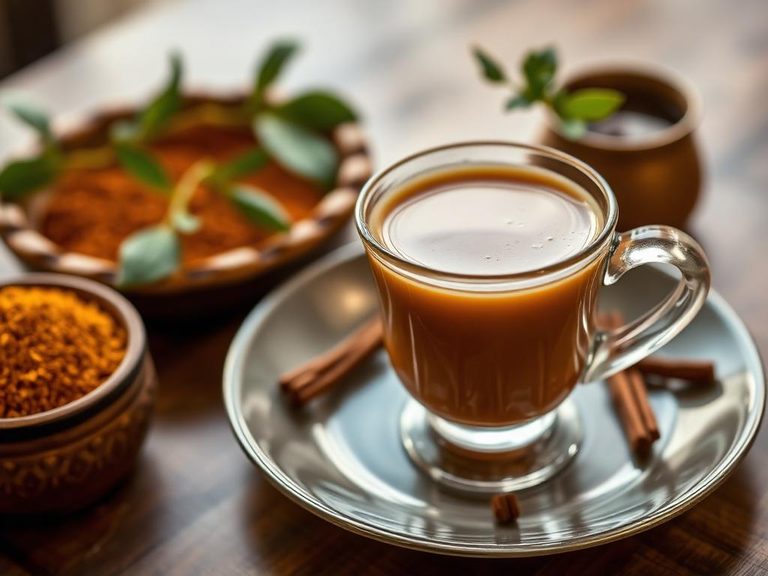
🌍 Where it's eaten
💡 Did you know?
The world's most expensive black tea, Da Hong Pao, is a rare Chinese oolong (a partially oxidized cousin) whose original mother bushes are so revered they are guarded by the Chinese government and last sold for $1.2 million per kilogram.
Full nutrition (USDA data · scales with serving)
| Water | 99.7 g |
| Energy | 1.0 kcal |
| Protein | 0.00 g |
| Total lipid (fat) | 0.00 g |
| Carbohydrate, by difference | 0.30 g |
| Fiber, total dietary | 0.00 g |
| Total Sugars | 0.00 g |
| Calcium, Ca | 0.00 mg |
| Iron, Fe | 0.02 mg |
| Magnesium, Mg | 3.0 mg |
| Phosphorus, P | 1.0 mg |
| Potassium, K | 37.0 mg |
| Sodium, Na | 3.0 mg |
| Zinc, Zn | 0.02 mg |
| Copper, Cu | 0.01 mg |
| Selenium, Se | 0.00 ug |
| Vitamin C, total ascorbic acid | 0.00 mg |
| Thiamin | 0.00 mg |
| Riboflavin | 0.01 mg |
| Niacin | 0.00 mg |
| Vitamin B-6 | 0.00 mg |
| Folate, total | 5.0 ug |
| Folic acid | 0.00 ug |
| Folate, food | 5.0 ug |
| Folate, DFE | 5.0 ug |
| Choline, total | 0.40 mg |
| Vitamin B-12 | 0.00 ug |
| Vitamin B-12, added | 0.00 ug |
| Vitamin A, RAE | 0.00 ug |
| Retinol | 0.00 ug |
| Carotene, beta | 0.00 ug |
| Carotene, alpha | 0.00 ug |
| Cryptoxanthin, beta | 0.00 ug |
| Lycopene | 0.00 ug |
| Lutein + zeaxanthin | 0.00 ug |
| Vitamin E (alpha-tocopherol) | 0.00 mg |
| Vitamin E, added | 0.00 mg |
| Vitamin D (D2 + D3) | 0.00 ug |
| Vitamin K (phylloquinone) | 0.00 ug |
| Alcohol, ethyl | 0.00 g |
| Caffeine | 20.0 mg |
| Theobromine | 2.0 mg |
Fat & fatty acid profile (per 100g)
| Fatty acids, total saturated | 0.00 g |
| SFA 4:0 | 0.00 g |
| SFA 6:0 | 0.00 g |
| SFA 8:0 | 0.00 g |
| SFA 10:0 | 0.00 g |
| SFA 12:0 | 0.00 g |
| SFA 14:0 | 0.00 g |
| SFA 16:0 | 0.00 g |
| SFA 18:0 | 0.00 g |
| Fatty acids, total monounsaturated | 0.00 g |
| MUFA 16:1 | 0.00 g |
| MUFA 18:1 | 0.00 g |
| MUFA 20:1 | 0.00 g |
| MUFA 22:1 | 0.00 g |
| Fatty acids, total polyunsaturated | 0.00 g |
| PUFA 18:2 | 0.00 g |
| PUFA 18:3 | 0.00 g |
| PUFA 18:4 | 0.00 g |
| PUFA 20:4 | 0.00 g |
| PUFA 20:5 n-3 (EPA) | 0.00 g |
| PUFA 22:5 n-3 (DPA) | 0.00 g |
| PUFA 22:6 n-3 (DHA) | 0.00 g |
| Cholesterol | 0.00 mg |
Amino acid profile (per 100g)
Estimated from Cookies, animal crackers (includes arrowroot, tea biscuits) — USDA does not publish this profile for Tea.
| Tryptophan | 0.10 g |
| Threonine | 0.19 g |
| Isoleucine | 0.26 g |
| Leucine | 0.47 g |
| Lysine | 0.24 g |
| Methionine | 0.12 g |
| Cystine | 0.15 g |
| Phenylalanine | 0.32 g |
| Tyrosine | 0.20 g |
| Valine | 0.30 g |
| Arginine | 0.26 g |
| Histidine | 0.14 g |
| Alanine | 0.21 g |
| Aspartic acid | 0.29 g |
| Glutamic acid | 2.3 g |
| Glycine | 0.23 g |
| Proline | 0.76 g |
| Serine | 0.36 g |
FAQ
How does brewing time affect black tea's taste and caffeine?
A longer steep (3-5 minutes) extracts more tannins and caffeine, resulting in a stronger, more astringent brew. For a smoother cup with less caffeine, steep for 2-3 minutes.
Is black tea gluten-free?
Yes, pure black tea leaves are naturally gluten-free. However, flavored tea blends or pre-made mixes could contain additives; always check labels for allergens.
Can I reuse black tea leaves?
High-quality loose-leaf black tea can often be re-steeped 2-3 times, with each infusion revealing different flavor notes. The second steep is typically milder.
Nutrient density (calculated · NRF9.3)
Nutrient Rich Foods index: beneficial nutrients (protein, fiber, vitamins, minerals) minus saturated fat, added sugar & sodium, per 100 kcal.
NRF9.3 index — Fulgoni, Keast & Drewnowski, 2009. Computed from USDA nutrients.
Weight-loss friendliness (composite index)
Energy density 0.01 kcal/g · 0% calories from protein · 0.0 g fiber · 0.0 g sugar per 100 g.
Composite of energy density (Rolls et al., 1999), protein & fiber satiety, minus sugar. A calculated heuristic — ranks satiety-per-calorie, not a clinical measure.
Dietary load (calculated from USDA values)
Potential renal acid load. Positive = acid-forming, negative = alkaline-forming.
Sodium-to-potassium ratio: 0.08 (lower is better — aim for ≤ 1)
Sodium:potassium per WHO potassium guidance. Computed from USDA nutrients.