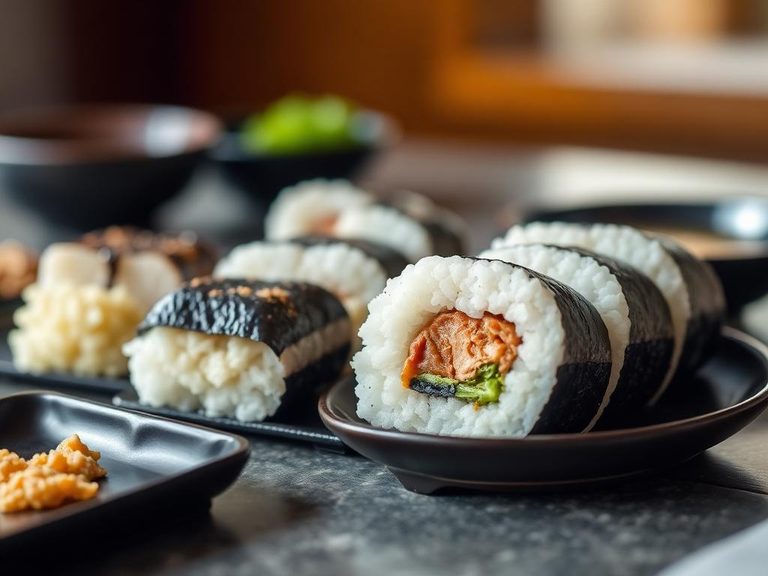
Some types of dumplings
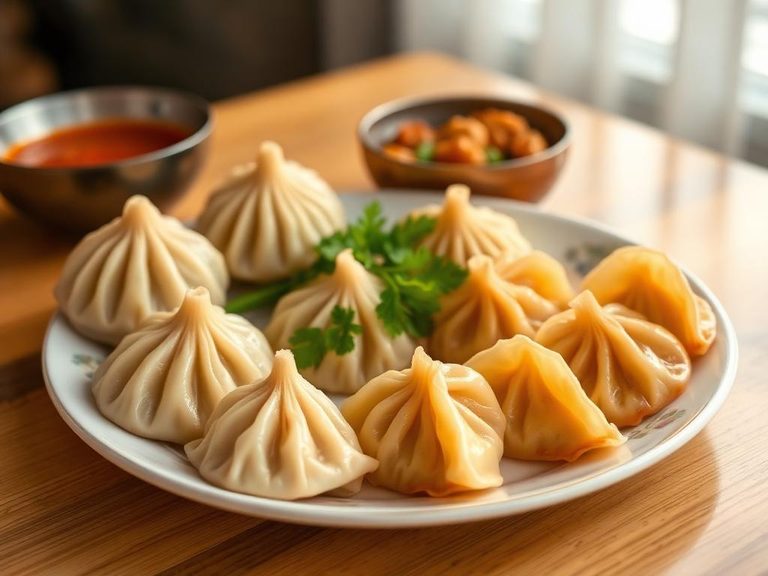
Dumplings are a universal comfort food consisting of small parcels of dough, typically filled with a savory mixture of minced meat, vegetables, or a combination, then cooked by boiling, steaming, or pan-frying. While originating in China over 1,800 years ago, countless regional variations exist worldwide, from Italian ravioli and Polish pierogi to Japanese gyoza and Turkish manti. They are often served as a main dish or appetizer, frequently accompanied by a dipping sauce.
🍽️ Nutrition at a glance
A typical serving of dumplings is moderate in carbohydrates from the wrapper and provides a good source of protein from the filling, with fat content varying significantly based on the cooking method and filling. Key nutrients include B vitamins, iron, and selenium, with a rough calorie ballpark of 300-500 kcal per serving of 8-10 dumplings.
Nutrition breakdown
| Calories | 380 kcal |
| Protein | 18 g |
| Carbs | 40 g |
| Fat | 16 g |
| Fiber | 3 g |
| Sugar | 2 g |
| Sodium | 850 mg |
| Iron | 3.5 mg |
| Selenium | 22 mcg |
| Thiamin (B1) | 0.4 mg |
| Niacin (B3) | 4.5 mg |
| Vitamin B6 | 0.3 mg |
| Phosphorus | 180 mg |
| Zinc | 2.5 mg |
| Copper | 0.2 mg |
Per 8 pan-fried pork and vegetable dumplings (approx. 160 g) · estimated, varies by recipe
💡 What's interesting
Culturally, dumplings are a symbol of prosperity and togetherness, especially during Chinese New Year, where their shape resembles ancient gold ingots. Nutritionally, they offer a balanced, all-in-one package of carbs, protein, and vegetables, making them a satisfying and adaptable meal.