

Raisins, golden, seedless
Whole food · Fruits and Fruit Juices

Photo: Wikipedia
Golden raisins, also known as sultanas, are dried white grapes prized for their plump, tender texture and bright, honeyed sweetness with a subtle tartness. Unlike darker raisins, they are often treated with sulfur dioxide to preserve their light color and distinct flavor. Nutritionally, they are a concentrated source of quick energy, delivering over 80 grams of carbohydrates per 100 grams.
Calorie split: 4% protein · 96% carbs · 1% fat
↓ Full nutrition💚 Why it's loved
People love golden raisins for their uniquely bright, tangy-sweet flavor and soft, chewy texture that's less dense than darker varieties. They are incredibly versatile, adding a burst of sweetness to everything from morning oatmeal to savory grain salads and baked goods.
⚠️ Watch-outs & how to enjoy it better
Due to their high sugar content (65.7g per 100g), they can cause rapid blood sugar spikes, making portion control essential for those managing diabetes. The sulfur dioxide used in processing can trigger reactions in sensitive individuals, particularly those with asthma. To mitigate sugar impact, pair them with protein or fat (like nuts or yogurt) and stick to a small handful (about 40g) as a serving.
Key benefits
- Provide a quick, natural energy boost from simple carbohydrates
- Contain dietary fiber to support digestive regularity
- Offer a good source of potassium, an essential mineral for fluid balance
- Serve as a convenient, shelf-stable fruit for snacking and cooking
- Provide antioxidants like phenolic compounds from the grape skin
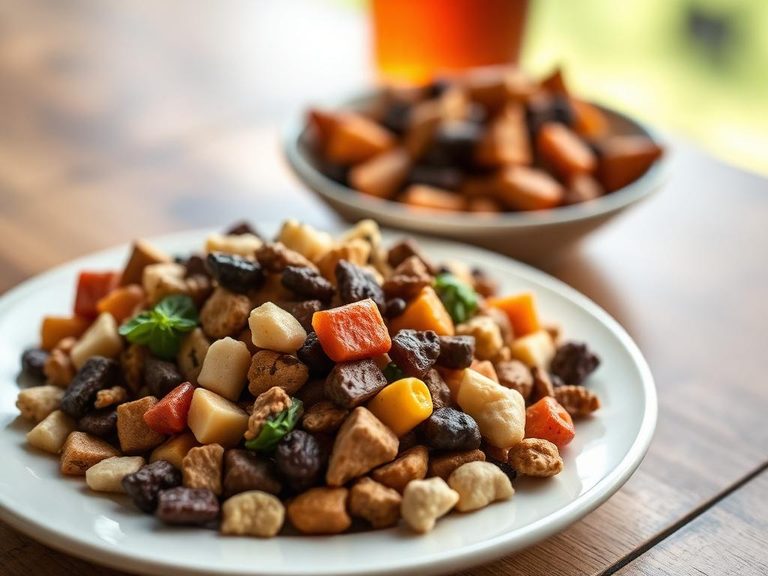
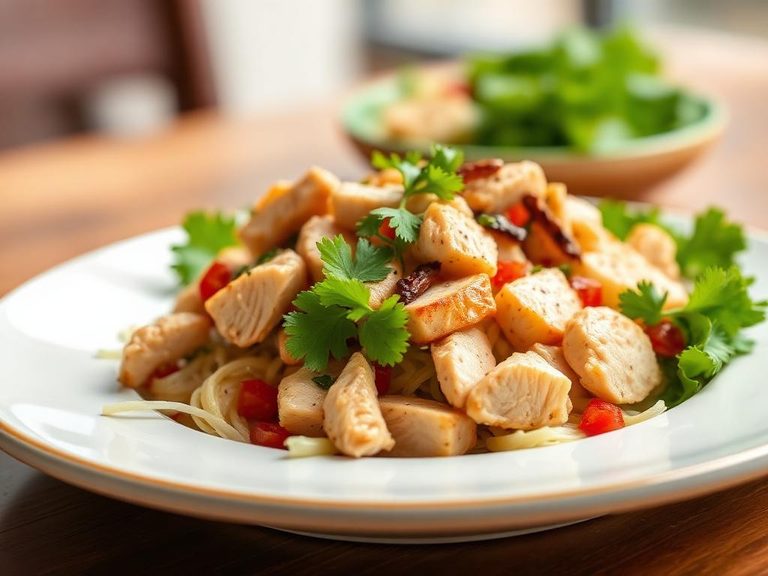
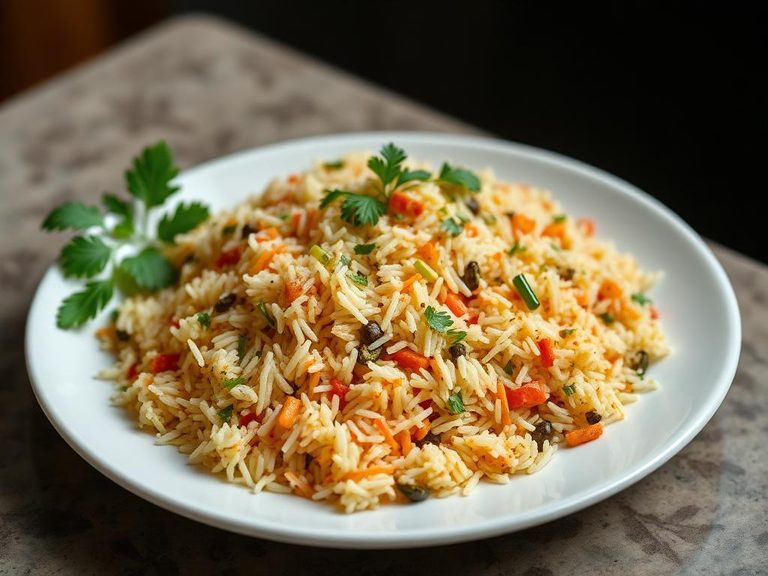
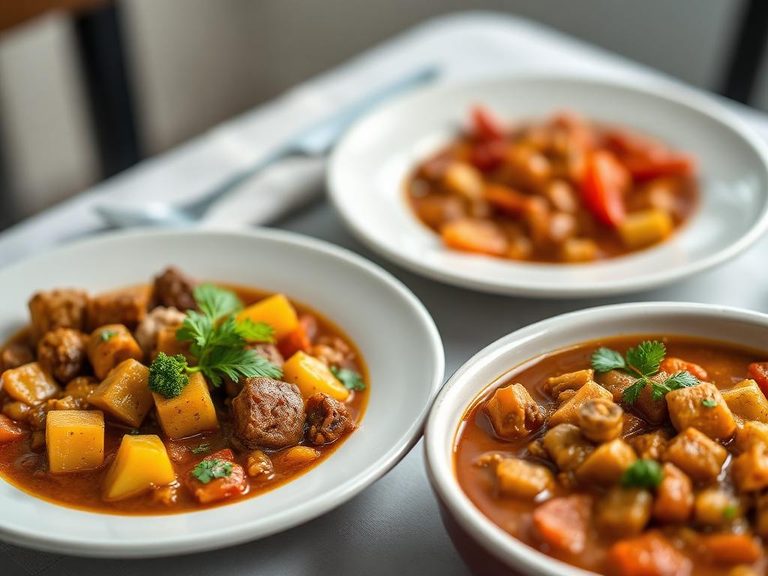
🍽️ Popular dishes

🌍 Where it's eaten
💡 Did you know?
The golden color of sultanas is not natural; the grapes are typically dipped in a solution of oil and potassium carbonate before drying to speed up and lighten the process.
Full nutrition (USDA data · scales with serving)
| Water | 14.9 g |
| Energy | 301 kcal |
| Energy | 1258 kj |
| Protein | 3.3 g |
| Total lipid (fat) | 0.20 g |
| Ash | 1.6 g |
| Carbohydrate, by difference | 80.0 g |
| Fiber, total dietary | 3.3 g |
| Total Sugars | 65.7 g |
| Sucrose | 0.00 g |
| Glucose | 31.0 g |
| Fructose | 34.7 g |
| Lactose | 0.00 g |
| Maltose | 0.00 g |
| Calcium, Ca | 64.0 mg |
| Iron, Fe | 0.98 mg |
| Magnesium, Mg | 35.0 mg |
| Phosphorus, P | 101 mg |
| Potassium, K | 746 mg |
| Sodium, Na | 24.0 mg |
| Zinc, Zn | 0.37 mg |
| Copper, Cu | 0.23 mg |
| Manganese, Mn | 0.23 mg |
| Selenium, Se | 0.70 ug |
| Vitamin C, total ascorbic acid | 3.2 mg |
| Thiamin | 0.01 mg |
| Riboflavin | 0.19 mg |
| Niacin | 1.1 mg |
| Vitamin B-6 | 0.32 mg |
| Folate, total | 3.0 ug |
| Folic acid | 0.00 ug |
| Folate, food | 3.0 ug |
| Folate, DFE | 3.0 ug |
| Choline, total | 11.1 mg |
| Vitamin B-12 | 0.00 ug |
| Vitamin B-12, added | 0.00 ug |
| Vitamin A, RAE | 0.00 ug |
| Retinol | 0.00 ug |
| Carotene, beta | 0.00 ug |
| Carotene, alpha | 0.00 ug |
| Cryptoxanthin, beta | 0.00 ug |
| Vitamin A, IU | 0.00 iu |
| Lycopene | 0.00 ug |
| Lutein + zeaxanthin | 0.00 ug |
| Vitamin E (alpha-tocopherol) | 0.12 mg |
| Vitamin E, added | 0.00 mg |
| Vitamin D (D2 + D3), International Units | 0.00 iu |
| Vitamin D (D2 + D3) | 0.00 ug |
| Vitamin D3 (cholecalciferol) | 0.00 ug |
| Vitamin K (phylloquinone) | 3.5 ug |
| Alcohol, ethyl | 0.00 g |
| Caffeine | 0.00 mg |
| Theobromine | 0.00 mg |
Fat & fatty acid profile (per 100g)
| Fatty acids, total saturated | 0.07 g |
| SFA 4:0 | 0.01 g |
| SFA 6:0 | 0.00 g |
| SFA 8:0 | 0.00 g |
| SFA 10:0 | 0.00 g |
| SFA 12:0 | 0.00 g |
| SFA 14:0 | 0.00 g |
| SFA 15:0 | 0.00 g |
| SFA 16:0 | 0.04 g |
| SFA 17:0 | 0.00 g |
| SFA 18:0 | 0.01 g |
| SFA 20:0 | 0.00 g |
| SFA 22:0 | 0.00 g |
| SFA 24:0 | 0.00 g |
| Fatty acids, total monounsaturated | 0.01 g |
| MUFA 14:1 | 0.00 g |
| MUFA 15:1 | 0.00 g |
| MUFA 16:1 | 0.00 g |
| MUFA 16:1 c | 0.00 g |
| MUFA 17:1 | 0.00 g |
| MUFA 18:1 | 0.01 g |
| MUFA 18:1 c | 0.01 g |
| MUFA 20:1 | 0.00 g |
| MUFA 22:1 | 0.00 g |
| MUFA 22:1 c | 0.00 g |
| MUFA 24:1 c | 0.00 g |
| Fatty acids, total polyunsaturated | 0.06 g |
| PUFA 18:2 | 0.04 g |
| PUFA 18:2 n-6 c,c | 0.04 g |
| PUFA 18:2 CLAs | 0.00 g |
| PUFA 18:3 | 0.02 g |
| PUFA 18:3 n-3 c,c,c (ALA) | 0.02 g |
| PUFA 18:3 n-6 c,c,c | 0.00 g |
| PUFA 18:3i | 0.00 g |
| PUFA 18:4 | 0.00 g |
| PUFA 20:2 n-6 c,c | 0.00 g |
| PUFA 20:3 | 0.00 g |
| PUFA 20:3 n-3 | 0.00 g |
| PUFA 20:3 n-6 | 0.00 g |
| PUFA 20:4 | 0.00 g |
| PUFA 20:5 n-3 (EPA) | 0.00 g |
| PUFA 22:4 | 0.00 g |
| PUFA 22:5 n-3 (DPA) | 0.00 g |
| PUFA 22:6 n-3 (DHA) | 0.00 g |
| Fatty acids, total trans | 0.00 g |
| Fatty acids, total trans-monoenoic | 0.00 g |
| TFA 16:1 t | 0.00 g |
| TFA 18:1 t | 0.00 g |
| TFA 22:1 t | 0.00 g |
| TFA 18:2 t not further defined | 0.00 g |
| Fatty acids, total trans-polyenoic | 0.00 g |
| Cholesterol | 0.00 mg |
Amino acid profile (per 100g)
Estimated from Muffins, wheat bran, toaster-type with raisins, toasted — USDA does not publish this profile for Raisins.
| Tryptophan | 0.07 g |
| Threonine | 0.20 g |
| Isoleucine | 0.22 g |
| Leucine | 0.39 g |
| Lysine | 0.25 g |
| Methionine | 0.09 g |
| Cystine | 0.11 g |
| Phenylalanine | 0.26 g |
| Tyrosine | 0.18 g |
| Valine | 0.25 g |
| Arginine | 0.33 g |
| Histidine | 0.14 g |
| Alanine | 0.23 g |
| Aspartic acid | 0.46 g |
| Glutamic acid | 1.3 g |
| Glycine | 0.23 g |
| Proline | 0.41 g |
| Serine | 0.29 g |
FAQ
What's the difference between golden raisins and regular raisins?
Golden raisins (sultanas) are made from green seedless grapes (like Thompson Seedless) and are often treated with sulfur dioxide to maintain their light color and tangy flavor. Regular raisins are typically made from darker grapes and are sun-dried, resulting in a deeper color and more robust, wine-like flavor.
Are golden raisins healthy?
They can be a healthy part of a balanced diet, offering fiber, potassium, and antioxidants. However, they are calorie-dense and high in sugar, so they should be consumed in moderation as part of a meal or snack that includes protein and fat to help stabilize blood sugar response.
How should I store golden raisins?
Store them in an airtight container in a cool, dark place like a pantry for several months. For longer shelf life (up to a year), keep them in the refrigerator or freezer. If they dry out, you can rehydrate them by soaking in warm water for 10-15 minutes.
Nutrient density (calculated · NRF9.3)
Nutrient Rich Foods index: beneficial nutrients (protein, fiber, vitamins, minerals) minus saturated fat, added sugar & sodium, per 100 kcal.
NRF9.3 index — Fulgoni, Keast & Drewnowski, 2009. Computed from USDA nutrients.
Weight-loss friendliness (composite index)
Energy density 3.01 kcal/g · 4% calories from protein · 3.3 g fiber · 65.7 g sugar per 100 g.
Composite of energy density (Rolls et al., 1999), protein & fiber satiety, minus sugar. A calculated heuristic — ranks satiety-per-calorie, not a clinical measure.
Dietary load (calculated from USDA values)
Potential renal acid load. Positive = acid-forming, negative = alkaline-forming.
Sodium-to-potassium ratio: 0.03 (lower is better — aim for ≤ 1)
Sodium:potassium per WHO potassium guidance. Computed from USDA nutrients.