

Mollusks, clam, mixed species, canned, drained solids
Whole food · Finfish and Shellfish Products
Canned mixed clams are tender, briny morsels of ocean flavor, packed in their own juice and drained for convenience. Their texture is pleasantly chewy yet soft, making them a staple for quick, protein-rich meals. With 24.25g of protein per 100g, they are a lean powerhouse of marine nutrition.
Calorie split: 72% protein · 17% carbs · 11% fat
↓ Full nutrition💚 Why it's loved
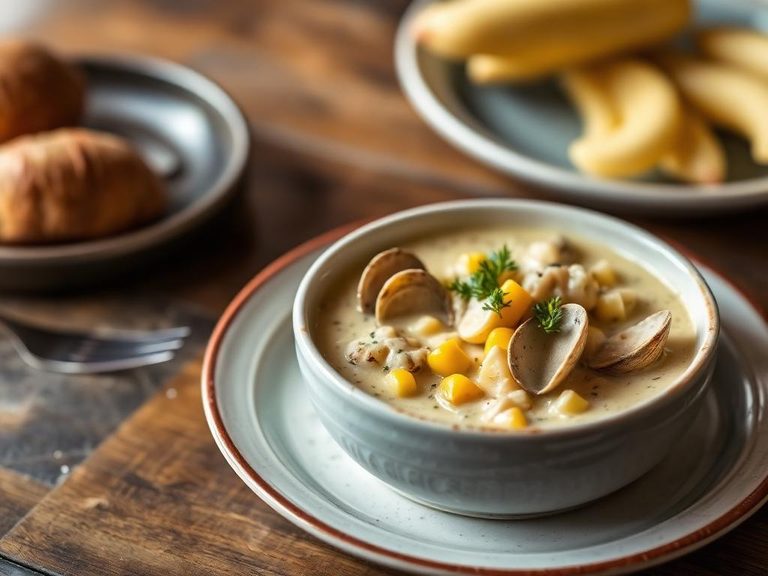
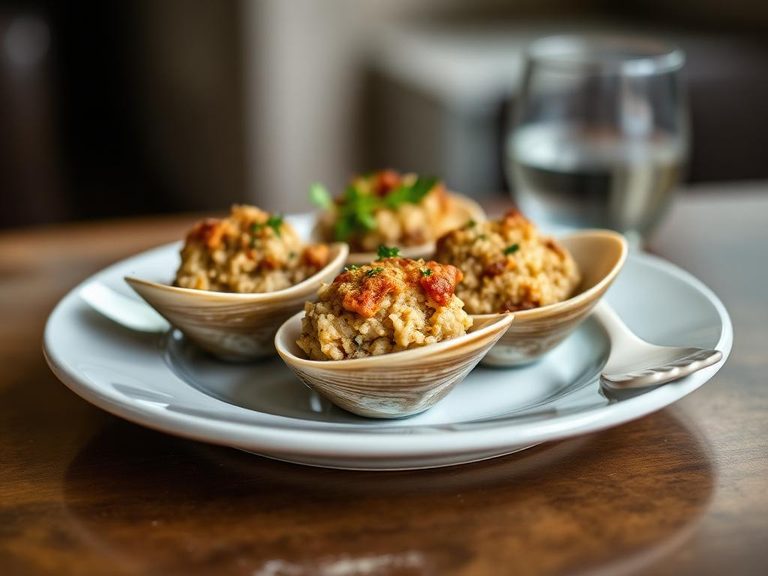
People love canned clams for their intense, savory umami flavor and the ease of adding a taste of the sea to dishes without shucking. They are a beloved ingredient in classic comfort foods, from clam chowder to pasta sauces, and are cherished in coastal cuisines worldwide.
⚠️ Watch-outs & how to enjoy it better
Canned clams can be high in sodium, which may be a concern for those monitoring salt intake. They are also a common shellfish allergen, and some may find their texture or briny taste unappealing. To mitigate sodium, rinse them briefly under cool water before use, and pair with low-sodium ingredients like fresh vegetables or unsalted broth.
Key benefits
- Excellent source of high-quality protein (24.25g per 100g)
- Low in fat (1.59g per 100g) and contains zero sugar
- Rich in minerals like iron, zinc, and selenium
- Provides vitamin B12 for nerve health and energy
- Convenient, shelf-stable source of seafood protein
🍽️ Popular dishes
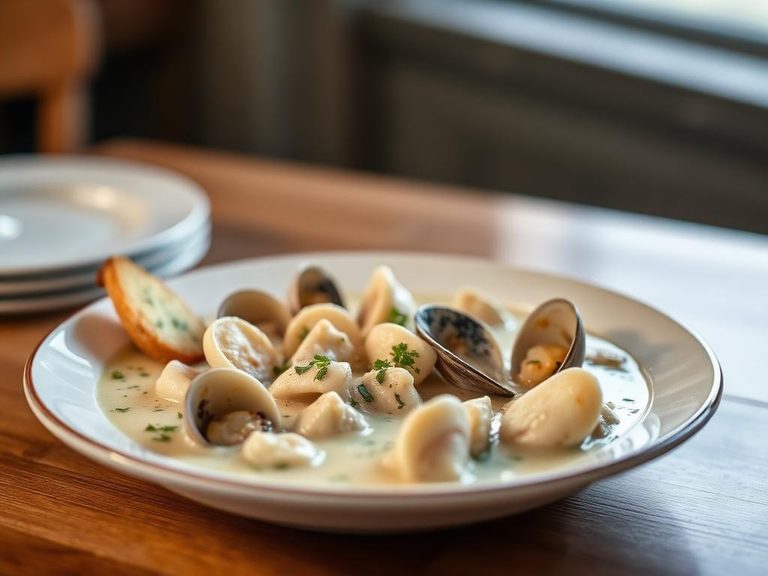
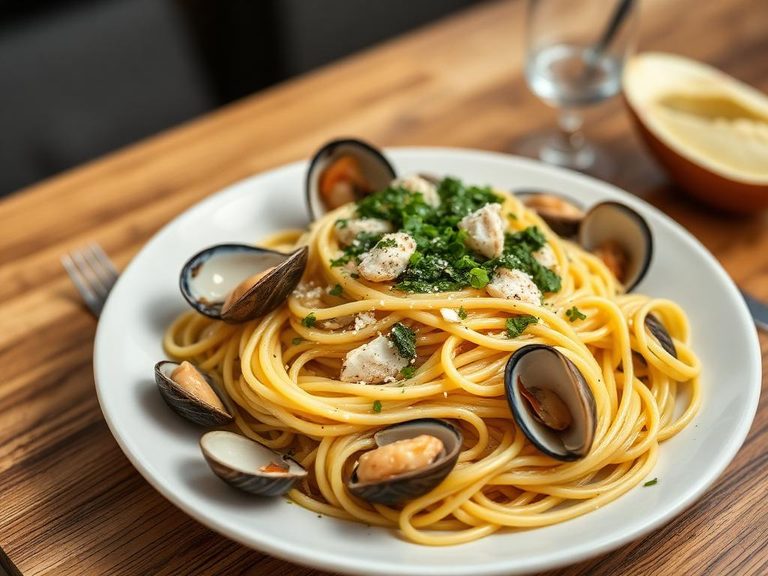
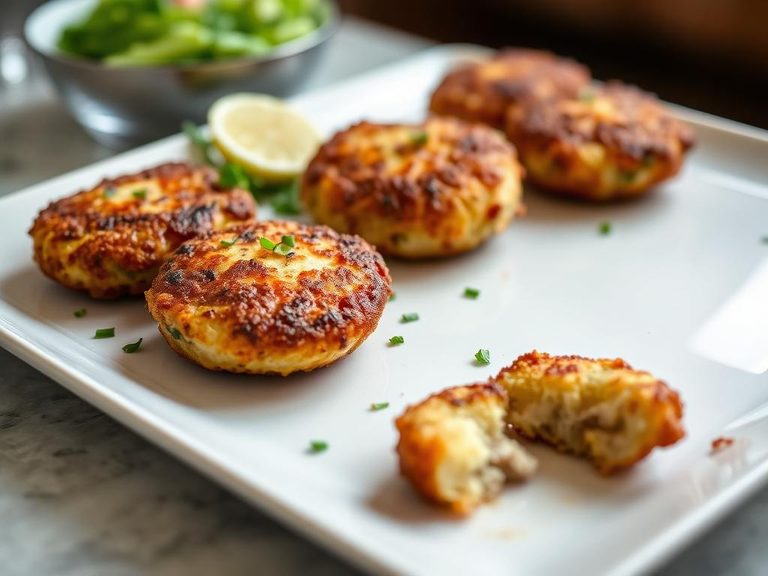
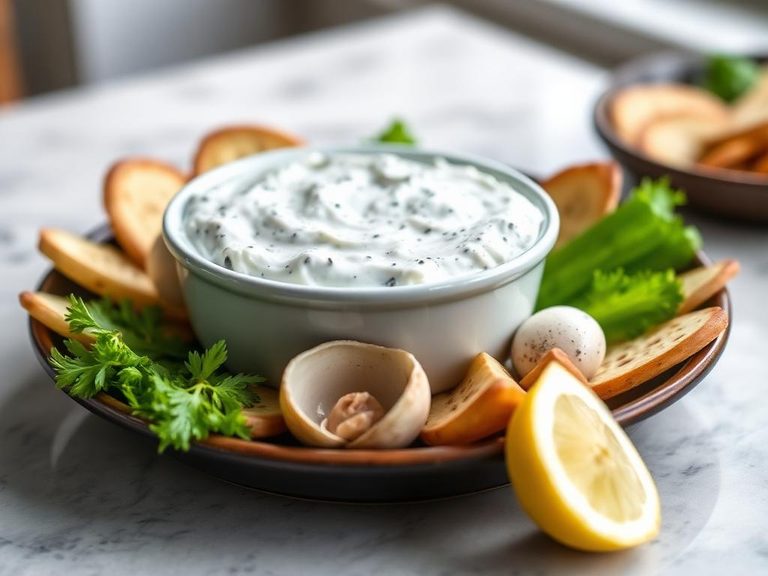
🌍 Where it's eaten
💡 Did you know?
Canned clams are often harvested using a method called 'dredging,' where a metal basket is dragged along the ocean floor to collect them, a practice that has been refined over centuries to be more sustainable.
Full nutrition (USDA data · scales with serving)
| Water | 65.3 g |
| Energy | 142 kcal |
| Energy | 595 kj |
| Protein | 24.3 g |
| Total lipid (fat) | 1.6 g |
| Ash | 3.0 g |
| Carbohydrate, by difference | 5.9 g |
| Fiber, total dietary | 0.00 g |
| Total Sugars | 0.00 g |
| Sucrose | 0.00 g |
| Glucose | 0.00 g |
| Fructose | 0.00 g |
| Lactose | 0.00 g |
| Maltose | 0.00 g |
| Galactose | 0.00 g |
| Starch | 2.3 g |
| Calcium, Ca | 65.0 mg |
| Iron, Fe | 2.7 mg |
| Magnesium, Mg | 32.0 mg |
| Phosphorus, P | 327 mg |
| Potassium, K | 628 mg |
| Sodium, Na | 112 mg |
| Zinc, Zn | 0.84 mg |
| Copper, Cu | 0.09 mg |
| Manganese, Mn | 0.14 mg |
| Selenium, Se | 50.5 ug |
| Vitamin C, total ascorbic acid | 0.00 mg |
| Thiamin | 0.02 mg |
| Riboflavin | 0.07 mg |
| Niacin | 0.58 mg |
| Pantothenic acid | 0.24 mg |
| Vitamin B-6 | 0.02 mg |
| Folate, total | 7.0 ug |
| Folic acid | 0.00 ug |
| Folate, food | 7.0 ug |
| Folate, DFE | 7.0 ug |
| Choline, total | 107 mg |
| Vitamin B-12 | 18.6 ug |
| Vitamin B-12, added | 0.00 ug |
| Vitamin A, RAE | 149 ug |
| Retinol | 149 ug |
| Carotene, beta | 0.00 ug |
| Carotene, alpha | 0.00 ug |
| Cryptoxanthin, beta | 0.00 ug |
| Vitamin A, IU | 496 iu |
| Lycopene | 0.00 ug |
| Lutein + zeaxanthin | 0.00 ug |
| Vitamin E (alpha-tocopherol) | 1.1 mg |
| Vitamin E, added | 0.00 mg |
| Tocopherol, beta | 0.03 mg |
| Tocopherol, gamma | 1.5 mg |
| Tocopherol, delta | 0.63 mg |
| Tocotrienol, alpha | 0.05 mg |
| Tocotrienol, beta | 0.00 mg |
| Tocotrienol, gamma | 0.01 mg |
| Tocotrienol, delta | 0.00 mg |
| Vitamin D (D2 + D3), International Units | 2.0 iu |
| Vitamin D (D2 + D3) | 0.10 ug |
| Vitamin D3 (cholecalciferol) | 0.10 ug |
| Vitamin K (phylloquinone) | 0.30 ug |
| Vitamin K (Dihydrophylloquinone) | 0.00 ug |
| Vitamin K (Menaquinone-4) | 0.10 ug |
| Alcohol, ethyl | 0.00 g |
| Caffeine | 0.00 mg |
| Theobromine | 0.00 mg |
Fat & fatty acid profile (per 100g)
| Fatty acids, total saturated | 0.31 g |
| SFA 4:0 | 0.00 g |
| SFA 6:0 | 0.00 g |
| SFA 8:0 | 0.00 g |
| SFA 10:0 | 0.00 g |
| SFA 12:0 | 0.01 g |
| SFA 14:0 | 0.01 g |
| SFA 15:0 | 0.00 g |
| SFA 16:0 | 0.18 g |
| SFA 18:0 | 0.08 g |
| SFA 20:0 | 0.01 g |
| SFA 22:0 | 0.00 g |
| SFA 24:0 | 0.00 g |
| Fatty acids, total monounsaturated | 0.20 g |
| MUFA 14:1 | 0.00 g |
| MUFA 15:1 | 0.00 g |
| MUFA 16:1 | 0.03 g |
| MUFA 17:1 | 0.06 g |
| MUFA 18:1 | 0.10 g |
| MUFA 20:1 | 0.01 g |
| MUFA 22:1 | 0.00 g |
| MUFA 24:1 c | 0.00 g |
| Fatty acids, total polyunsaturated | 0.32 g |
| PUFA 18:2 | 0.07 g |
| PUFA 18:3 | 0.03 g |
| PUFA 18:4 | 0.00 g |
| PUFA 20:2 n-6 c,c | 0.01 g |
| PUFA 20:3 | 0.00 g |
| PUFA 20:4 | 0.02 g |
| PUFA 20:5 n-3 (EPA) | 0.07 g |
| PUFA 22:4 | 0.01 g |
| PUFA 22:5 n-3 (DPA) | 0.01 g |
| PUFA 22:6 n-3 (DHA) | 0.11 g |
| Fatty acids, total trans | 0.02 g |
| Cholesterol | 50.0 mg |
Amino acid profile (per 100g)
| Tryptophan | 0.34 g |
| Threonine | 1.2 g |
| Isoleucine | 1.1 g |
| Leucine | 2.0 g |
| Lysine | 1.9 g |
| Methionine | 0.70 g |
| Cystine | 0.29 g |
| Phenylalanine | 0.93 g |
| Tyrosine | 0.99 g |
| Valine | 1.2 g |
| Arginine | 2.0 g |
| Histidine | 0.50 g |
| Alanine | 1.5 g |
| Aspartic acid | 2.7 g |
| Glutamic acid | 3.7 g |
| Glycine | 1.1 g |
| Proline | 0.83 g |
| Serine | 1.1 g |
FAQ
Are canned clams as nutritious as fresh clams?
Yes, canned clams retain most of their protein, minerals, and vitamins, though they may have slightly higher sodium. The canning process preserves nutrients effectively.
How should I store opened canned clams?
Transfer any unused clams to an airtight container and refrigerate for up to 2-3 days. Do not store them in the original can.
Can I use the clam juice from the can?
Absolutely! The juice is flavorful and can be used as a base for soups, sauces, or to add depth to rice dishes. Just be mindful of its salt content.
Nutrient density (calculated · NRF9.3)
Nutrient Rich Foods index: beneficial nutrients (protein, fiber, vitamins, minerals) minus saturated fat, added sugar & sodium, per 100 kcal.
NRF9.3 index — Fulgoni, Keast & Drewnowski, 2009. Computed from USDA nutrients.
Weight-loss friendliness (composite index)
Energy density 1.42 kcal/g · 68% calories from protein · 0.0 g fiber · 0.0 g sugar per 100 g.
Composite of energy density (Rolls et al., 1999), protein & fiber satiety, minus sugar. A calculated heuristic — ranks satiety-per-calorie, not a clinical measure.
Dietary load (calculated from USDA values)
Potential renal acid load. Positive = acid-forming, negative = alkaline-forming.
Sodium-to-potassium ratio: 0.18 (lower is better — aim for ≤ 1)
Sodium:potassium per WHO potassium guidance. Computed from USDA nutrients.