

Fast foods, potato, mashed
Whole food · Fast Foods
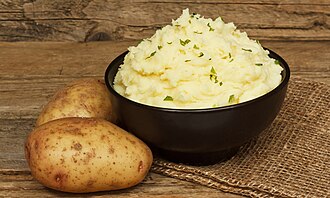
Photo: Wikipedia
Fast-food mashed potatoes are a creamy, velvety side dish made from rehydrated potato flakes, butter, and milk. They offer a mild, comforting flavor with a smooth, lump-free texture that's a staple in quick-service meals. Nutritionally, they provide a quick source of energy from carbs, with a modest amount of fiber and minimal fat per serving.
Calorie split: 7% protein · 65% carbs · 28% fat
↓ Full nutrition💚 Why it's loved
People love them for their rich, buttery flavor and the nostalgic comfort they provide, often evoking memories of home-cooked meals. Their versatility makes them a perfect base for gravies, cheeses, or herbs, and they are a culturally ubiquitous side in American fast-food culture.
⚠️ Watch-outs & how to enjoy it better
They can be high in sodium, which may be a concern for those monitoring blood pressure, and the refined carbs can cause blood-sugar spikes. To counteract this, pair them with a protein source like grilled chicken or beans, and practice portion control by opting for a smaller serving.
Key benefits
- Provides quick energy from complex carbohydrates
- Low in fat compared to many other fast-food sides
- Contains dietary fiber for digestive health
- Offers a comforting, familiar texture and taste
- Often fortified with vitamins and minerals like iron and B vitamins
🍽️ Popular dishes
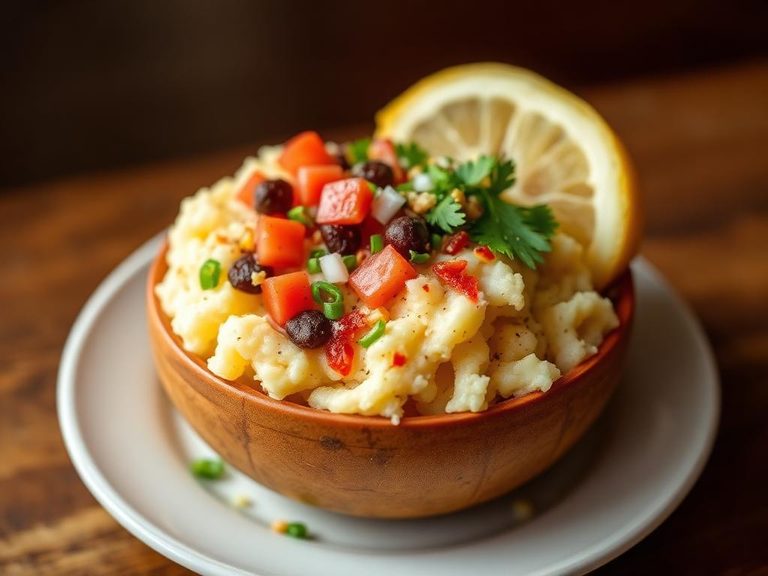
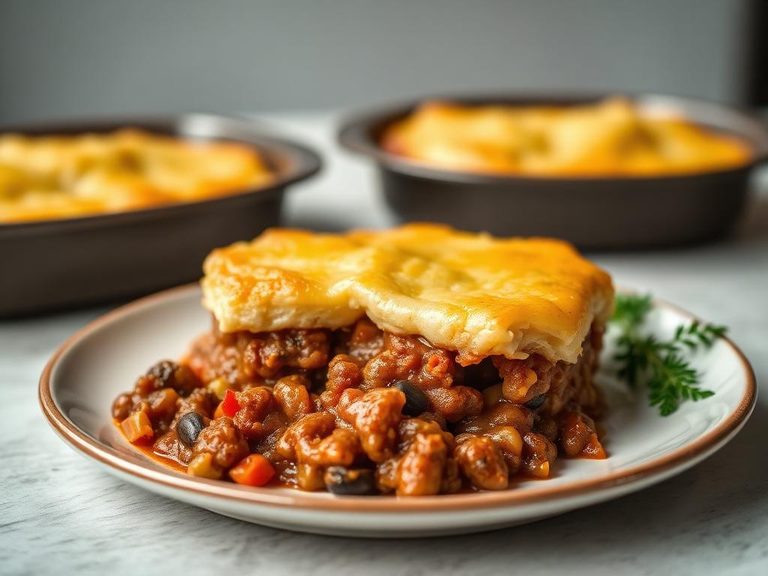


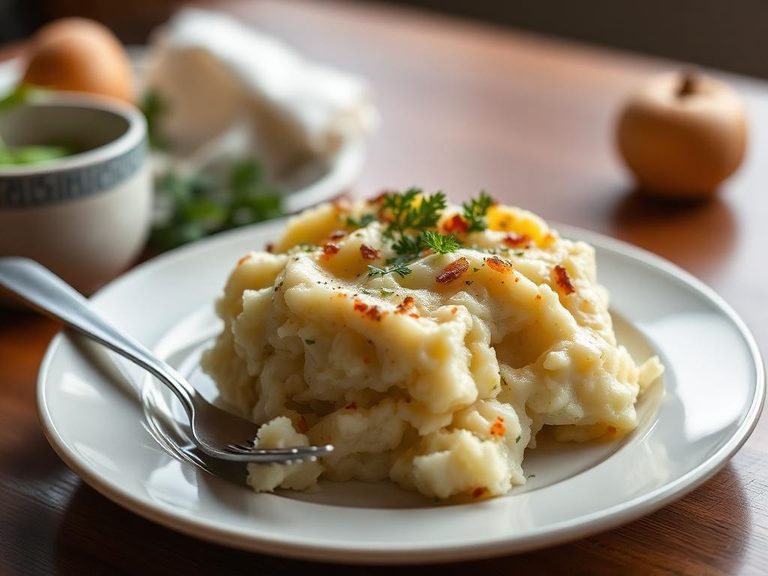
🌍 Where it's eaten
💡 Did you know?
Instant mashed potato flakes were developed in the 1950s by a Canadian inventor to help reduce potato waste and create a shelf-stable product for the military and space program.
Full nutrition (USDA data · scales with serving)
| Water | 79.6 g |
| Energy | 89.0 kcal |
| Energy | 370 kj |
| Protein | 1.6 g |
| Total lipid (fat) | 2.8 g |
| Ash | 1.3 g |
| Carbohydrate, by difference | 14.7 g |
| Fiber, total dietary | 1.3 g |
| Total Sugars | 0.50 g |
| Sucrose | 0.10 g |
| Glucose | 0.20 g |
| Fructose | 0.20 g |
| Lactose | 0.00 g |
| Maltose | 0.00 g |
| Galactose | 0.00 g |
| Starch | 12.1 g |
| Calcium, Ca | 18.0 mg |
| Iron, Fe | 0.31 mg |
| Magnesium, Mg | 15.0 mg |
| Phosphorus, P | 59.0 mg |
| Potassium, K | 286 mg |
| Sodium, Na | 306 mg |
| Zinc, Zn | 0.22 mg |
| Copper, Cu | 0.04 mg |
| Manganese, Mn | 0.10 mg |
| Selenium, Se | 0.80 ug |
| Vitamin C, total ascorbic acid | 0.00 mg |
| Thiamin | 0.01 mg |
| Riboflavin | 0.01 mg |
| Niacin | 1.1 mg |
| Vitamin B-6 | 0.12 mg |
| Folate, total | 9.0 ug |
| Folic acid | 0.00 ug |
| Folate, food | 9.0 ug |
| Folate, DFE | 9.0 ug |
| Choline, total | 13.4 mg |
| Vitamin B-12 | 0.07 ug |
| Vitamin B-12, added | 0.00 ug |
| Vitamin A, RAE | 43.0 ug |
| Retinol | 41.0 ug |
| Carotene, beta | 30.0 ug |
| Carotene, alpha | 0.00 ug |
| Cryptoxanthin, beta | 0.00 ug |
| Vitamin A, IU | 185 iu |
| Lycopene | 0.00 ug |
| Lutein + zeaxanthin | 7.0 ug |
| Vitamin E (alpha-tocopherol) | 0.42 mg |
| Vitamin E, added | 0.00 mg |
| Vitamin D (D2 + D3), International Units | 0.00 iu |
| Vitamin D (D2 + D3) | 0.00 ug |
| Vitamin K (phylloquinone) | 5.9 ug |
| Alcohol, ethyl | 0.00 g |
| Caffeine | 0.00 mg |
| Theobromine | 0.00 mg |
Fat & fatty acid profile (per 100g)
| Fatty acids, total saturated | 0.58 g |
| SFA 4:0 | 0.00 g |
| SFA 6:0 | 0.00 g |
| SFA 8:0 | 0.00 g |
| SFA 10:0 | 0.00 g |
| SFA 12:0 | 0.00 g |
| SFA 14:0 | 0.01 g |
| SFA 15:0 | 0.00 g |
| SFA 16:0 | 0.32 g |
| SFA 17:0 | 0.00 g |
| SFA 18:0 | 0.22 g |
| SFA 20:0 | 0.01 g |
| SFA 22:0 | 0.01 g |
| SFA 24:0 | 0.00 g |
| Fatty acids, total monounsaturated | 0.72 g |
| MUFA 14:1 | 0.00 g |
| MUFA 15:1 | 0.00 g |
| MUFA 16:1 | 0.00 g |
| MUFA 16:1 c | 0.00 g |
| MUFA 17:1 | 0.00 g |
| MUFA 18:1 | 0.70 g |
| MUFA 18:1 c | 0.61 g |
| MUFA 20:1 | 0.02 g |
| MUFA 22:1 | 0.00 g |
| MUFA 22:1 c | 0.00 g |
| MUFA 24:1 c | 0.00 g |
| Fatty acids, total polyunsaturated | 1.3 g |
| PUFA 18:2 | 1.2 g |
| PUFA 18:2 n-6 c,c | 1.1 g |
| PUFA 18:2 CLAs | 0.00 g |
| PUFA 18:3 | 0.17 g |
| PUFA 18:3 n-3 c,c,c (ALA) | 0.17 g |
| PUFA 18:3 n-6 c,c,c | 0.00 g |
| PUFA 18:4 | 0.00 g |
| PUFA 20:2 n-6 c,c | 0.00 g |
| PUFA 20:3 | 0.00 g |
| PUFA 20:3 n-3 | 0.00 g |
| PUFA 20:3 n-6 | 0.00 g |
| PUFA 20:4 | 0.00 g |
| PUFA 20:5 n-3 (EPA) | 0.00 g |
| PUFA 22:4 | 0.00 g |
| PUFA 22:5 n-3 (DPA) | 0.00 g |
| PUFA 22:6 n-3 (DHA) | 0.00 g |
| Fatty acids, total trans | 0.10 g |
| Fatty acids, total trans-monoenoic | 0.09 g |
| TFA 16:1 t | 0.00 g |
| TFA 18:1 t | 0.09 g |
| TFA 22:1 t | 0.00 g |
| TFA 18:2 t not further defined | 0.01 g |
| Fatty acids, total trans-polyenoic | 0.01 g |
| Cholesterol | 0.00 mg |
Amino acid profile (per 100g)
Estimated from Fast foods, english muffin, with egg, cheese, and sausage — USDA does not publish this profile for Fast foods.
| Tryptophan | 0.16 g |
| Threonine | 0.52 g |
| Isoleucine | 0.54 g |
| Leucine | 0.98 g |
| Lysine | 0.75 g |
| Methionine | 0.29 g |
| Cystine | 0.20 g |
| Phenylalanine | 0.59 g |
| Tyrosine | 0.41 g |
| Valine | 0.65 g |
| Arginine | 0.65 g |
| Histidine | 0.33 g |
| Alanine | 0.60 g |
| Aspartic acid | 1.1 g |
| Glutamic acid | 2.5 g |
| Glycine | 0.54 g |
| Proline | 0.90 g |
| Serine | 0.70 g |
FAQ
Are fast-food mashed potatoes made from real potatoes?
Yes, they are typically made from dehydrated potato flakes or granules, which are real potatoes that have been cooked, mashed, and dried for convenience and long shelf life.
Why are fast-food mashed potatoes so smooth and creamy?
They achieve this texture through the use of emulsifiers and stabilizers like mono- and diglycerides, along with added fats like butter or oil and dairy products like milk or cream during reconstitution.
Can I make a healthier version at home?
Absolutely. Use fresh potatoes, control the salt, and substitute some butter with olive oil or Greek yogurt. Adding roasted garlic or herbs can boost flavor without extra sodium.
Nutrient density (calculated · NRF9.3)
Nutrient Rich Foods index: beneficial nutrients (protein, fiber, vitamins, minerals) minus saturated fat, added sugar & sodium, per 100 kcal.
NRF9.3 index — Fulgoni, Keast & Drewnowski, 2009. Computed from USDA nutrients.
Weight-loss friendliness (composite index)
Energy density 0.89 kcal/g · 7% calories from protein · 1.3 g fiber · 0.5 g sugar per 100 g.
Composite of energy density (Rolls et al., 1999), protein & fiber satiety, minus sugar. A calculated heuristic — ranks satiety-per-calorie, not a clinical measure.
Dietary load (calculated from USDA values)
Potential renal acid load. Positive = acid-forming, negative = alkaline-forming.
Sodium-to-potassium ratio: 1.07 (lower is better — aim for ≤ 1)
Sodium:potassium per WHO potassium guidance. Computed from USDA nutrients.