

Turkey, retail parts, breast, meat only, with added solution, raw
Whole food · Poultry Products

Photo: Wikipedia
This is a lean, pre-brined cut of raw turkey breast, often sold with an added solution of water, salt, and phosphates to boost moisture and yield. The meat is pale pink with a fine, dense texture that cooks up tender if not overdone, offering a mild, clean flavor that readily absorbs marinades and seasonings. Nutritionally, it's a powerhouse of lean protein with minimal fat and zero carbohydrates, making it a staple for high-protein, low-calorie diets.
Calorie split: 79% protein · 0% carbs · 21% fat
↓ Full nutrition💚 Why it's loved
People love it for its incredible versatility and role as a blank culinary canvas—it takes on the character of any spice rub, marinade, or sauce. It's a cultural staple for everything from classic Thanksgiving roasts to quick weeknight stir-fries and healthy meal preps.
⚠️ Watch-outs & how to enjoy it better
The primary caution is the added solution, which significantly increases sodium content, a concern for those monitoring blood pressure. The lean meat can also become dry and rubbery if overcooked. To counteract, rinse the breast under cool water to reduce surface sodium, and use a meat thermometer to pull it at 165°F (74°C) for juicy results. Pairing with healthy fats like avocado or olive oil in the meal can also enhance nutrient absorption.
Key benefits
- Excellent source of high-quality, complete protein for muscle maintenance and satiриety.
- Very low in fat and calories, supporting weight management goals.
- Zero carbohydrates, making it ideal for keto and low-carb dietary patterns.
- Versatile base ingredient that pairs with countless global flavor profiles.
- The added solution helps ensure juiciness in lean cuts that can otherwise dry out.
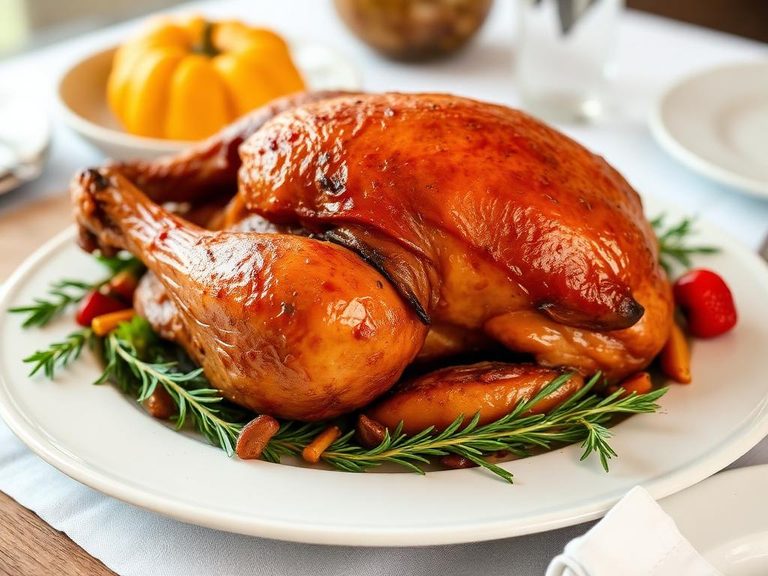
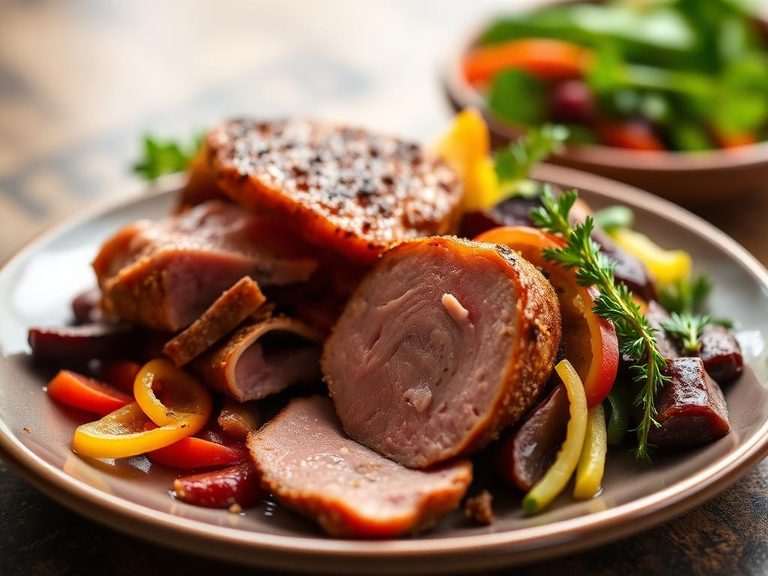
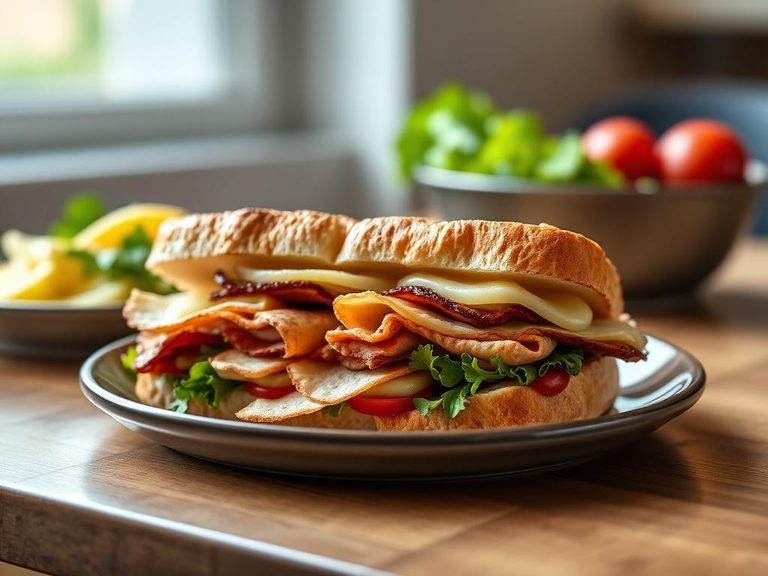
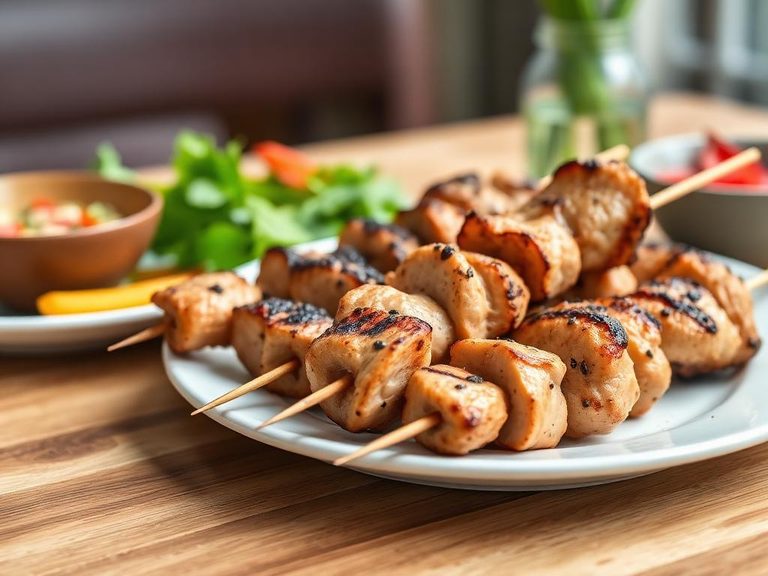
🍽️ Popular dishes

🌍 Where it's eaten
💡 Did you know?
The 'added solution' can account for up to 15% of the product's weight, meaning a package labeled as 1 pound (454g) may contain only about 13 ounces (368g) of actual turkey meat after cooking.
Full nutrition (USDA data · scales with serving)
| Water | 76.0 g |
| Energy | 111 kcal |
| Energy | 463 kj |
| Protein | 22.0 g |
| Total lipid (fat) | 2.5 g |
| Ash | 1.2 g |
| Carbohydrate, by difference | 0.00 g |
| Fiber, total dietary | 0.00 g |
| Total Sugars | 0.00 g |
| Calcium, Ca | 8.0 mg |
| Iron, Fe | 0.41 mg |
| Magnesium, Mg | 25.0 mg |
| Phosphorus, P | 181 mg |
| Potassium, K | 237 mg |
| Sodium, Na | 124 mg |
| Zinc, Zn | 1.1 mg |
| Copper, Cu | 0.04 mg |
| Manganese, Mn | 0.01 mg |
| Selenium, Se | 22.3 ug |
| Vitamin C, total ascorbic acid | 0.00 mg |
| Thiamin | 0.05 mg |
| Riboflavin | 0.15 mg |
| Niacin | 10.0 mg |
| Pantothenic acid | 0.95 mg |
| Vitamin B-6 | 0.84 mg |
| Folate, total | 7.0 ug |
| Folic acid | 0.00 ug |
| Folate, food | 7.0 ug |
| Folate, DFE | 7.0 ug |
| Choline, total | 64.7 mg |
| Betaine | 2.6 mg |
| Vitamin B-12 | 0.33 ug |
| Vitamin B-12, added | 0.00 ug |
| Vitamin A, RAE | 5.0 ug |
| Retinol | 5.0 ug |
| Carotene, beta | 0.00 ug |
| Carotene, alpha | 0.00 ug |
| Cryptoxanthin, beta | 0.00 ug |
| Vitamin A, IU | 17.0 iu |
| Lycopene | 0.00 ug |
| Lutein + zeaxanthin | 4.0 ug |
| Vitamin E (alpha-tocopherol) | 0.10 mg |
| Vitamin E, added | 0.00 mg |
| Vitamin D (D2 + D3), International Units | 8.0 iu |
| Vitamin D (D2 + D3) | 0.20 ug |
| Vitamin D3 (cholecalciferol) | 0.20 ug |
| Vitamin K (phylloquinone) | 0.00 ug |
| Alcohol, ethyl | 0.00 g |
| Caffeine | 0.00 mg |
| Theobromine | 0.00 mg |
Fat & fatty acid profile (per 100g)
| Fatty acids, total saturated | 0.60 g |
| SFA 4:0 | 0.00 g |
| SFA 6:0 | 0.00 g |
| SFA 8:0 | 0.00 g |
| SFA 10:0 | 0.00 g |
| SFA 12:0 | 0.00 g |
| SFA 14:0 | 0.01 g |
| SFA 15:0 | 0.00 g |
| SFA 16:0 | 0.34 g |
| SFA 17:0 | 0.01 g |
| SFA 18:0 | 0.23 g |
| SFA 20:0 | 0.00 g |
| SFA 22:0 | 0.01 g |
| SFA 24:0 | 0.00 g |
| Fatty acids, total monounsaturated | 3.7 g |
| MUFA 14:1 | 0.01 g |
| MUFA 15:1 | 0.00 g |
| MUFA 16:1 | 0.14 g |
| MUFA 16:1 c | 0.14 g |
| MUFA 17:1 | 0.01 g |
| MUFA 18:1 | 1.6 g |
| MUFA 18:1 c | 1.6 g |
| MUFA 20:1 | 0.02 g |
| MUFA 22:1 | 0.05 g |
| MUFA 22:1 c | 0.01 g |
| MUFA 24:1 c | 0.01 g |
| Fatty acids, total polyunsaturated | 2.9 g |
| PUFA 18:2 | 1.1 g |
| PUFA 18:2 n-6 c,c | 1.1 g |
| PUFA 18:2 CLAs | 0.00 g |
| PUFA 18:3 | 0.04 g |
| PUFA 18:3 n-3 c,c,c (ALA) | 0.04 g |
| PUFA 18:3 n-6 c,c,c | 0.00 g |
| PUFA 18:4 | 0.00 g |
| PUFA 20:2 n-6 c,c | 0.02 g |
| PUFA 20:3 | 0.01 g |
| PUFA 20:3 n-3 | 0.00 g |
| PUFA 20:3 n-6 | 0.01 g |
| PUFA 20:4 | 0.35 g |
| PUFA 20:5 n-3 (EPA) | 0.01 g |
| PUFA 22:4 | 0.07 g |
| PUFA 22:5 n-3 (DPA) | 0.03 g |
| PUFA 22:6 n-3 (DHA) | 0.03 g |
| Fatty acids, total trans | 0.13 g |
| Fatty acids, total trans-monoenoic | 0.12 g |
| TFA 16:1 t | 0.00 g |
| TFA 18:1 t | 0.07 g |
| TFA 22:1 t | 0.04 g |
| TFA 18:2 t not further defined | 0.01 g |
| Fatty acids, total trans-polyenoic | 0.01 g |
| Cholesterol | 60.0 mg |
Amino acid profile (per 100g)
| Tryptophan | 0.26 g |
| Threonine | 0.99 g |
| Isoleucine | 0.82 g |
| Leucine | 1.8 g |
| Lysine | 2.1 g |
| Methionine | 0.62 g |
| Cystine | 0.21 g |
| Phenylalanine | 0.79 g |
| Tyrosine | 0.76 g |
| Valine | 0.87 g |
| Arginine | 1.4 g |
| Histidine | 0.71 g |
| Alanine | 1.3 g |
| Aspartic acid | 2.0 g |
| Glutamic acid | 3.2 g |
| Glycine | 0.98 g |
| Proline | 1.0 g |
| Serine | 0.92 g |
| Hydroxyproline | 0.08 g |
FAQ
What does 'with added solution' mean?
It means the turkey has been injected or tumbled with a mixture typically containing water, salt, and food additives like phosphates. This process, called 'enhancing,' increases the weight and moisture of the final product.
How do I keep it from drying out?
Avoid overcooking at all costs. Use a meat thermometer and remove it from heat when the internal temperature reaches 165°F (74°C). Brining (even if it's pre-enhanced) or using a slow cooker can also help retain moisture.
Is the nutrition label for raw or cooked weight?
The data provided (111 kcal, 21.99g protein) is for the raw product with the added solution. Cooking will cause water loss, so the nutrient density (calories and protein per gram) of the cooked meat will be higher.
Nutrient density (calculated · NRF9.3)
Nutrient Rich Foods index: beneficial nutrients (protein, fiber, vitamins, minerals) minus saturated fat, added sugar & sodium, per 100 kcal.
NRF9.3 index — Fulgoni, Keast & Drewnowski, 2009. Computed from USDA nutrients.
Weight-loss friendliness (composite index)
Energy density 1.11 kcal/g · 79% calories from protein · 0.0 g fiber · 0.0 g sugar per 100 g.
Composite of energy density (Rolls et al., 1999), protein & fiber satiety, minus sugar. A calculated heuristic — ranks satiety-per-calorie, not a clinical measure.
Dietary load (calculated from USDA values)
Potential renal acid load. Positive = acid-forming, negative = alkaline-forming.
Sodium-to-potassium ratio: 0.52 (lower is better — aim for ≤ 1)
Sodium:potassium per WHO potassium guidance. Computed from USDA nutrients.