

Soup, SWANSON, vegetable broth
Whole food · Soups, Sauces, and Gravies

Photo: Wikipedia
Swanson Vegetable Broth is a clear, golden-hued liquid base made from a blend of simmered vegetables like carrots, celery, and onions. It has a light, savory, and subtly sweet flavor with a thin, watery texture, serving as a foundational ingredient rather than a standalone soup. Nutritionally, it is exceptionally low in calories and macronutrients, making it a virtually calorie-free way to add depth and moisture to dishes.
Calorie split: 16% protein · 72% carbs · 11% fat
↓ Full nutrition💚 Why it's loved
People love it as a flavor-packed, zero-guilt canvas for culinary creativity, instantly elevating everything from rice to sauces. Its mild, familiar taste evokes home cooking and comfort, making it a universal kitchen shortcut.
⚠️ Watch-outs & how to enjoy it better
The primary concern is often its sodium content, which can be high in some commercial varieties and contribute to excess daily intake. To counteract this, look for low-sodium versions, use it in moderation, and balance it by adding fresh herbs, spices, or a splash of vinegar at the end of cooking to boost flavor without extra salt.
Key benefits
- Extremely low-calorie base for cooking
- Adds savory depth without significant fat or sugar
- Provides hydration and flavor to dishes
- Versatile foundation for soups, stews, and grains
- Convenient shelf-stable pantry staple
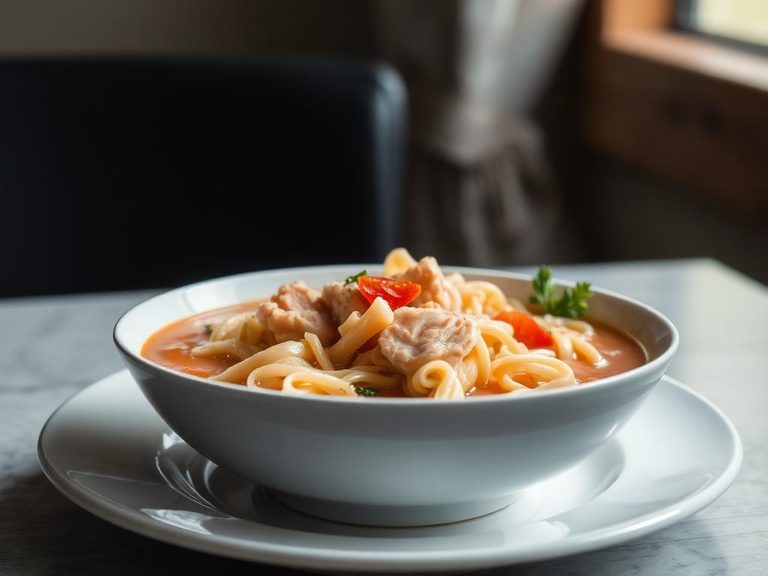
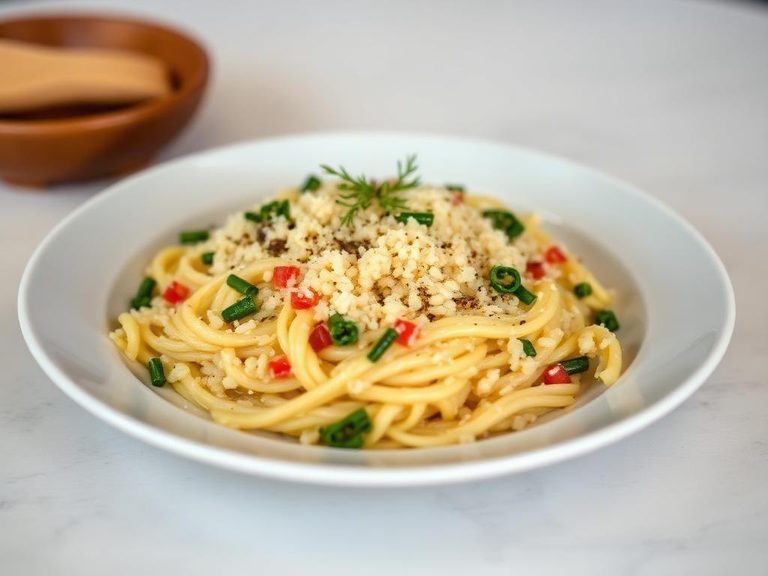
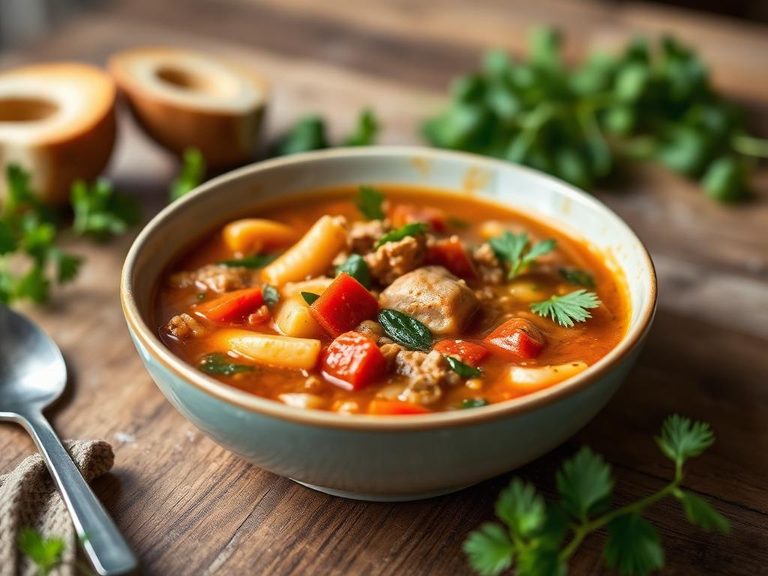
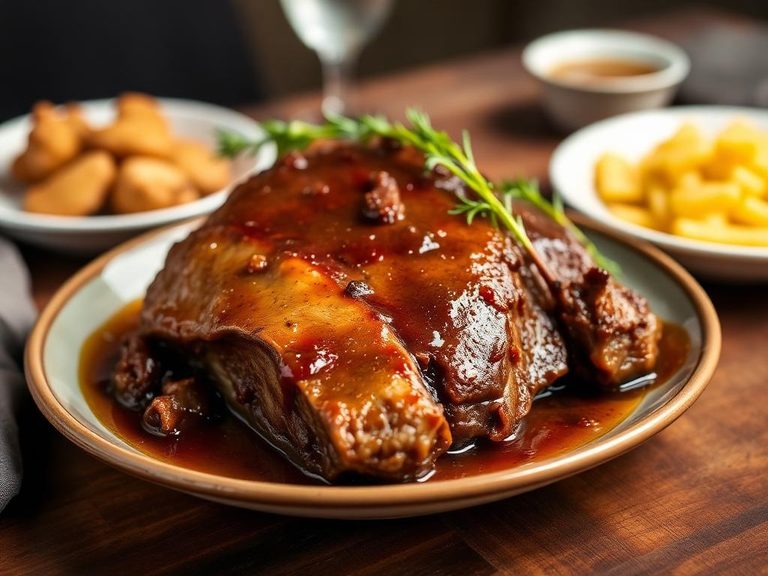
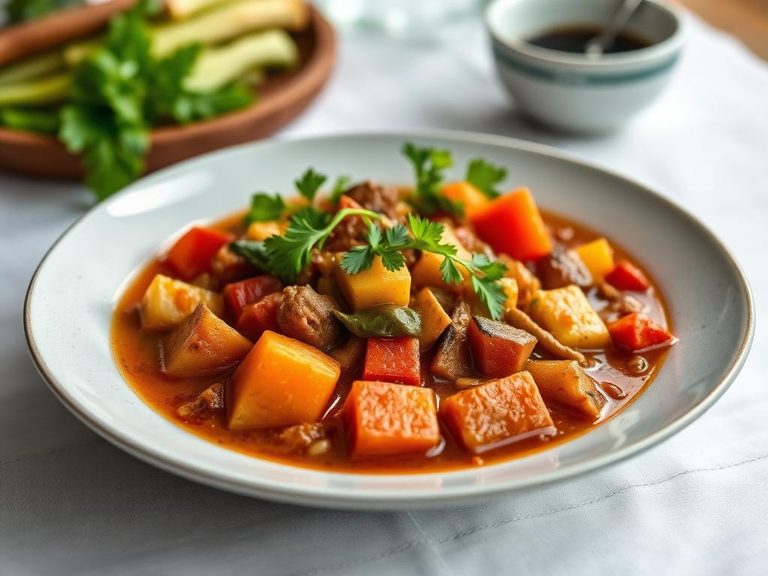
🍽️ Popular dishes
🌍 Where it's eaten
💡 Did you know?
Commercial vegetable broth like Swanson's is often a 'white label' product, meaning the same base recipe might be packaged and sold under dozens of different store and brand names.
Full nutrition (USDA data · scales with serving)
| Water | 97.9 g |
| Energy | 6.0 kcal |
| Energy | 24.0 kj |
| Protein | 0.23 g |
| Total lipid (fat) | 0.07 g |
| Ash | 0.75 g |
| Carbohydrate, by difference | 1.0 g |
| Fiber, total dietary | 0.00 g |
| Total Sugars | 0.57 g |
| Sucrose | 0.33 g |
| Glucose | 0.23 g |
| Fructose | 0.00 g |
| Lactose | 0.00 g |
| Maltose | 0.00 g |
| Galactose | 0.00 g |
| Starch | 0.00 g |
| Calcium, Ca | 3.0 mg |
| Iron, Fe | 0.08 mg |
| Magnesium, Mg | 1.0 mg |
| Phosphorus, P | 3.0 mg |
| Potassium, K | 20.0 mg |
| Sodium, Na | 303 mg |
| Zinc, Zn | 0.03 mg |
| Copper, Cu | 0.01 mg |
| Manganese, Mn | 0.01 mg |
| Vitamin C, total ascorbic acid | 0.40 mg |
| Thiamin | 0.02 mg |
| Riboflavin | 0.01 mg |
| Niacin | 0.11 mg |
| Pantothenic acid | 0.06 mg |
| Vitamin B-6 | 0.01 mg |
| Folate, total | 0.00 ug |
| Folate, food | 0.00 ug |
| Vitamin A, RAE | 14.0 ug |
| Carotene, beta | 136 ug |
| Carotene, alpha | 75.0 ug |
| Cryptoxanthin, beta | 0.00 ug |
| Vitamin A, IU | 289 iu |
| Lycopene | 0.00 ug |
| Lutein + zeaxanthin | 1.0 ug |
| Vitamin E (alpha-tocopherol) | 0.00 mg |
| Tocopherol, beta | 0.00 mg |
| Tocopherol, gamma | 0.00 mg |
| Tocopherol, delta | 0.00 mg |
| Tocotrienol, alpha | 0.00 mg |
| Tocotrienol, beta | 0.00 mg |
| Tocotrienol, gamma | 0.00 mg |
| Tocotrienol, delta | 0.00 mg |
Fat & fatty acid profile (per 100g)
| Fatty acids, total saturated | 0.03 g |
| SFA 4:0 | 0.00 g |
| SFA 6:0 | 0.00 g |
| SFA 8:0 | 0.00 g |
| SFA 10:0 | 0.00 g |
| SFA 12:0 | 0.00 g |
| SFA 14:0 | 0.00 g |
| SFA 15:0 | 0.00 g |
| SFA 16:0 | 0.01 g |
| SFA 17:0 | 0.00 g |
| SFA 18:0 | 0.01 g |
| SFA 20:0 | 0.00 g |
| SFA 22:0 | 0.00 g |
| SFA 24:0 | 0.00 g |
| Fatty acids, total monounsaturated | 0.01 g |
| MUFA 14:1 | 0.00 g |
| MUFA 15:1 | 0.00 g |
| MUFA 16:1 | 0.00 g |
| MUFA 16:1 c | 0.00 g |
| MUFA 17:1 | 0.00 g |
| MUFA 18:1 | 0.01 g |
| MUFA 18:1 c | 0.01 g |
| MUFA 20:1 | 0.00 g |
| MUFA 22:1 | 0.00 g |
| MUFA 22:1 c | 0.00 g |
| MUFA 24:1 c | 0.00 g |
| Fatty acids, total polyunsaturated | 0.00 g |
| PUFA 18:2 | 0.00 g |
| PUFA 18:2 n-6 c,c | 0.00 g |
| PUFA 18:2 CLAs | 0.00 g |
| PUFA 18:3 | 0.00 g |
| PUFA 18:3 n-3 c,c,c (ALA) | 0.00 g |
| PUFA 18:3 n-6 c,c,c | 0.00 g |
| PUFA 18:3i | 0.00 g |
| PUFA 18:4 | 0.00 g |
| PUFA 20:2 n-6 c,c | 0.00 g |
| PUFA 20:3 | 0.00 g |
| PUFA 20:3 n-3 | 0.00 g |
| PUFA 20:3 n-6 | 0.00 g |
| PUFA 20:4 | 0.00 g |
| PUFA 20:5 n-3 (EPA) | 0.00 g |
| PUFA 22:4 | 0.00 g |
| PUFA 22:5 n-3 (DPA) | 0.00 g |
| PUFA 22:6 n-3 (DHA) | 0.00 g |
| Fatty acids, total trans | 0.00 g |
| Fatty acids, total trans-monoenoic | 0.00 g |
| TFA 16:1 t | 0.00 g |
| TFA 18:1 t | 0.00 g |
| TFA 22:1 t | 0.00 g |
| TFA 18:2 t not further defined | 0.00 g |
| Fatty acids, total trans-polyenoic | 0.00 g |
| Cholesterol | 0.00 mg |
Amino acid profile (per 100g)
Estimated from Soup, bean with pork, canned, condensed — USDA does not publish this profile for Soup.
| Tryptophan | 0.06 g |
| Threonine | 0.24 g |
| Isoleucine | 0.29 g |
| Leucine | 0.48 g |
| Lysine | 0.40 g |
| Methionine | 0.07 g |
| Cystine | 0.07 g |
| Phenylalanine | 0.33 g |
| Tyrosine | 0.18 g |
| Valine | 0.32 g |
| Arginine | 0.31 g |
| Histidine | 0.15 g |
| Alanine | 0.29 g |
| Aspartic acid | 0.66 g |
| Glutamic acid | 1.1 g |
| Glycine | 0.28 g |
| Proline | 0.27 g |
| Serine | 0.29 g |
FAQ
What's the difference between vegetable broth and vegetable stock?
Traditionally, stock is made from simmering bones and vegetables for a richer, more gelatinous texture, while broth is made from vegetables alone for a lighter, more flavorful liquid. In modern commercial use, the terms are often used interchangeably.
Can I drink vegetable broth straight from the carton?
Yes, it's safe to consume as is. However, it's designed as a cooking ingredient, so drinking it straight may taste overly salty or bland. It's better used as a base for a finished soup or to cook grains.
How can I make my store-bought broth taste more homemade?
Simmer it with extra fresh aromatics like garlic, ginger, or herb stems (parsley, cilantro), a bay leaf, or a few whole peppercorns for 10-15 minutes. A splash of lemon juice or a dash of soy sauce can also brighten the flavor.
Nutrient density (calculated · NRF9.3)
Nutrient Rich Foods index: beneficial nutrients (protein, fiber, vitamins, minerals) minus saturated fat, added sugar & sodium, per 100 kcal.
NRF9.3 index — Fulgoni, Keast & Drewnowski, 2009. Computed from USDA nutrients.
Weight-loss friendliness (composite index)
Energy density 0.06 kcal/g · 15% calories from protein · 0.0 g fiber · 0.6 g sugar per 100 g.
Composite of energy density (Rolls et al., 1999), protein & fiber satiety, minus sugar. A calculated heuristic — ranks satiety-per-calorie, not a clinical measure.
Dietary load (calculated from USDA values)
Potential renal acid load. Positive = acid-forming, negative = alkaline-forming.
Sodium-to-potassium ratio: 15.15 (lower is better — aim for ≤ 1)
Sodium:potassium per WHO potassium guidance. Computed from USDA nutrients.