

Pasta, dry, enriched
Whole food · Cereal Grains and Pasta
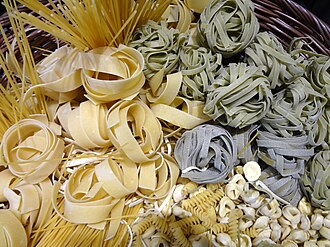
Photo: Wikipedia
Dry, enriched pasta is a staple made from durum wheat semolina, known for its firm, al dente texture and neutral, slightly nutty flavor that absorbs sauces beautifully. Nutritionally, it is a carbohydrate powerhouse, providing sustained energy with a notable 13g of protein per 100g, though it is low in fat. Its enrichment adds essential B vitamins and iron, making it a foundational pantry item for quick, satisfying meals.
Calorie split: 14% protein · 82% carbs · 4% fat
↓ Full nutrition💚 Why it's loved
People love it for its incredible versatility—it's a blank canvas that pairs with virtually any sauce, from simple garlic and oil to rich ragùs. Its comforting, familiar texture and ability to be the backbone of countless global dishes make it a universal comfort food.
⚠️ Watch-outs & how to enjoy it better
As a refined carbohydrate, it can cause blood sugar spikes, especially for those with insulin sensitivity. It is also a common gluten allergen, and its enrichment may not appeal to those seeking whole-grain options. To counteract blood sugar impact, pair it with protein (like chicken or beans) and healthy fats (like olive oil or avocado), and opt for smaller portions or whole-wheat varieties.
Key benefits
- Excellent source of complex carbohydrates for sustained energy.
- High in protein (13g per 100g) for a plant-based staple.
- Enriched with B vitamins (like thiamin, niacin) and iron to combat deficiencies.
- Low in fat (1.51g per 100g), making it a lean energy source.
- Long shelf life and quick cooking time for convenient meal prep.
🍽️ Popular dishes
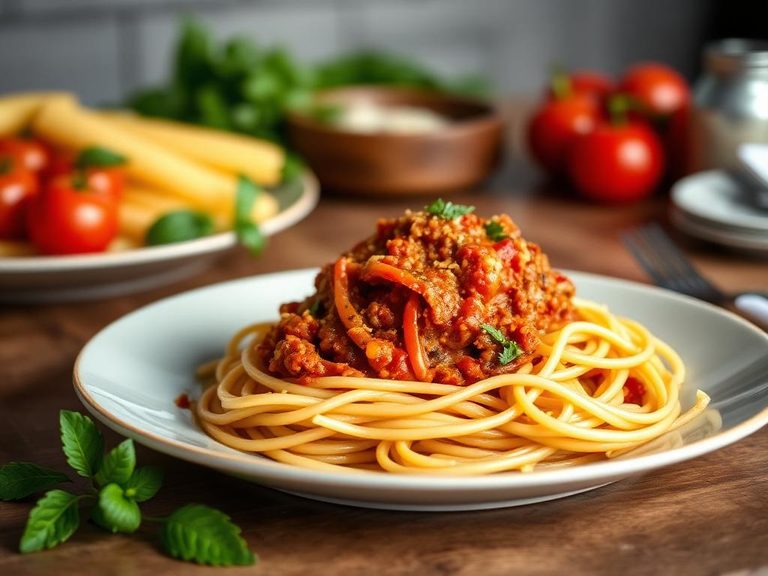
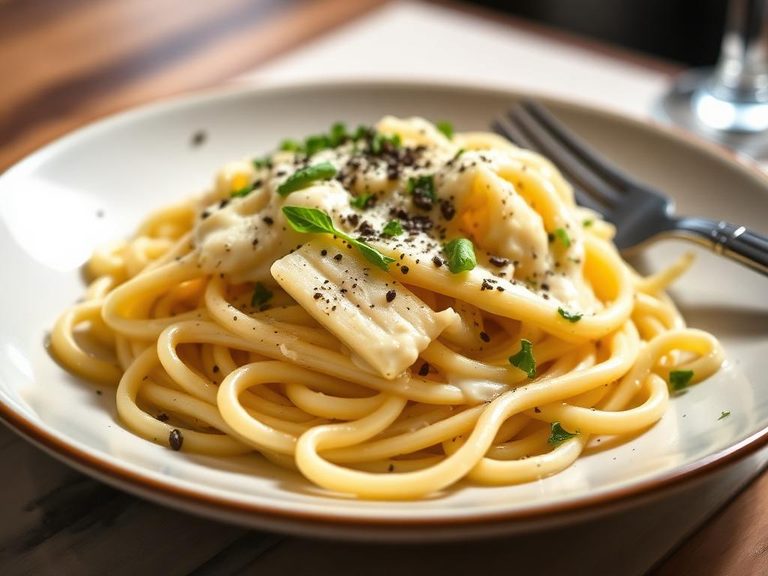
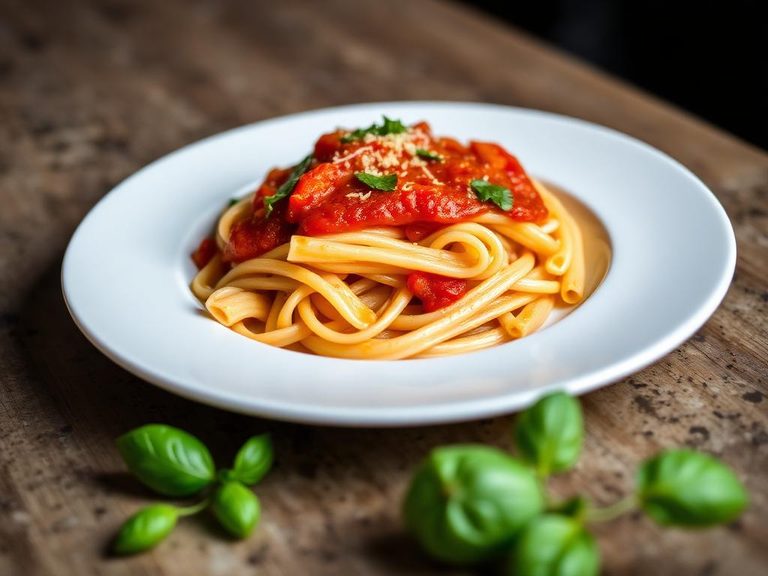
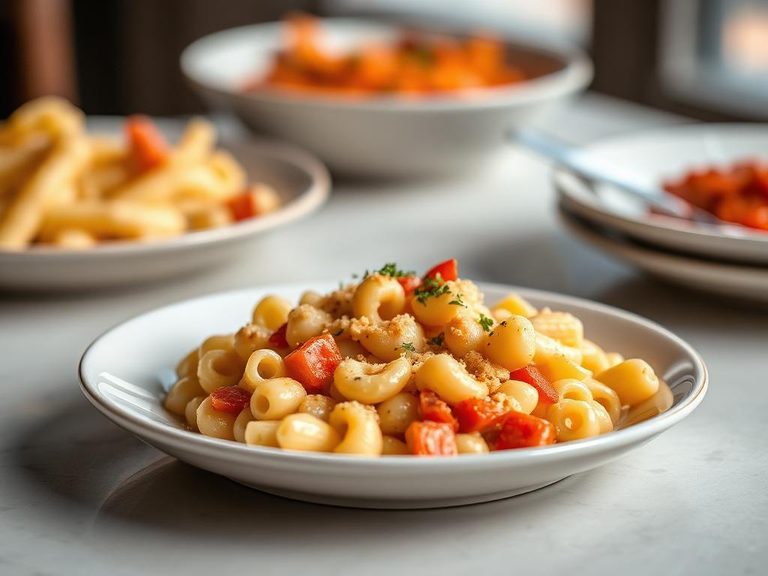
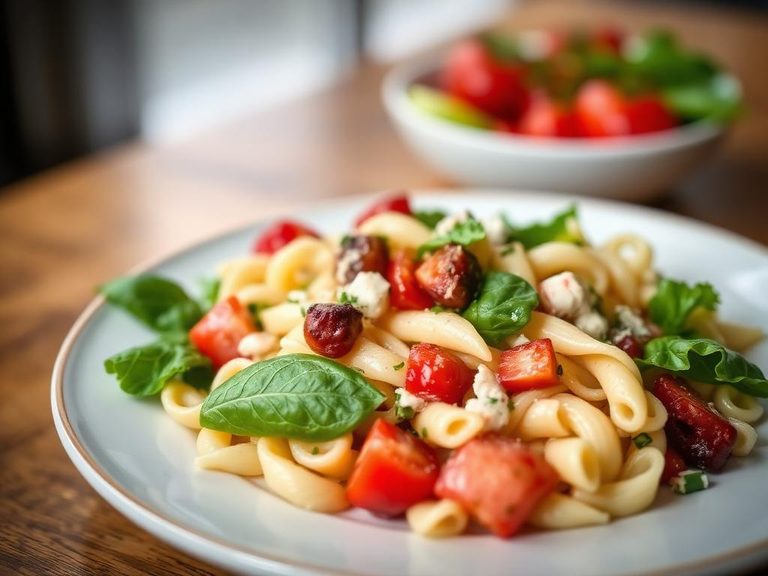
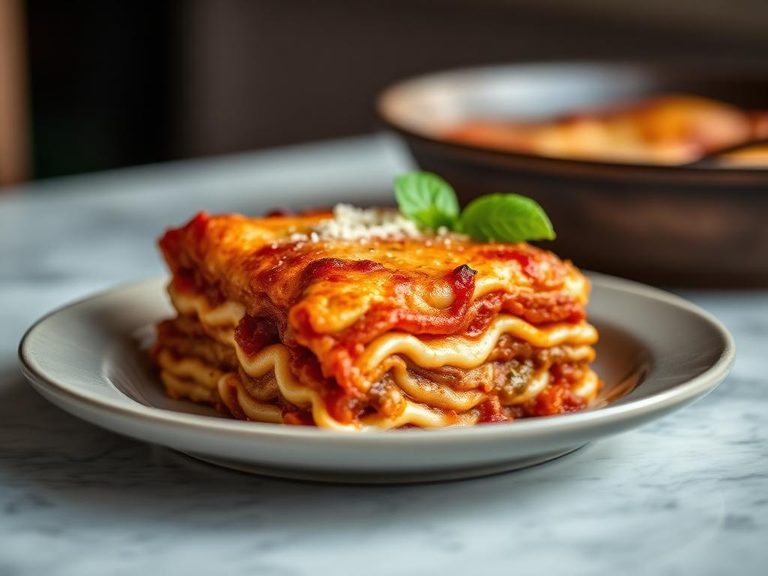
🌍 Where it's eaten
💡 Did you know?
The word 'pasta' comes from the Italian word for 'paste' or 'dough,' and the first known pasta-making machine was invented in the 17th century in Naples, Italy, revolutionizing its production and global spread.
Full nutrition (USDA data · scales with serving)
| Water | 9.9 g |
| Energy | 371 kcal |
| Energy | 1553 kj |
| Protein | 13.0 g |
| Total lipid (fat) | 1.5 g |
| Ash | 0.88 g |
| Carbohydrate, by difference | 74.7 g |
| Fiber, total dietary | 3.2 g |
| Total Sugars | 2.7 g |
| Sucrose | 0.48 g |
| Glucose | 0.12 g |
| Fructose | 0.11 g |
| Lactose | 0.00 g |
| Maltose | 2.0 g |
| Galactose | 0.00 g |
| Starch | 62.5 g |
| Calcium, Ca | 21.0 mg |
| Iron, Fe | 3.3 mg |
| Magnesium, Mg | 53.0 mg |
| Phosphorus, P | 189 mg |
| Potassium, K | 223 mg |
| Sodium, Na | 6.0 mg |
| Zinc, Zn | 1.4 mg |
| Copper, Cu | 0.29 mg |
| Manganese, Mn | 0.92 mg |
| Selenium, Se | 63.2 ug |
| Fluoride, F | 18.0 ug |
| Vitamin C, total ascorbic acid | 0.00 mg |
| Thiamin | 0.89 mg |
| Riboflavin | 0.40 mg |
| Niacin | 7.2 mg |
| Pantothenic acid | 0.43 mg |
| Vitamin B-6 | 0.14 mg |
| Folate, total | 237 ug |
| Folic acid | 219 ug |
| Folate, food | 18.0 ug |
| Folate, DFE | 391 ug |
| Choline, total | 15.1 mg |
| Betaine | 142 mg |
| Vitamin B-12 | 0.00 ug |
| Vitamin B-12, added | 0.00 ug |
| Vitamin A, RAE | 0.00 ug |
| Retinol | 0.00 ug |
| Carotene, beta | 0.00 ug |
| Carotene, alpha | 0.00 ug |
| Cryptoxanthin, beta | 0.00 ug |
| Vitamin A, IU | 0.00 iu |
| Lycopene | 0.00 ug |
| Lutein + zeaxanthin | 18.0 ug |
| Vitamin E (alpha-tocopherol) | 0.11 mg |
| Vitamin E, added | 0.00 mg |
| Tocopherol, beta | 0.06 mg |
| Tocopherol, gamma | 0.88 mg |
| Tocopherol, delta | 0.00 mg |
| Tocotrienol, alpha | 0.13 mg |
| Tocotrienol, beta | 0.01 mg |
| Tocotrienol, gamma | 0.00 mg |
| Tocotrienol, delta | 0.00 mg |
| Vitamin D (D2 + D3), International Units | 0.00 iu |
| Vitamin D (D2 + D3) | 0.00 ug |
| Vitamin K (phylloquinone) | 0.10 ug |
| Vitamin K (Dihydrophylloquinone) | 0.00 ug |
| Alcohol, ethyl | 0.00 g |
| Caffeine | 0.00 mg |
| Theobromine | 0.00 mg |
Fat & fatty acid profile (per 100g)
| Fatty acids, total saturated | 0.28 g |
| SFA 4:0 | 0.00 g |
| SFA 6:0 | 0.00 g |
| SFA 8:0 | 0.00 g |
| SFA 10:0 | 0.00 g |
| SFA 12:0 | 0.00 g |
| SFA 13:0 | 0.00 g |
| SFA 14:0 | 0.00 g |
| SFA 15:0 | 0.00 g |
| SFA 16:0 | 0.25 g |
| SFA 17:0 | 0.00 g |
| SFA 18:0 | 0.03 g |
| SFA 20:0 | 0.00 g |
| SFA 22:0 | 0.00 g |
| SFA 24:0 | 0.00 g |
| Fatty acids, total monounsaturated | 0.17 g |
| MUFA 14:1 | 0.00 g |
| MUFA 15:1 | 0.00 g |
| MUFA 16:1 | 0.00 g |
| MUFA 17:1 | 0.00 g |
| MUFA 18:1 | 0.17 g |
| MUFA 18:1 c | 0.17 g |
| MUFA 20:1 | 0.00 g |
| MUFA 22:1 | 0.00 g |
| MUFA 24:1 c | 0.00 g |
| Fatty acids, total polyunsaturated | 0.56 g |
| PUFA 18:2 | 0.54 g |
| PUFA 18:3 | 0.02 g |
| PUFA 18:3 n-3 c,c,c (ALA) | 0.02 g |
| PUFA 18:3 n-6 c,c,c | 0.00 g |
| PUFA 18:4 | 0.00 g |
| PUFA 20:2 n-6 c,c | 0.00 g |
| PUFA 20:3 | 0.00 g |
| PUFA 20:4 | 0.00 g |
| PUFA 20:5 n-3 (EPA) | 0.00 g |
| PUFA 22:5 n-3 (DPA) | 0.00 g |
| PUFA 22:6 n-3 (DHA) | 0.00 g |
| Fatty acids, total trans | 0.00 g |
| Fatty acids, total trans-monoenoic | 0.00 g |
| TFA 18:1 t | 0.00 g |
| Cholesterol | 0.00 mg |
Amino acid profile (per 100g)
| Tryptophan | 0.18 g |
| Threonine | 0.46 g |
| Isoleucine | 0.51 g |
| Leucine | 0.99 g |
| Lysine | 0.30 g |
| Methionine | 0.15 g |
| Cystine | 0.26 g |
| Phenylalanine | 0.67 g |
| Tyrosine | 0.24 g |
| Valine | 0.59 g |
| Arginine | 0.47 g |
| Histidine | 0.30 g |
| Alanine | 0.44 g |
| Aspartic acid | 0.62 g |
| Glutamic acid | 4.6 g |
| Glycine | 0.44 g |
| Proline | 1.6 g |
| Serine | 0.62 g |
| Hydroxyproline | 0.00 g |
FAQ
Is dry pasta a good source of protein?
Yes, dry pasta is surprisingly high in protein, with about 13 grams per 100g, making it a solid plant-based protein source, especially when combined with other protein-rich ingredients.
What does 'enriched' mean in pasta?
Enriched pasta means that certain nutrients lost during processing, like B vitamins (thiamin, riboflavin, niacin, folic acid) and iron, have been added back to the flour, enhancing its nutritional profile.
How can I make pasta healthier?
To make pasta meals healthier, use whole-wheat or legume-based pasta for more fiber, pair it with vegetables and lean proteins, control portion sizes, and choose sauces based on tomatoes or olive oil instead of heavy cream.
Nutrient density (calculated · NRF9.3)
Nutrient Rich Foods index: beneficial nutrients (protein, fiber, vitamins, minerals) minus saturated fat, added sugar & sodium, per 100 kcal.
NRF9.3 index — Fulgoni, Keast & Drewnowski, 2009. Computed from USDA nutrients.
Weight-loss friendliness (composite index)
Energy density 3.71 kcal/g · 14% calories from protein · 3.2 g fiber · 2.7 g sugar per 100 g.
Composite of energy density (Rolls et al., 1999), protein & fiber satiety, minus sugar. A calculated heuristic — ranks satiety-per-calorie, not a clinical measure.
Dietary load (calculated from USDA values)
Potential renal acid load. Positive = acid-forming, negative = alkaline-forming.
Sodium-to-potassium ratio: 0.03 (lower is better — aim for ≤ 1)
Sodium:potassium per WHO potassium guidance. Computed from USDA nutrients.