

Fish, catfish, channel, farmed, cooked, dry heat
Whole food · Finfish and Shellfish Products
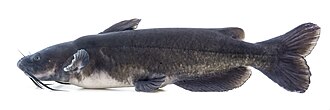
Photo: Wikipedia
Channel catfish is a mild, freshwater fish with a firm, moist texture and a subtly sweet flavor that takes on seasonings beautifully. When cooked with dry heat, like grilling or baking, it develops a light, flaky consistency without a strong 'fishy' taste. It's a lean protein powerhouse, delivering over 18 grams of high-quality protein per 100-gram serving with virtually no carbohydrates.
Calorie split: 53% protein · 0% carbs · 47% fat
↓ Full nutrition💚 Why it's loved
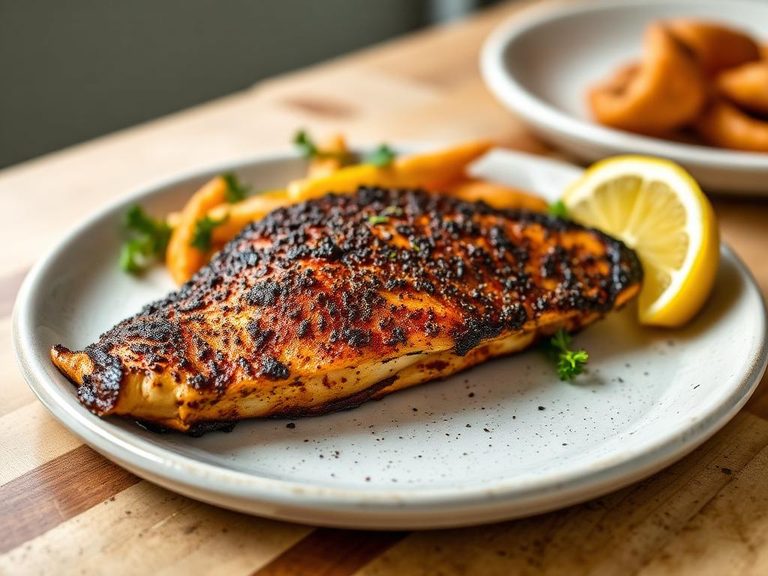
People love its mild, non-fishy flavor and versatile, meaty texture that serves as a perfect canvas for bold seasonings, from Cajun blackening to simple lemon butter. It's a staple in comfort food and regional cuisines, celebrated for being hearty, affordable, and family-friendly.
⚠️ Watch-outs & how to enjoy it better
As a freshwater fish, it can sometimes carry a muddy or earthy taste if not sourced from clean waters, which some find off-putting. Farmed catfish can be higher in omega-6 fatty acids compared to wild-caught varieties; to balance this, pair it with omega-3-rich foods like leafy greens or a side of flaxseed. Always ensure it's cooked to an internal temperature of 145°F (63°C) to eliminate any risk from parasites.
Key benefits
- Excellent source of complete, high-quality protein for muscle maintenance.
- Very low in carbohydrates and contains no sugar, making it suitable for low-carb diets.
- Provides essential nutrients like selenium, phosphorus, and vitamin B12.
- A lean protein option with a moderate fat content, primarily from healthy unsaturated fats.
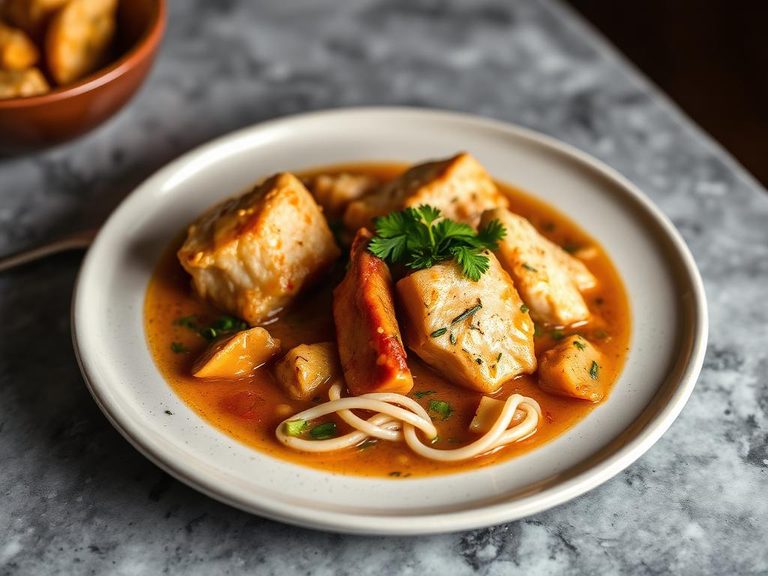
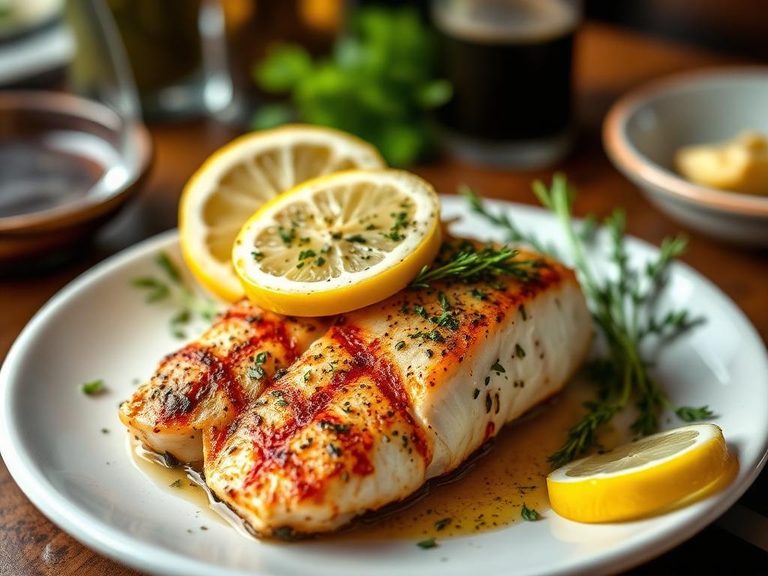
🍽️ Popular dishes


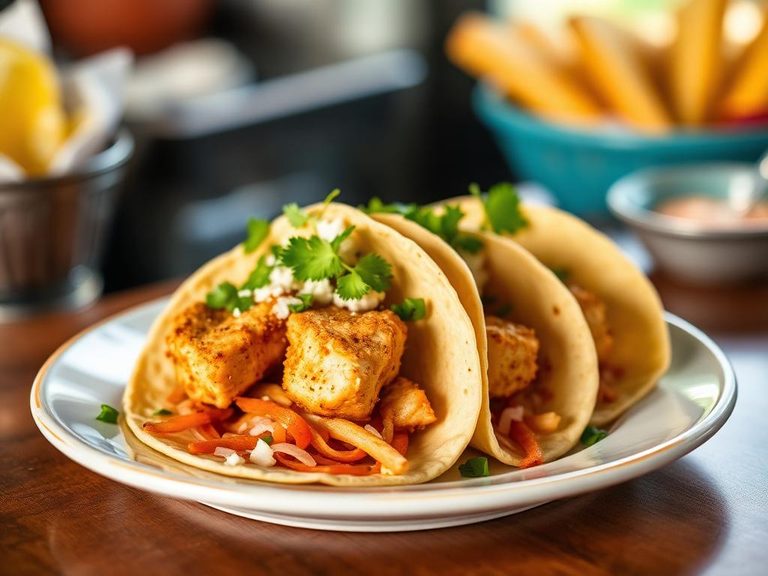
🌍 Where it's eaten
💡 Did you know?
Channel catfish are omnivorous scavengers with an incredible sense of taste, with taste receptors not just in their mouths but over their entire body, allowing them to 'taste' the water as they swim.
Full nutrition (USDA data · scales with serving)
| Water | 74.7 g |
| Energy | 144 kcal |
| Energy | 601 kj |
| Protein | 18.4 g |
| Total lipid (fat) | 7.2 g |
| Ash | 1.3 g |
| Carbohydrate, by difference | 0.00 g |
| Fiber, total dietary | 0.00 g |
| Total Sugars | 0.00 g |
| Glucose | 0.00 g |
| Fructose | 0.00 g |
| Lactose | 0.00 g |
| Maltose | 0.00 g |
| Galactose | 0.00 g |
| Starch | 0.00 g |
| Calcium, Ca | 9.0 mg |
| Iron, Fe | 0.28 mg |
| Magnesium, Mg | 23.0 mg |
| Phosphorus, P | 247 mg |
| Potassium, K | 366 mg |
| Sodium, Na | 119 mg |
| Zinc, Zn | 0.58 mg |
| Copper, Cu | 0.04 mg |
| Manganese, Mn | 0.02 mg |
| Selenium, Se | 9.9 ug |
| Vitamin C, total ascorbic acid | 0.00 mg |
| Thiamin | 0.02 mg |
| Riboflavin | 0.10 mg |
| Niacin | 2.5 mg |
| Pantothenic acid | 0.81 mg |
| Vitamin B-6 | 0.18 mg |
| Folate, total | 12.0 ug |
| Folic acid | 0.00 ug |
| Folate, food | 12.0 ug |
| Folate, DFE | 12.0 ug |
| Choline, total | 78.7 mg |
| Vitamin B-12 | 2.8 ug |
| Vitamin B-12, added | 0.00 ug |
| Vitamin A, RAE | 1.0 ug |
| Retinol | 1.0 ug |
| Carotene, beta | 0.00 ug |
| Carotene, alpha | 0.00 ug |
| Cryptoxanthin, beta | 0.00 ug |
| Vitamin A, IU | 2.0 iu |
| Lycopene | 0.00 ug |
| Lutein + zeaxanthin | 0.00 ug |
| Vitamin E (alpha-tocopherol) | 0.97 mg |
| Vitamin E, added | 0.00 mg |
| Tocopherol, beta | 0.02 mg |
| Tocopherol, gamma | 0.27 mg |
| Tocopherol, delta | 0.00 mg |
| Tocotrienol, alpha | 0.05 mg |
| Tocotrienol, beta | 0.00 mg |
| Tocotrienol, gamma | 0.02 mg |
| Tocotrienol, delta | 0.00 mg |
| Vitamin D (D2 + D3), International Units | 10.0 iu |
| Vitamin D (D2 + D3) | 0.30 ug |
| Vitamin D3 (cholecalciferol) | 0.30 ug |
| Vitamin K (phylloquinone) | 2.5 ug |
| Vitamin K (Dihydrophylloquinone) | 0.00 ug |
| Vitamin K (Menaquinone-4) | 0.70 ug |
| Alcohol, ethyl | 0.00 g |
| Caffeine | 0.00 mg |
| Theobromine | 0.00 mg |
Fat & fatty acid profile (per 100g)
| Fatty acids, total saturated | 1.6 g |
| SFA 4:0 | 0.00 g |
| SFA 6:0 | 0.00 g |
| SFA 8:0 | 0.00 g |
| SFA 10:0 | 0.00 g |
| SFA 12:0 | 0.00 g |
| SFA 14:0 | 0.07 g |
| SFA 15:0 | 0.01 g |
| SFA 16:0 | 1.1 g |
| SFA 17:0 | 0.01 g |
| SFA 18:0 | 0.34 g |
| SFA 20:0 | 0.01 g |
| SFA 22:0 | 0.00 g |
| SFA 24:0 | 0.00 g |
| Fatty acids, total monounsaturated | 3.1 g |
| MUFA 14:1 | 0.00 g |
| MUFA 15:1 | 0.00 g |
| MUFA 16:1 | 0.17 g |
| MUFA 17:1 | 0.03 g |
| MUFA 18:1 | 2.8 g |
| MUFA 20:1 | 0.09 g |
| MUFA 22:1 | 0.00 g |
| MUFA 24:1 c | 0.00 g |
| Fatty acids, total polyunsaturated | 1.4 g |
| PUFA 18:2 | 0.97 g |
| PUFA 18:3 | 0.09 g |
| PUFA 18:4 | 0.00 g |
| PUFA 20:2 n-6 c,c | 0.05 g |
| PUFA 20:3 | 0.07 g |
| PUFA 20:4 | 0.05 g |
| PUFA 20:5 n-3 (EPA) | 0.02 g |
| PUFA 22:4 | 0.01 g |
| PUFA 22:5 n-3 (DPA) | 0.02 g |
| PUFA 22:6 n-3 (DHA) | 0.07 g |
| Fatty acids, total trans | 0.06 g |
| Cholesterol | 66.0 mg |
Amino acid profile (per 100g)
| Tryptophan | 0.22 g |
| Threonine | 0.83 g |
| Isoleucine | 0.82 g |
| Leucine | 1.4 g |
| Lysine | 1.7 g |
| Methionine | 0.54 g |
| Cystine | 0.20 g |
| Phenylalanine | 0.73 g |
| Tyrosine | 0.61 g |
| Valine | 0.89 g |
| Arginine | 1.2 g |
| Histidine | 0.40 g |
| Alanine | 1.0 g |
| Aspartic acid | 1.8 g |
| Glutamic acid | 2.6 g |
| Glycine | 0.93 g |
| Proline | 0.69 g |
| Serine | 0.70 g |
FAQ
What does channel catfish taste like?
It has a mild, slightly sweet flavor with a firm, meaty texture. It lacks the strong, oily taste of fish like mackerel, making it a good choice for people who are sensitive to 'fishy' flavors.
Is farmed catfish safe to eat?
Yes, U.S. farm-raised channel catfish is considered safe and is regulated by the FDA and EPA. It is known for consistent quality and is often raised in controlled pond environments.
How do I remove any potential muddy taste?
Soaking the fillets in milk or salted water for 30-60 minutes before cooking can help draw out any muddy flavors. Using strong marinades or bold cooking methods like blackening also effectively masks it.
Nutrient density (calculated · NRF9.3)
Nutrient Rich Foods index: beneficial nutrients (protein, fiber, vitamins, minerals) minus saturated fat, added sugar & sodium, per 100 kcal.
NRF9.3 index — Fulgoni, Keast & Drewnowski, 2009. Computed from USDA nutrients.
Weight-loss friendliness (composite index)
Energy density 1.44 kcal/g · 51% calories from protein · 0.0 g fiber · 0.0 g sugar per 100 g.
Composite of energy density (Rolls et al., 1999), protein & fiber satiety, minus sugar. A calculated heuristic — ranks satiety-per-calorie, not a clinical measure.
Dietary load (calculated from USDA values)
Potential renal acid load. Positive = acid-forming, negative = alkaline-forming.
Sodium-to-potassium ratio: 0.33 (lower is better — aim for ≤ 1)
Sodium:potassium per WHO potassium guidance. Computed from USDA nutrients.