

Egg, whole, raw, frozen, pasteurized (Includes foods for USDA's Food Distribution Program)
Whole food · Dairy and Egg Products

Photo: Wikipedia
This is a whole egg that has been pasteurized and frozen for safe, long-term storage, often used in large-scale food programs. It has the familiar rich, creamy taste and smooth, custard-like texture of a fresh egg once thawed and cooked. Nutritionally, it's a dense source of high-quality protein and healthy fats, with minimal carbohydrates.
Calorie split: 35% protein · 3% carbs · 63% fat
↓ Full nutrition💚 Why it's loved
People love it for the unmatched versatility of the whole egg—it can be scrambled, baked, or used as a binder, delivering a consistent, savory flavor and satisfying richness to countless dishes.
⚠️ Watch-outs & how to enjoy it better
As a common food allergen, eggs can trigger reactions in sensitive individuals. The pasteurization and freezing process can slightly alter the texture, making it less ideal for applications like poaching where a fresh egg's structure is key. To counteract texture issues, use it in mixed dishes like frittatas or baked goods rather than as a standalone fried or poached egg.
Key benefits
- Excellent source of complete protein for muscle maintenance.
- Rich in choline, important for brain and liver health.
- Provides essential vitamins like B12 and riboflavin.
- Convenient, pre-processed ingredient that reduces waste.
- Shelf-stable alternative to fresh eggs for food service.
🍽️ Popular dishes
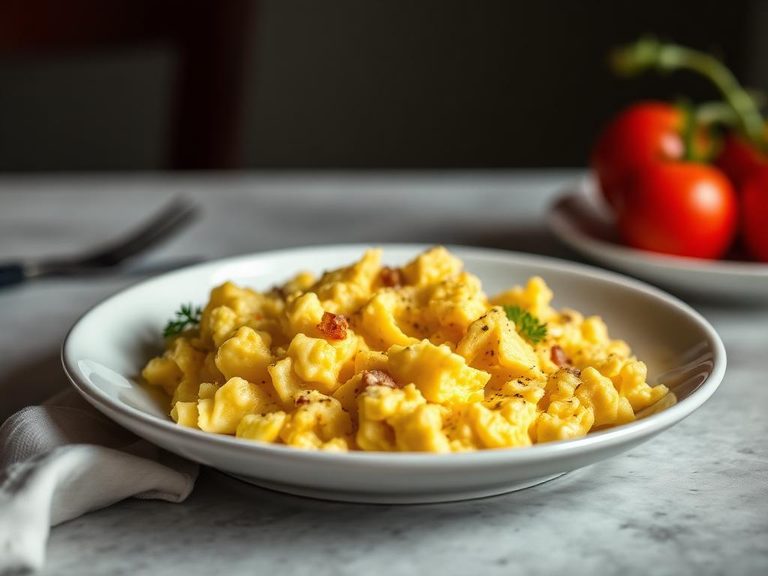


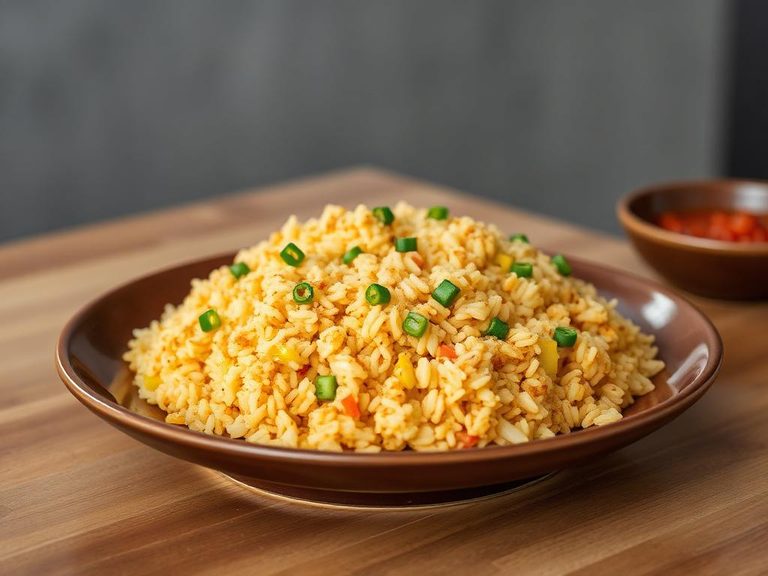
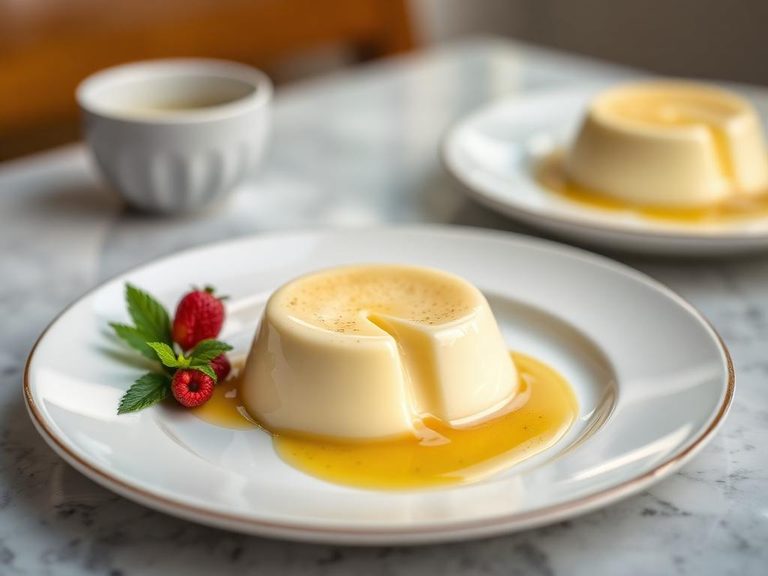
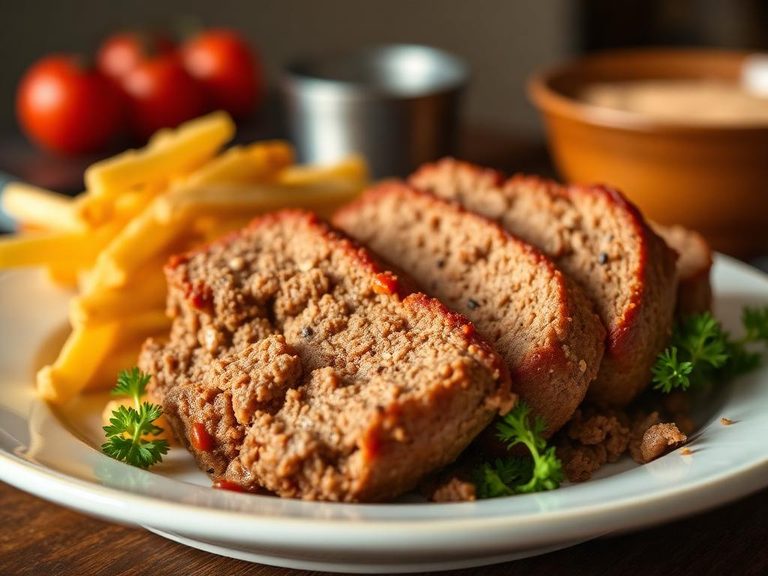
🌍 Where it's eaten
💡 Did you know?
Pasteurization heats the egg just enough to kill harmful bacteria like Salmonella without cooking it, a precise process that allows the egg to be safely frozen and later used raw in recipes like mayonnaise or Caesar dressing.
Full nutrition (USDA data · scales with serving)
| Water | 75.8 g |
| Energy | 147 kcal |
| Energy | 616 kj |
| Protein | 12.3 g |
| Total lipid (fat) | 9.9 g |
| Ash | 0.91 g |
| Carbohydrate, by difference | 1.0 g |
| Fiber, total dietary | 0.00 g |
| Total Sugars | 0.25 g |
| Sucrose | 0.00 g |
| Glucose | 0.25 g |
| Fructose | 0.00 g |
| Lactose | 0.00 g |
| Maltose | 0.00 g |
| Galactose | 0.00 g |
| Calcium, Ca | 62.0 mg |
| Iron, Fe | 1.7 mg |
| Magnesium, Mg | 9.0 mg |
| Phosphorus, P | 193 mg |
| Potassium, K | 135 mg |
| Sodium, Na | 128 mg |
| Zinc, Zn | 1.3 mg |
| Copper, Cu | 0.05 mg |
| Manganese, Mn | 0.03 mg |
| Selenium, Se | 37.2 ug |
| Vitamin C, total ascorbic acid | 0.00 mg |
| Thiamin | 0.07 mg |
| Riboflavin | 0.52 mg |
| Niacin | 0.10 mg |
| Pantothenic acid | 1.6 mg |
| Vitamin B-6 | 0.19 mg |
| Folate, total | 87.0 ug |
| Folic acid | 0.00 ug |
| Folate, food | 87.0 ug |
| Folate, DFE | 87.0 ug |
| Choline, total | 268 mg |
| Vitamin B-12 | 1.0 ug |
| Vitamin B-12, added | 0.00 ug |
| Vitamin A, RAE | 171 ug |
| Retinol | 171 ug |
| Carotene, beta | 0.00 ug |
| Carotene, alpha | 0.00 ug |
| Cryptoxanthin, beta | 9.0 ug |
| Vitamin A, IU | 570 iu |
| Lycopene | 0.00 ug |
| Lutein + zeaxanthin | 471 ug |
| Vitamin E (alpha-tocopherol) | 0.72 mg |
| Vitamin E, added | 0.00 mg |
| Vitamin D (D2 + D3), International Units | 105 iu |
| Vitamin D (D2 + D3) | 2.6 ug |
| Vitamin D2 (ergocalciferol) | 0.00 ug |
| Vitamin D3 (cholecalciferol) | 2.6 ug |
| Vitamin K (phylloquinone) | 0.30 ug |
| Alcohol, ethyl | 0.00 g |
| Caffeine | 0.00 mg |
| Theobromine | 0.00 mg |
Fat & fatty acid profile (per 100g)
| Fatty acids, total saturated | 3.4 g |
| SFA 4:0 | 0.00 g |
| SFA 6:0 | 0.00 g |
| SFA 8:0 | 0.00 g |
| SFA 10:0 | 0.00 g |
| SFA 12:0 | 0.00 g |
| SFA 14:0 | 0.03 g |
| SFA 15:0 | 0.02 g |
| SFA 16:0 | 2.4 g |
| SFA 17:0 | 0.02 g |
| SFA 18:0 | 0.87 g |
| SFA 20:0 | 0.00 g |
| SFA 22:0 | 0.00 g |
| SFA 24:0 | 0.00 g |
| Fatty acids, total monounsaturated | 3.9 g |
| MUFA 14:1 | 0.02 g |
| MUFA 15:1 | 0.00 g |
| MUFA 16:1 | 0.21 g |
| MUFA 17:1 | 0.00 g |
| MUFA 18:1 | 3.6 g |
| MUFA 18:1 c | 3.6 g |
| MUFA 20:1 | 0.02 g |
| MUFA 22:1 | 0.00 g |
| Fatty acids, total polyunsaturated | 1.9 g |
| PUFA 18:2 | 1.6 g |
| PUFA 18:2 n-6 c,c | 1.5 g |
| PUFA 18:3 | 0.05 g |
| PUFA 18:3 n-3 c,c,c (ALA) | 0.03 g |
| PUFA 18:3 n-6 c,c,c | 0.02 g |
| PUFA 18:3i | 0.00 g |
| PUFA 18:4 | 0.00 g |
| PUFA 20:2 n-6 c,c | 0.02 g |
| PUFA 20:3 | 0.00 g |
| PUFA 20:4 | 0.18 g |
| PUFA 20:5 n-3 (EPA) | 0.00 g |
| PUFA 22:5 n-3 (DPA) | 0.02 g |
| PUFA 22:6 n-3 (DHA) | 0.05 g |
| Fatty acids, total trans | 0.05 g |
| Fatty acids, total trans-monoenoic | 0.03 g |
| TFA 18:1 t | 0.03 g |
| TFA 18:2 t,t | 0.02 g |
| Fatty acids, total trans-polyenoic | 0.02 g |
| Cholesterol | 372 mg |
Amino acid profile (per 100g)
| Tryptophan | 0.19 g |
| Threonine | 0.56 g |
| Isoleucine | 0.66 g |
| Leucine | 1.1 g |
| Lysine | 0.93 g |
| Methionine | 0.40 g |
| Cystine | 0.29 g |
| Phenylalanine | 0.68 g |
| Tyrosine | 0.54 g |
| Valine | 0.82 g |
| Arginine | 0.81 g |
| Histidine | 0.32 g |
| Alanine | 0.72 g |
| Aspartic acid | 1.3 g |
| Glutamic acid | 1.6 g |
| Glycine | 0.43 g |
| Proline | 0.50 g |
| Serine | 0.98 g |
FAQ
How do I use frozen pasteurized eggs?
Thaw them in the refrigerator overnight or under cold running water. Once thawed, use them exactly like fresh eggs in any recipe.
Can I refreeze them after thawing?
No, for food safety and quality, you should not refreeze thawed eggs. Use them within a few days once thawed.
Is the nutrition different from fresh eggs?
The nutritional profile is virtually identical. The process is designed to preserve the egg's natural nutrients while ensuring safety.
Nutrient density (calculated · NRF9.3)
Nutrient Rich Foods index: beneficial nutrients (protein, fiber, vitamins, minerals) minus saturated fat, added sugar & sodium, per 100 kcal.
NRF9.3 index — Fulgoni, Keast & Drewnowski, 2009. Computed from USDA nutrients.
Weight-loss friendliness (composite index)
Energy density 1.47 kcal/g · 34% calories from protein · 0.0 g fiber · 0.3 g sugar per 100 g.
Composite of energy density (Rolls et al., 1999), protein & fiber satiety, minus sugar. A calculated heuristic — ranks satiety-per-calorie, not a clinical measure.
Dietary load (calculated from USDA values)
Potential renal acid load. Positive = acid-forming, negative = alkaline-forming.
Sodium-to-potassium ratio: 0.95 (lower is better — aim for ≤ 1)
Sodium:potassium per WHO potassium guidance. Computed from USDA nutrients.