

Egg, whole, cooked, poached
Whole food · Dairy and Egg Products

Photo: Wikipedia
A poached egg is a delicate, whole egg gently cooked in simmering water without its shell, resulting in a tender, set white and a rich, runny yolk. Its texture is uniquely silky, with the liquid yolk acting as a natural sauce, and it offers a pure, savory flavor without added fat. Nutritionally, it's a powerhouse of high-quality protein and healthy fats, with virtually no carbohydrates.
Calorie split: 36% protein · 2% carbs · 62% fat
↓ Full nutrition💚 Why it's loved
People adore the poached egg for its elegant simplicity and the luxurious moment when the golden yolk breaks and coats other foods. It's a versatile staple that elevates everything from a simple piece of toast to a complex brunch dish, carrying cultural significance in classic recipes worldwide.
⚠️ Watch-outs & how to enjoy it better
The primary downside is the potential for cholesterol in the yolk, which may concern individuals with specific heart health conditions. Additionally, the delicate cooking method can be tricky, and some may find the texture of the white too soft. To counteract cholesterol concerns, pair it with fiber-rich vegetables or whole grains, and practice portion control by enjoying one egg as part of a balanced meal.
Key benefits
- Excellent source of complete, high-quality protein for muscle repair and satiety.
- Rich in choline, a nutrient essential for brain health and liver function.
- Provides fat-soluble vitamins like A, D, E, and K, primarily in the yolk.
- Low in carbohydrates, making it suitable for low-carb and ketogenic diets.
- Contains lutein and zeaxanthin, antioxidants that support eye health.
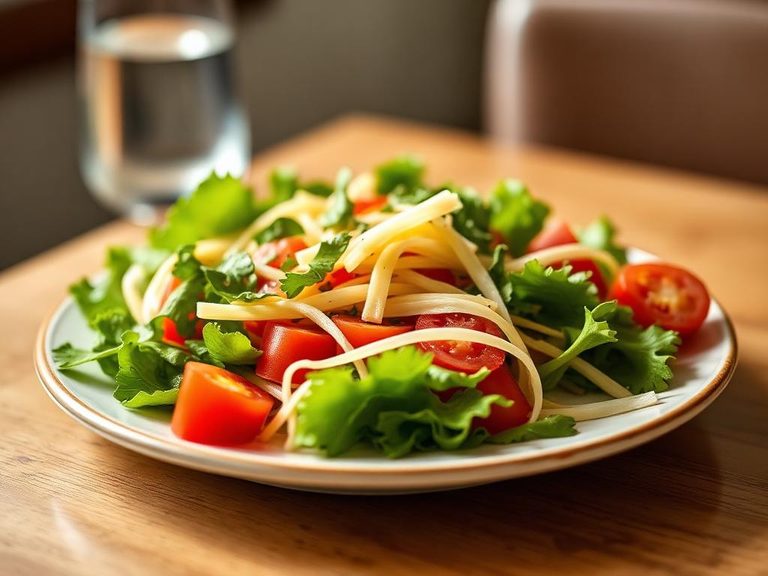
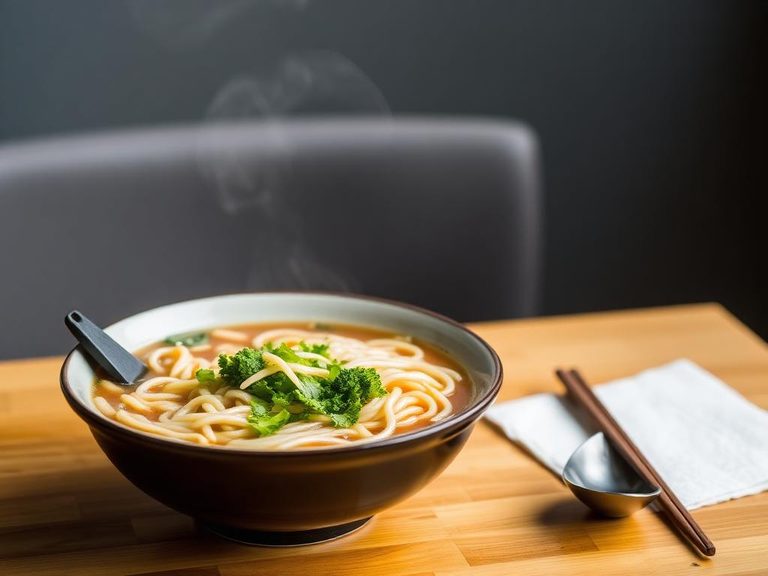
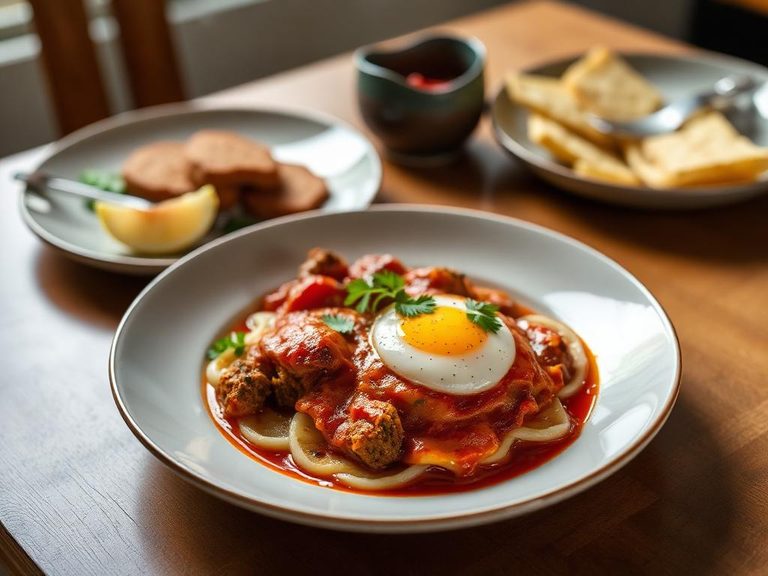
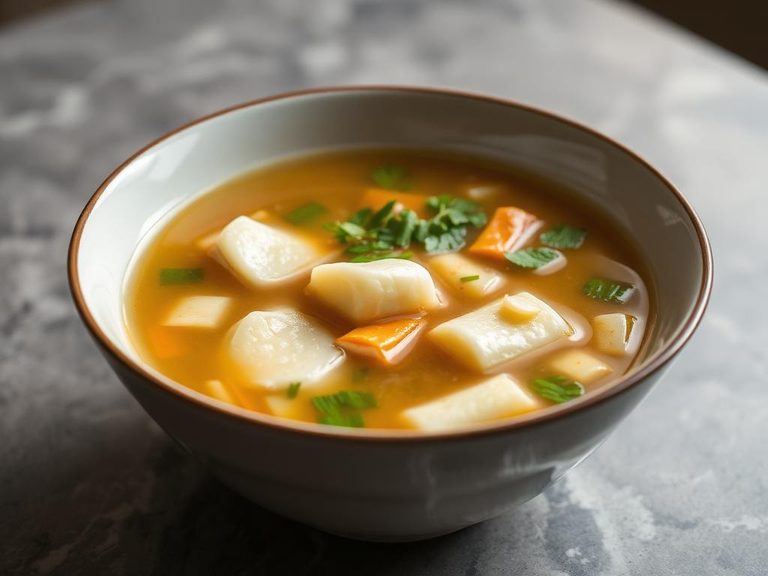
🍽️ Popular dishes


🌍 Where it's eaten
💡 Did you know?
The ideal poaching water temperature is not boiling, but a gentle simmer at around 180°F (82°C), where small bubbles form on the bottom of the pot—too hot and the egg will shred, too cool and it will sink and spread.
Full nutrition (USDA data · scales with serving)
| Water | 75.8 g |
| Energy | 143 kcal |
| Energy | 597 kj |
| Protein | 12.5 g |
| Total lipid (fat) | 9.5 g |
| Ash | 1.5 g |
| Carbohydrate, by difference | 0.71 g |
| Fiber, total dietary | 0.00 g |
| Total Sugars | 0.37 g |
| Sucrose | 0.00 g |
| Glucose | 0.37 g |
| Fructose | 0.00 g |
| Lactose | 0.00 g |
| Maltose | 0.00 g |
| Galactose | 0.00 g |
| Calcium, Ca | 56.0 mg |
| Iron, Fe | 1.8 mg |
| Magnesium, Mg | 12.0 mg |
| Phosphorus, P | 197 mg |
| Potassium, K | 138 mg |
| Sodium, Na | 297 mg |
| Zinc, Zn | 1.3 mg |
| Copper, Cu | 0.07 mg |
| Manganese, Mn | 0.03 mg |
| Selenium, Se | 30.6 ug |
| Fluoride, F | 1.1 ug |
| Vitamin C, total ascorbic acid | 0.00 mg |
| Thiamin | 0.03 mg |
| Riboflavin | 0.39 mg |
| Niacin | 0.06 mg |
| Pantothenic acid | 1.5 mg |
| Vitamin B-6 | 0.14 mg |
| Folate, total | 35.0 ug |
| Folic acid | 0.00 ug |
| Folate, food | 35.0 ug |
| Folate, DFE | 35.0 ug |
| Choline, total | 234 mg |
| Betaine | 0.30 mg |
| Vitamin B-12 | 0.71 ug |
| Vitamin B-12, added | 0.00 ug |
| Vitamin A, RAE | 160 ug |
| Retinol | 159 ug |
| Carotene, beta | 0.00 ug |
| Carotene, alpha | 0.00 ug |
| Cryptoxanthin, beta | 9.0 ug |
| Vitamin A, IU | 538 iu |
| Lycopene | 0.00 ug |
| Lutein + zeaxanthin | 501 ug |
| Vitamin E (alpha-tocopherol) | 1.0 mg |
| Vitamin E, added | 0.00 mg |
| Tocopherol, beta | 0.01 mg |
| Tocopherol, gamma | 0.50 mg |
| Tocopherol, delta | 0.06 mg |
| Tocotrienol, alpha | 0.06 mg |
| Tocotrienol, beta | 0.00 mg |
| Tocotrienol, gamma | 0.01 mg |
| Tocotrienol, delta | 0.00 mg |
| Vitamin D (D2 + D3), International Units | 82.0 iu |
| Vitamin D (D2 + D3) | 2.0 ug |
| Vitamin D3 (cholecalciferol) | 2.0 ug |
| Vitamin K (phylloquinone) | 0.30 ug |
| Vitamin K (Dihydrophylloquinone) | 0.10 ug |
| Alcohol, ethyl | 0.00 g |
| Caffeine | 0.00 mg |
| Theobromine | 0.00 mg |
Fat & fatty acid profile (per 100g)
| Fatty acids, total saturated | 3.1 g |
| SFA 4:0 | 0.00 g |
| SFA 6:0 | 0.00 g |
| SFA 8:0 | 0.00 g |
| SFA 10:0 | 0.01 g |
| SFA 12:0 | 0.00 g |
| SFA 14:0 | 0.03 g |
| SFA 15:0 | 0.01 g |
| SFA 16:0 | 2.2 g |
| SFA 17:0 | 0.02 g |
| SFA 18:0 | 0.81 g |
| SFA 20:0 | 0.00 g |
| SFA 22:0 | 0.00 g |
| SFA 24:0 | 0.00 g |
| Fatty acids, total monounsaturated | 3.6 g |
| MUFA 14:1 | 0.01 g |
| MUFA 15:1 | 0.00 g |
| MUFA 16:1 | 0.20 g |
| MUFA 17:1 | 0.01 g |
| MUFA 18:1 | 3.4 g |
| MUFA 20:1 | 0.03 g |
| MUFA 22:1 | 0.00 g |
| MUFA 24:1 c | 0.00 g |
| Fatty acids, total polyunsaturated | 1.9 g |
| PUFA 18:2 | 1.5 g |
| PUFA 18:3 | 0.05 g |
| PUFA 18:4 | 0.00 g |
| PUFA 20:2 n-6 c,c | 0.02 g |
| PUFA 20:3 | 0.02 g |
| PUFA 20:4 | 0.19 g |
| PUFA 20:5 n-3 (EPA) | 0.00 g |
| PUFA 22:4 | 0.01 g |
| PUFA 22:5 n-3 (DPA) | 0.01 g |
| PUFA 22:6 n-3 (DHA) | 0.06 g |
| Fatty acids, total trans | 0.04 g |
| Cholesterol | 370 mg |
| Phytosterols | 0.00 mg |
Amino acid profile (per 100g)
| Tryptophan | 0.17 g |
| Threonine | 0.55 g |
| Isoleucine | 0.67 g |
| Leucine | 1.1 g |
| Lysine | 0.91 g |
| Methionine | 0.38 g |
| Cystine | 0.27 g |
| Phenylalanine | 0.68 g |
| Tyrosine | 0.50 g |
| Valine | 0.85 g |
| Arginine | 0.82 g |
| Histidine | 0.31 g |
| Alanine | 0.73 g |
| Aspartic acid | 1.3 g |
| Glutamic acid | 1.7 g |
| Glycine | 0.43 g |
| Proline | 0.51 g |
| Serine | 0.97 g |
FAQ
What's the best way to get a perfectly round poached egg?
Use the freshest eggs possible, as the whites hold together better. Create a gentle whirlpool in the simmering water before sliding the egg in, which helps wrap the white around the yolk. Some chefs also add a splash of vinegar to the water to help the proteins set faster.
Can I poach eggs in advance?
Yes, you can poach eggs up to 24 hours ahead. Plunge them into an ice bath to stop cooking, then store them in cold water in the fridge. Reheat by dipping them in hot (not boiling) water for about 30-60 seconds before serving.
Is a poached egg healthier than a fried egg?
A poached egg is generally lower in calories and fat because it's cooked without added oil or butter. However, both methods preserve the egg's core nutrients; the healthiest choice depends on your overall dietary needs and cooking preferences.
Nutrient density (calculated · NRF9.3)
Nutrient Rich Foods index: beneficial nutrients (protein, fiber, vitamins, minerals) minus saturated fat, added sugar & sodium, per 100 kcal.
NRF9.3 index — Fulgoni, Keast & Drewnowski, 2009. Computed from USDA nutrients.
Weight-loss friendliness (composite index)
Energy density 1.43 kcal/g · 35% calories from protein · 0.0 g fiber · 0.4 g sugar per 100 g.
Composite of energy density (Rolls et al., 1999), protein & fiber satiety, minus sugar. A calculated heuristic — ranks satiety-per-calorie, not a clinical measure.
Dietary load (calculated from USDA values)
Potential renal acid load. Positive = acid-forming, negative = alkaline-forming.
Sodium-to-potassium ratio: 2.15 (lower is better — aim for ≤ 1)
Sodium:potassium per WHO potassium guidance. Computed from USDA nutrients.