

Beef, composite of trimmed retail cuts, separable lean and fat, trimmed to 0" fat, all grades, cooked
Whole food · Beef Products

Photo: Wikipedia
This is lean beef from a variety of retail cuts, meticulously trimmed of all visible fat before cooking. The result is a dense, protein-packed ingredient with a clean, robust beef flavor and a firm, meaty texture that holds up well to high-heat methods. Nutritionally, it's a powerhouse of pure protein with virtually no carbohydrates or fat.
Calorie split: 50% protein · 0% carbs · 50% fat
↓ Full nutrition💚 Why it's loved
People love it for its pure, uncomplicated beefy taste and remarkable versatility—it can be the star of a simple stir-fry or the base for a complex stew. It's a cultural cornerstone, central to everything from American steakhouse classics to Argentinian asado.
⚠️ Watch-outs & how to enjoy it better
The extreme leanness can make it prone to drying out if overcooked, leading to a tough texture. For those monitoring cholesterol or saturated fat intake, even trimmed cuts should be consumed in moderation. Counteract dryness by not overcooking; use quick-cook methods like stir-frying or marinating, and consider adding a small amount of healthy fat (like avocado oil) during cooking.
Key benefits
- Excellent source of complete, high-quality protein for muscle maintenance.
- Naturally zero-carbohydrate, suitable for ketogenic and low-carb diets.
- Rich in bioavailable heme iron, crucial for oxygen transport in the blood.
- Provides essential minerals like zinc (for immune function) and selenium.
- Very low in saturated fat compared to untrimmed cuts.
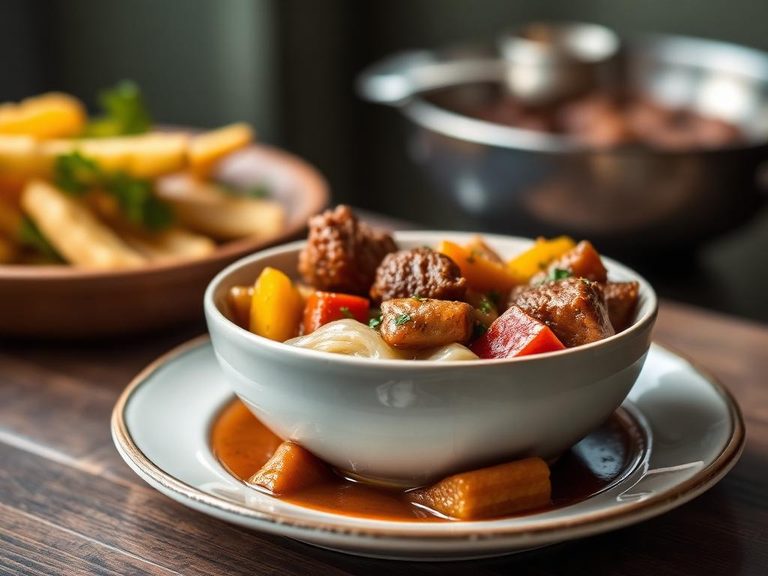
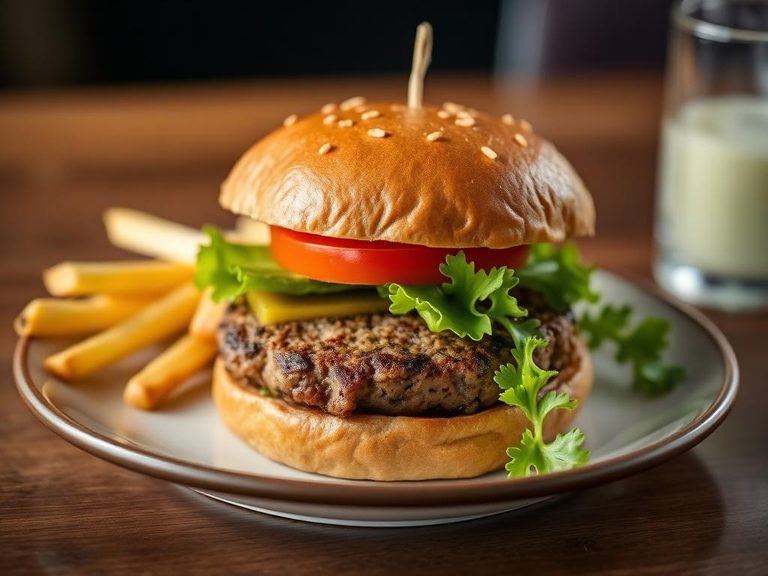
🍽️ Popular dishes
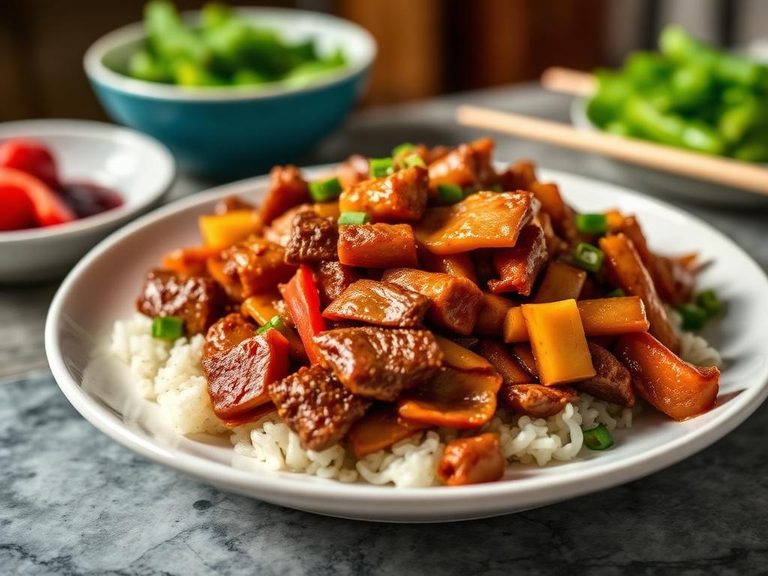
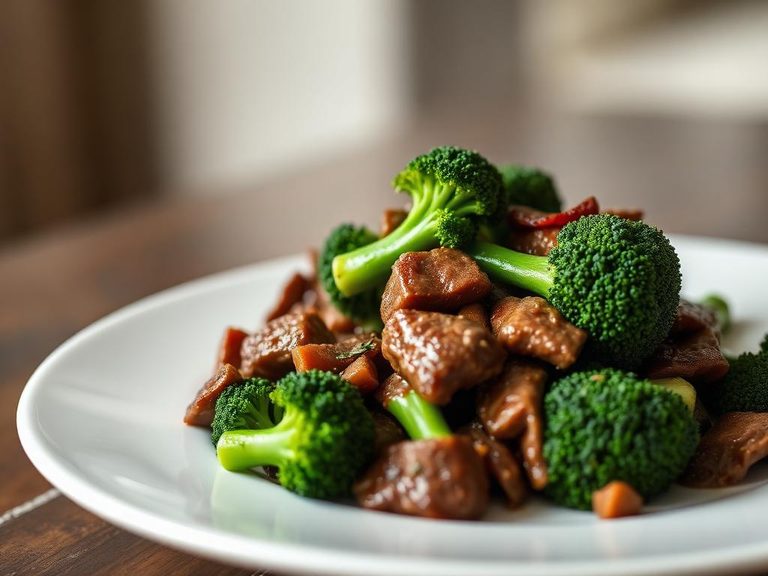
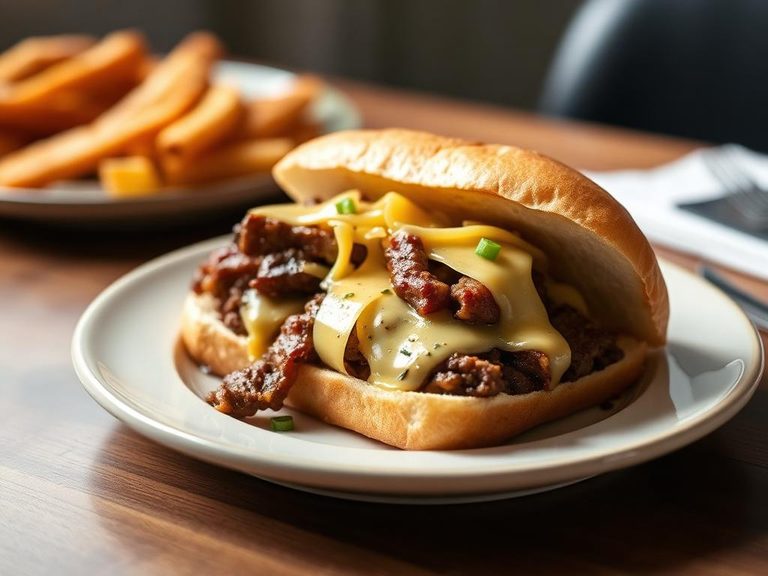
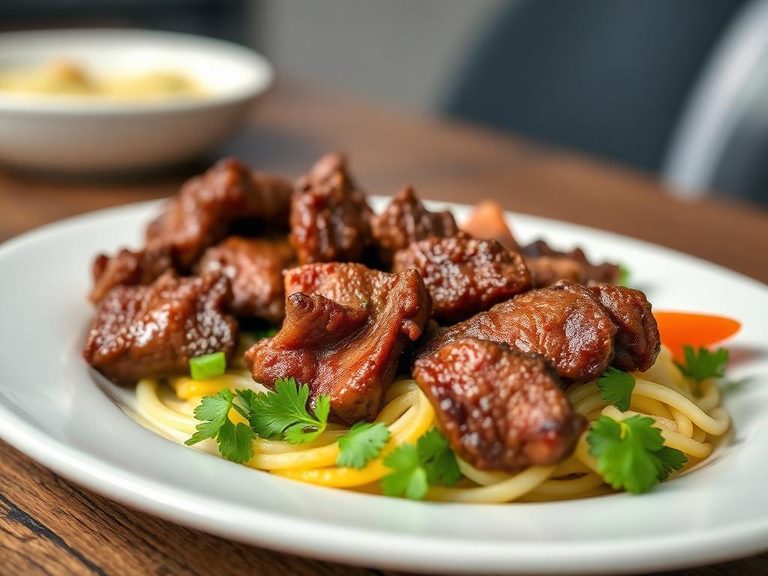
🌍 Where it's eaten
💡 Did you know?
The term 'separable lean' is a USDA designation meaning the fat can be physically separated from the muscle tissue by hand or with a knife, unlike 'intramuscular' fat (marbling) which is woven within the muscle fibers.
Full nutrition (USDA data · scales with serving)
| Water | 58.6 g |
| Energy | 230 kcal |
| Energy | 962 kj |
| Protein | 28.4 g |
| Total lipid (fat) | 12.4 g |
| Ash | 1.1 g |
| Carbohydrate, by difference | 0.00 g |
| Fiber, total dietary | 0.00 g |
| Total Sugars | 0.00 g |
| Calcium, Ca | 14.0 mg |
| Iron, Fe | 2.8 mg |
| Magnesium, Mg | 20.0 mg |
| Phosphorus, P | 224 mg |
| Potassium, K | 323 mg |
| Sodium, Na | 62.0 mg |
| Zinc, Zn | 6.3 mg |
| Copper, Cu | 0.09 mg |
| Manganese, Mn | 0.01 mg |
| Selenium, Se | 29.2 ug |
| Vitamin C, total ascorbic acid | 0.00 mg |
| Thiamin | 0.07 mg |
| Riboflavin | 0.27 mg |
| Niacin | 5.5 mg |
| Pantothenic acid | 0.46 mg |
| Vitamin B-6 | 0.54 mg |
| Folate, total | 7.0 ug |
| Folic acid | 0.00 ug |
| Folate, food | 7.0 ug |
| Folate, DFE | 7.0 ug |
| Choline, total | 71.5 mg |
| Betaine | 9.5 mg |
| Vitamin B-12 | 2.7 ug |
| Vitamin B-12, added | 0.00 ug |
| Vitamin A, RAE | 4.0 ug |
| Retinol | 4.0 ug |
| Carotene, beta | 0.00 ug |
| Carotene, alpha | 0.00 ug |
| Cryptoxanthin, beta | 0.00 ug |
| Vitamin A, IU | 14.0 iu |
| Lycopene | 0.00 ug |
| Lutein + zeaxanthin | 0.00 ug |
| Vitamin E (alpha-tocopherol) | 0.19 mg |
| Vitamin E, added | 0.00 mg |
| Tocopherol, beta | 0.00 mg |
| Tocopherol, gamma | 0.00 mg |
| Tocopherol, delta | 0.00 mg |
| Vitamin D (D2 + D3), International Units | 4.0 iu |
| Vitamin D (D2 + D3) | 0.10 ug |
| Vitamin D3 (cholecalciferol) | 0.10 ug |
| Vitamin K (phylloquinone) | 1.5 ug |
| Vitamin K (Dihydrophylloquinone) | 0.00 ug |
| Alcohol, ethyl | 0.00 g |
| Caffeine | 0.00 mg |
| Theobromine | 0.00 mg |
Fat & fatty acid profile (per 100g)
| Fatty acids, total saturated | 4.9 g |
| SFA 4:0 | 0.00 g |
| SFA 6:0 | 0.00 g |
| SFA 8:0 | 0.00 g |
| SFA 10:0 | 0.01 g |
| SFA 12:0 | 0.01 g |
| SFA 14:0 | 0.35 g |
| SFA 15:0 | 0.01 g |
| SFA 16:0 | 2.8 g |
| SFA 17:0 | 0.07 g |
| SFA 18:0 | 1.7 g |
| SFA 20:0 | 0.00 g |
| SFA 24:0 | 0.00 g |
| Fatty acids, total monounsaturated | 5.6 g |
| MUFA 14:1 | 0.03 g |
| MUFA 16:1 | 0.42 g |
| MUFA 16:1 c | 0.16 g |
| MUFA 17:1 | 0.05 g |
| MUFA 18:1 | 5.2 g |
| MUFA 18:1 c | 2.4 g |
| MUFA 18:1-11 t (18:1t n-7) | 0.09 g |
| MUFA 20:1 | 0.03 g |
| MUFA 22:1 | 0.00 g |
| Fatty acids, total polyunsaturated | 0.66 g |
| PUFA 18:2 | 0.56 g |
| PUFA 18:2 n-6 c,c | 0.23 g |
| PUFA 18:2 CLAs | 0.13 g |
| PUFA 18:3 | 0.04 g |
| PUFA 18:3 n-3 c,c,c (ALA) | 0.01 g |
| PUFA 18:3 n-6 c,c,c | 0.00 g |
| PUFA 18:4 | 0.00 g |
| PUFA 20:2 n-6 c,c | 0.00 g |
| PUFA 20:3 | 0.01 g |
| PUFA 20:3 n-6 | 0.01 g |
| PUFA 20:4 | 0.05 g |
| PUFA 20:5 n-3 (EPA) | 0.00 g |
| PUFA 22:5 n-3 (DPA) | 0.01 g |
| PUFA 22:6 n-3 (DHA) | 0.00 g |
| Fatty acids, total trans | 0.37 g |
| Fatty acids, total trans-monoenoic | 0.35 g |
| TFA 16:1 t | 0.01 g |
| TFA 18:1 t | 0.34 g |
| TFA 18:2 t not further defined | 0.01 g |
| Fatty acids, total trans-polyenoic | 0.01 g |
| Cholesterol | 89.0 mg |
Amino acid profile (per 100g)
| Tryptophan | 0.29 g |
| Threonine | 1.3 g |
| Isoleucine | 1.3 g |
| Leucine | 2.4 g |
| Lysine | 2.6 g |
| Methionine | 0.78 g |
| Cystine | 0.31 g |
| Phenylalanine | 1.1 g |
| Tyrosine | 1.0 g |
| Valine | 1.4 g |
| Arginine | 1.9 g |
| Histidine | 1.0 g |
| Alanine | 1.7 g |
| Aspartic acid | 2.7 g |
| Glutamic acid | 4.6 g |
| Glycine | 1.5 g |
| Proline | 1.3 g |
| Serine | 1.2 g |
| Hydroxyproline | 0.21 g |
FAQ
What does 'trimmed to 0' fat mean exactly?
It means all visible external fat and fat seams have been meticulously removed from the raw meat before cooking, resulting in a product that is virtually fat-free on the surface.
Is this the same as 'extra lean' ground beef?
Not exactly. 'Extra lean' ground beef has a maximum fat percentage (e.g., 10%), but this describes whole muscle cuts (like sirloin, round, or chuck) that have been manually trimmed of all visible fat.
Why is it so high in calories if there's no fat?
The calories (230 kcal per 100g) come almost entirely from its very high protein content (28.4g). Protein provides 4 calories per gram, so this is a very energy-dense protein source.
Nutrient density (calculated · NRF9.3)
Nutrient Rich Foods index: beneficial nutrients (protein, fiber, vitamins, minerals) minus saturated fat, added sugar & sodium, per 100 kcal.
NRF9.3 index — Fulgoni, Keast & Drewnowski, 2009. Computed from USDA nutrients.
Weight-loss friendliness (composite index)
Energy density 2.30 kcal/g · 49% calories from protein · 0.0 g fiber · 0.0 g sugar per 100 g.
Composite of energy density (Rolls et al., 1999), protein & fiber satiety, minus sugar. A calculated heuristic — ranks satiety-per-calorie, not a clinical measure.
Dietary load (calculated from USDA values)
Potential renal acid load. Positive = acid-forming, negative = alkaline-forming.
Sodium-to-potassium ratio: 0.19 (lower is better — aim for ≤ 1)
Sodium:potassium per WHO potassium guidance. Computed from USDA nutrients.