

Babyfood, GERBER, GRADUATES Lil Biscuits Vanilla Wheat
Whole food · Baby Foods

Photo: Wikipedia
These are tiny, crunchy, vanilla-flavored wheat biscuits designed for teething toddlers, offering a satisfying snap and a mild, sweet taste. They are a convenient, mess-free snack that provides a quick source of energy from carbohydrates, with a modest protein content to support growth.
Calorie split: 8% protein · 72% carbs · 21% fat
↓ Full nutrition💚 Why it's loved
Parents love them for their mess-free, portable nature and the fact that toddlers often enjoy the mild vanilla flavor and satisfying crunch, making them a reliable snack for busy days.
⚠️ Watch-outs & how to enjoy it better
The high carbohydrate and sugar content (24.9g per 100g) can contribute to blood sugar spikes if not paired with a protein or fat source. They are also a common allergen (wheat, may contain soy). Tip: Serve alongside a small piece of cheese or a few bites of yogurt to balance the snack.
Key benefits
- Convenient, on-the-go toddler snack
- Easy for little hands to self-feed, promoting motor skills
- Provides quick energy from carbohydrates
- Fortified with iron and other essential vitamins for development
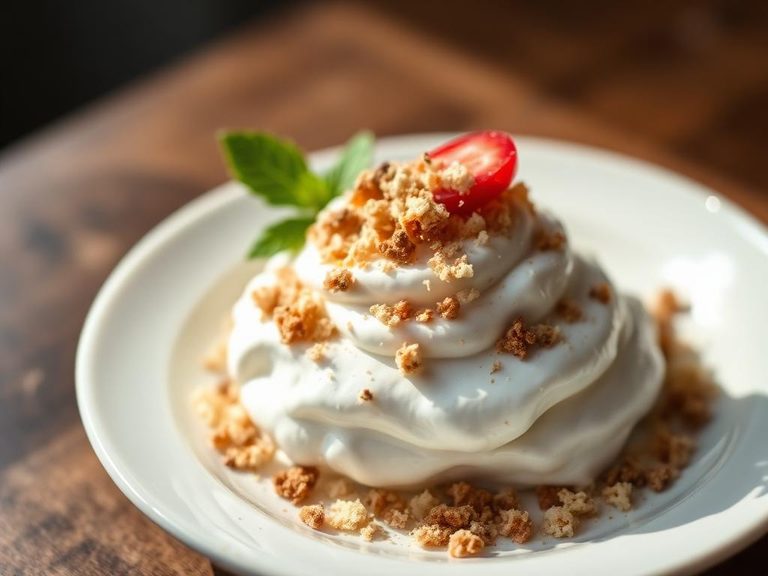
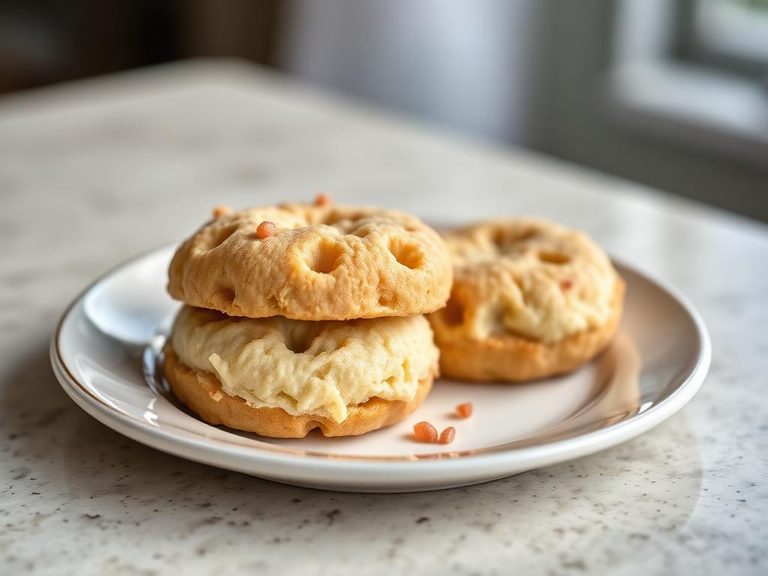
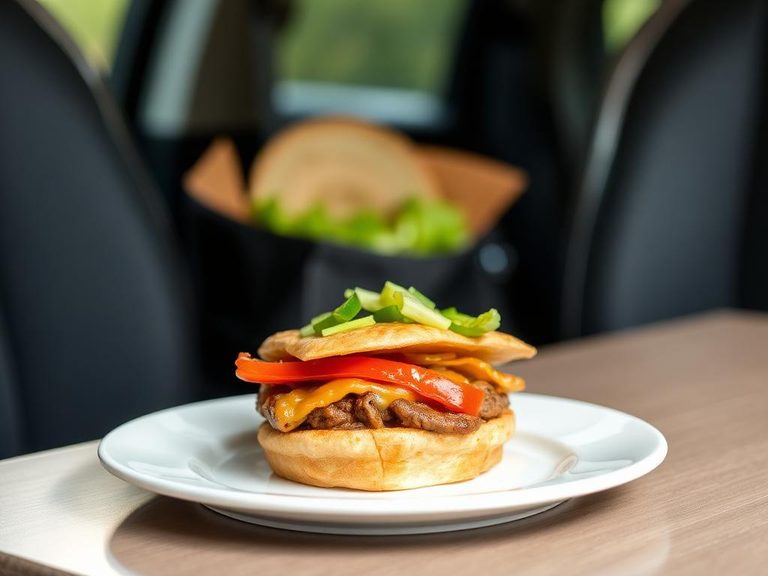
🍽️ Popular dishes
🌍 Where it's eaten
💡 Did you know?
The 'Lil Biscuits' line was specifically engineered to dissolve safely in a baby's mouth, reducing choking risk while still providing a crunchy texture for sensory development.
Full nutrition (USDA data · scales with serving)
| Water | 5.8 g |
| Energy | 407 kcal |
| Energy | 1703 kj |
| Protein | 8.0 g |
| Total lipid (fat) | 9.3 g |
| Ash | 4.4 g |
| Carbohydrate, by difference | 72.5 g |
| Fiber, total dietary | 5.9 g |
| Total Sugars | 24.9 g |
| Starch | 43.5 g |
| Calcium, Ca | 1278 mg |
| Iron, Fe | 18.9 mg |
| Magnesium, Mg | 63.0 mg |
| Phosphorus, P | 186 mg |
| Potassium, K | 318 mg |
| Sodium, Na | 259 mg |
| Zinc, Zn | 14.2 mg |
| Copper, Cu | 0.20 mg |
| Manganese, Mn | 1.3 mg |
| Selenium, Se | 5.3 ug |
| Fluoride, F | 2.1 ug |
| Vitamin C, total ascorbic acid | 9.1 mg |
| Thiamin | 0.32 mg |
| Riboflavin | 0.39 mg |
| Niacin | 3.6 mg |
| Pantothenic acid | 0.68 mg |
| Vitamin B-6 | 0.16 mg |
| Folate, total | 49.0 ug |
| Folic acid | 29.0 ug |
| Folate, food | 20.0 ug |
| Folate, DFE | 69.0 ug |
| Choline, total | 33.8 mg |
| Vitamin B-12 | 0.07 ug |
| Vitamin B-12, added | 0.00 ug |
| Vitamin A, RAE | 28.0 ug |
| Retinol | 27.0 ug |
| Carotene, beta | 13.0 ug |
| Carotene, alpha | 6.0 ug |
| Cryptoxanthin, beta | 0.00 ug |
| Vitamin A, IU | 116 iu |
| Lycopene | 0.00 ug |
| Lutein + zeaxanthin | 169 ug |
| Vitamin E (alpha-tocopherol) | 24.7 mg |
| Vitamin E, added | 0.87 mg |
| Tocopherol, beta | 0.40 mg |
| Tocopherol, gamma | 8.3 mg |
| Tocopherol, delta | 2.7 mg |
| Tocotrienol, alpha | 0.23 mg |
| Tocotrienol, beta | 1.2 mg |
| Tocotrienol, gamma | 0.00 mg |
| Tocotrienol, delta | 0.00 mg |
| Vitamin D (D2 + D3), International Units | 21.0 iu |
| Vitamin D (D2 + D3) | 0.50 ug |
| Vitamin K (phylloquinone) | 14.2 ug |
| Vitamin K (Dihydrophylloquinone) | 0.00 ug |
| Vitamin K (Menaquinone-4) | 0.00 ug |
| Alcohol, ethyl | 0.00 g |
| Caffeine | 0.00 mg |
| Theobromine | 0.00 mg |
Fat & fatty acid profile (per 100g)
| Fatty acids, total saturated | 0.81 g |
| SFA 4:0 | 0.01 g |
| SFA 6:0 | 0.00 g |
| SFA 8:0 | 0.00 g |
| SFA 10:0 | 0.00 g |
| SFA 12:0 | 0.00 g |
| SFA 14:0 | 0.01 g |
| SFA 15:0 | 0.00 g |
| SFA 16:0 | 0.45 g |
| SFA 17:0 | 0.01 g |
| SFA 18:0 | 0.21 g |
| SFA 20:0 | 0.06 g |
| SFA 22:0 | 0.03 g |
| SFA 24:0 | 0.03 g |
| Fatty acids, total monounsaturated | 6.6 g |
| MUFA 14:1 | 0.00 g |
| MUFA 15:1 | 0.00 g |
| MUFA 16:1 | 0.01 g |
| MUFA 16:1 c | 0.01 g |
| MUFA 18:1 | 6.4 g |
| MUFA 18:1 c | 6.4 g |
| MUFA 20:1 | 0.14 g |
| MUFA 22:1 | 0.00 g |
| MUFA 22:1 c | 0.00 g |
| MUFA 24:1 c | 0.01 g |
| Fatty acids, total polyunsaturated | 1.6 g |
| PUFA 18:2 | 1.3 g |
| PUFA 18:2 n-6 c,c | 1.3 g |
| PUFA 18:2 CLAs | 0.01 g |
| PUFA 18:3 | 0.21 g |
| PUFA 18:3 n-3 c,c,c (ALA) | 0.20 g |
| PUFA 18:3 n-6 c,c,c | 0.01 g |
| PUFA 18:3i | 0.00 g |
| PUFA 18:4 | 0.00 g |
| PUFA 20:2 n-6 c,c | 0.01 g |
| PUFA 20:3 | 0.00 g |
| PUFA 20:3 n-3 | 0.00 g |
| PUFA 20:3 n-6 | 0.00 g |
| PUFA 20:4 | 0.00 g |
| PUFA 20:5 n-3 (EPA) | 0.00 g |
| PUFA 22:4 | 0.00 g |
| PUFA 22:5 n-3 (DPA) | 0.00 g |
| PUFA 22:6 n-3 (DHA) | 0.00 g |
| Fatty acids, total trans | 0.02 g |
| Fatty acids, total trans-monoenoic | 0.01 g |
| TFA 18:1 t | 0.01 g |
| TFA 22:1 t | 0.00 g |
| TFA 18:2 t not further defined | 0.01 g |
| Fatty acids, total trans-polyenoic | 0.01 g |
| Cholesterol | 7.0 mg |
Amino acid profile (per 100g)
Estimated from Babyfood, grape juice, no sugar, canned — USDA does not publish this profile for Babyfood.
| Threonine | 0.02 g |
| Isoleucine | 0.01 g |
| Leucine | 0.02 g |
| Lysine | 0.02 g |
| Methionine | 0.03 g |
| Cystine | 0.01 g |
| Phenylalanine | 0.02 g |
| Tyrosine | 0.02 g |
| Valine | 0.02 g |
| Arginine | 0.06 g |
| Histidine | 0.03 g |
| Alanine | 0.04 g |
| Aspartic acid | 0.10 g |
| Glutamic acid | 0.18 g |
| Glycine | 0.03 g |
| Proline | 0.03 g |
| Serine | 0.04 g |
FAQ
Are these suitable for babies starting solids?
They are generally marketed for toddlers (12 months+) who have developed pincer grasp and can handle crunchy textures. Always consult your pediatrician.
How do they compare to homemade teething biscuits?
Commercial versions like these offer standardized nutrition and fortification, while homemade options allow you to control sugar and ingredient quality.
Can adults eat them?
Yes, though they are formulated for a toddler's nutritional needs and palate. Adults might find them mildly sweet and useful as a light, crunchy snack.
Nutrient density (calculated · NRF9.3)
Nutrient Rich Foods index: beneficial nutrients (protein, fiber, vitamins, minerals) minus saturated fat, added sugar & sodium, per 100 kcal.
NRF9.3 index — Fulgoni, Keast & Drewnowski, 2009. Computed from USDA nutrients.
Weight-loss friendliness (composite index)
Energy density 4.07 kcal/g · 8% calories from protein · 5.9 g fiber · 24.9 g sugar per 100 g.
Composite of energy density (Rolls et al., 1999), protein & fiber satiety, minus sugar. A calculated heuristic — ranks satiety-per-calorie, not a clinical measure.
Dietary load (calculated from USDA values)
Potential renal acid load. Positive = acid-forming, negative = alkaline-forming.
Sodium-to-potassium ratio: 0.81 (lower is better — aim for ≤ 1)
Sodium:potassium per WHO potassium guidance. Computed from USDA nutrients.