

On-the-Go Car Seat Snack
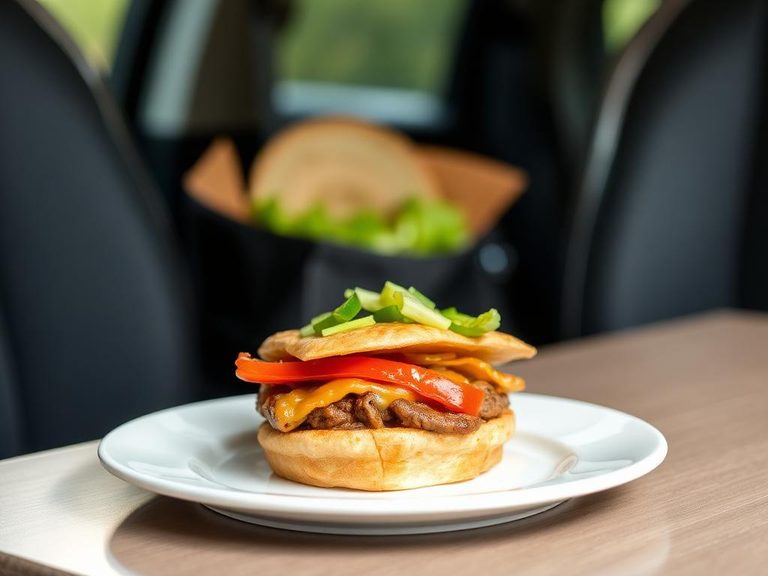
The 'On-the-Go Car Seat Snack' is a modern, informal category of portable, mess-resistant food designed for consumption while traveling, especially for children in car seats. It typically consists of dry, bite-sized, or individually packaged items like crackers, cheese cubes, fruit pouches, or cereal bars. This concept is a product of contemporary, fast-paced lifestyles, particularly in North America and other car-centric cultures.
🍽️ Nutrition at a glance
These snacks are often carbohydrate-focused for quick energy, with varying fat and protein content depending on the specific items chosen. Key nutrients can include calcium from dairy, fiber from whole grains or fruits, and vitamins, but they can also be high in sodium and added sugars. A typical serving or combination can range from 150 to 300 calories.
Nutrition breakdown
| Calories | 250 kcal |
| Protein | 8 g |
| Carbs | 35 g |
| Fat | 9 g |
| Fiber | 4 g |
| Sugar | 18 g |
| Sodium | 380 mg |
| Calcium | 150 mg |
| Vitamin C | 15 mg |
| Iron | 2 mg |
| Potassium | 280 mg |
| Vitamin A | 120 mcg |
| Phosphorus | 120 mg |
| Magnesium | 25 mg |
| Vitamin B12 | 0.5 mcg |
Per 1 typical combo pack (e.g., 30g cheese cubes, 40g whole-grain crackers, 100g apple sauce pouch) · estimated, varies by recipe
💡 What's interesting
Culturally, it represents the intersection of convenience, parenting, and automotive life, creating a distinct 'food genre' born from necessity. Nutritionally, its success lies in its design to minimize spills and sticky fingers, prioritizing practicality over traditional meal structures.
🍽️ Related dishes


AI estimate may be inaccurate · Terms