

Cereals, oats, regular and quick, not fortified, dry
Whole food · Breakfast Cereals
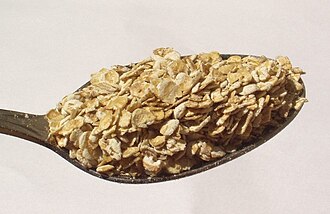
Photo: Wikipedia
This is the pure, unadulterated form of the oat grain, rolled into flat flakes for quick cooking. It has a mild, nutty, slightly sweet flavor and a chewy texture that softens into a creamy porridge when cooked. Nutritionally, it's a powerhouse of complex carbs and soluble fiber, particularly beta-glucan, with a solid protein base.
Calorie split: 14% protein · 71% carbs · 15% fat
↓ Full nutrition💚 Why it's loved
People love it for its comforting, warm, and subtly nutty taste that acts as a perfect canvas for toppings like fruit, nuts, and spices. It's a beloved, affordable, and incredibly versatile breakfast staple across many cultures.
⚠️ Watch-outs & how to enjoy it better
While nutritious, the high carb content can cause blood sugar spikes in some individuals if eaten alone or in large portions. To counteract this, always pair it with a source of protein (like Greek yogurt or nuts) and healthy fat (like nut butter or seeds) to slow digestion and stabilize energy. Some may also find the texture of plain cooked oats unappealing; toasting the dry flakes in a pan before cooking can enhance flavor and texture.
Key benefits
- Excellent source of soluble fiber (beta-glucan) for heart and gut health.
- Provides sustained energy due to low glycemic index and high fiber content.
- Good plant-based source of protein and essential minerals like manganese and phosphorus.
- Naturally low in sugar and contains no added sodium or fats.
🍽️ Popular dishes
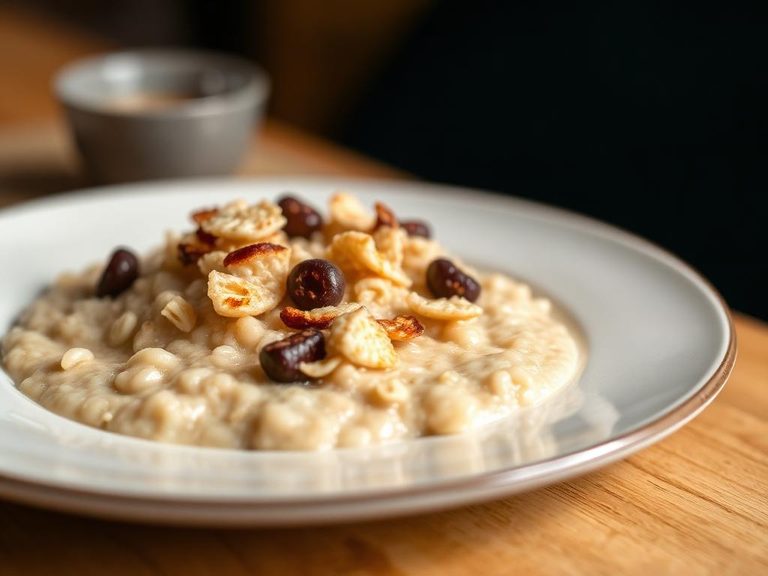
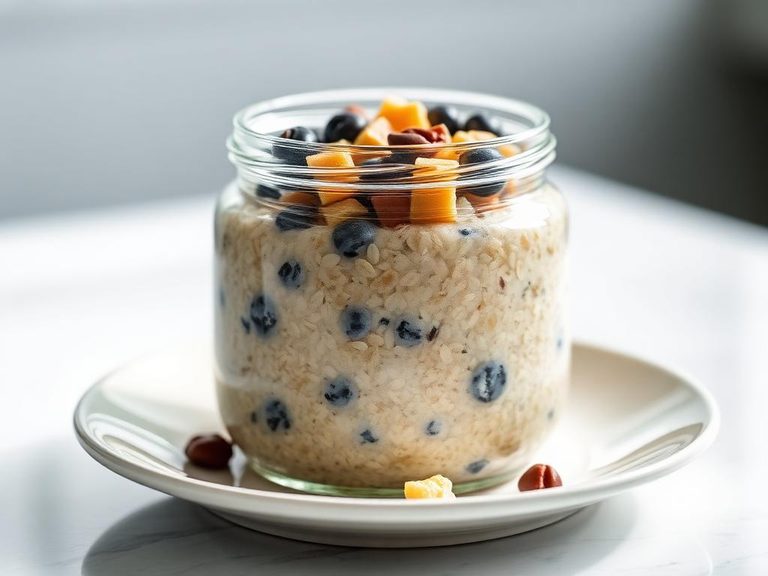
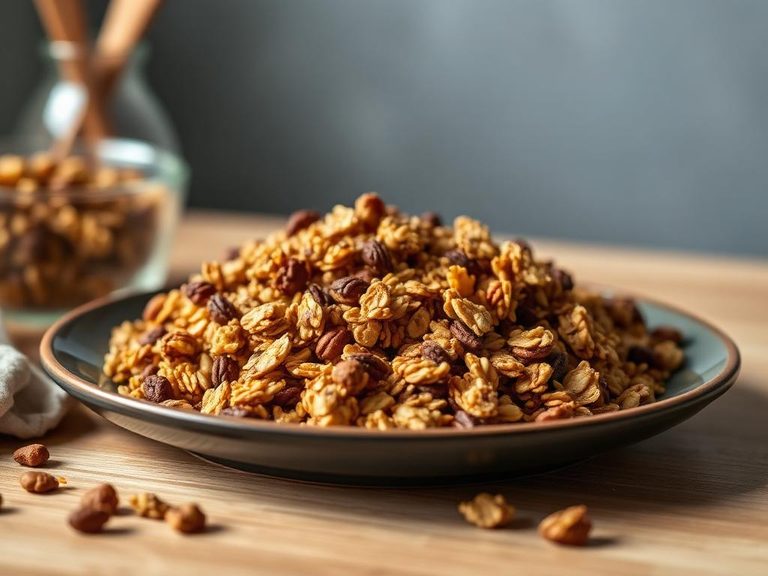
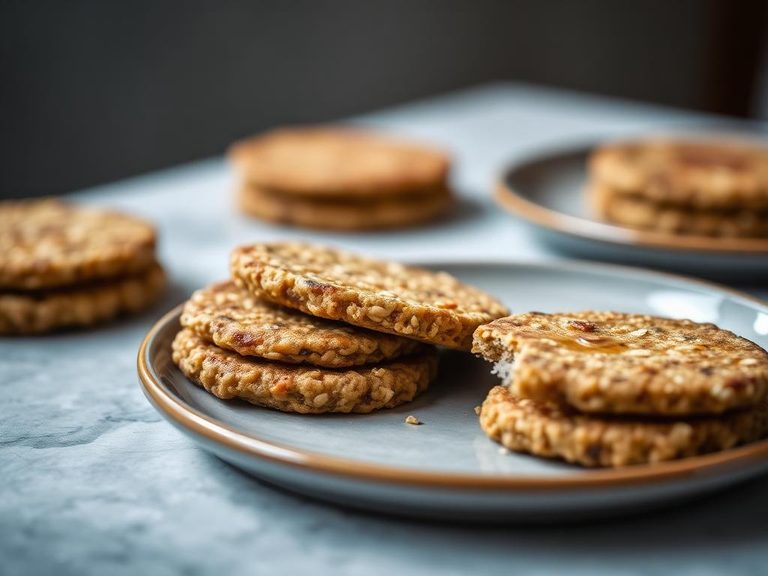
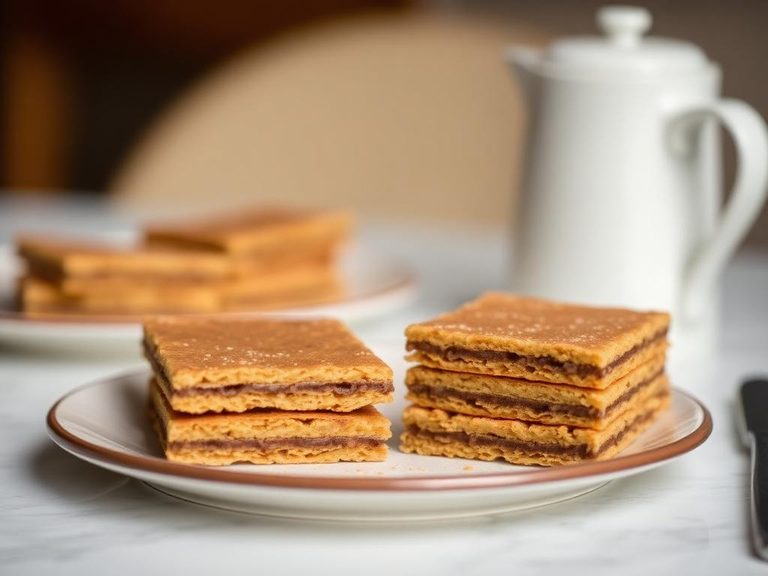
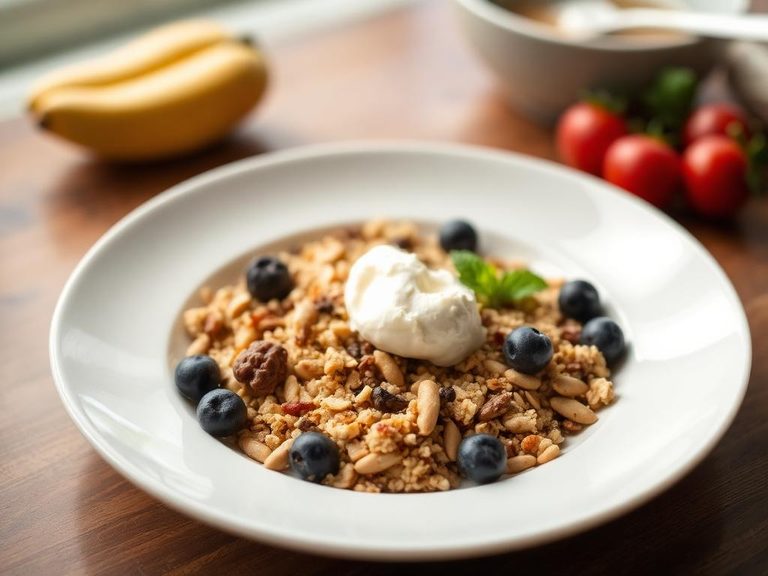
🌍 Where it's eaten
💡 Did you know?
The beta-glucan fiber in oats forms a gel-like substance in your gut, which is what gives cooked oatmeal its signature creamy texture and is also responsible for its cholesterol-lowering effects.
Full nutrition (USDA data · scales with serving)
| Water | 10.8 g |
| Energy | 379 kcal |
| Energy | 1586 kj |
| Protein | 13.2 g |
| Total lipid (fat) | 6.5 g |
| Ash | 1.8 g |
| Carbohydrate, by difference | 67.7 g |
| Fiber, total dietary | 10.1 g |
| Total Sugars | 0.99 g |
| Sucrose | 0.99 g |
| Glucose | 0.00 g |
| Fructose | 0.00 g |
| Lactose | 0.00 g |
| Maltose | 0.00 g |
| Galactose | 0.00 g |
| Starch | 57.9 g |
| Calcium, Ca | 52.0 mg |
| Iron, Fe | 4.3 mg |
| Magnesium, Mg | 138 mg |
| Phosphorus, P | 410 mg |
| Potassium, K | 362 mg |
| Sodium, Na | 6.0 mg |
| Zinc, Zn | 3.6 mg |
| Copper, Cu | 0.39 mg |
| Manganese, Mn | 3.6 mg |
| Selenium, Se | 28.9 ug |
| Vitamin C, total ascorbic acid | 0.00 mg |
| Thiamin | 0.46 mg |
| Riboflavin | 0.15 mg |
| Niacin | 1.1 mg |
| Pantothenic acid | 1.1 mg |
| Vitamin B-6 | 0.10 mg |
| Folate, total | 32.0 ug |
| Folic acid | 0.00 ug |
| Folate, food | 32.0 ug |
| Folate, DFE | 32.0 ug |
| Choline, total | 40.4 mg |
| Vitamin B-12 | 0.00 ug |
| Vitamin B-12, added | 0.00 ug |
| Vitamin A, RAE | 0.00 ug |
| Retinol | 0.00 ug |
| Carotene, beta | 0.00 ug |
| Carotene, alpha | 0.00 ug |
| Cryptoxanthin, beta | 0.00 ug |
| Vitamin A, IU | 0.00 iu |
| Lycopene | 0.00 ug |
| Lutein + zeaxanthin | 180 ug |
| Vitamin E (alpha-tocopherol) | 0.42 mg |
| Vitamin E, added | 0.00 mg |
| Tocopherol, beta | 0.03 mg |
| Tocopherol, gamma | 0.12 mg |
| Tocopherol, delta | 0.00 mg |
| Vitamin D (D2 + D3), International Units | 0.00 iu |
| Vitamin D (D2 + D3) | 0.00 ug |
| Vitamin K (phylloquinone) | 2.0 ug |
| Vitamin K (Dihydrophylloquinone) | 0.00 ug |
| Alcohol, ethyl | 0.00 g |
| Caffeine | 0.00 mg |
| Theobromine | 0.00 mg |
Fat & fatty acid profile (per 100g)
| Fatty acids, total saturated | 1.1 g |
| SFA 4:0 | 0.00 g |
| SFA 6:0 | 0.00 g |
| SFA 8:0 | 0.00 g |
| SFA 10:0 | 0.00 g |
| SFA 12:0 | 0.02 g |
| SFA 14:0 | 0.01 g |
| SFA 16:0 | 0.94 g |
| SFA 18:0 | 0.06 g |
| Fatty acids, total monounsaturated | 2.0 g |
| MUFA 16:1 | 0.01 g |
| MUFA 18:1 | 2.0 g |
| MUFA 20:1 | 0.00 g |
| MUFA 22:1 | 0.00 g |
| Fatty acids, total polyunsaturated | 2.3 g |
| PUFA 18:2 | 2.2 g |
| PUFA 18:3 | 0.10 g |
| PUFA 18:4 | 0.00 g |
| PUFA 20:4 | 0.00 g |
| PUFA 20:5 n-3 (EPA) | 0.00 g |
| PUFA 22:5 n-3 (DPA) | 0.00 g |
| PUFA 22:6 n-3 (DHA) | 0.00 g |
| Cholesterol | 0.00 mg |
Amino acid profile (per 100g)
| Tryptophan | 0.18 g |
| Threonine | 0.38 g |
| Isoleucine | 0.50 g |
| Leucine | 0.98 g |
| Lysine | 0.64 g |
| Methionine | 0.21 g |
| Cystine | 0.46 g |
| Phenylalanine | 0.67 g |
| Tyrosine | 0.40 g |
| Valine | 0.69 g |
| Arginine | 0.85 g |
| Histidine | 0.28 g |
| Alanine | 0.56 g |
| Aspartic acid | 1.2 g |
| Glutamic acid | 2.8 g |
| Glycine | 0.64 g |
| Proline | 0.45 g |
| Serine | 0.70 g |
FAQ
What's the difference between 'regular' and 'quick' oats?
They are the same whole oat grain, just rolled to different thicknesses. Quick oats are rolled thinner, allowing them to absorb water faster and cook in about 1-2 minutes, while regular oats take 5-10 minutes.
Is this the same as 'steel-cut' oats?
No. Steel-cut oats are whole oat groats chopped into pieces, not rolled. They have a chewier, nuttier texture and require a longer cooking time (20-30 minutes).
Why does the nutrition label say 'not fortified'?
It means the oats have not had vitamins and minerals (like iron, B vitamins, folic acid) added back in after processing, which is common with many breakfast cereals. The nutrients present are naturally occurring.
Nutrient density (calculated · NRF9.3)
Nutrient Rich Foods index: beneficial nutrients (protein, fiber, vitamins, minerals) minus saturated fat, added sugar & sodium, per 100 kcal.
NRF9.3 index — Fulgoni, Keast & Drewnowski, 2009. Computed from USDA nutrients.
Weight-loss friendliness (composite index)
Energy density 3.79 kcal/g · 14% calories from protein · 10.1 g fiber · 1.0 g sugar per 100 g.
Composite of energy density (Rolls et al., 1999), protein & fiber satiety, minus sugar. A calculated heuristic — ranks satiety-per-calorie, not a clinical measure.
Dietary load (calculated from USDA values)
Potential renal acid load. Positive = acid-forming, negative = alkaline-forming.
Sodium-to-potassium ratio: 0.02 (lower is better — aim for ≤ 1)
Sodium:potassium per WHO potassium guidance. Computed from USDA nutrients.