

Spices, onion powder
Whole food · Spices and Herbs
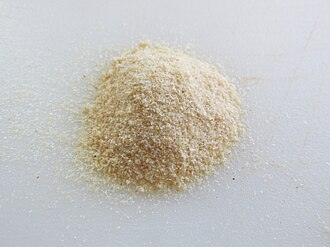
Photo: Wikipedia
Onion powder is a finely ground, dehydrated form of the common onion, offering a potent, concentrated burst of savory-sweet flavor without the texture or moisture of fresh onions. Its warm, umami-rich taste and pale, sandy texture make it a pantry staple for instantly deepening the flavor base of countless dishes. Nutritionally, it's a surprisingly dense source of dietary fiber and carbohydrates, with minimal fat.
Calorie split: 11% protein · 86% carbs · 3% fat
↓ Full nutrition💚 Why it's loved
People love onion powder for its unmatched convenience and ability to deliver a pure, sweet-savory onion essence that integrates seamlessly into spice blends, rubs, and sauces. It's a culinary workhorse that builds a foundational flavor layer without the chopping, tears, or extra water content of fresh onions.
⚠️ Watch-outs & how to enjoy it better
Its intense flavor can become harsh or bitter if overused, and it lacks the textural component of fresh onions. Those monitoring sodium intake should check labels, as some brands contain added salt. To counteract, use it sparingly at the start of cooking to mellow the flavor, and always opt for pure, salt-free versions to control seasoning.
Key benefits
- Provides a concentrated dose of dietary fiber (15.2g per 100g).
- Offers a quick, potent flavor boost without added fats.
- Contains antioxidants like quercetin, which are more concentrated in dried form.
- A shelf-stable way to add savory depth year-round.
🍽️ Popular dishes
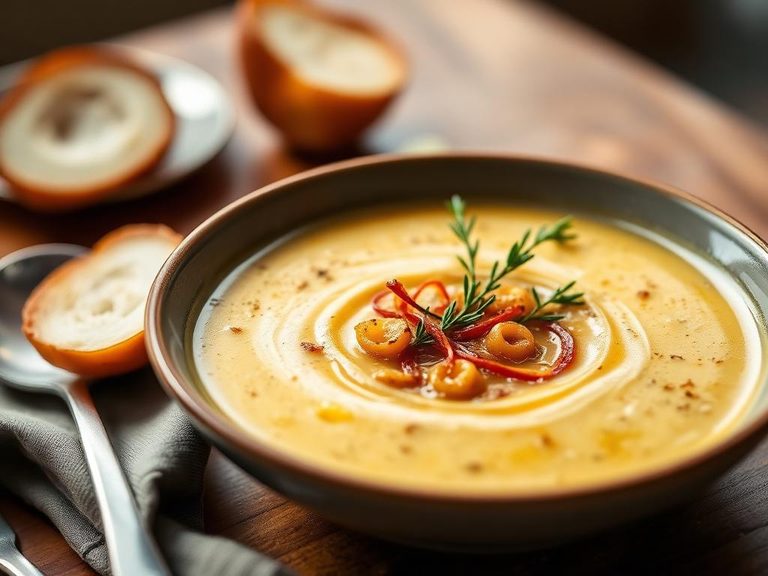
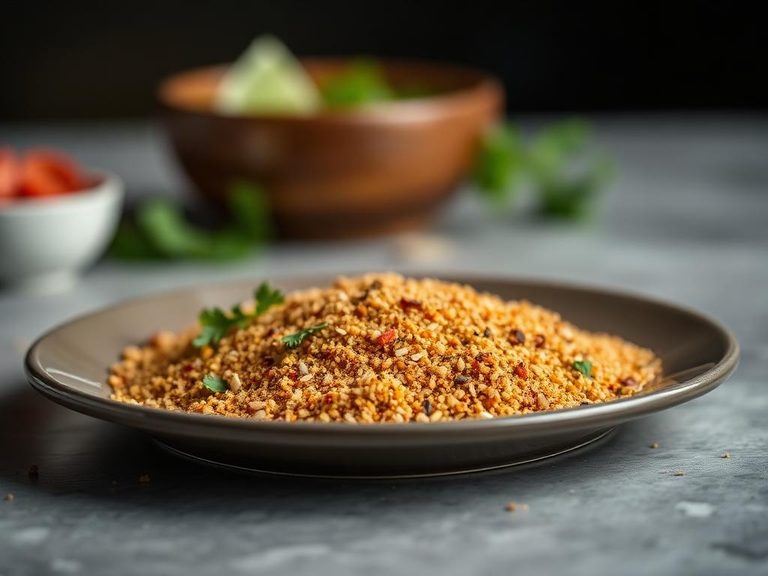
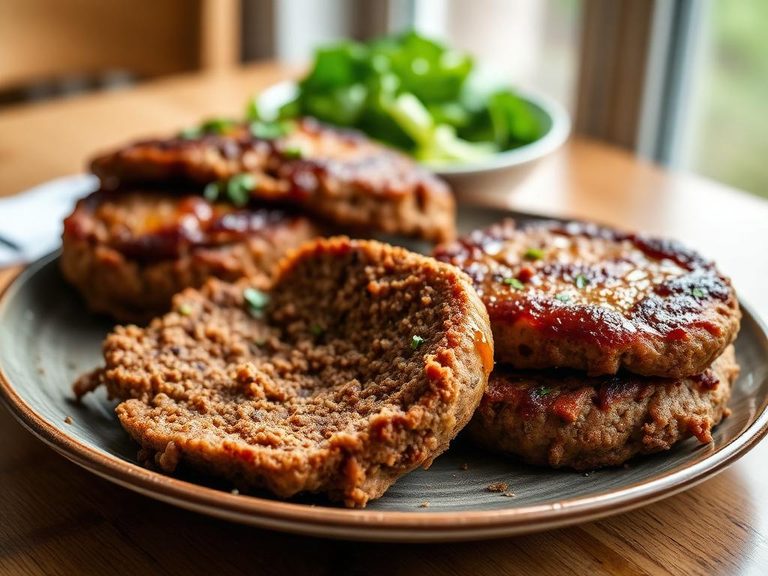
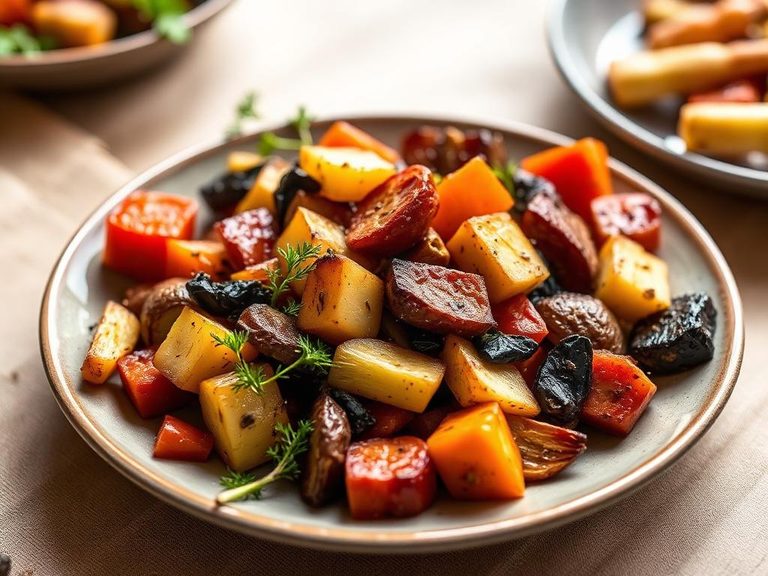
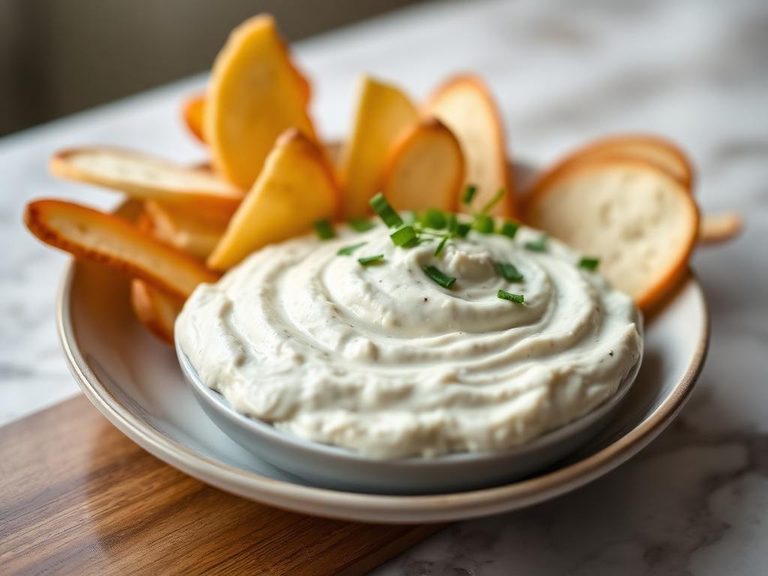
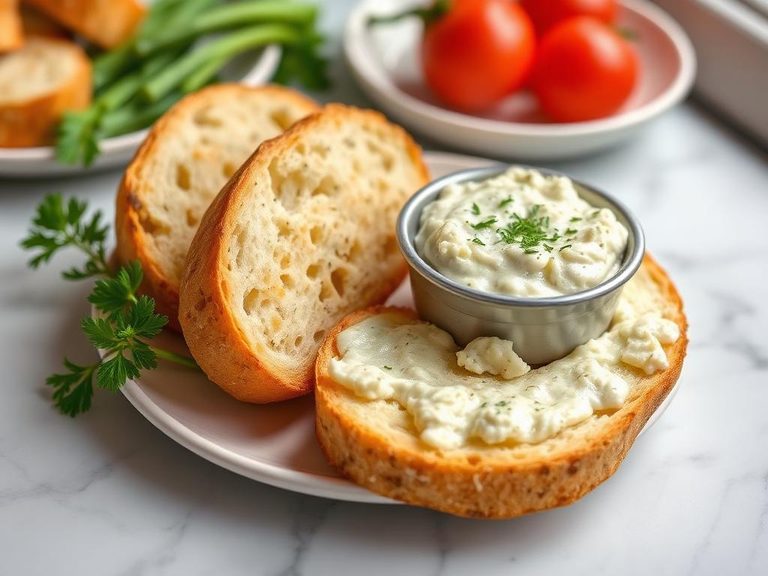
🌍 Where it's eaten
💡 Did you know?
The process of dehydrating onions concentrates their natural sugars, which is why onion powder can have a slightly sweet note that caramelizes beautifully when toasted in oil.
Full nutrition (USDA data · scales with serving)
| Water | 5.4 g |
| Energy | 341 kcal |
| Energy | 1429 kj |
| Protein | 10.4 g |
| Total lipid (fat) | 1.0 g |
| Ash | 4.0 g |
| Carbohydrate, by difference | 79.1 g |
| Fiber, total dietary | 15.2 g |
| Total Sugars | 6.6 g |
| Sucrose | 3.9 g |
| Glucose | 0.73 g |
| Fructose | 1.7 g |
| Lactose | 0.00 g |
| Maltose | 0.00 g |
| Galactose | 0.36 g |
| Calcium, Ca | 384 mg |
| Iron, Fe | 3.9 mg |
| Magnesium, Mg | 113 mg |
| Phosphorus, P | 322 mg |
| Potassium, K | 985 mg |
| Sodium, Na | 73.0 mg |
| Zinc, Zn | 4.0 mg |
| Copper, Cu | 0.59 mg |
| Manganese, Mn | 1.3 mg |
| Selenium, Se | 14.3 ug |
| Vitamin C, total ascorbic acid | 23.4 mg |
| Thiamin | 0.46 mg |
| Riboflavin | 0.08 mg |
| Niacin | 0.32 mg |
| Pantothenic acid | 0.73 mg |
| Vitamin B-6 | 0.72 mg |
| Folate, total | 64.0 ug |
| Folic acid | 0.00 ug |
| Folate, food | 64.0 ug |
| Folate, DFE | 64.0 ug |
| Choline, total | 39.0 mg |
| Betaine | 0.40 mg |
| Vitamin B-12 | 0.00 ug |
| Vitamin B-12, added | 0.00 ug |
| Vitamin A, RAE | 0.00 ug |
| Retinol | 0.00 ug |
| Carotene, beta | 0.00 ug |
| Carotene, alpha | 0.00 ug |
| Cryptoxanthin, beta | 0.00 ug |
| Vitamin A, IU | 0.00 iu |
| Lycopene | 0.00 ug |
| Lutein + zeaxanthin | 0.00 ug |
| Vitamin E (alpha-tocopherol) | 0.27 mg |
| Vitamin E, added | 0.00 mg |
| Tocopherol, beta | 0.00 mg |
| Tocopherol, gamma | 0.05 mg |
| Tocopherol, delta | 0.00 mg |
| Tocotrienol, alpha | 0.04 mg |
| Tocotrienol, beta | 0.00 mg |
| Tocotrienol, gamma | 0.00 mg |
| Tocotrienol, delta | 0.00 mg |
| Vitamin D (D2 + D3), International Units | 0.00 iu |
| Vitamin D (D2 + D3) | 0.00 ug |
| Vitamin K (phylloquinone) | 4.1 ug |
| Vitamin K (Dihydrophylloquinone) | 0.00 ug |
| Alcohol, ethyl | 0.00 g |
| Caffeine | 0.00 mg |
| Theobromine | 0.00 mg |
Fat & fatty acid profile (per 100g)
| Fatty acids, total saturated | 0.22 g |
| SFA 4:0 | 0.00 g |
| SFA 6:0 | 0.00 g |
| SFA 8:0 | 0.00 g |
| SFA 10:0 | 0.00 g |
| SFA 12:0 | 0.00 g |
| SFA 13:0 | 0.00 g |
| SFA 14:0 | 0.00 g |
| SFA 15:0 | 0.00 g |
| SFA 16:0 | 0.11 g |
| SFA 17:0 | 0.00 g |
| SFA 18:0 | 0.02 g |
| SFA 20:0 | 0.04 g |
| SFA 22:0 | 0.05 g |
| SFA 24:0 | 0.00 g |
| Fatty acids, total monounsaturated | 0.20 g |
| MUFA 14:1 | 0.00 g |
| MUFA 15:1 | 0.00 g |
| MUFA 16:1 | 0.00 g |
| MUFA 17:1 | 0.00 g |
| MUFA 18:1 | 0.20 g |
| MUFA 18:1 c | 0.20 g |
| MUFA 20:1 | 0.00 g |
| MUFA 22:1 | 0.00 g |
| MUFA 24:1 c | 0.00 g |
| Fatty acids, total polyunsaturated | 0.31 g |
| PUFA 18:2 | 0.25 g |
| PUFA 18:3 | 0.01 g |
| PUFA 18:3 n-3 c,c,c (ALA) | 0.01 g |
| PUFA 18:3 n-6 c,c,c | 0.00 g |
| PUFA 18:4 | 0.00 g |
| PUFA 20:2 n-6 c,c | 0.00 g |
| PUFA 20:3 | 0.00 g |
| PUFA 20:4 | 0.04 g |
| PUFA 20:5 n-3 (EPA) | 0.00 g |
| PUFA 22:5 n-3 (DPA) | 0.00 g |
| PUFA 22:6 n-3 (DHA) | 0.00 g |
| Fatty acids, total trans | 0.00 g |
| TFA 18:1 t | 0.00 g |
| Cholesterol | 0.00 mg |
| Phytosterols | 87.0 mg |
Amino acid profile (per 100g)
| Tryptophan | 0.06 g |
| Threonine | 0.14 g |
| Isoleucine | 0.14 g |
| Leucine | 0.22 g |
| Lysine | 0.49 g |
| Methionine | 0.09 g |
| Cystine | 0.08 g |
| Phenylalanine | 0.28 g |
| Tyrosine | 0.13 g |
| Valine | 0.17 g |
| Arginine | 1.9 g |
| Histidine | 0.16 g |
| Alanine | 0.18 g |
| Aspartic acid | 0.66 g |
| Glutamic acid | 2.1 g |
| Glycine | 0.27 g |
| Proline | 0.69 g |
| Serine | 0.14 g |
FAQ
How does onion powder compare nutritionally to fresh onions?
Onion powder is far more calorie- and nutrient-dense by weight. While 100g of fresh onion has about 40 calories, 100g of powder has 341. This is because the water is removed, concentrating the carbs, fiber, and flavor compounds. A teaspoon of powder (approx. 3g) is roughly equivalent in flavor to one small fresh onion.
Can onion powder go bad?
Yes, it loses potency over time. While it won't spoil in a dangerous way, its flavor and aroma will fade significantly after about 6 months. Store it in a cool, dark place in an airtight container. If it smells like nothing or has clumped, it's time to replace it.
Is onion powder a good source of vitamins?
It contains some B vitamins and minerals like potassium, but the primary nutritional benefit comes from its high fiber content and antioxidant compounds like quercetin. For significant vitamin intake, fresh vegetables are a better choice.
Nutrient density (calculated · NRF9.3)
Nutrient Rich Foods index: beneficial nutrients (protein, fiber, vitamins, minerals) minus saturated fat, added sugar & sodium, per 100 kcal.
NRF9.3 index — Fulgoni, Keast & Drewnowski, 2009. Computed from USDA nutrients.
Weight-loss friendliness (composite index)
Energy density 3.41 kcal/g · 12% calories from protein · 15.2 g fiber · 6.6 g sugar per 100 g.
Composite of energy density (Rolls et al., 1999), protein & fiber satiety, minus sugar. A calculated heuristic — ranks satiety-per-calorie, not a clinical measure.
Dietary load (calculated from USDA values)
Potential renal acid load. Positive = acid-forming, negative = alkaline-forming.
Sodium-to-potassium ratio: 0.07 (lower is better — aim for ≤ 1)
Sodium:potassium per WHO potassium guidance. Computed from USDA nutrients.