

Sapote, mamey, raw
Whole food · Fruits and Fruit Juices

Photo: Wikipedia
The mamey sapote is a large, oval fruit with a rough, brown skin and vibrant salmon-orange flesh. Its texture is uniquely creamy and smooth, often described as a blend of avocado and sweet potato, with a rich, sweet flavor reminiscent of pumpkin, almond, and honey. Nutritionally, it's a standout source of dietary fiber and natural sugars, providing a quick energy boost.
Calorie split: 4% protein · 93% carbs · 3% fat
↓ Full nutrition💚 Why it's loved
People adore the mamey for its luxuriously smooth, ice-cream-like texture and deeply sweet, complex flavor that feels indulgent yet wholesome. It's a beloved staple in Caribbean and Latin American cultures, enjoyed fresh or as the star ingredient in iconic desserts and drinks.
⚠️ Watch-outs & how to enjoy it better
Its high natural sugar content (20.14g per 100g) can cause rapid blood sugar spikes, making portion control important for those monitoring glucose levels. To counteract this, pair a small serving with a source of protein (like a handful of nuts) or healthy fat (like a dollop of Greek yogurt) to slow sugar absorption.
Key benefits
- Excellent source of dietary fiber (5.4g per 100g).
- Rich in natural sugars for quick, sustained energy.
- Contains notable amounts of Vitamin A and Vitamin C.
- Provides potassium, which supports heart and muscle function.
- Naturally low in fat and sodium.
🍽️ Popular dishes
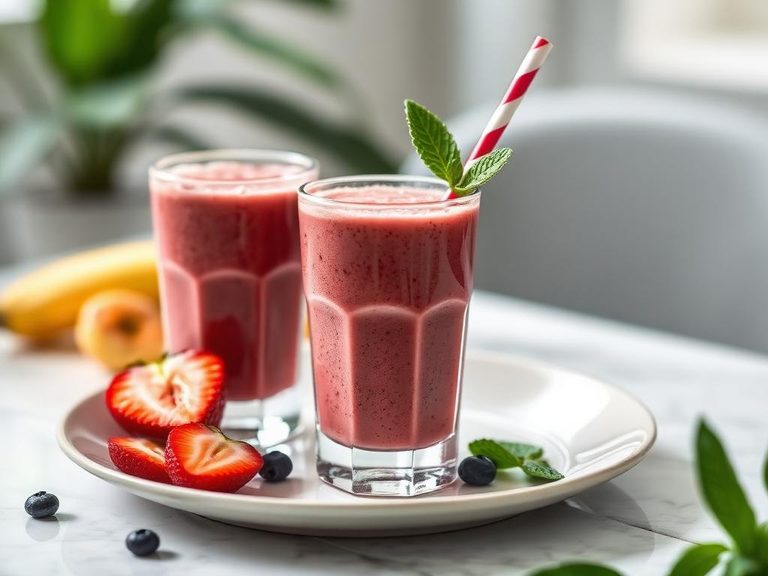
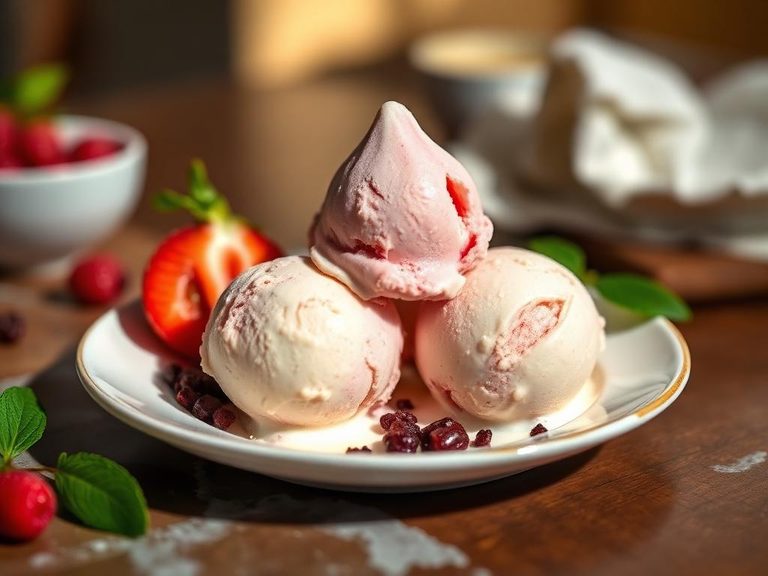
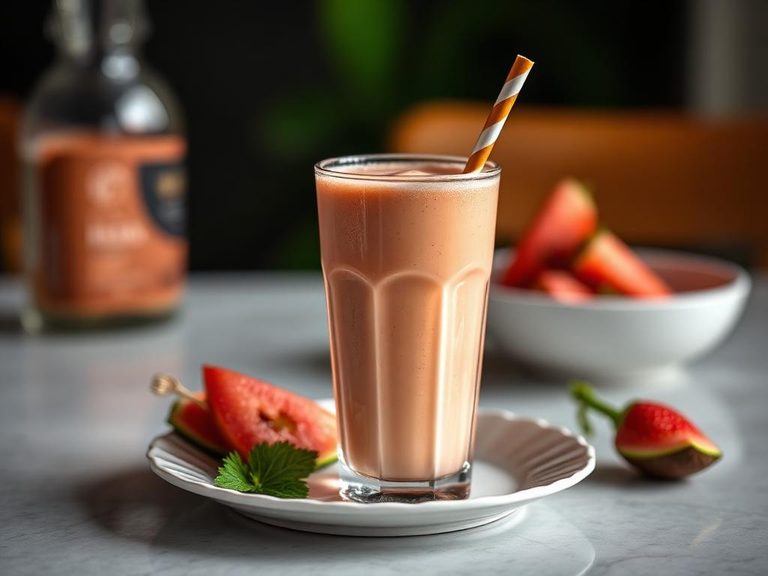
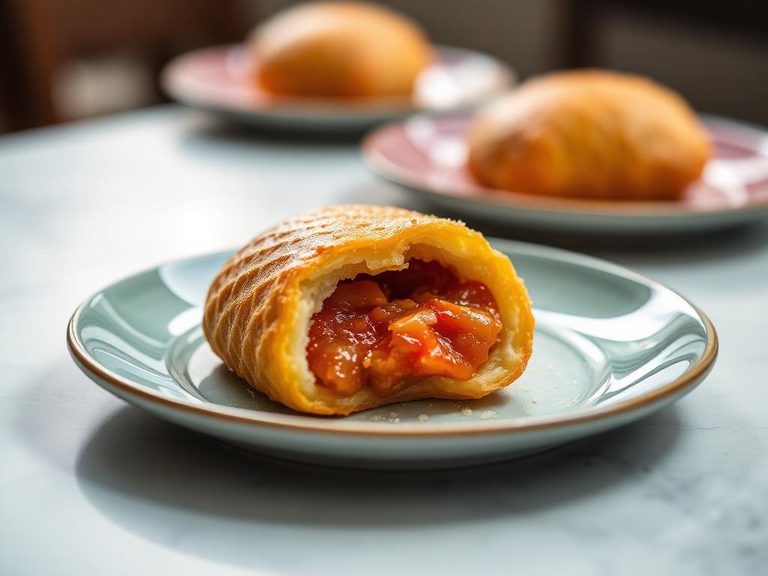
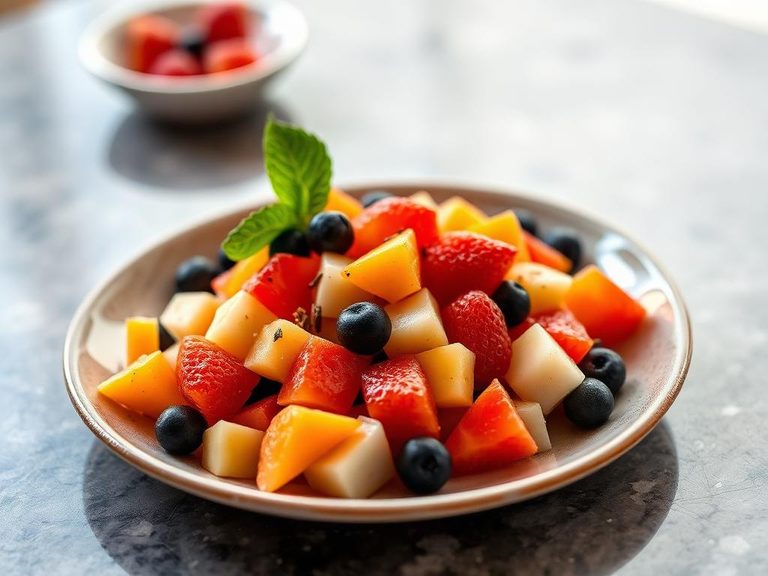
🌍 Where it's eaten
💡 Did you know?
The seed of the mamey sapote is not only edible when roasted but is also traditionally used in some cultures to flavor chocolate drinks and even as a coffee substitute.
Full nutrition (USDA data · scales with serving)
| Water | 64.9 g |
| Energy | 124 kcal |
| Energy | 520 kj |
| Protein | 1.4 g |
| Total lipid (fat) | 0.46 g |
| Ash | 1.1 g |
| Carbohydrate, by difference | 32.1 g |
| Fiber, total dietary | 5.4 g |
| Total Sugars | 20.1 g |
| Sucrose | 4.1 g |
| Glucose | 8.0 g |
| Fructose | 7.7 g |
| Lactose | 0.00 g |
| Maltose | 0.38 g |
| Galactose | 0.00 g |
| Starch | 6.3 g |
| Calcium, Ca | 18.0 mg |
| Iron, Fe | 0.78 mg |
| Magnesium, Mg | 11.0 mg |
| Phosphorus, P | 26.0 mg |
| Potassium, K | 454 mg |
| Sodium, Na | 7.0 mg |
| Zinc, Zn | 0.19 mg |
| Copper, Cu | 0.21 mg |
| Manganese, Mn | 0.20 mg |
| Vitamin C, total ascorbic acid | 23.0 mg |
| Thiamin | 0.01 mg |
| Riboflavin | 0.12 mg |
| Niacin | 1.4 mg |
| Pantothenic acid | 0.40 mg |
| Vitamin B-6 | 0.72 mg |
| Folate, total | 7.0 ug |
| Folate, food | 7.0 ug |
| Vitamin B-12 | 0.00 ug |
| Vitamin A, RAE | 7.0 ug |
| Retinol | 0.00 ug |
| Carotene, beta | 82.0 ug |
| Carotene, alpha | 0.00 ug |
| Cryptoxanthin, beta | 7.0 ug |
| Vitamin A, IU | 143 iu |
| Lycopene | 199 ug |
| Lutein + zeaxanthin | 204 ug |
| Vitamin E (alpha-tocopherol) | 2.1 mg |
| Tocopherol, beta | 0.00 mg |
| Tocopherol, gamma | 0.00 mg |
| Tocopherol, delta | 0.00 mg |
| Tocotrienol, alpha | 0.36 mg |
| Tocotrienol, beta | 0.00 mg |
| Tocotrienol, gamma | 0.00 mg |
| Tocotrienol, delta | 0.00 mg |
Fat & fatty acid profile (per 100g)
| Fatty acids, total saturated | 0.17 g |
| SFA 8:0 | 0.00 g |
| SFA 10:0 | 0.01 g |
| SFA 12:0 | 0.01 g |
| SFA 14:0 | 0.01 g |
| SFA 15:0 | 0.00 g |
| SFA 16:0 | 0.10 g |
| SFA 17:0 | 0.00 g |
| SFA 18:0 | 0.02 g |
| SFA 20:0 | 0.00 g |
| SFA 22:0 | 0.00 g |
| SFA 24:0 | 0.00 g |
| Fatty acids, total monounsaturated | 0.10 g |
| MUFA 14:1 | 0.00 g |
| MUFA 15:1 | 0.00 g |
| MUFA 16:1 | 0.00 g |
| MUFA 16:1 c | 0.00 g |
| MUFA 17:1 | 0.00 g |
| MUFA 18:1 | 0.10 g |
| MUFA 18:1 c | 0.10 g |
| MUFA 20:1 | 0.00 g |
| MUFA 22:1 | 0.00 g |
| MUFA 22:1 c | 0.00 g |
| MUFA 24:1 c | 0.00 g |
| Fatty acids, total polyunsaturated | 0.10 g |
| PUFA 18:2 | 0.01 g |
| PUFA 18:2 n-6 c,c | 0.01 g |
| PUFA 18:2 CLAs | 0.00 g |
| PUFA 18:3 | 0.08 g |
| PUFA 18:3 n-3 c,c,c (ALA) | 0.08 g |
| PUFA 18:3 n-6 c,c,c | 0.00 g |
| PUFA 18:4 | 0.00 g |
| PUFA 20:2 n-6 c,c | 0.00 g |
| PUFA 20:3 | 0.00 g |
| PUFA 20:3 n-3 | 0.00 g |
| PUFA 20:3 n-6 | 0.00 g |
| PUFA 20:4 | 0.00 g |
| PUFA 20:5 n-3 (EPA) | 0.00 g |
| PUFA 22:4 | 0.00 g |
| PUFA 22:5 n-3 (DPA) | 0.00 g |
| PUFA 22:6 n-3 (DHA) | 0.00 g |
| Fatty acids, total trans | 0.00 g |
| Fatty acids, total trans-monoenoic | 0.00 g |
| TFA 16:1 t | 0.00 g |
| TFA 18:1 t | 0.00 g |
| TFA 22:1 t | 0.00 g |
| TFA 18:2 t not further defined | 0.00 g |
| Fatty acids, total trans-polyenoic | 0.00 g |
| Cholesterol | 0.00 mg |
Amino acid profile (per 100g)
| Tryptophan | 0.05 g |
| Threonine | 0.09 g |
| Isoleucine | 0.06 g |
| Leucine | 0.07 g |
| Lysine | 0.07 g |
| Methionine | 0.02 g |
| Cystine | 0.01 g |
| Phenylalanine | 0.06 g |
| Tyrosine | 0.05 g |
| Valine | 0.07 g |
| Arginine | 0.05 g |
| Histidine | 0.05 g |
| Alanine | 0.07 g |
| Aspartic acid | 0.15 g |
| Glutamic acid | 0.15 g |
| Glycine | 0.07 g |
| Proline | 0.09 g |
| Serine | 0.20 g |
FAQ
How do I know when a mamey is ripe?
A ripe mamey will yield to gentle pressure, similar to an avocado. The skin may also feel slightly loose, and you might detect a sweet, fragrant aroma at the stem end.
Can I eat the skin or seed?
No, the rough brown skin is inedible. The large black seed is also not eaten raw but can be roasted and used in traditional recipes.
What's the best way to store it?
Whole, unripe mamey should be kept at room temperature. Once ripe, it can be refrigerated for a few days. Peeled flesh freezes exceptionally well for smoothies.
Nutrient density (calculated · NRF9.3)
Nutrient Rich Foods index: beneficial nutrients (protein, fiber, vitamins, minerals) minus saturated fat, added sugar & sodium, per 100 kcal.
NRF9.3 index — Fulgoni, Keast & Drewnowski, 2009. Computed from USDA nutrients.
Weight-loss friendliness (composite index)
Energy density 1.24 kcal/g · 5% calories from protein · 5.4 g fiber · 20.1 g sugar per 100 g.
Composite of energy density (Rolls et al., 1999), protein & fiber satiety, minus sugar. A calculated heuristic — ranks satiety-per-calorie, not a clinical measure.
Dietary load (calculated from USDA values)
Potential renal acid load. Positive = acid-forming, negative = alkaline-forming.
Sodium-to-potassium ratio: 0.02 (lower is better — aim for ≤ 1)
Sodium:potassium per WHO potassium guidance. Computed from USDA nutrients.