

Pork, cured, ham, separable fat, boneless, heated
Whole food · Pork Products

Photo: Wikipedia
This is the rendered, separable fat from a cured ham, often called 'ham fat' or 'pork back fat' from a ham. When heated, it becomes soft, silky, and intensely savory, with a rich, salty, and slightly smoky pork flavor. Nutritionally, it is almost pure fat, providing a dense source of calories (507 kcal per 100g) with negligible protein or carbohydrates.
Calorie split: 7% protein · 2% carbs · 92% fat
↓ Full nutrition💚 Why it's loved
People love it for its unparalleled ability to add a deep, savory, umami-rich pork flavor and luxurious mouthfeel to dishes. It's a cornerstone of charcuterie and a traditional flavor base in many cuisines.
⚠️ Watch-outs & how to enjoy it better
As it is nearly 100% fat, it is extremely calorie-dense and high in saturated fat, making it unsuitable for low-fat diets or those managing heart health. It is also very high in sodium due to the curing process. To enjoy it, practice strict portion control and use it primarily as a flavoring agent rather than a main component, pairing it with large servings of vegetables or lean proteins.
Key benefits
- Excellent source of dietary fat for energy and satiety.
- High in monounsaturated fats, similar to olive oil.
- Adds profound depth of flavor to dishes.
- Can be rendered into a versatile cooking fat.
- Traditional ingredient for enriching and preserving foods.
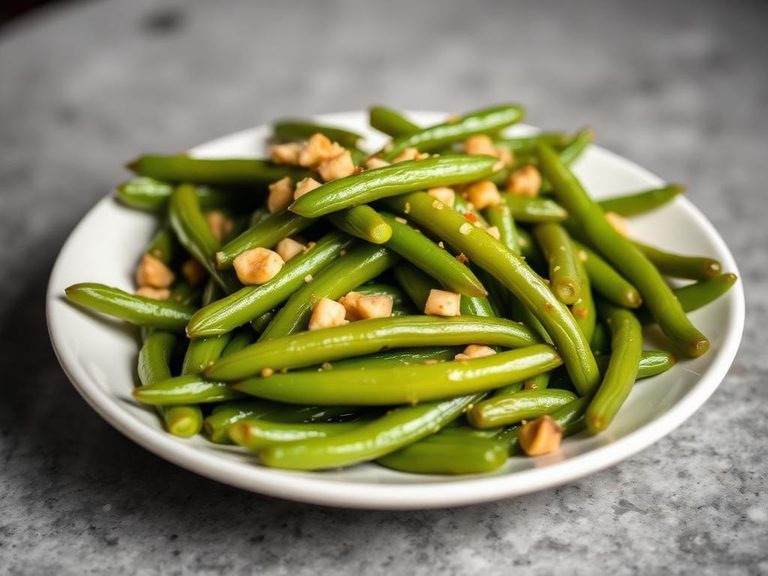
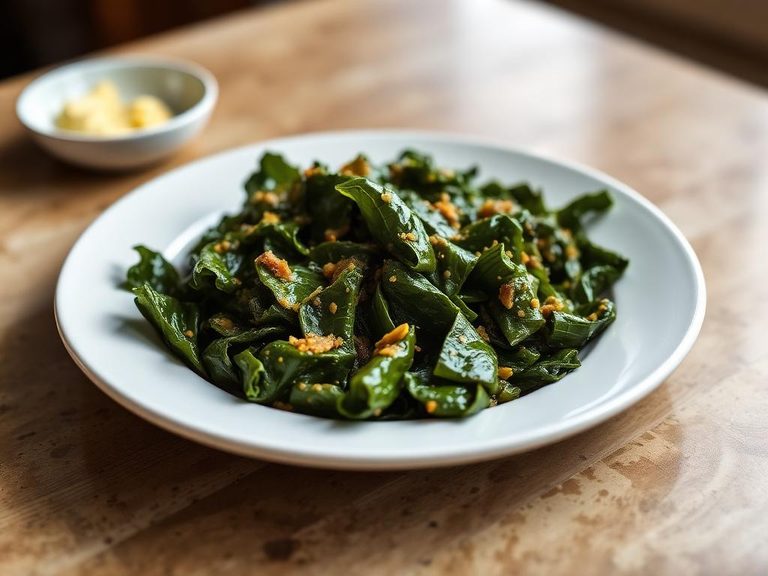
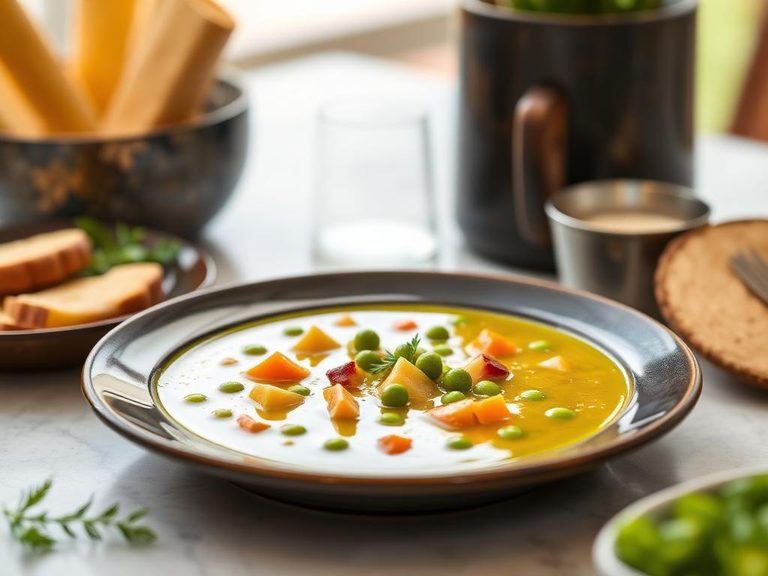
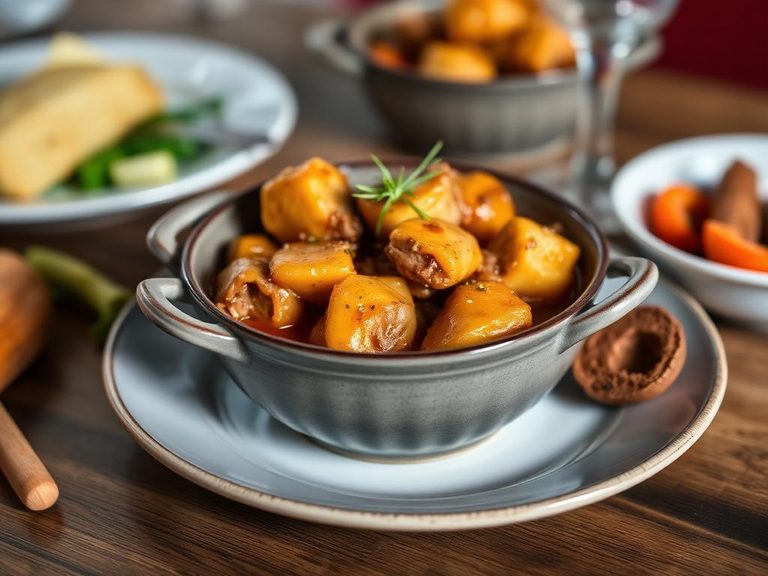
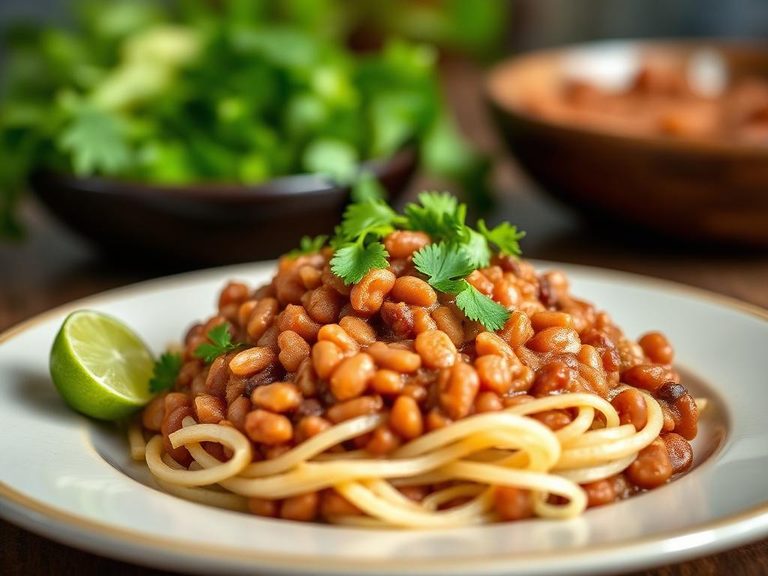
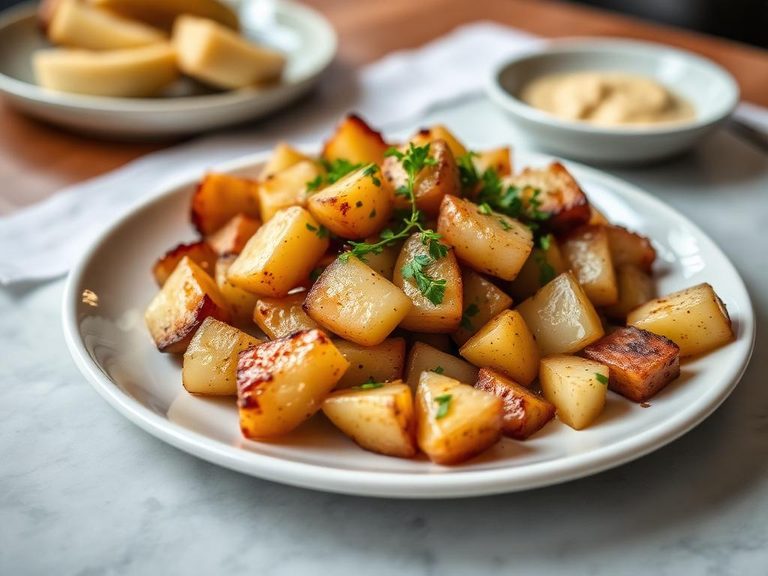
🍽️ Popular dishes
🌍 Where it's eaten
💡 Did you know?
Rendering this fat is a traditional method of preserving it; the resulting liquid fat, once strained and cooled, was historically stored in crocks and used as a primary cooking fat for months.
Full nutrition (USDA data · scales with serving)
| Water | 35.5 g |
| Energy | 507 kcal |
| Energy | 2122 kj |
| Protein | 8.8 g |
| Total lipid (fat) | 51.6 g |
| Ash | 2.2 g |
| Carbohydrate, by difference | 2.0 g |
| Fiber, total dietary | 0.00 g |
| Total Sugars | 0.28 g |
| Sucrose | 0.00 g |
| Glucose | 0.28 g |
| Fructose | 0.00 g |
| Lactose | 0.00 g |
| Maltose | 0.00 g |
| Galactose | 0.00 g |
| Calcium, Ca | 6.0 mg |
| Iron, Fe | 0.53 mg |
| Magnesium, Mg | 16.0 mg |
| Phosphorus, P | 169 mg |
| Potassium, K | 195 mg |
| Sodium, Na | 677 mg |
| Zinc, Zn | 1.1 mg |
| Copper, Cu | 0.33 mg |
| Manganese, Mn | 0.02 mg |
| Selenium, Se | 16.0 ug |
| Vitamin C, total ascorbic acid | 0.00 mg |
| Thiamin | 0.28 mg |
| Riboflavin | 0.10 mg |
| Niacin | 3.1 mg |
| Pantothenic acid | 0.41 mg |
| Vitamin B-6 | 0.20 mg |
| Folate, total | 1.0 ug |
| Folic acid | 0.00 ug |
| Folate, food | 1.0 ug |
| Folate, DFE | 1.0 ug |
| Vitamin B-12 | 0.31 ug |
| Vitamin B-12, added | 0.00 ug |
| Vitamin A, RAE | 12.0 ug |
| Retinol | 12.0 ug |
| Carotene, beta | 0.00 ug |
| Carotene, alpha | 0.00 ug |
| Cryptoxanthin, beta | 0.00 ug |
| Vitamin A, IU | 42.0 iu |
| Lycopene | 0.00 ug |
| Lutein + zeaxanthin | 0.00 ug |
| Vitamin E (alpha-tocopherol) | 0.35 mg |
| Vitamin E, added | 0.00 mg |
| Tocopherol, beta | 0.01 mg |
| Tocopherol, gamma | 0.12 mg |
| Tocopherol, delta | 0.02 mg |
| Tocotrienol, alpha | 0.05 mg |
| Tocotrienol, beta | 0.00 mg |
| Tocotrienol, gamma | 0.07 mg |
| Tocotrienol, delta | 0.00 mg |
| Vitamin D (D2 + D3), International Units | 75.0 iu |
| Vitamin D (D2 + D3) | 1.9 ug |
| Vitamin D3 (cholecalciferol) | 1.9 ug |
| Alcohol, ethyl | 0.00 g |
| Caffeine | 0.00 mg |
| Theobromine | 0.00 mg |
Fat & fatty acid profile (per 100g)
| Fatty acids, total saturated | 17.0 g |
| SFA 4:0 | 0.00 g |
| SFA 6:0 | 0.00 g |
| SFA 8:0 | 0.00 g |
| SFA 10:0 | 0.05 g |
| SFA 12:0 | 0.05 g |
| SFA 14:0 | 0.63 g |
| SFA 15:0 | 0.00 g |
| SFA 16:0 | 10.9 g |
| SFA 17:0 | 0.14 g |
| SFA 18:0 | 5.1 g |
| SFA 20:0 | 0.09 g |
| SFA 22:0 | 0.05 g |
| Fatty acids, total monounsaturated | 23.8 g |
| MUFA 14:1 | 0.00 g |
| MUFA 15:1 | 0.00 g |
| MUFA 16:1 | 1.3 g |
| MUFA 17:1 | 0.00 g |
| MUFA 18:1 | 22.1 g |
| MUFA 18:1 c | 21.9 g |
| MUFA 20:1 | 0.40 g |
| MUFA 22:1 | 0.00 g |
| Fatty acids, total polyunsaturated | 6.5 g |
| PUFA 18:2 | 5.8 g |
| PUFA 18:2 n-6 c,c | 5.5 g |
| PUFA 18:2 CLAs | 0.15 g |
| PUFA 18:3 | 0.27 g |
| PUFA 18:3 n-3 c,c,c (ALA) | 0.27 g |
| PUFA 18:3 n-6 c,c,c | 0.00 g |
| PUFA 18:4 | 0.00 g |
| PUFA 20:2 n-6 c,c | 0.26 g |
| PUFA 20:3 | 0.00 g |
| PUFA 20:4 | 0.12 g |
| PUFA 20:5 n-3 (EPA) | 0.00 g |
| PUFA 22:5 n-3 (DPA) | 0.00 g |
| PUFA 22:6 n-3 (DHA) | 0.00 g |
| Fatty acids, total trans | 0.37 g |
| Fatty acids, total trans-monoenoic | 0.23 g |
| TFA 18:1 t | 0.23 g |
| TFA 18:2 t,t | 0.14 g |
| Fatty acids, total trans-polyenoic | 0.14 g |
| Cholesterol | 72.0 mg |
Amino acid profile (per 100g)
| Tryptophan | 0.06 g |
| Threonine | 0.34 g |
| Isoleucine | 0.35 g |
| Leucine | 0.63 g |
| Lysine | 0.63 g |
| Methionine | 0.18 g |
| Cystine | 0.10 g |
| Phenylalanine | 0.32 g |
| Tyrosine | 0.24 g |
| Valine | 0.42 g |
| Arginine | 0.53 g |
| Histidine | 0.38 g |
| Alanine | 0.54 g |
| Aspartic acid | 0.75 g |
| Glutamic acid | 1.2 g |
| Glycine | 0.67 g |
| Proline | 0.43 g |
| Serine | 0.33 g |
| Hydroxyproline | 0.06 g |
FAQ
What is the difference between ham fat and regular pork lard?
Ham fat comes specifically from the cured ham, so it has a distinct salty, smoky, and deeply porky flavor from the curing and aging process. Regular lard is rendered from fresh pork fat (usually back fat) and has a much milder, neutral pork flavor.
Can I use this to fry eggs?
Absolutely. Rendering it into a clear liquid and using it to fry eggs or potatoes will impart a wonderful savory, bacon-like flavor. Be aware it has a lower smoke point than many refined oils.
How do I store it?
Solid pieces can be wrapped tightly and frozen for months. Rendered liquid fat should be strained into a clean jar and refrigerated, where it will keep for several weeks, or frozen for longer storage.
Nutrient density (calculated · NRF9.3)
Nutrient Rich Foods index: beneficial nutrients (protein, fiber, vitamins, minerals) minus saturated fat, added sugar & sodium, per 100 kcal.
NRF9.3 index — Fulgoni, Keast & Drewnowski, 2009. Computed from USDA nutrients.
Weight-loss friendliness (composite index)
Energy density 5.07 kcal/g · 7% calories from protein · 0.0 g fiber · 0.3 g sugar per 100 g.
Composite of energy density (Rolls et al., 1999), protein & fiber satiety, minus sugar. A calculated heuristic — ranks satiety-per-calorie, not a clinical measure.
Dietary load (calculated from USDA values)
Potential renal acid load. Positive = acid-forming, negative = alkaline-forming.
Sodium-to-potassium ratio: 3.47 (lower is better — aim for ≤ 1)
Sodium:potassium per WHO potassium guidance. Computed from USDA nutrients.