

Mushrooms, morel, raw
Whole food · Vegetables and Vegetable Products

Photo: Wikipedia
The morel is a wild, honeycomb-capped mushroom prized for its earthy, nutty, and subtly smoky flavor with a meaty, slightly chewy texture. It is a low-calorie, nutrient-dense food that provides a notable amount of protein and dietary fiber relative to its weight. Its unique, honeycomb structure makes it a culinary icon, especially in spring foraging seasons.
Calorie split: 33% protein · 54% carbs · 13% fat
↓ Full nutrition💚 Why it's loved
People love morels for their intensely savory, umami-rich flavor that is often described as nutty and woodsy, a taste that elevates simple dishes to gourmet status. Their unique, honeycomb appearance and status as a foraged delicacy also make them a celebrated seasonal ingredient in culinary culture.
⚠️ Watch-outs & how to enjoy it better
Raw morels contain trace amounts of hydrazine toxins, which are neutralized by proper cooking; consuming them raw can cause mild gastrointestinal distress. Their porous structure can also harbor small insects, so thorough cleaning is essential. To counteract this, always cook morels thoroughly (sautéing, roasting, or simmering) and clean them by soaking in salted water and gently brushing to remove debris.
Key benefits
- Excellent source of dietary fiber (2.8g per 100g).
- Provides a good plant-based protein source (3.12g per 100g).
- Very low in fat (0.57g per 100g).
- Rich in antioxidants and essential minerals like iron and copper.
- Low in calories, making it a nutrient-dense addition to meals.
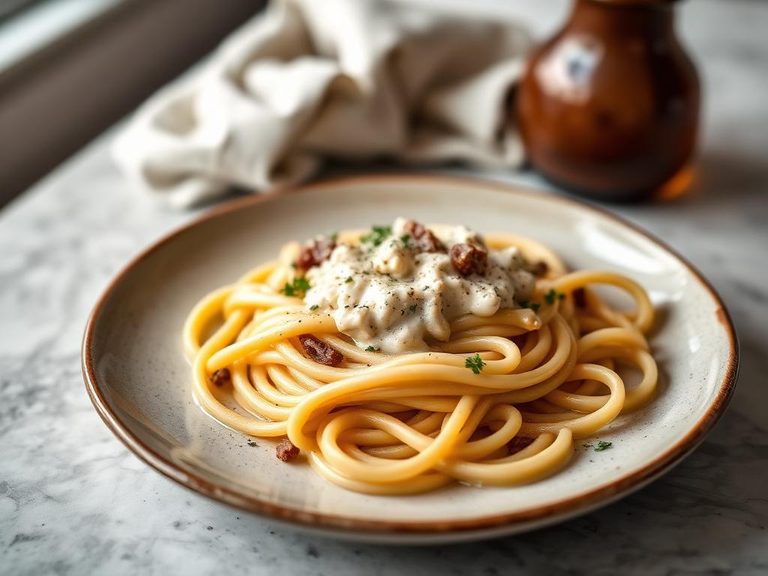
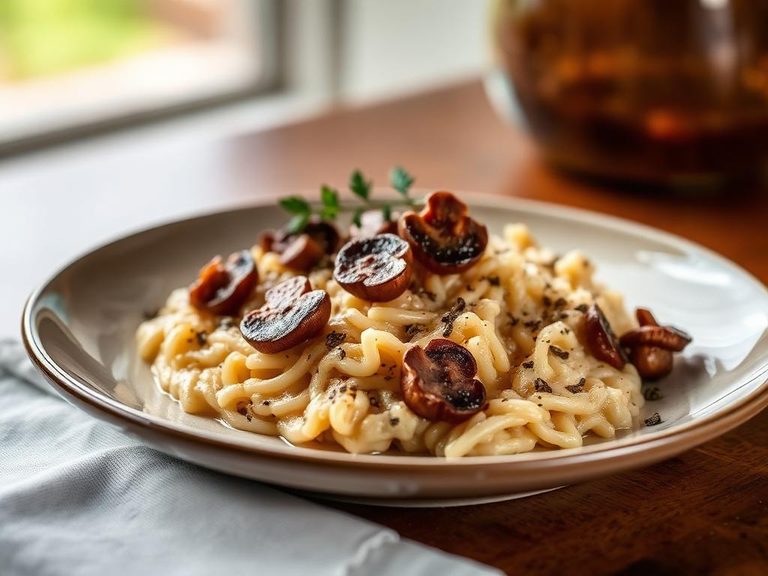
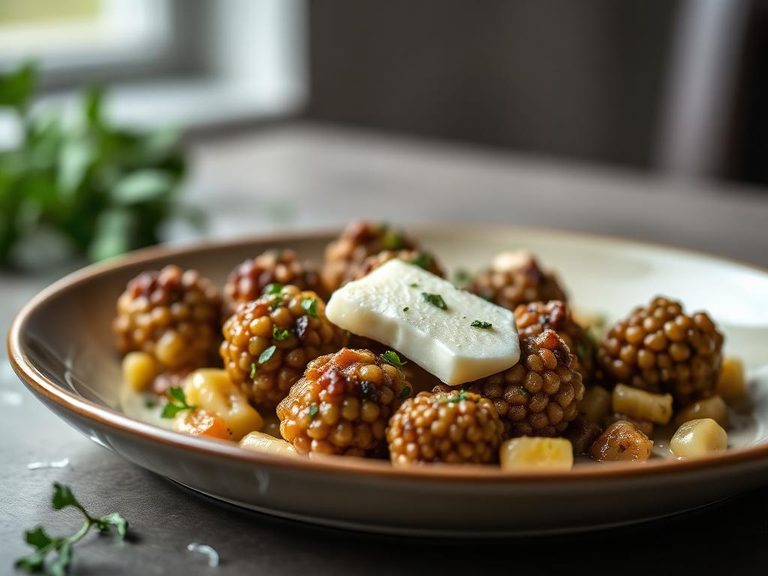
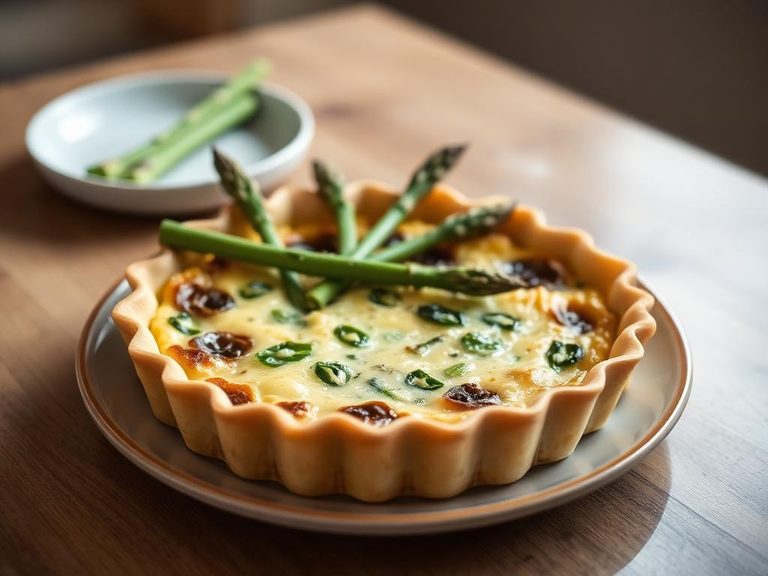
🍽️ Popular dishes
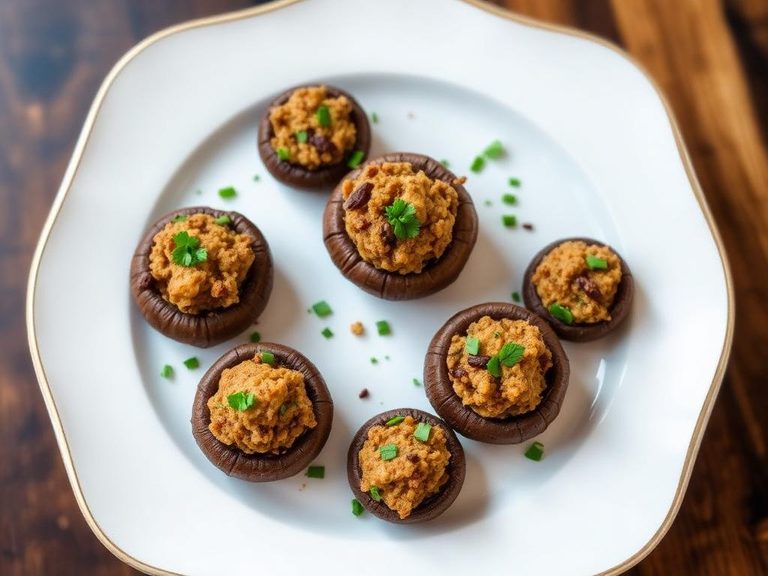
🌍 Where it's eaten
💡 Did you know?
Morel mushrooms are one of the few fungi that are not cultivated commercially on a large scale; the vast majority of morels sold are foraged from the wild, making them a true seasonal delicacy.
Full nutrition (USDA data · scales with serving)
| Water | 89.6 g |
| Energy | 31.0 kcal |
| Energy | 129 kj |
| Protein | 3.1 g |
| Total lipid (fat) | 0.57 g |
| Ash | 1.6 g |
| Carbohydrate, by difference | 5.1 g |
| Fiber, total dietary | 2.8 g |
| Total Sugars | 0.60 g |
| Sucrose | 0.00 g |
| Glucose | 0.60 g |
| Fructose | 0.00 g |
| Lactose | 0.00 g |
| Maltose | 0.00 g |
| Galactose | 0.00 g |
| Calcium, Ca | 43.0 mg |
| Iron, Fe | 12.2 mg |
| Magnesium, Mg | 19.0 mg |
| Phosphorus, P | 194 mg |
| Potassium, K | 411 mg |
| Sodium, Na | 21.0 mg |
| Zinc, Zn | 2.0 mg |
| Copper, Cu | 0.63 mg |
| Manganese, Mn | 0.59 mg |
| Selenium, Se | 2.2 ug |
| Thiamin | 0.07 mg |
| Riboflavin | 0.20 mg |
| Niacin | 2.3 mg |
| Pantothenic acid | 0.44 mg |
| Vitamin B-6 | 0.14 mg |
| Folate, total | 9.0 ug |
| Folic acid | 0.00 ug |
| Folate, food | 9.0 ug |
| Folate, DFE | 9.0 ug |
| Vitamin A, RAE | 0.00 ug |
| Carotene, beta | 0.00 ug |
| Carotene, alpha | 0.00 ug |
| Cryptoxanthin, beta | 0.00 ug |
| Vitamin A, IU | 0.00 iu |
| Lycopene | 0.00 ug |
| Lutein + zeaxanthin | 0.00 ug |
| Vitamin D (D2 + D3), International Units | 206 iu |
| Vitamin D (D2 + D3) | 5.1 ug |
| Vitamin D2 (ergocalciferol) | 5.1 ug |
| Vitamin D3 (cholecalciferol) | 0.00 ug |
Fat & fatty acid profile (per 100g)
| Fatty acids, total saturated | 0.07 g |
| SFA 6:0 | 0.00 g |
| SFA 8:0 | 0.00 g |
| SFA 10:0 | 0.00 g |
| SFA 12:0 | 0.00 g |
| SFA 14:0 | 0.00 g |
| SFA 15:0 | 0.00 g |
| SFA 16:0 | 0.05 g |
| SFA 17:0 | 0.00 g |
| SFA 18:0 | 0.01 g |
| SFA 20:0 | 0.00 g |
| SFA 22:0 | 0.00 g |
| SFA 24:0 | 0.00 g |
| Fatty acids, total monounsaturated | 0.05 g |
| MUFA 14:1 | 0.00 g |
| MUFA 15:1 | 0.00 g |
| MUFA 16:1 | 0.00 g |
| MUFA 16:1 c | 0.00 g |
| MUFA 17:1 | 0.00 g |
| MUFA 18:1 | 0.02 g |
| MUFA 18:1 c | 0.02 g |
| MUFA 20:1 | 0.00 g |
| MUFA 22:1 | 0.00 g |
| MUFA 22:1 c | 0.00 g |
| MUFA 24:1 c | 0.00 g |
| Fatty acids, total polyunsaturated | 0.43 g |
| PUFA 18:2 | 0.21 g |
| PUFA 18:2 n-6 c,c | 0.21 g |
| PUFA 18:2 CLAs | 0.00 g |
| PUFA 18:3 | 0.00 g |
| PUFA 18:3 n-3 c,c,c (ALA) | 0.00 g |
| PUFA 18:3 n-6 c,c,c | 0.00 g |
| PUFA 18:4 | 0.00 g |
| PUFA 20:2 n-6 c,c | 0.00 g |
| PUFA 20:3 | 0.00 g |
| PUFA 20:3 n-3 | 0.00 g |
| PUFA 20:3 n-6 | 0.00 g |
| PUFA 20:4 | 0.00 g |
| PUFA 20:5 n-3 (EPA) | 0.00 g |
| PUFA 22:4 | 0.00 g |
| PUFA 22:5 n-3 (DPA) | 0.00 g |
| PUFA 22:6 n-3 (DHA) | 0.00 g |
| Fatty acids, total trans | 0.00 g |
| Fatty acids, total trans-monoenoic | 0.00 g |
| TFA 16:1 t | 0.00 g |
| TFA 18:1 t | 0.00 g |
| TFA 22:1 t | 0.00 g |
| TFA 18:2 t not further defined | 0.00 g |
| Fatty acids, total trans-polyenoic | 0.00 g |
| Stigmasterol | 0.00 mg |
| Campesterol | 3.0 mg |
| Beta-sitosterol | 0.00 mg |
Amino acid profile (per 100g)
Estimated from Mushrooms, brown, italian, or crimini, raw — USDA does not publish this profile for Mushrooms.
| Tryptophan | 0.06 g |
| Threonine | 0.11 g |
| Isoleucine | 0.10 g |
| Leucine | 0.15 g |
| Lysine | 0.25 g |
| Methionine | 0.05 g |
| Cystine | 0.01 g |
| Phenylalanine | 0.10 g |
| Tyrosine | 0.05 g |
| Valine | 0.12 g |
| Arginine | 0.12 g |
| Histidine | 0.07 g |
| Alanine | 0.19 g |
| Aspartic acid | 0.23 g |
| Glutamic acid | 0.43 g |
| Glycine | 0.11 g |
| Proline | 0.18 g |
| Serine | 0.11 g |
FAQ
Can I eat morel mushrooms raw?
No, raw morels contain trace amounts of hydrazine toxins that are destroyed by cooking. Always cook them thoroughly to ensure they are safe to eat.
How do I clean morel mushrooms?
Soak them in a bowl of salted water for 15-20 minutes to dislodge dirt and insects, then gently brush or rinse them under cool water. Pat them dry with a towel before cooking.
What do morel mushrooms taste like?
They have a rich, earthy, nutty, and slightly smoky flavor with a meaty texture, often compared to a blend of woodsy and umami notes.
Nutrient density (calculated · NRF9.3)
Nutrient Rich Foods index: beneficial nutrients (protein, fiber, vitamins, minerals) minus saturated fat, added sugar & sodium, per 100 kcal.
NRF9.3 index — Fulgoni, Keast & Drewnowski, 2009. Computed from USDA nutrients.
Weight-loss friendliness (composite index)
Energy density 0.31 kcal/g · 40% calories from protein · 2.8 g fiber · 0.6 g sugar per 100 g.
Composite of energy density (Rolls et al., 1999), protein & fiber satiety, minus sugar. A calculated heuristic — ranks satiety-per-calorie, not a clinical measure.
Dietary load (calculated from USDA values)
Potential renal acid load. Positive = acid-forming, negative = alkaline-forming.
Sodium-to-potassium ratio: 0.05 (lower is better — aim for ≤ 1)
Sodium:potassium per WHO potassium guidance. Computed from USDA nutrients.